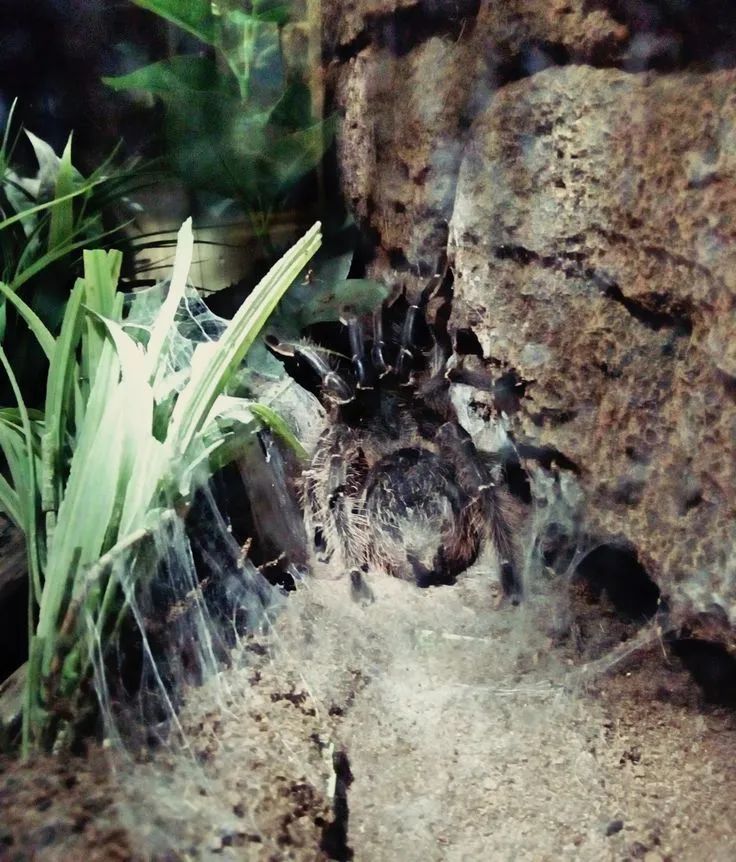
African Bird Eating Tarantula Top 5 Facts
The African Bird Eating Tarantula, scientifically known as Harpactira, is a fascinating creature that captivates both arachnid enthusiasts and those simply curious about the natural world. Despite its name, this tarantula rarely consumes birds; its diet primarily consists of insects. These spiders are native to the African continent, specifically residing in burrows across various habitats. Their imposing size, unique behaviors, and intricate survival strategies make them a subject of considerable interest. This article unveils five key facts about the African Bird Eating Tarantula, shedding light on its characteristics, habits, and place in the ecosystem. Prepare to be amazed by the wonders of this captivating arachnid.
Size and Appearance
The African Bird Eating Tarantula is a large and impressive spider, commanding attention with its substantial size and striking appearance. As with many tarantula species, there are notable differences in size between males and females. Females generally grow larger and more robust, often reaching a body length of up to 8-10 centimeters, with a leg span that can extend to an impressive 20 centimeters or more. Males, on the other hand, tend to be smaller, although they still present a considerable size compared to many other spider species. These dimensions contribute to the tarantula’s imposing presence and make it a visually striking animal. Proper understanding of size helps when observing and housing this exotic pet.
Body and Leg Span

The body of the African Bird Eating Tarantula, like all spiders, is divided into two main parts: the cephalothorax (fused head and thorax) and the abdomen. The cephalothorax houses the spider’s vital organs, including the brain, heart, and mouthparts. The abdomen, which is usually the largest part of the body, contains the digestive system, reproductive organs, and silk-producing spinnerets. The leg span, the distance measured from the tip of one leg to the tip of the opposite leg on the same side, is a crucial measurement for assessing the size of the tarantula. A large leg span indicates a mature and well-developed spider, while leg span is the primary measurement considered when housing these spiders to ensure the enclosure is appropriate.
Coloration and Features
The coloration of the African Bird Eating Tarantula can vary, but it often features a combination of dark browns, blacks, and sometimes reddish hues. These colors provide excellent camouflage within their natural habitat, which typically includes burrows and rocky environments. The carapace (the top of the cephalothorax) and legs are often covered in setae (tiny hairs), which give the tarantula a velvety appearance. These setae also play a role in sensory perception, allowing the spider to detect vibrations and changes in air currents. The chelicerae, or mouthparts, are prominent and equipped with fangs used to inject venom into prey. The spinnerets, located at the end of the abdomen, are responsible for producing the silk used to create burrows and webs for shelter. Their appearance provides a striking contrast against the ground when found out of their burrow.
Habitat and Distribution
Understanding the habitat and distribution of the African Bird Eating Tarantula is essential for appreciating its adaptation to various environments. These tarantulas are predominantly found in specific regions of Africa, where they have evolved to thrive in particular ecological niches. Their habitat preferences and how they distribute across this region show their resilience and their survival strategies. By examining these factors, we gain a deeper understanding of the ecological context in which these fascinating creatures exist.
Native Regions

African Bird Eating Tarantulas are native to Southern Africa. Specific countries include South Africa, Zimbabwe, and Mozambique. Within these regions, they can be found in a variety of habitats, typically characterized by dry and arid conditions. They have adapted to the climate, demonstrating the ability to survive and thrive in their home environment. Knowledge of the native regions is crucial for conservation efforts and provides important information when considering how to care for one in captivity.
Preferred Environment
The African Bird Eating Tarantula thrives in environments that offer both shelter and suitable conditions for hunting. They are primarily terrestrial spiders, meaning they spend most of their lives on the ground. They construct burrows underground, often under rocks or in areas with loose soil. These burrows provide protection from predators and extreme weather conditions, such as excessive heat or cold. The preferred environment of these tarantulas is typically dry and well-drained. They do not do well in damp or humid conditions. These spiders generally prefer to live in a substrate like coco fiber or other materials that help maintain proper humidity levels.
Diet and Feeding Habits
The diet and feeding habits of the African Bird Eating Tarantula are crucial to its survival and overall health. Contrary to its common name, this tarantula primarily feeds on insects. Their predatory behavior and hunting strategies are highly developed, enabling them to capture a wide variety of prey. The nutritional needs of the tarantula must be met to ensure they live a long, healthy life. Observing the ways in which the tarantula feeds allows us to appreciate their natural behaviors.
Prey Preferences

The African Bird Eating Tarantula is a carnivore, and its diet primarily consists of insects. Common prey items include crickets, cockroaches, mealworms, and other readily available insects. The size of the prey often depends on the size and age of the tarantula. Younger tarantulas might feed on smaller insects, while adults can handle larger prey. Occasionally, they may also consume small vertebrates, such as lizards or mice, although this is less common. The tarantula’s diet is crucial for providing the necessary nutrients to support growth, molting, and overall health. A varied diet also helps ensure that the spider receives a wide range of nutrients.
Hunting Strategies
The African Bird Eating Tarantula employs a patient hunting strategy. They are primarily ambush predators, waiting in their burrows or near the entrance to their burrows for prey to come within striking distance. When a suitable insect or other prey item approaches, the tarantula quickly ambushes the prey. The spider uses its fangs to inject venom, which paralyzes the prey. The tarantula then uses its chelicerae to crush the prey and ingest its soft tissues. Hunting strategies reflect the tarantula’s ability to survive, as they need to be able to quickly get a hold of their food to ensure that they can eat and get their nutrients.
Behavior and Temperament
The behavior and temperament of the African Bird Eating Tarantula are essential for understanding its interactions within its environment. These tarantulas exhibit a range of behaviors that contribute to their survival and adaptation to their native habitats. Understanding their defensive mechanisms and activity patterns provides valuable insight into their daily lives and helps in the responsible care of these spiders. Observing these traits provides a better understanding of the spider’s needs and behaviors.
Defensive Mechanisms

Like all tarantulas, the African Bird Eating Tarantula has several defensive mechanisms to protect itself from predators. When threatened, they may raise their front legs in a threat posture, displaying their fangs and appearing larger. They can also flick urticating hairs from their abdomen. These hairs are irritating to the skin and eyes of potential predators, causing discomfort. In addition to these, they may also bite, injecting venom to defend themselves. While the venom is not lethal to humans, it can cause pain and localized swelling. Defensive mechanisms are an essential aspect of the tarantula’s survival. They provide the protection needed to thrive in their environment.
Activity Patterns
The African Bird Eating Tarantula is primarily nocturnal, meaning they are most active during the night. This behavior helps them avoid the heat of the day and provides them with an advantage when hunting. During the day, they typically remain in their burrows, conserving energy and avoiding predators. This pattern is very important to the tarantula’s survival, as it helps regulate its body temperature and protect it from environmental hazards. This is important knowledge when observing the tarantula, as this determines when it will be most active and when it should be left to its own devices.
Lifespan and Breeding
Understanding the lifespan and breeding behaviors of the African Bird Eating Tarantula provides insights into its reproductive success and overall longevity. These tarantulas have a relatively long lifespan compared to many other invertebrates. Knowing their reproductive cycle helps in understanding their place within their ecosystem. The lifespan, coupled with the breeding processes, are important aspects of their overall biology and the ability to sustain their populations in their native habitats.
Average Lifespan

The average lifespan of an African Bird Eating Tarantula varies depending on the sex. Females typically live much longer than males. Females can live for 10 to 15 years or more in captivity, while males typically only live for 2 to 5 years after reaching maturity. Several factors can influence lifespan, including diet, environmental conditions, and overall health. Proper care in captivity can help maximize their lifespan, allowing these fascinating creatures to thrive.
Reproduction Process
The reproduction process of the African Bird Eating Tarantula involves mating, egg laying, and the development of spiderlings. When a male tarantula is ready to mate, he will construct a sperm web. He then deposits his sperm on the web and collects it with his pedipalps. He will then seek out a female. If she is receptive, the male will mate with the female, using his pedipalps to transfer the sperm. After mating, the female will lay eggs, often in an egg sac. She will guard the egg sac, and the spiderlings will hatch after several weeks. The spiderlings will then molt and grow, eventually becoming adult tarantulas. This entire process is complex, and understanding it is crucial for successful captive breeding.
The African Bird Eating Tarantula is a remarkable species that has captivated the interest of many, even though it may be misnamed. From its impressive size and unique appearance to its habitat, diet, and behaviors, this tarantula offers many interesting facts. Understanding the defensive mechanisms, activity patterns, lifespan, and breeding processes reveals its intricate adaptations. Appreciating these creatures helps promote conservation efforts and fosters an understanding of biodiversity and the natural world.