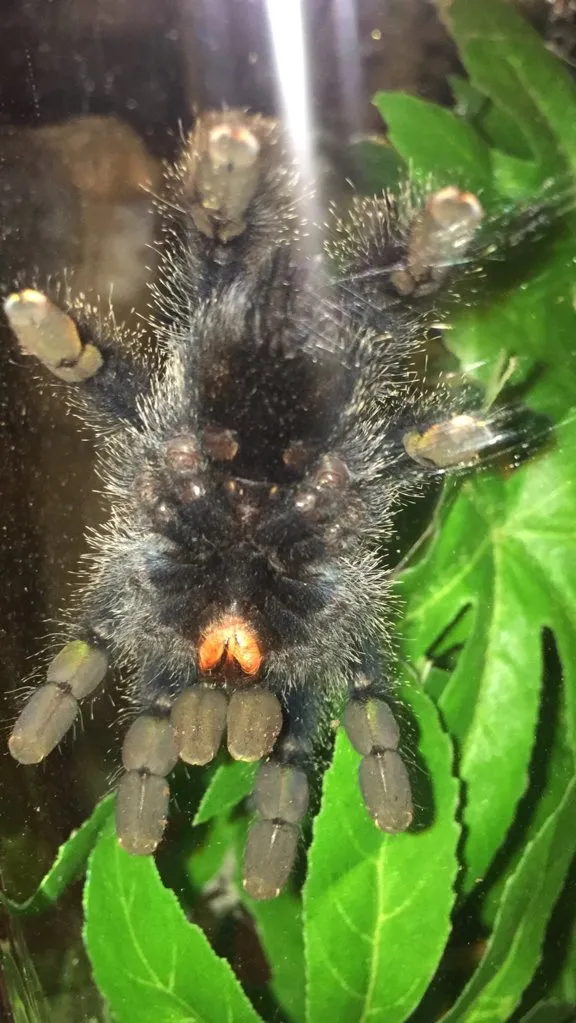
Avic Tarantula Care Essential Habitat Setup
Caring for an Avic tarantula, or any tarantula species, begins with providing a suitable habitat. The setup directly impacts the tarantula’s health, well-being, and longevity. A well-designed enclosure mimics the tarantula’s natural environment, reducing stress and allowing it to thrive. This section will delve into the essential components of setting up a proper habitat for your Avic tarantula, covering enclosure size, substrate selection, and the crucial aspects of temperature and humidity control. Understanding and implementing these elements are fundamental to successful Avic tarantula care and ownership. Creating the ideal environment is the first, and arguably most important, step in ensuring your tarantula’s health and happiness.
Enclosure Size and Type
The size and type of enclosure are paramount to the Avic tarantula’s well-being. Because Avics are arboreal, meaning they live in trees, a tall enclosure is more suitable than a wide one. A good rule of thumb is to provide an enclosure that is at least twice the tarantula’s leg span in height. This allows ample space for climbing and web-building. For a juvenile, a deli cup or a small, secure container with ventilation holes may suffice, but as the tarantula grows, it will need an upgrade. Glass terrariums or acrylic enclosures are ideal, as they offer clear visibility and are easy to clean. Ensure the enclosure has a secure lid to prevent escapes, and that the ventilation is sufficient to allow air circulation while maintaining humidity.
Substrate Selection

The substrate serves multiple purposes, including providing a surface for the tarantula to walk on, helping to maintain humidity, and providing a space for the tarantula to build its web. For Avic tarantulas, a mix of substrate is often recommended. A base layer of coconut fiber or peat moss is excellent at retaining moisture. This should be layered with a material that allows the tarantula to climb and web, such as cork bark or artificial plants. The substrate should be deep enough to allow the tarantula to burrow slightly if it desires. The depth should be roughly the length of the tarantula’s body. Regularly monitor the substrate for cleanliness and replace it as needed to prevent mold or bacterial growth, which can be harmful to your tarantula.
Temperature and Humidity
Maintaining the correct temperature and humidity levels is critical for the Avic tarantula’s health. These tarantulas thrive in a warm and humid environment. The ideal temperature range is between 75-85°F (24-29°C). This can usually be achieved in a typical household setting, but a heat mat or a low-wattage heat lamp can be used to provide supplemental heat if necessary, especially in colder climates. Humidity should be kept around 70-80%. This can be maintained by misting the enclosure with dechlorinated water every few days. Avoid over-misting, as this can lead to the substrate becoming waterlogged. A hygrometer is a valuable tool for monitoring humidity levels. Proper temperature and humidity are vital for molting and overall well-being, so regular monitoring and adjustments are necessary.
Avic Tarantula Feeding Guide
Feeding your Avic tarantula appropriately is crucial for its growth and health. Providing the right type of food and ensuring a proper feeding schedule will keep your tarantula thriving. Avic tarantulas are opportunistic hunters in the wild, and in captivity, their diet should replicate this as closely as possible. This section provides insight into choosing the right food, determining feeding frequency, and ensuring your tarantula stays well-hydrated. Feeding plays a significant role in their overall health and lifespan. Improper feeding can lead to health issues, impacting the tarantula’s quality of life.
Choosing the Right Food

Avic tarantulas are primarily insectivores, meaning their diet consists mainly of insects. The most common and easily accessible food sources are crickets, roaches, and mealworms. When choosing food, it is important to consider the size of the prey in relation to the tarantula. The prey should be no larger than the tarantula’s body. Avoid feeding wild-caught insects, as they may carry parasites or pesticides. Ensure the insects are gut-loaded before feeding them to your tarantula. Gut-loading involves feeding the insects a nutritious diet, which enriches them and, in turn, provides better nutrition to the tarantula. Supplements like calcium and vitamins can also be used to further enhance the nutritional value.
Feeding Frequency
The feeding frequency depends on the age and size of the Avic tarantula. Spiderlings and juveniles need more frequent feedings than adults. Younger tarantulas should be fed every other day or every day, depending on their appetite and growth rate. As the tarantula grows, the feeding frequency can be reduced to once or twice a week. Adults can typically be fed once every one to two weeks, as they have slower metabolisms. Always monitor your tarantula’s abdomen. If it appears plump and healthy, it is well-fed. If the abdomen is thin, it may require more frequent feedings. Remove any uneaten prey within 24 hours to prevent stress for the tarantula.
Watering and Hydration
Water is essential for the survival of an Avic tarantula. While they get some moisture from their food, they also need a water source in their enclosure. A small, shallow water dish filled with clean, dechlorinated water should always be available. Ensure the water dish is shallow enough to prevent the tarantula from drowning. Another way to provide hydration is to mist the enclosure. Misting helps maintain humidity and provides water droplets for the tarantula to drink. Be sure to replace the water regularly and clean the dish to prevent the growth of bacteria and algae. Proper hydration is critical for molting and overall health.
Avic Tarantula Health and Handling

Understanding the health of your Avic tarantula and the proper techniques for handling it are vital to providing responsible care. This section will guide you in recognizing a healthy tarantula, the safe handling methods, and the most common health concerns. Tarantulas are delicate creatures, and proper handling and monitoring for health issues are critical for their well-being. Ensuring a healthy and safe environment minimizes stress and helps the tarantula thrive.
Recognizing a Healthy Tarantula
A healthy Avic tarantula exhibits several key characteristics. The abdomen should be plump and not shrunken or wrinkled. The legs should be intact and move freely. The tarantula should be active and responsive to its environment, although they often hide. A healthy tarantula will typically have a good appetite and readily accept food. The fangs should be clean and free of debris. Molting is a natural process, and a healthy tarantula will molt regularly as it grows. Signs of an unhealthy tarantula include lethargy, loss of appetite, unusual postures, or discolored patches on the body. If you notice any of these signs, consult a veterinarian or an experienced tarantula keeper.
Safe Handling Techniques
Handling Avic tarantulas should be done with extreme caution. These tarantulas are known for their speed and potential defensive behavior, including flicking urticating hairs or biting. If handling is necessary, do so only when the tarantula is calm and cooperative. It is best to let the tarantula walk onto your hand rather than trying to pick it up. Keep your movements slow and deliberate. Avoid any sudden movements that could startle the tarantula. Always handle the tarantula over a soft surface, such as a bed or a carpet, in case it falls. Wash your hands thoroughly before and after handling to prevent the spread of any potential contaminants or irritants. Remember that handling should be kept to a minimum to reduce stress on the tarantula.
Common Health Issues

Like all pets, Avic tarantulas can be susceptible to certain health issues. One of the most common issues is dehydration, which can be prevented by providing adequate water and maintaining proper humidity levels. Another issue is mold or fungal infections, which can arise from poor enclosure maintenance or improper substrate. Parasites are less common, but they can be introduced through live prey. Respiratory infections can occur if humidity levels are too high or the enclosure has poor ventilation. If you notice any signs of illness, isolate the tarantula and consult with a veterinarian or an experienced tarantula keeper who can provide appropriate treatment. Prevention through proper care and maintenance is key.
Avic Tarantula Care Tips
Beyond the basics of habitat, feeding, and health, there are several additional tips that can help you provide optimal care for your Avic tarantula. These additional tips ensure the long-term health and happiness of your tarantula. These include maintaining a secure environment and practicing regular enclosure maintenance.
Providing a Secure Environment
A secure environment is crucial for an Avic tarantula’s well-being. Ensure the enclosure is escape-proof, with a tight-fitting lid. Keep the enclosure away from direct sunlight and drafts. Avoid loud noises or sudden movements that could startle the tarantula. Provide plenty of places for the tarantula to hide, such as cork bark or artificial plants. This will help the tarantula feel safe and secure, reducing stress levels. Regularly inspect the enclosure and its surroundings to ensure everything is in good working order. A secure and stable environment promotes the tarantula’s health and longevity.
Regular Enclosure Maintenance

Regular maintenance is essential for maintaining a healthy environment for your Avic tarantula. Spot-clean the enclosure regularly, removing any uneaten food, molts, and waste. Replace the substrate as needed, typically every few months or sooner if it becomes soiled. Clean the water dish regularly and replace the water with fresh, dechlorinated water. Mist the enclosure to maintain humidity levels, but avoid over-misting, which can lead to mold. Regularly inspect the enclosure for any signs of problems, such as mold, pests, or unusual behavior in your tarantula. Maintaining a clean and well-managed environment is essential for your tarantula’s health and longevity, allowing your Avic tarantula to thrive.