5 Amazing Facts About the Avicularia Purpurea Tarantula
The Avicularia purpurea, often celebrated for its stunning coloration and captivating behavior, stands as a gem among tarantula enthusiasts. This species, commonly known as the purple tarantula, hails from the rainforests of South America and has gained popularity as a pet due to its vibrant appearance and relatively manageable care requirements. Understanding the unique aspects of this tarantula will help you provide the best possible care and appreciation for these fascinating creatures. These spiders are known for their docile nature, making them a favorite among both novice and seasoned arachnid keepers. The following facts will delve into the unique aspects of this amazing tarantula.
Appearance and Identification
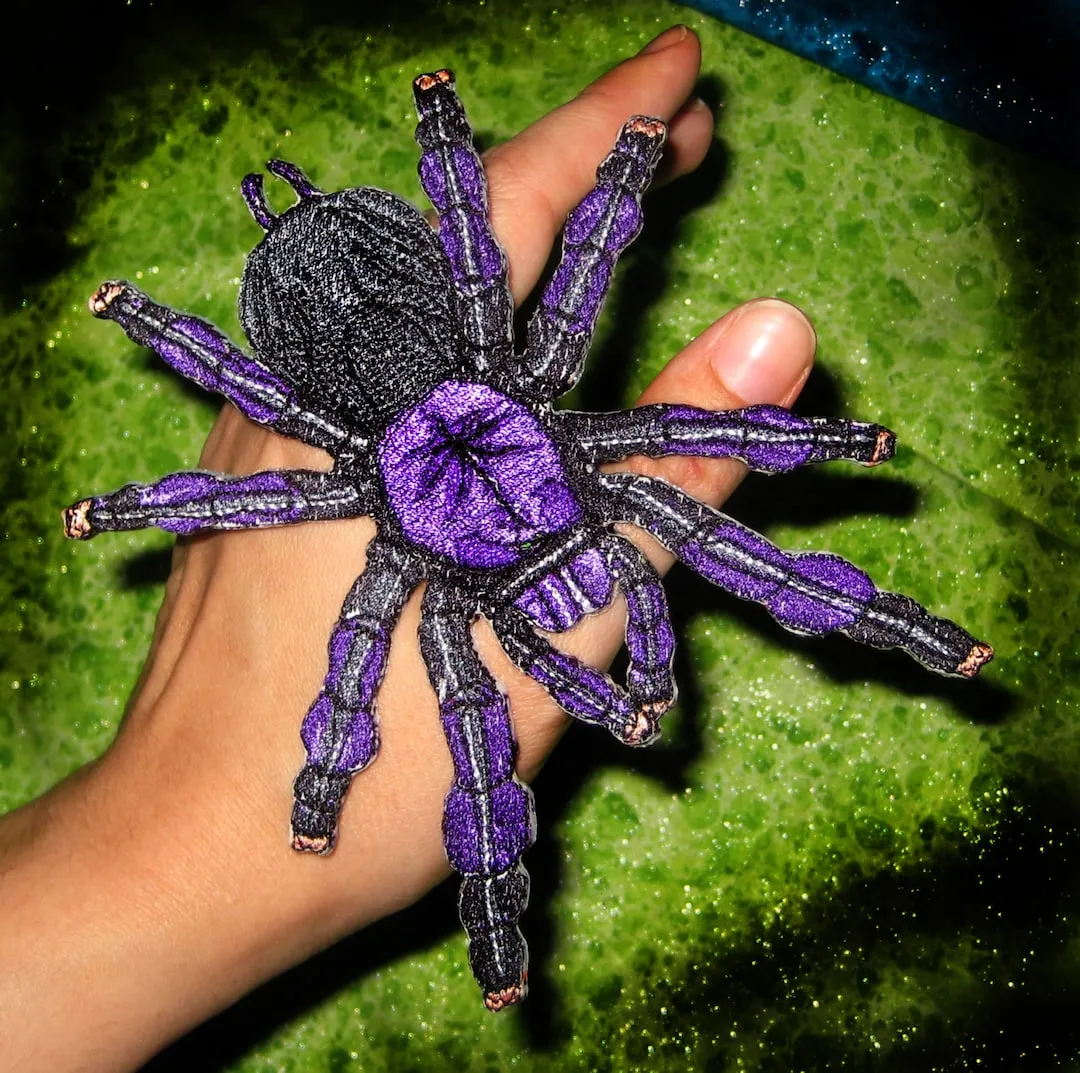
Identifying an Avicularia purpurea is a delight for the eyes, due to the distinctive appearance. The most striking feature is the vibrant coloration, with the carapace, legs, and abdomen exhibiting shades of deep purple, contrasted by the metallic sheen on the chelicerae. This coloration is more pronounced in adult females. The body is covered in fine hairs that give it a velvety texture. It is also relatively small, with a leg span typically ranging from 4 to 6 inches when fully grown. The combination of their compact size and brilliant coloration make them easily distinguishable from other tarantula species. When you observe them in their enclosures, their beauty is undeniable.
Coloration and Physical Traits

The Avicularia purpurea’s coloration is not merely a cosmetic trait; it serves multiple purposes. The vibrant purple hues are thought to play a role in camouflage within their natural habitat, aiding in their ability to blend with the environment. The coloration can vary slightly depending on the individual and its age, with juveniles often displaying less intense colors that intensify as they mature. Besides the vivid purple, their bodies also feature unique physical traits. These include the presence of urticating hairs on their abdomen, which they can flick off to deter potential threats. Furthermore, their bodies are covered in a layer of sensory hairs that help them navigate their surroundings and detect vibrations.
Distinguishing Features
When observing the Avicularia purpurea, several features help distinguish it from other tarantula species. The presence of scopulae, which are dense pads of hairs on their feet, allows them to climb and grip surfaces easily, highlighting their arboreal lifestyle. They also possess the characteristic fangs and chelicerae typical of tarantulas, which they use for feeding and defense. Furthermore, their behavior sets them apart. They are known for their relatively docile nature, making them less prone to aggression compared to other species. Their tendency to be arboreal, preferring to live in trees or elevated structures, also distinguishes them from terrestrial tarantulas. These behavioral and physical features provide clear clues to their identification and unique characteristics.
Habitat and Natural Behavior
Understanding the natural habitat and behavior of the Avicularia purpurea is crucial for providing appropriate care in captivity. They are native to the rainforests of South America, specifically found in regions such as Brazil and French Guiana. In their natural environment, they are arboreal, meaning they live in trees. They construct silken retreats in the branches of trees, where they spend most of their time. They are nocturnal hunters, typically becoming active at night to search for prey. By observing their natural behavior, we can create an environment that caters to their needs and encourages their natural instincts.
Origin and Geographical Distribution

The Avicularia purpurea originates from the lush rainforests of South America. Their specific geographical distribution includes countries like Brazil and French Guiana. This highlights their adaptation to warm and humid environments, influencing the required care conditions in captivity. Knowing their origin helps us understand their ecological needs and the environmental factors that shape their lifestyle. Their preference for the rainforest environment dictates the types of plants and the humidity level that should be provided in their enclosure, allowing them to thrive. This knowledge gives insights to emulate the conditions they are accustomed to in the wild.
Burrowing and Arboreal Tendencies
The Avicularia purpurea exhibits arboreal tendencies, which means they are adapted to live in trees. Unlike many terrestrial tarantula species that burrow underground, the purple tarantula prefers elevated habitats. They create silk-lined nests within the branches of trees, often utilizing existing hollows or crevices. Their arboreal lifestyle influences their behavior and the layout of their environment. In captivity, it is important to provide vertical climbing structures, such as branches or cork bark, allowing them to explore their habitat and engage in natural behaviors. This setup helps them to thrive and feel secure.
Diet and Feeding Habits
The Avicularia purpurea, like all tarantulas, is a carnivore, and its diet mainly consists of insects. In the wild, they prey on various invertebrates that they can find within their habitat, which include insects such as crickets, moths, and even small lizards. Understanding their dietary requirements and feeding habits is essential for maintaining their health and well-being in captivity. They rely on these insects as their primary source of nutrition, which aids in their growth and overall health. Providing a well-balanced diet that mimics their natural food sources helps them to maintain their health and thrive.
Prey Preferences and Nutritional Needs

The Avicularia purpurea has specific prey preferences that influence its nutritional needs. Their diet primarily consists of insects, with crickets being a staple in captivity. Other suitable prey items include roaches, mealworms, and small moths, all of which provide different nutrients. It is important to vary the diet to ensure the tarantula receives a wide range of essential nutrients, supporting its growth and development. Consider gut-loading the prey insects before feeding, which involves feeding them nutritious food to enhance their nutritional value. The variety and nutritional content of their meals directly affect their overall health.
Feeding Frequency and Techniques
The feeding frequency for the Avicularia purpurea depends on its age and size. Spiderlings require more frequent feedings, typically every few days, while adult tarantulas can be fed once or twice a week. It is important to monitor the tarantula’s body condition and adjust the feeding schedule accordingly. Always remove uneaten prey from the enclosure to prevent them from stressing the tarantula. Feeding techniques can vary, but generally, prey items are placed directly into the enclosure. Water should always be available, especially if the tarantula is frequently fed. Proper feeding techniques contribute to the tarantula’s health and overall well-being.
Lifespan and Growth
The lifespan and growth of an Avicularia purpurea is an interesting aspect of their biology. These spiders go through several molting stages throughout their lives, shedding their exoskeleton to grow. Understanding their growth process and lifespan helps provide them with optimal care throughout their lives. The lifespan varies, but it is essential to be aware of the factors that can affect their longevity and ensure their overall health and well-being. By understanding their growth stages and lifespan, you can provide the care they need to thrive.
Average Lifespan in Captivity

The average lifespan of an Avicularia purpurea in captivity is typically between 5 to 10 years for females, while males tend to have a shorter lifespan, usually around 2 to 3 years. Factors such as proper care, diet, and environmental conditions play a significant role in determining their longevity. Providing them with a stress-free environment, proper diet, and regular maintenance helps to maximize their lifespan. Recognizing the different lifespans of males and females helps keepers to manage their care appropriately. Considering all these factors will help keep these beautiful spiders alive for years to come.
Growth Stages and Molting Process
The growth stages of the Avicularia purpurea involve a molting process, in which the spider sheds its exoskeleton to grow larger. Spiderlings molt frequently, while adults molt less often, sometimes only once a year. During molting, the tarantula becomes vulnerable, so it’s crucial to keep the environment stable and undisturbed. After molting, the tarantula’s new exoskeleton is soft, and it needs time to harden. Do not feed the tarantula until its fangs have hardened. Monitoring the molting process and providing a suitable environment is crucial for the tarantula’s overall health and growth. Proper care during this phase ensures that they develop and thrive in their enclosures.
Conservation Status and Threats
Understanding the conservation status and threats faced by the Avicularia purpurea is critical for promoting responsible pet ownership and supporting conservation efforts. The purple tarantula, though not yet classified as endangered, faces specific challenges in its natural habitat, primarily due to habitat loss and collection for the pet trade. Raising awareness about their conservation status and supporting responsible practices is essential for their long-term survival. By understanding the threats they face, we can make informed decisions about their care in captivity and support conservation initiatives.
Current Conservation Efforts

Several conservation efforts are in place to protect the Avicularia purpurea and their habitat. These efforts include research, habitat preservation, and awareness campaigns aimed at promoting responsible pet ownership. Many organizations focus on educating the public about the importance of biodiversity and the impact of human activities on fragile ecosystems. Supporting conservation efforts is crucial for safeguarding the species in the wild. When considering a tarantula, it is important to seek out reputable breeders who prioritize responsible practices. Responsible breeders contribute to conservation efforts by providing ethically sourced specimens. Supporting these efforts will secure the survival of these amazing creatures.
Threats in the Wild
The Avicularia purpurea faces multiple threats in its natural habitat, mainly from habitat loss due to deforestation and the conversion of rainforests for agriculture and development. Unsustainable collection for the pet trade also poses a significant risk. These tarantulas, with their beautiful colors, are a highly sought-after species, and over-collection can decimate wild populations. Furthermore, climate change is an emerging threat, with changes in temperature and rainfall patterns affecting their habitat. Awareness and actions that protect and preserve their habitat and reduce the impact of human activities is crucial. Responsible pet ownership and supporting conservation are vital.