What is a Baby Tarantula Egg Sac?
The baby tarantula egg sac is a marvel of nature, a carefully constructed cradle that holds the future generation of these fascinating creatures. Understanding the egg sac is crucial for anyone interested in breeding tarantulas or simply wanting to learn more about their life cycle. It’s where the magic of tarantula reproduction begins, a protected environment where tiny eggs transform into spiderlings, ready to embark on their independent lives. The egg sac represents the culmination of the female tarantula’s efforts, ensuring the survival of her offspring against the odds of the wild. The process itself is incredible, making the entire thing unbelievable.
The Biology of Tarantula Reproduction
Tarantula reproduction is an intricate dance that begins with mating. Males, after reaching maturity, create sperm webs and deposit their sperm on them. They then use their pedipalps (small leg-like appendages near their mouths) to scoop up the sperm and store it. When a male encounters a receptive female, he initiates a courtship ritual, often involving drumming or other displays to signal his intentions. If the female accepts, the male inserts his pedipalps into her epigastric furrow (a slit on the underside of her abdomen) to deposit the sperm. This process is often a precarious undertaking, as the female may see the male as a meal. The male’s survival depends on a successful courtship and mating.
Mating and Egg Laying Process

Once mating is complete, the female tarantula stores the sperm. Egg laying typically occurs several weeks or months later, depending on the species and environmental conditions. The female produces eggs, which are then fertilized by the stored sperm. The number of eggs can vary greatly depending on the species and the female’s size and health. After fertilization, the eggs are carefully enclosed in a silk structure spun by the female. The entire process highlights the complexity of the tarantula reproductive system, providing the foundation for the next generation.
Egg Sac Construction and Protection
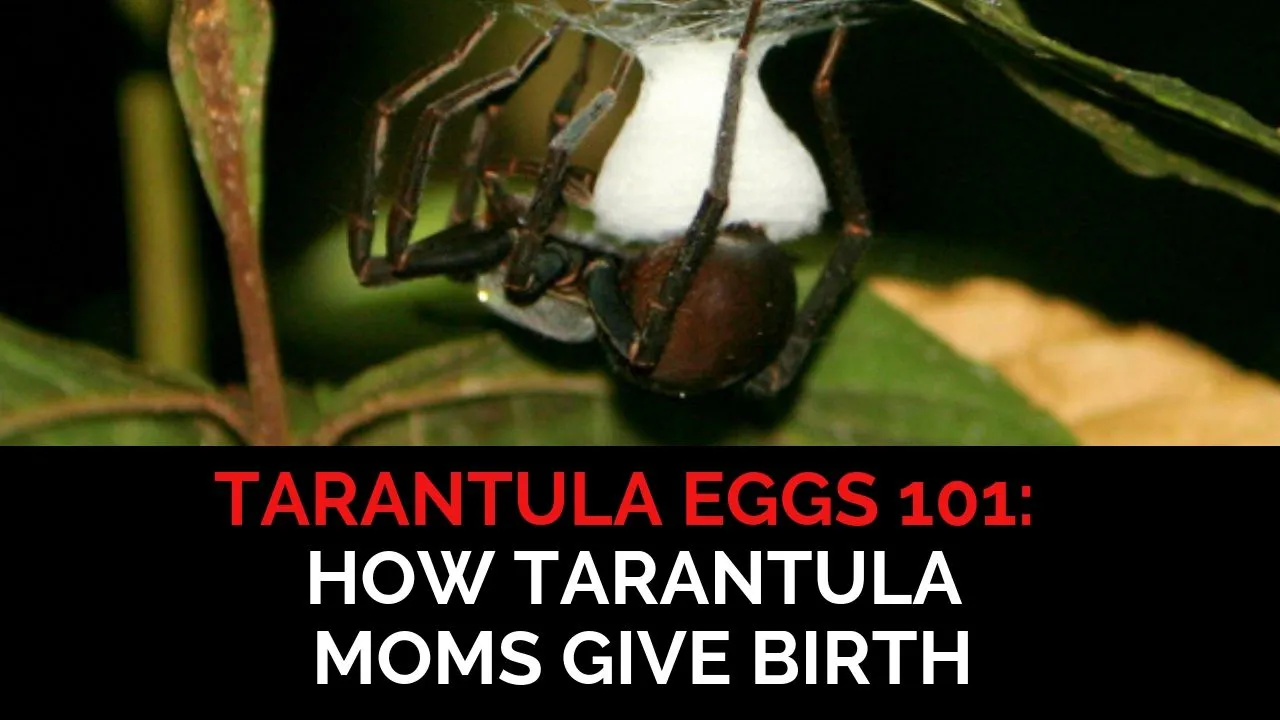
The female tarantula demonstrates impressive skill in constructing the egg sac, carefully weaving a protective cocoon of silk. The egg sac’s size and shape vary among different species, but the purpose remains the same: to protect the developing eggs from predators, desiccation, and extreme temperatures. The silk is incredibly strong and durable, providing a safe haven for the precious cargo within. The female tarantula often guards the egg sac vigilantly, sometimes even carrying it around with her, until the spiderlings are ready to hatch. This dedication underscores the parental care tarantulas exhibit.
What the Egg Sac Looks Like
Appearance and Size

The appearance of a tarantula egg sac can be quite variable. The size can range from a small marble to a large golf ball, depending on the species and the number of eggs. The shape is generally spherical or oval. The color is usually off-white or yellowish. The texture is often smooth and silky, reflecting the delicate nature of the eggs inside. The visual characteristics are not only indicative of the species but are also a testament to the tarantula’s skill in creating a safe, protective environment.
Variations Between Species
Different tarantula species exhibit variations in their egg sacs. Some species produce egg sacs that are more tightly woven and robust, while others have looser, more delicate structures. The size of the egg sac can also differ significantly, with some species producing many small eggs while others lay fewer, larger eggs. These variations reflect the diverse evolutionary adaptations of tarantulas to their environments and lifestyles. The differences in egg sac construction highlight the incredible diversity of these amazing creatures.
What’s Inside the Egg Sac
Inside the egg sac, the tiny tarantula eggs undergo a remarkable transformation. These eggs are not just simple spheres; they are the building blocks of future spiderlings. The egg sac provides a controlled environment for the eggs to develop, shielded from the harsh realities of the outside world. The eggs are surrounded by a protective layer of silk, which helps to maintain the ideal humidity and temperature necessary for development. The whole internal structure is really a marvel of nature.
The Development Stages

The development of a tarantula within the egg sac is a complex process. From a simple egg, a spiderling emerges, ready to face the world. This transformation is driven by a series of internal changes, regulated by genetic factors and environmental influences. There are distinct phases in the embryonic development, each requiring specific conditions for success. The entire process is a microcosm of evolution, a testament to the enduring power of life.
Embryonic Development
The embryonic stage is the initial phase of development, the period from fertilization to the formation of the basic body plan. During this period, cells divide and differentiate, forming the various tissues and organs of the tarantula. This phase is crucial, as it lays the foundation for all future development. The embryos are highly sensitive to environmental changes, so the protection offered by the egg sac is paramount. The speed of development depends on temperature and humidity, with warmer conditions usually accelerating the process.
Pre-hatch Development
As the spiderlings near hatching, they undergo pre-hatch development. They begin to resemble tiny versions of the adults, with their legs, chelicerae, and other features becoming more defined. They may also absorb the yolk from the egg, providing them with their first source of nourishment. During this period, the spiderlings prepare for their emergence from the egg sac and their first independent activities. The development is truly unbelievable, considering the complexity of the structures created within.
Caring for a Baby Tarantula Egg Sac

Caring for a tarantula egg sac requires careful attention to detail. Providing the right conditions is essential for the successful hatching of the spiderlings. The primary focus should be on creating and maintaining a stable and safe environment. Improper care can lead to egg sac damage, fungal infections, or failure to hatch. It is important to consider the species specific requirements to provide the best care.
Optimal Temperature and Humidity
Maintaining the correct temperature and humidity levels is critical. Tarantulas thrive in specific climates. A temperature range of 75-85°F (24-29°C) is generally suitable for most species. Humidity levels should be appropriate for the species, typically ranging from 60-80%. Using a hygrometer and thermometer is essential for monitoring conditions. Adjust the environment as needed to maintain the ideal levels, ensuring the egg sac’s health.
Maintaining a Safe Environment
Provide a clean and stable environment. The enclosure housing the egg sac should be free of any potential hazards. Avoid direct sunlight and drafts. Regularly clean the enclosure to prevent the buildup of waste and the growth of mold or fungus. Ensure the enclosure is well-ventilated, which can help regulate humidity and prevent stagnation. Minimize disturbances and handle the egg sac with extreme care if necessary. Protecting the egg sac from any possible harm is extremely important.
Monitoring the Egg Sac

Regularly monitor the egg sac for any signs of problems, such as changes in color, texture, or size. Also, observe the female tarantula’s behavior. Any unusual behavior might indicate an issue with the egg sac. If you detect any problems, take immediate action. Record the date of the egg sac’s creation to track the development progress. Be patient, as hatching can take weeks or months. Constant and watchful observation can lead to a successful spiderling emergence.
Dealing with Problems
Even with the best care, problems can arise. Recognizing and addressing these issues promptly is crucial for protecting the developing spiderlings. Fungal infections and damage to the egg sac are among the most common threats. Understanding the potential dangers is the first step in mitigating these issues.
Fungal Infections
Fungal infections can be a significant threat to tarantula egg sacs, especially in humid environments. Fungal growth appears as a white or green mold on the egg sac. Prevention is the best strategy. Maintain proper ventilation, avoid overwatering, and regularly clean the enclosure. If a fungal infection is detected, immediately remove the egg sac to a clean, dry environment and seek advice from experienced tarantula keepers or a veterinarian. Early intervention is essential to save the eggs. Removing the egg sac should be done with great care to prevent any damage.
Egg Sac Damage

Egg sac damage can result from several factors, including accidental injury by the female, improper handling, or environmental stressors. Any tears, punctures, or other structural damage can compromise the eggs’ protection. If the egg sac is damaged, assess the severity. If the damage is minor, the female tarantula might be able to repair it. For significant damage, seek advice from experienced breeders. Careful handling is crucial to prevent further damage. Understanding the potential causes of damage is a crucial part of safeguarding the eggs.
Why is Baby Tarantula Egg Sac Unbelievable?
The baby tarantula egg sac is truly an unbelievable wonder. The sheer complexity of the process, from the intricate mating rituals to the construction of the protective silk cocoon, is astonishing. The tarantula’s dedication to safeguarding its offspring is amazing. Seeing how these tiny eggs develop into fully formed spiderlings within the egg sac is a remarkable display of nature’s ingenuity. It reminds us of the beauty and intricacies that exist in the natural world. It is a symbol of life, protection, and the incredible ability of these creatures to survive and thrive.