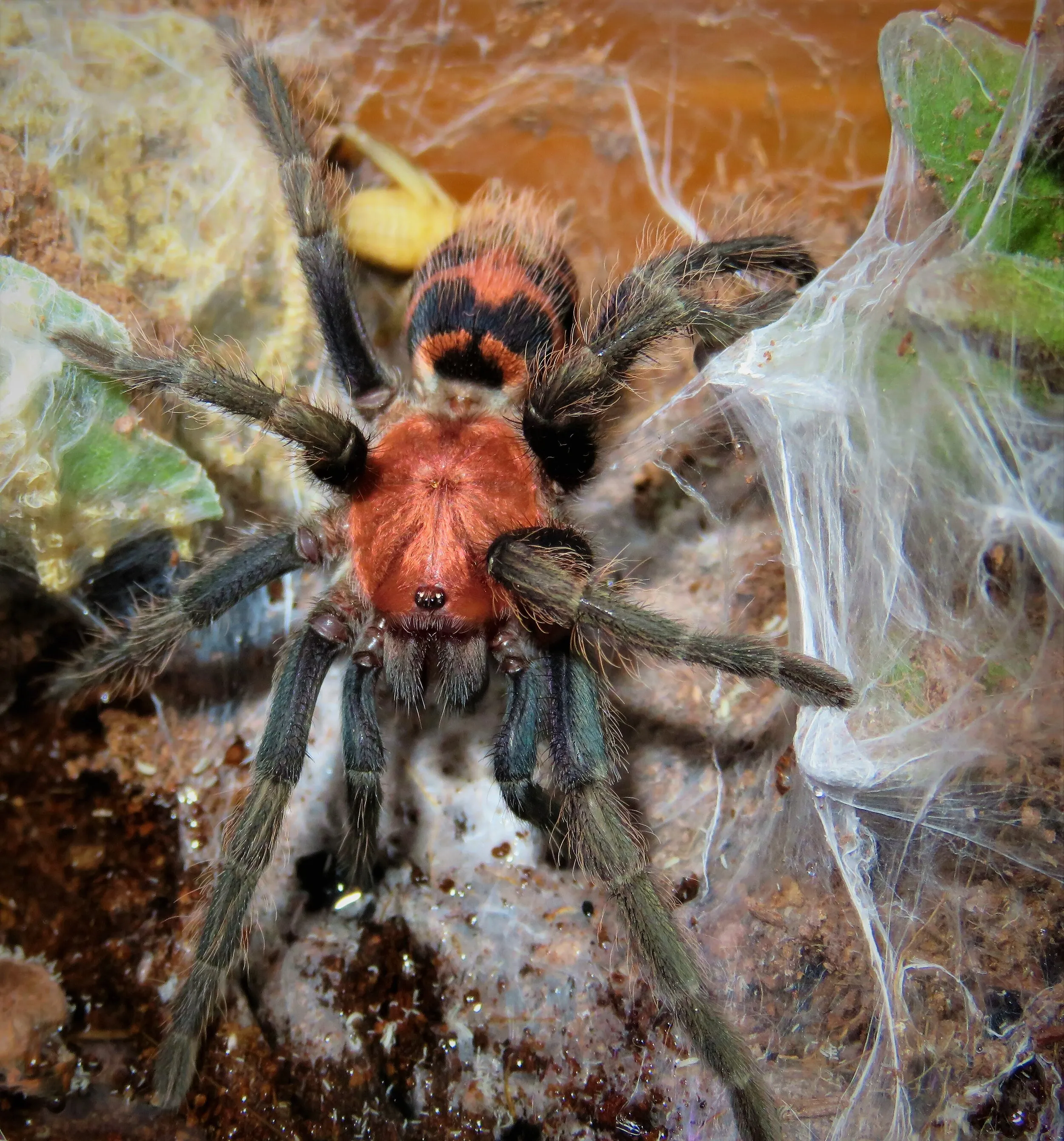
Baby Tiger Rump Tarantula Overview
The Baby Tiger Rump Tarantula (Psalmopoeus irminia) is a captivating and popular species within the tarantula community. Its striking appearance and relatively docile temperament make it a favorite among both novice and experienced keepers. Native to the tropical regions of South America, particularly Guyana and Venezuela, this arboreal tarantula has adapted to thrive in humid, forested environments. Understanding the basic facts about this fascinating creature is the first step in appreciating and successfully caring for one. Their unique characteristics set them apart from other tarantula species and contribute to their appeal as pets. Before acquiring a Baby Tiger Rump Tarantula, it is important to get a general overview to provide proper care and ensure its well-being.
Appearance and Characteristics
The Baby Tiger Rump Tarantula is named for its distinctive coloration and pattern. These tarantulas are known for their vibrant orange or reddish hairs on the abdomen, which create a stark contrast against the dark brown or black carapace and legs. The overall appearance is quite striking, making them visually appealing. As they mature, their colors can become more pronounced. The carapace often features a tiger-like pattern, further enhancing their aesthetic appeal. Their leg span typically ranges from 5 to 6 inches, making them a medium-sized tarantula. These spiders also possess a relatively slender build compared to some other tarantula species.
Size and Lifespan

Baby Tiger Rump Tarantulas reach a moderate size, with adult females typically having a leg span of around 5 to 6 inches. Males are generally smaller. The lifespan of these tarantulas varies depending on the sex, with females living significantly longer than males. Females can live for 10 to 15 years or even longer with proper care, while males typically live for only 2 to 3 years after reaching maturity. The size and lifespan are important factors to consider when choosing a tarantula as a pet, as they influence the space requirements and the long-term commitment involved in their care. Their relatively long lifespan means keepers can enjoy their pet for an extended period, allowing for a deeper appreciation of their unique behaviors and characteristics.
Habitat and Origin
These tarantulas are native to the tropical rainforests of South America, specifically Guyana and Venezuela. They are arboreal, meaning they spend most of their time in trees or elevated structures rather than on the ground. In their natural habitat, they build webs and burrows in trees, utilizing the leaves and branches for shelter and ambush prey. The warm and humid climate of their natural environment is crucial for their survival and well-being. The environment also influences the types of prey available to them. Replicating these conditions in captivity is essential for the health and longevity of a Baby Tiger Rump Tarantula, ensuring they thrive in a comfortable and suitable environment.
Baby Tiger Rump Tarantula Behavior
Temperament and Handling

Baby Tiger Rump Tarantulas are generally considered to be a docile species, making them a good choice for those new to tarantula keeping. However, it is important to remember that they are still wild animals and can react defensively if they feel threatened. While they are not known for being particularly aggressive, it is recommended that handling be kept to a minimum to avoid stressing the tarantula. When handling is necessary, do so with extreme care and avoid sudden movements. It is also recommended to handle them close to a soft surface in case they fall. Being mindful of their behavior and reacting accordingly is crucial. The key is to observe the tarantula’s reactions and body language, ensuring that any interaction does not cause unnecessary stress or potential harm to either the keeper or the spider.
Defensive Mechanisms
Like all tarantulas, the Baby Tiger Rump has several defensive mechanisms. The primary defense is their speed; they can move very quickly when threatened. They may also flick urticating hairs from their abdomen as a defense mechanism, which can cause irritation to the skin and eyes. While not a particularly venomous species, they can bite if they feel threatened. The bite, while not usually life-threatening to humans, can be painful and cause localized reactions. Keeping this in mind and understanding these mechanisms will help keepers better manage the tarantula and reduce the risk of negative interactions. Providing a comfortable and secure environment reduces the likelihood of defensive behavior.
Baby Tiger Rump Tarantula Care
Feeding Your Tarantula

Feeding a Baby Tiger Rump Tarantula is relatively straightforward. They primarily eat insects, such as crickets, mealworms, and roaches. The frequency of feeding depends on the tarantula’s size and age. Spiderlings should be fed more often, usually every other day, while adults can be fed once or twice a week. It’s important to provide appropriately sized prey; the insects should be no larger than the tarantula’s abdomen. It is also essential to remove any uneaten food within 24 hours to prevent mold growth. A water dish with fresh water should be available at all times. Providing a varied diet ensures the tarantula receives all the necessary nutrients, promoting good health and vitality. Keepers can monitor their tarantula’s eating habits to gauge its health and adjust the feeding schedule as needed.
Housing and Enclosure Setup
A suitable enclosure is crucial for the health and well-being of a Baby Tiger Rump Tarantula. Since they are arboreal, a tall enclosure is necessary. A glass or acrylic terrarium with good ventilation is recommended. The enclosure should be large enough for the tarantula to move around comfortably, and should include plenty of vertical space for climbing. Substrate, such as coco fiber or peat moss, should be used to help maintain humidity. It’s important to provide a hide, such as a piece of cork bark or a hollow log, where the tarantula can retreat and feel secure. Decorations like artificial plants and branches can also be added to mimic their natural habitat. Regular cleaning and maintenance of the enclosure, including removing uneaten food and replacing the substrate, are essential for keeping the tarantula healthy.
Maintaining Temperature and Humidity
Maintaining the correct temperature and humidity is essential for the Baby Tiger Rump Tarantula’s health. The ideal temperature range is between 75°F to 85°F (24°C to 29°C). This can be achieved using a heat source such as a heat mat or a low-wattage heat lamp. The enclosure should also maintain a humidity level between 70% and 80%. This can be achieved by misting the enclosure regularly, or by using a water dish to increase humidity. Monitoring both temperature and humidity levels with a thermometer and hygrometer is crucial to ensure that conditions are within the ideal range. Maintaining the right environment mimics the tarantula’s natural habitat and promotes optimal health. Regular checks will help adjust conditions and provide the best living environment.
Baby Tiger Rump Tarantula: Health and Common Issues

Common Diseases and Prevention
While relatively hardy, Baby Tiger Rump Tarantulas can still be susceptible to certain health issues. Common problems include fungal infections, mites, and dehydration. Fungal infections can develop if the enclosure is too humid or poorly ventilated. Mites can infest the tarantula and cause irritation. Dehydration can occur if the tarantula does not have access to fresh water. Proper enclosure maintenance, including regular cleaning and appropriate ventilation, can help prevent these issues. Quarantineing new tarantulas and inspecting them for signs of disease is also important. Additionally, ensuring that the tarantula has access to a water dish and providing a balanced diet are key components to preventing health problems. It is vital to be vigilant and observe the tarantula’s behavior for any signs of illness, seeking veterinary advice as needed.
Shedding Process
Tarantulas, including the Baby Tiger Rump, shed their exoskeletons as they grow. This process is called molting. Prior to molting, the tarantula may become less active, stop eating, and appear dull in color. The spider will often flip onto its back during the molting process, which can be a nerve-wracking sight for new keepers. The entire process can take several hours. After molting, the tarantula will be vulnerable and its new exoskeleton soft. It is crucial not to disturb the tarantula during this time. Provide extra humidity to help with the process, and avoid handling the spider until the exoskeleton has fully hardened, which can take a week or two. Molting is a sign of healthy growth, and understanding the process and providing the proper care is critical.
Breeding Baby Tiger Rump Tarantula

Breeding Baby Tiger Rump Tarantulas can be a rewarding experience, but it requires experience and careful planning. Successful breeding involves pairing a mature female with a mature male, creating the correct environmental conditions to promote mating. After mating, the female will lay eggs, which she then encloses in an egg sac. The eggs must be incubated under the right conditions to hatch. Raising the spiderlings also requires special care, including providing appropriately sized food and maintaining correct temperature and humidity. Breeders must be prepared to provide for many spiderlings, as these tarantulas can produce a large number of offspring. Breeding is an advanced aspect of tarantula keeping, best undertaken by experienced keepers who are ready to handle the complexities and the responsibilities involved. It is important to have the resources, the enclosure space, and the expertise necessary to successfully raise a generation of Baby Tiger Rump Tarantulas.