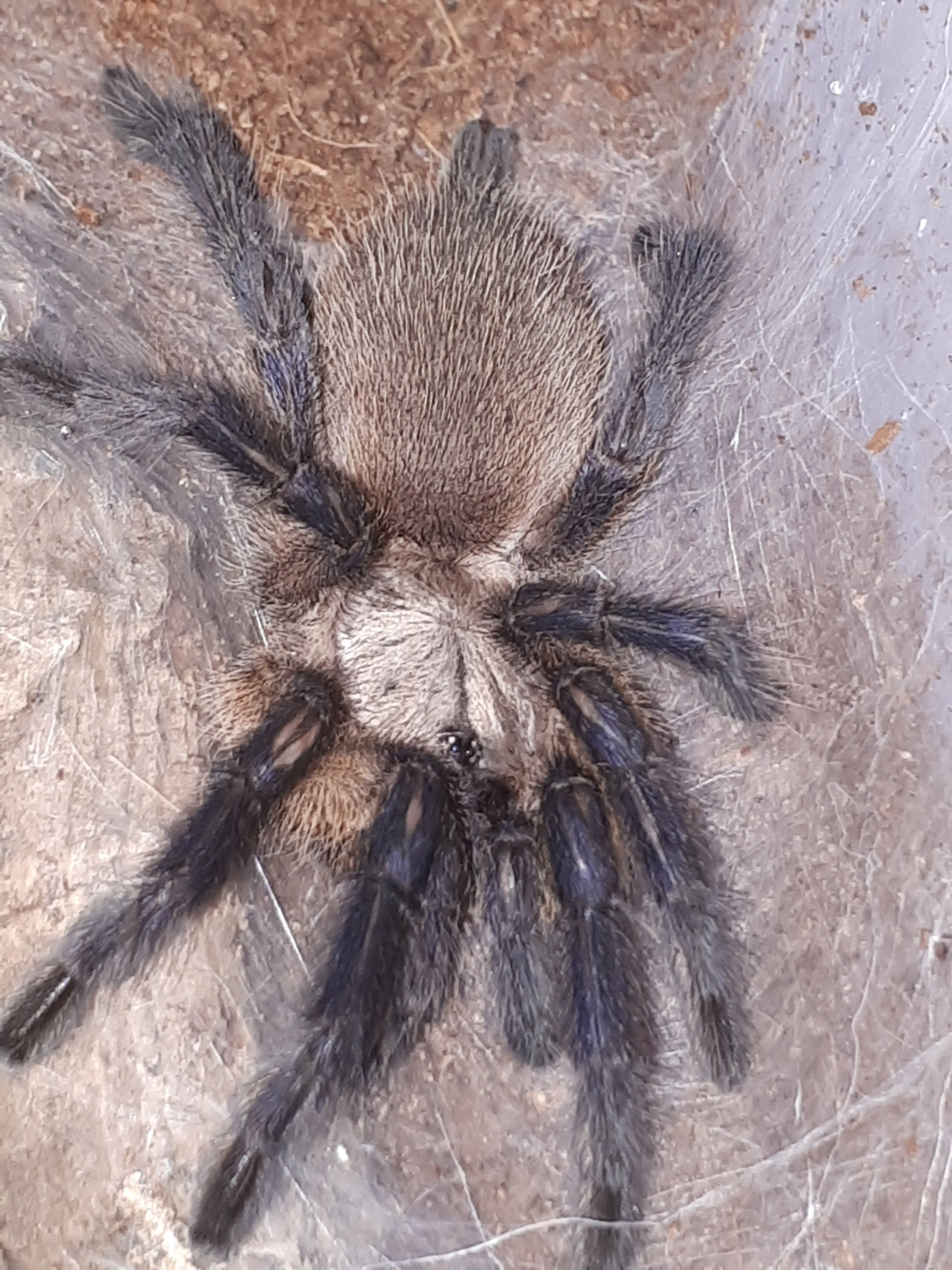
Understanding Balfouri Tarantula Substrate Needs
Choosing the right substrate is crucial for the health and well-being of your Balfouri tarantula (Monocentropus balfouri). This captivating species, known for its communal living habits and striking coloration, thrives in an environment that mimics its natural habitat. The substrate not only provides a comfortable surface for your tarantula to walk and burrow in but also plays a vital role in regulating humidity, which is essential for successful molting and overall health. A well-chosen substrate will also help maintain the proper temperature gradient within the enclosure, further contributing to your tarantula’s well-being. Furthermore, the right substrate can make your tarantula feel secure, encouraging natural behaviors and reducing stress. Understanding these needs is the first step in creating an ideal environment for your Balfouri.
Why Substrate Matters for Your Balfouri Tarantula
The substrate in your Balfouri tarantula’s enclosure is far more than just bedding; it’s a fundamental component of its habitat. It directly impacts the tarantula’s physical and psychological well-being. A suitable substrate allows the tarantula to burrow, providing a sense of security and a place to retreat, which is particularly important for a species that can be sensitive to disturbances. The substrate also provides a foundation for the tarantula’s web-building activities, which are essential for capturing prey and creating a comfortable living space. Additionally, the substrate acts as a buffer, absorbing waste and maintaining cleanliness within the enclosure. Selecting the right substrate is therefore crucial for a happy and healthy Balfouri tarantula.
Humidity Regulation

One of the primary functions of the substrate is to help maintain the correct humidity levels within the enclosure. Balfouri tarantulas, like many tarantula species, require specific humidity levels to thrive. The substrate absorbs moisture and releases it slowly, helping to prevent the enclosure from becoming too dry. Adequate humidity is particularly critical during the molting process. Insufficient humidity can lead to molting problems, which can be fatal for your tarantula. Monitoring the humidity levels and selecting a substrate that effectively retains moisture are essential aspects of providing proper care. Regularly misting the enclosure and ensuring adequate ventilation are also important in conjunction with the right substrate.
Burrowing and Enrichment
Balfouri tarantulas are burrowing spiders, and a substrate that allows them to create tunnels and hideaways is vital for their well-being. Burrowing provides security and a place to retreat from perceived threats. It also allows them to regulate their body temperature, as the deeper layers of the substrate tend to be cooler. A substrate with the right consistency and depth allows the tarantula to express its natural behaviors, reducing stress and promoting a healthier, more active lifestyle. Furthermore, the presence of a burrowing substrate can enrich the tarantula’s environment, making it more stimulating and interesting.
Top 5 Substrate Choices for Balfouri Tarantulas
Choosing the best substrate for your Balfouri tarantula involves considering factors such as humidity retention, burrowing ability, and ease of maintenance. Here’s a breakdown of five excellent substrate options, each with its pros and cons, to help you make an informed decision. These substrates are readily available and widely recommended by experienced tarantula keepers.
Coco Fiber

Coco fiber, derived from coconut husks, is a popular choice for tarantula substrates due to its excellent moisture retention properties and natural look. It’s readily available, affordable, and eco-friendly. Coco fiber also resists mold and mildew growth, which can be a significant advantage in a humid environment.
Pros and Cons
- Pros: Excellent humidity retention, natural appearance, resists mold, readily available, affordable.
- Cons: Can be dusty if not properly rinsed, may need to be mixed with other substrates for burrowing.
How to Use Coco Fiber
To use coco fiber, rinse it thoroughly to remove any dust or debris. Allow it to dry slightly before placing it in the enclosure. Aim for a depth of 3-6 inches, depending on the size of your tarantula and its burrowing preferences. You can moisten the coco fiber by misting or pouring a small amount of water directly into the substrate, ensuring it’s damp but not waterlogged. Maintain moisture levels with regular checks.
Peat Moss

Peat moss is another excellent option, known for its high water retention and slightly acidic pH, which can help inhibit bacterial growth. It provides a natural look and is often used in bioactive setups. Ensure the peat moss is sourced sustainably to minimize environmental impact.
Pros and Cons
- Pros: High water retention, natural appearance, slightly acidic pH, good burrowing medium.
- Cons: Can be dusty, may compact over time, potential for mold if overwatered, sustainability concerns.
How to Use Peat Moss
Prepare peat moss by moistening it before adding it to the enclosure. Similar to coco fiber, a depth of 3-6 inches is ideal. Monitor the humidity levels and adjust the misting schedule accordingly. Ensure that the peat moss is not overly saturated to prevent mold growth. Regular spot cleaning to remove any waste is also advised.
Eco Earth

Eco Earth is a commercially available substrate made from compressed coconut fiber. It’s easy to use, readily available, and provides excellent humidity retention. Many keepers appreciate the convenience and consistency of this product.
Pros and Cons
- Pros: Convenient, easy to use, excellent humidity retention, natural appearance.
- Cons: Can be slightly more expensive than other options, may need to be mixed with other substrates for burrowing.
How to Use Eco Earth
Eco Earth comes in compressed bricks that need to be hydrated before use. Simply add water and allow the substrate to expand. A depth of 3-6 inches is suitable for Balfouri tarantulas. Monitor the humidity and mist as needed. Because it comes ready to use, Eco Earth can be an excellent option for beginners.
Vermiculite

Vermiculite is a mineral-based substrate that excels at moisture retention and is often used in conjunction with other substrates. It’s lightweight and helps create the right humidity levels. However, it doesn’t provide good burrowing ability on its own and is best used mixed with other components.
Pros and Cons
- Pros: Excellent moisture retention, lightweight, can help prevent mold.
- Cons: Doesn’t provide good burrowing on its own, may need to be mixed with other substrates.
How to Use Vermiculite
Vermiculite is typically mixed with other substrates, such as coco fiber or peat moss, to enhance moisture retention. It can be added in varying proportions depending on the desired humidity levels. Be sure to moisten the vermiculite before mixing and monitor the humidity within the enclosure. The mixture will make it ideal for your tarantula.
Substrate Mixes

Creating a custom substrate mix allows you to tailor the environment to your Balfouri tarantula’s specific needs. Mixing different substrates can provide the best of both worlds—combining excellent humidity retention with good burrowing capabilities. Experimenting with different blends can help you discover what works best for your tarantula.
Creating Custom Substrates
A common substrate mix might consist of coco fiber, peat moss, and a small amount of vermiculite. This combination provides excellent moisture retention, a natural look, and a good burrowing medium. Another option could be a mix of eco earth and sphagnum moss. The ratios can be adjusted based on the desired humidity and burrowing characteristics. The key is to provide a safe, enriching, and effective substrate environment.
Maintaining Your Balfouri Tarantula Substrate
Maintaining the substrate is crucial for the health and well-being of your Balfouri tarantula. Regular checks and adjustments are necessary to ensure that the environment remains ideal. This involves monitoring humidity levels, cleaning the substrate, and replacing it when necessary. A well-maintained substrate helps prevent mold growth, supports healthy molting, and encourages your tarantula’s natural behaviors.
Checking and Adjusting Humidity Levels

Regularly monitor the humidity levels within the enclosure using a hygrometer. The ideal humidity range for Balfouri tarantulas is typically between 70-80%. Adjust the humidity by misting the substrate with distilled water or by adding more water to the existing substrate. Avoid over-misting, as this can lead to mold growth. Ensure proper ventilation to help regulate humidity.
Cleaning and Replacing Substrate
Spot clean the substrate regularly to remove any uneaten prey items, fecal matter, or other waste. Use a small spoon or tongs to remove these items without disturbing the tarantula too much. Replace the substrate completely every 6-12 months, or sooner if there are signs of mold, excessive buildup of waste, or the substrate is no longer effectively maintaining humidity. When replacing the substrate, remove the tarantula carefully and place it in a temporary container while you clean the enclosure.
Signs of Substrate Problems
Be vigilant in observing your Balfouri tarantula’s enclosure for signs of substrate problems. These include excessive mold growth, a foul odor, or a significant decrease in humidity levels. If you observe any of these issues, take immediate action. If the substrate is heavily molded or the odor is strong, replace the entire substrate. If humidity levels are consistently low, adjust your misting schedule or consider using a different substrate or substrate mix. Prompt action is key to preventing health issues.
Conclusion
Choosing the right substrate is a fundamental aspect of caring for your Balfouri tarantula. By understanding the substrate’s role in humidity regulation, burrowing, and overall well-being, you can create an ideal environment for your pet to thrive. Remember to consider the pros and cons of different substrate options, maintain the substrate properly, and be vigilant in monitoring the enclosure for any signs of problems. With the right substrate and proper care, you can ensure your Balfouri tarantula lives a long and healthy life. Investing time to provide an optimal environment ensures your tarantula’s health and happiness.