Introduction
The world of exotic pets has seen a surge in popularity, and among the fascinating creatures captivating enthusiasts are tarantulas. These large, hairy spiders, often misunderstood, have become surprisingly popular pets. This comprehensive review delves into the best pet tarantulas, providing insights to help you make an informed decision. We’ll explore the unique characteristics of several species, from their temperament and care requirements to their overall suitability as pets. Whether you’re a seasoned arachnid aficionado or a curious beginner, this guide offers valuable information to navigate the exciting world of pet tarantulas. We will examine the different species that make excellent pets and explore why these creatures are fascinating additions to any home, with a focus on providing detailed information to assist you in selecting your new pet.
What are Pet Tarantulas?
Pet tarantulas are large, hairy spiders belonging to the Theraphosidae family. They are found in various habitats worldwide, including tropical rainforests, deserts, and grasslands. Unlike many other spider species, tarantulas are relatively docile, making them suitable for responsible pet ownership. Their impressive size, diverse colors, and intriguing behaviors make them a captivating choice for those seeking a unique pet. Tarantulas typically have a lifespan ranging from several years to over two decades, depending on the species and sex, with females often living longer than males. Their care involves providing a suitable habitat, proper diet, and maintaining optimal environmental conditions to ensure their health and well-being. Understanding these aspects is crucial for anyone considering a tarantula as a pet.
Why People Love Pet Tarantulas

The allure of owning a tarantula lies in their unique characteristics and relatively low-maintenance care compared to other pets. People are drawn to their striking appearance, with a wide array of colors and patterns. The opportunity to observe their behaviors, such as hunting, molting, and web-spinning, provides a fascinating glimpse into their world. Many owners find the experience of caring for these creatures a rewarding and educational endeavor. Tarantulas are also known for their generally docile nature, which makes them less demanding than pets that require constant attention. Their quiet demeanor and independent nature suit individuals with busy lifestyles, looking for a unique pet. The ability to create a suitable habitat and witness the natural behaviors of these creatures fosters a sense of connection with the natural world, which further fuels their appeal.
Top 5 Pet Tarantulas Reviews
1 Chilean Rose Hair Tarantula
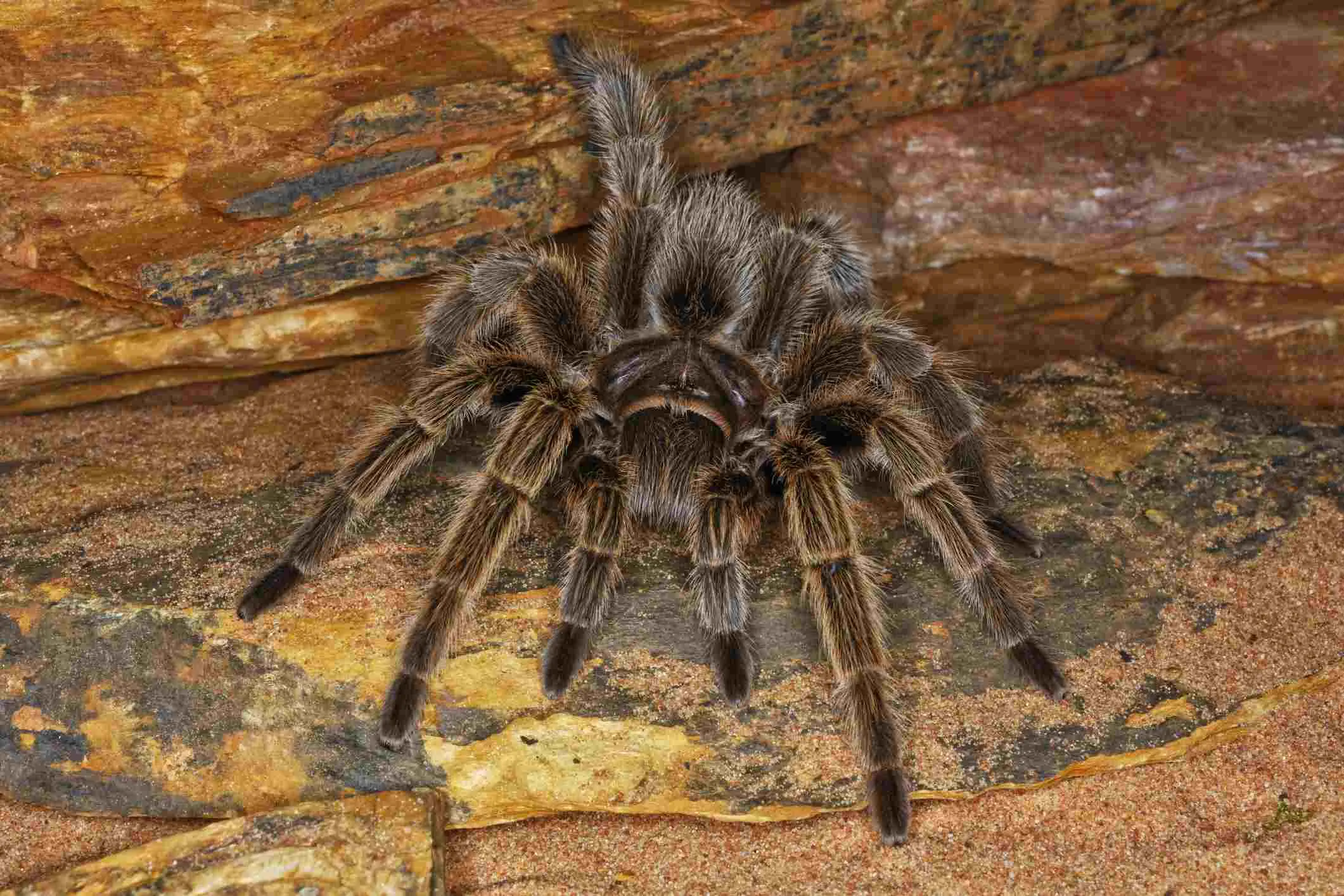
The Chilean Rose Hair Tarantula (Grammostola rosea) is a popular choice for beginners. Known for their docile temperament and relatively easy care, these tarantulas are a great starting point. They typically grow to a moderate size, with females reaching about 5-6 inches in leg span. Their lifespan can extend over 20 years, making them a long-term commitment. They are also known for their beautiful coloration and easy handling, making them an accessible and enjoyable pet. They are native to the deserts of northern Chile, and their care involves mimicking their natural environment. They thrive in a dry environment with a temperature range of 75-85°F (24-29°C). A simple setup with a substrate like coconut fiber or peat moss, a shallow water dish, and a hide is sufficient for their needs.
Pros and Cons of Chilean Rose Hair Tarantula

Pros include their gentle nature, making them less likely to bite, and their easy-to-meet care requirements. They are relatively low-maintenance and can tolerate minor variations in their environment, making them a great option for those new to tarantula ownership. The species is also widely available and affordable, increasing its popularity among hobbyists. Cons include their tendency to flick urticating hairs, which can cause skin irritation. They can also be slow growers, and their activity level might not be as high as other species, which may not satisfy those looking for an interactive pet. It is crucial to handle these tarantulas with care and avoid any unnecessary contact to minimize the risk of irritation.
2 Pinktoe Tarantula
The Pinktoe Tarantula (Avicularia avicularia) is an arboreal species known for its striking appearance and graceful movements. These tarantulas are native to the rainforests of South America and thrive in humid environments. Their arboreal nature makes them excellent climbers and provides a fascinating display of their climbing skills. They have a maximum leg span of 5-6 inches, and their vibrant pink toes against their dark bodies make them a sight to behold. Their care involves providing a tall enclosure with plenty of vertical space, branches, and foliage for climbing. A high humidity level (70-80%) and a temperature range of 75-80°F (24-27°C) are essential for their well-being.
Pros and Cons of Pinktoe Tarantula
Pros include their beautiful appearance, with vivid colors and elegant movements. They are generally docile and make for interesting pets because of their arboreal nature. Cons include their need for a humid environment, which requires careful monitoring to prevent mold growth. They are sensitive to changes in their environment, and any fluctuations in humidity and temperature may affect their health. They are also more skittish than some other species, and they are prone to dropping to escape. Handling them with care and providing a secure habitat is necessary to ensure their safety and well-being.
3 Gooty Sapphire Ornamental Tarantula

The Gooty Sapphire Ornamental Tarantula (Poecilotheria metallica) is a striking species known for its vibrant metallic blue and yellow markings. Native to the deciduous forests of India, these tarantulas are highly sought after for their beauty. Their arboreal nature and striking coloration make them a captivating choice for experienced keepers. They can reach a leg span of up to 8 inches, and they are more demanding regarding their habitat and handling. This species is known for its potent venom, which can cause a painful bite. Thus, it is best suited for experienced keepers who can provide the necessary precautions. Their care requires a tall enclosure with plenty of vertical space, high humidity, and a temperature range of 75-85°F (24-29°C).
Pros and Cons of Gooty Sapphire Ornamental Tarantula
Pros include their stunning appearance, with striking colors and intricate patterns. They are also relatively active, which makes them exciting to observe. Cons include their potent venom and skittish nature, which makes them unsuitable for beginners. They require advanced care and handling techniques and are best suited for experienced tarantula keepers. The high venom potency necessitates caution when handling them, and they are best appreciated from a distance. A secure and well-maintained habitat, combined with extensive experience, is crucial for their safe and successful care.
4 Brazilian Black Tarantula
The Brazilian Black Tarantula (Grammostola pulchra) is known for its all-black coloration. They are native to the grasslands of Brazil and are a popular choice for those who appreciate a sleek and understated appearance. Their docile temperament and relatively easy care make them suitable for intermediate keepers. They can reach a leg span of around 6-7 inches and have a calm demeanor. Their care involves providing a terrestrial setup with a substrate like coco fiber or peat moss, a shallow water dish, and a hide. They thrive in a temperature range of 70-80°F (21-27°C) and require a humidity level of 60-70%.
Pros and Cons of Brazilian Black Tarantula
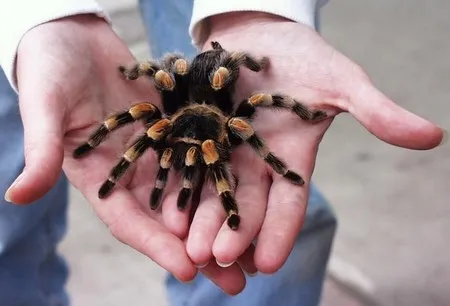
Pros include their striking appearance, calm temperament, and easy care requirements. They are relatively low-maintenance and can handle minor variations in their environment. Cons include their slower growth rate compared to some other species, which means it may take longer for them to reach their adult size. They might not be as active as other tarantula species, which is something to keep in mind for those seeking an interactive pet. Their overall docile nature and ease of care make them an excellent choice for those seeking a beautiful and relatively low-maintenance pet.
5 Texas Brown Tarantula
The Texas Brown Tarantula (Aphonopelma anax) is a terrestrial species native to the southwestern United States. Their docile nature and impressive size make them a popular choice among tarantula enthusiasts. They can reach a leg span of up to 6 inches and have a lifespan of over 20 years. Their care involves providing a terrestrial setup with a substrate like coco fiber or peat moss, a shallow water dish, and a hide. These tarantulas thrive in a dry environment with a temperature range of 75-85°F (24-29°C). Their hardy nature and adaptability make them an excellent choice for those seeking a low-maintenance pet that will live a long and healthy life.
Pros and Cons of Texas Brown Tarantula
Pros include their impressive size, docile temperament, and hardy nature. They are relatively easy to care for and can adapt to various environmental conditions, making them suitable for beginners. Cons include their potential for urticating hairs, which can cause skin irritation if they flick them. Their activity level may not be as high as other species, and they can be a bit reclusive. Handling should be done with care and minimal contact to avoid any adverse reactions from the urticating hairs. Their general ease of care and long lifespan make them a rewarding pet to own.
How to Choose the Best Pet Tarantula

Choosing the best pet tarantula involves considering several factors to ensure a good match for both you and the spider. The first is your experience level; beginners should start with docile and easy-to-care-for species like the Chilean Rose Hair or the Texas Brown. Research the specific needs of each species, including habitat requirements, temperature, humidity, and feeding habits. Make sure you can meet these requirements before acquiring a tarantula. Consider your lifestyle; some species are more active and visible, while others are more reclusive. Assess the size of the tarantula and the space you have available for its enclosure. Larger species need larger enclosures, and you must accommodate their needs. Learn about the tarantula’s temperament. Docile species are better for beginners, while more skittish or defensive species require experience. Finally, consider the lifespan of the tarantula and whether you are prepared to provide care for several years or even decades. Ensure you are committed to the long-term care of your new pet.
Considerations Before Buying a Pet Tarantula
Before acquiring a pet tarantula, there are several critical considerations. First, research the specific needs of your chosen species. Understand their habitat requirements, including temperature, humidity, and substrate preferences. Also, learn about their feeding habits, including the appropriate diet, frequency, and size of prey. Ensure you have the necessary equipment, such as a suitable enclosure, heating, lighting, and a water dish. Consider the ethical implications of pet ownership, including the responsible sourcing of your tarantula and the importance of providing proper care. Be prepared for the financial commitment involved, including the cost of the tarantula, enclosure, supplies, and ongoing expenses for food and maintenance. Finally, be aware of any legal restrictions or regulations regarding tarantula ownership in your area. Make sure that owning a tarantula is permitted and that you meet any necessary requirements. Addressing these considerations helps ensure you are well-prepared to provide the best possible care for your new pet.
Tarantula Care Tips
Proper tarantula care is essential for your pet’s health and longevity. Maintain the appropriate temperature and humidity levels for your tarantula’s species. Regularly check the temperature using a thermometer and the humidity with a hygrometer. Provide a suitable substrate, such as coco fiber or peat moss, appropriate for your tarantula’s needs. This not only provides a comfortable environment but also helps maintain humidity. Offer a varied diet of appropriately sized insects, such as crickets, roaches, or mealworms, and avoid overfeeding. Ensure your tarantula has access to fresh water at all times. Clean the enclosure regularly, removing any uneaten food and replacing the substrate as needed. Handle your tarantula only when necessary and with caution to avoid stress or injury. Be aware of the signs of molting and avoid disturbing your tarantula during this vulnerable time. By following these care tips, you can provide a healthy and fulfilling life for your pet tarantula.
Conclusion

Owning a pet tarantula can be a rewarding experience for those willing to commit to their care. The best pet tarantulas offer a combination of fascinating behaviors, manageable care requirements, and unique appearances. By carefully considering the species, providing a suitable habitat, and following proper care practices, you can enjoy a fulfilling experience. Remember to research thoroughly and prioritize the well-being of your tarantula, and you’ll have a fascinating and rewarding pet for years. Whether you choose a docile Chilean Rose Hair or a vibrant Pinktoe, taking the time to understand your pet’s specific needs will make your experience with these amazing creatures one to cherish.