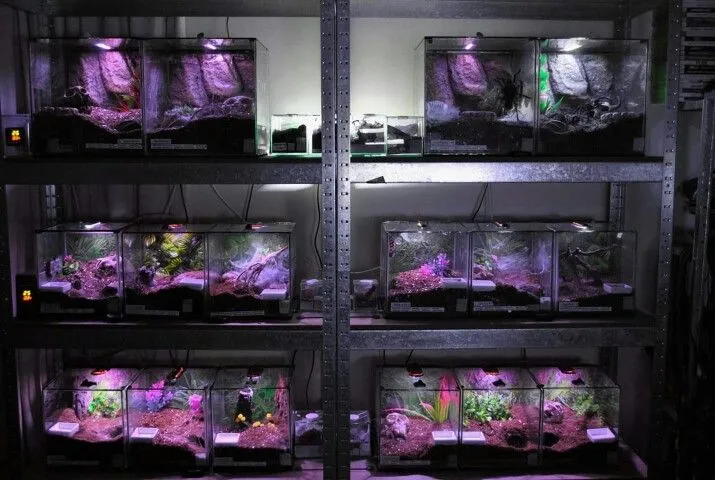
7 Tips for Optimal Tarantula Enclosures
Creating the perfect habitat for your tarantula is crucial for its health, happiness, and longevity. A well-designed enclosure mimics the tarantula’s natural environment, providing everything it needs to thrive. This guide provides seven essential tips to ensure your tarantula enclosure is optimal, covering size, substrate, humidity, ventilation, temperature, enrichment, water source, and maintenance. Following these guidelines will help you create a thriving environment for your eight-legged friend, allowing you to enjoy the fascinating world of tarantulas for years to come. Remember, a happy tarantula is a healthy tarantula, and a well-maintained enclosure is the foundation of that happiness. Consider these tips not just as recommendations, but as essential elements of responsible tarantula ownership, ensuring the wellbeing of your pet from the moment you set up their home.
Choosing the Right Enclosure Size
The size of your tarantula enclosure is one of the most critical factors in its well-being. A too-small enclosure can restrict movement and growth, while a too-large enclosure can make it difficult for the tarantula to find food and may increase the risk of falls. The enclosure should be at least twice as wide as the tarantula’s leg span, and the height should be sufficient to allow for several inches of substrate and the tarantula’s climbing habits. This allows them to burrow, explore, and feel secure in their environment. It’s also important to consider the tarantula’s growth rate and plan for a larger enclosure as it matures. Regularly assessing your tarantula’s size and adjusting its living space accordingly will promote a healthy and comfortable lifestyle.
Considering Tarantula Species

Different tarantula species have different needs. Terrestrial species, which live on the ground, require more floor space and less height. Arboreal species, which live in trees, need taller enclosures with plenty of vertical space for climbing and webbing. Research the specific needs of your tarantula species to determine the appropriate enclosure size. This research includes their natural habitat, their activity levels, and their temperament. Some species are more prone to stress and require larger, more secure enclosures. Tailoring the enclosure to the species’ specific requirements is crucial for their overall well-being and the enjoyment of observing them.
Impact on Enclosure Size
The enclosure size directly impacts the tarantula’s behavior and health. An undersized enclosure can lead to stress, reduced appetite, and even aggression. Conversely, a too-large enclosure can make it difficult for the tarantula to find food, potentially leading to malnutrition. Adequate space allows the tarantula to exhibit its natural behaviors, such as burrowing, webbing, and hunting. It also provides a degree of security, as tarantulas often feel vulnerable in open spaces. Furthermore, proper enclosure size affects the maintenance and regulation of environmental factors, such as humidity and temperature, contributing to the overall health and well-being of the tarantula.
Selecting the Right Substrate
The substrate is the bedding material that lines the bottom of the enclosure and provides a base for the tarantula’s activities. The right substrate helps maintain humidity, provides a place to burrow, and allows the tarantula to feel secure. Choose a substrate appropriate for your tarantula’s species and its natural habitat. Avoid substrates that are toxic, sharp, or prone to mold. The right choice ensures not only the health of the tarantula but also the ease of maintaining a clean and functional enclosure. Different tarantula species have different substrate preferences, so thorough research is essential before selecting any substrate.
Substrate Options

Common substrate options include coconut fiber (coco coir), peat moss, vermiculite, and a mixture of these. Coco coir is a popular choice because it retains moisture well and resists mold. Peat moss is another good option, but it can be acidic. Vermiculite is excellent for maintaining humidity but can become dusty if not managed properly. You can also create a custom blend to meet your tarantula’s specific needs. The substrate should be deep enough for the tarantula to burrow if it’s a burrowing species, providing a sense of security and the ability to regulate its environment. The substrate should also be regularly spot-cleaned to remove any waste or uneaten food to prevent the growth of harmful bacteria or mold.
Importance of Substrate Depth
The depth of the substrate is crucial, particularly for burrowing species. A deeper substrate allows the tarantula to create extensive burrows, which provide a safe retreat and help regulate temperature and humidity. The depth should be at least as deep as the tarantula’s leg span, but ideally deeper, depending on the species. Proper substrate depth allows the tarantula to express its natural behaviors and provides an environment that closely mimics its natural habitat. It also contributes to the overall health and well-being of the tarantula, reducing stress and promoting a healthy lifestyle. Regularly monitor the substrate depth to ensure it remains adequate for the tarantula’s needs.
Maintaining Optimal Humidity
Humidity is essential for tarantula health, particularly for molting. The appropriate humidity level varies depending on the species, but most tarantulas require a moderately humid environment. Too little humidity can cause molting problems, while too much can lead to mold growth. Monitoring and maintaining the correct humidity level is crucial for the overall health and well-being of your tarantula. In their natural habitats, tarantulas rely on humidity levels for the hydration of their exoskeletons during molting, and for their overall well-being, making it a core factor to address in your tarantula’s enclosure setup.
Monitoring Humidity Levels

Use a hygrometer to monitor humidity levels accurately. Hygrometers are readily available and inexpensive. Place the hygrometer inside the enclosure to get an accurate reading. Regularly check the hygrometer, preferably at least once a day, to ensure the humidity is within the appropriate range for your tarantula species. This allows for timely adjustments if the humidity is too high or too low. Keep a record of your humidity readings to track trends and identify any potential issues. Consistent monitoring provides the best opportunity to ensure that the tarantula enclosure remains within the appropriate humidity range, and that your tarantula stays healthy.
Methods for Humidifying
There are several ways to increase humidity in the enclosure. Misting the enclosure with dechlorinated water is a common method. The frequency of misting will depend on the species and the ambient humidity. Pouring water directly into the substrate can also help increase humidity, but be careful not to over-saturate it. The use of a water dish also contributes to ambient humidity. Consider the ventilation in your enclosure, as excessive ventilation can reduce humidity. The best approach combines these methods, along with careful monitoring, to find the right balance for your tarantula’s needs. Regular humidity maintenance is key to your tarantula’s wellbeing.
Providing Proper Ventilation
Proper ventilation is essential to prevent the buildup of stale air, mold, and bacteria. The enclosure should have ventilation holes, ideally in the sides and top, to allow for airflow. The ventilation should be sufficient to prevent condensation from building up excessively, but not so much that it dries out the enclosure. The right balance is crucial for a healthy environment. Correct ventilation is also vital to the regulation of humidity and temperature, and helps to maintain a clean and healthy living space for your tarantula.
Airflow and its importance

Good airflow prevents the buildup of harmful gases and bacteria. It also helps regulate humidity and temperature. Stale air can lead to respiratory problems and other health issues. Ensure the ventilation is adequate but not excessive, as excessive airflow can dry out the enclosure and lead to problems with molting. A well-ventilated enclosure maintains a healthier environment for your tarantula, promoting its overall well-being. Regular visual inspection of the enclosure will confirm the effectiveness of the airflow design.
Avoiding Stagnant Air
Stagnant air can lead to mold growth and bacterial infections. Proper ventilation is key to preventing stagnant air. Make sure the enclosure is not overcrowded, as this can restrict airflow. Clean the enclosure regularly to remove any waste or uneaten food, which can contribute to poor air quality. Strategically placed ventilation holes, combined with careful observation of the enclosure’s internal environment, will help to avoid stagnant air and create a healthier environment for your tarantula. Proper ventilation is a vital aspect of maintaining your tarantula’s health.
Ensuring Adequate Temperature
Temperature is another critical factor in maintaining a healthy tarantula enclosure. Tarantulas are ectothermic, meaning they rely on external heat sources to regulate their body temperature. The ideal temperature range varies depending on the species, but most tarantulas thrive in temperatures between 70-85°F (21-29°C). Maintaining the correct temperature ensures that the tarantula can properly digest food, be active, and thrive. Understanding the specific temperature needs of your tarantula species is crucial.
Temperature Range

Research the optimal temperature range for your tarantula species. Use a thermometer to monitor the temperature inside the enclosure. Ensure that the temperature stays within the appropriate range, and be prepared to adjust the heating method if necessary. Avoid placing the enclosure in direct sunlight or near drafts. Sudden temperature fluctuations can stress your tarantula. The correct temperature range is a core environmental factor for your tarantula’s health, especially for its metabolism and overall well-being.
Heating Options
Heating options include heat pads placed on the side of the enclosure, ceramic heat emitters, and incandescent light bulbs. Heat pads are generally preferred, as they provide gentle, consistent heat without drying out the enclosure. Ceramic heat emitters are useful for providing heat without light. Incandescent light bulbs should be used with caution, as they can dry out the enclosure and may overheat the tarantula if not used correctly. Always monitor the temperature carefully and adjust the heating method accordingly, ensuring the tarantula can move away from the heat source if necessary.
Offering Enrichment and Hiding Places
Tarantulas are often shy and secretive animals, so providing enrichment and hiding places is essential for their well-being. A well-enriched enclosure will reduce stress and encourage natural behaviors. The inclusion of these elements can dramatically improve the quality of life for your tarantula. This helps them to feel secure and provides opportunities for exploration and activity. A happy tarantula is a healthy tarantula.
Hides and Decor

Provide a hide, such as a piece of cork bark, a hollow log, or a commercially available hide, for the tarantula to retreat to. Decorate the enclosure with plants (real or artificial), rocks, and other natural elements to create a more stimulating environment. Make sure any decorations are non-toxic and safe for the tarantula. Providing a variety of hiding spots will allow the tarantula to feel safe and reduce stress. Natural decor can provide a more realistic and enriching environment, but be careful to avoid sharp objects that could harm the tarantula.
Benefits of Enrichment
Enrichment reduces stress and encourages natural behaviors, such as burrowing, webbing, and hunting. It provides the tarantula with opportunities for exercise and exploration. A well-enriched enclosure can lead to a happier and healthier tarantula, and provide more opportunities for observing their fascinating behaviors. Enrichment also helps to prevent boredom and the development of repetitive behaviors. The right habitat should be more than just functional; it should also be engaging for the tarantula.
Providing a Water Source
Tarantulas need access to fresh water at all times. A water source is essential for hydration and helps with molting. Ensure a constant supply of clean water, and regularly replace the water to prevent the growth of bacteria and algae. A proper water source promotes overall health and well-being. This is one of the most important and consistent tasks of tarantula care, ensuring the tarantula’s health.
Water Dish Size and Placement

Choose a water dish that is shallow enough for the tarantula to easily access, but large enough to provide a sufficient water supply. Place the water dish on the substrate and away from any heat sources. The size and placement depend on the species and the tarantula’s size. Provide a stable and easily accessible source of water. The right water dish provides not only water but also contributes to the humidity level in the enclosure.
Water Source Hygiene
Clean the water dish regularly to prevent the growth of bacteria and algae. Use dechlorinated water. Replace the water at least once a day, or more often if the water becomes dirty. This helps keep the water fresh and safe for your tarantula. Regularly inspecting and maintaining the water source is essential for the health and hygiene of the enclosure. This is a fundamental part of tarantula care.
Regular Cleaning and Maintenance
Regular cleaning and maintenance are essential for a healthy enclosure. This includes removing waste, uneaten food, and molted exoskeletons. A clean enclosure reduces the risk of disease and promotes a healthy environment. Proper maintenance is crucial for the overall well-being of your tarantula, and will help prolong its life. This is a regular activity that requires attention, care, and consistency.
Cleaning Frequency
Spot-clean the enclosure weekly, removing any waste or uneaten food. Deep-clean the enclosure every few months, replacing the substrate and disinfecting the enclosure. The cleaning frequency will depend on the size of the enclosure, the tarantula species, and the amount of waste produced. Regular cleaning helps to prevent the buildup of harmful bacteria and maintain a hygienic environment for the tarantula. Regular inspection also helps with the early detection of any potential issues.
Replacing Substrate
Replace the substrate every few months, or sooner if it becomes excessively soiled. The frequency of substrate replacement will depend on the substrate type and the tarantula species. When replacing the substrate, completely remove the old substrate and thoroughly clean and disinfect the enclosure. This prevents the buildup of harmful bacteria and provides a fresh, clean environment for your tarantula. Fresh substrate is an essential part of providing a healthy and comfortable living space for your pet. Regularly replacing the substrate is essential for maintaining a healthy environment.