
10 Amazing Facts About Big Tarantula Spiders
Big tarantula spiders, with their imposing size and captivating behaviors, have fascinated and, at times, frightened people around the world. These arachnids are not only a sight to behold but also boast a rich natural history filled with intriguing facts. From their impressive size and diverse species to their unique behaviors and ecological roles, big tarantula spiders offer a wealth of information for the curious mind. This article dives into ten amazing facts about these fascinating creatures, revealing some of the secrets behind their success and allure. Prepare to be amazed by the world of big tarantula spiders!
Size and Appearance
One of the most striking features of big tarantula spiders is their size. These spiders are among the largest in the world, with some species boasting leg spans that can reach up to 12 inches or more. Their bodies are typically covered in a dense coat of hair, which can vary in color depending on the species and habitat. Colors range from earthy browns and blacks to vibrant hues of red, orange, and blue. The overall appearance is often quite intimidating, but the intricate patterns and colors also make them visually stunning. The size and appearance of these spiders are key adaptations that help them survive in their environments, aiding in everything from hunting to defense.
Variety of Species

There are over 900 species of tarantulas, each with its own unique characteristics. These species are distributed across various regions, from the Americas to Africa, Asia, and Australia. The diversity of tarantula species is truly remarkable, with each type adapted to its specific environment. For example, some tarantulas are terrestrial, living in burrows on the ground, while others are arboreal, residing in trees. This diversity extends to their appearances, behaviors, and diets, making each species a unique study in adaptation and evolution. The variety also includes variations in temperament, some species are more docile and suited for pets, while others are more defensive.
Habitat and Where They Live
Big tarantula spiders are found in a wide range of habitats, including rainforests, grasslands, deserts, and even urban areas. Their habitat preferences are closely tied to factors like climate, availability of food, and the presence of suitable shelter. Terrestrial tarantulas often live in burrows that they dig themselves or take over from other animals. Arboreal species, on the other hand, make their homes in trees, using their strong claws to grip the bark. The geographical distribution of tarantulas is vast, with different species dominating in different regions, each adapted to the specific conditions of their environments. The habitat plays a crucial role in their survival, providing the necessary resources for them to thrive.
Diet and Feeding Habits
Tarantulas are primarily carnivorous, with a diet consisting mainly of insects, but also including other invertebrates and small vertebrates. Their feeding habits are quite fascinating. They are ambush predators, often waiting patiently for prey to come within striking distance. Once a target is identified, they pounce, using their fangs to inject venom that immobilizes and begins to digest the prey. The size of the prey depends on the size of the spider, with larger tarantulas able to consume small birds, lizards, and rodents. The feeding process is an essential part of their survival, providing the energy and nutrients they need to grow, molt, and reproduce.
Venom and Toxicity
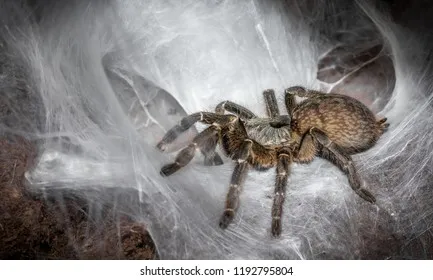
While all tarantulas possess venom, it is generally not considered highly toxic to humans. Their venom is primarily used to subdue prey, and the effects on humans are usually mild, resembling a bee sting. Symptoms may include localized pain, redness, and swelling. However, individual reactions can vary, and in rare cases, allergic reactions may occur. It is important to note that tarantulas rarely bite humans unless they feel threatened, and they usually prefer to flee or flick urticating hairs as a defense mechanism. The venom’s toxicity is often a point of concern, but in reality, the risk to humans is relatively low.
Lifespan and Growth
Tarantulas have remarkably long lifespans compared to many other invertebrates. Females can live for 20 years or more, while males typically have shorter lifespans, often dying shortly after mating. Their growth occurs through a process called molting, where they shed their exoskeleton to grow. This process is repeated several times throughout their lives, with each molt allowing them to increase in size. The molting process is a vulnerable time for tarantulas, as they are soft and defenseless until their new exoskeleton hardens. The lifespan and growth of tarantulas are influenced by various factors, including diet, environmental conditions, and genetics.
Mating and Reproduction
Mating in tarantulas is a fascinating process. Males typically initiate courtship by drumming on the ground or the female’s burrow to attract her attention. If the female is receptive, the male approaches cautiously, often using specialized hooks on his legs to secure her fangs during mating. After mating, the male often faces the risk of being eaten by the female, though he may escape if he is quick enough. The female then lays her eggs in a silk egg sac, which she guards until the spiderlings hatch. The reproductive cycle is essential for maintaining tarantula populations, showcasing the complex behaviors and strategies involved in their survival.
Behavior and Temperament

The behavior and temperament of tarantulas vary significantly between species. Some are known to be docile and relatively easy to handle, while others are more defensive and prone to biting. Their behavior is also influenced by their environment and individual personalities. Defensive behaviors include raising their front legs, hissing, or flicking urticating hairs. Despite their often intimidating appearance, tarantulas generally prefer to avoid confrontation and will retreat if given the opportunity. Understanding their behavior is crucial for responsible pet ownership and appreciating their role in the ecosystem.
Molting Process
Molting is a crucial part of a tarantula’s life cycle. As the spider grows, it sheds its exoskeleton to allow for further development. Before molting, the tarantula often becomes inactive, refusing food and preparing for the process. The old exoskeleton splits open, and the spider slowly emerges, revealing a new, soft body. During this time, the tarantula is extremely vulnerable and must find a safe place to complete the process. After molting, the new exoskeleton hardens, and the spider’s size increases. The molting process is repeated throughout their lives, providing insight into their growth.
Big Tarantula Spiders as Pets
Big tarantula spiders are popular pets for many people due to their unique appearance and interesting behaviors. However, they require specific care to ensure their health and well-being. This includes providing a suitable enclosure, maintaining the appropriate temperature and humidity levels, and feeding them a proper diet. Handling should be done with caution, as some species may be more prone to biting or flicking urticating hairs. Responsible pet ownership involves researching the specific needs of the species and being prepared to provide the necessary care for the duration of their lifespan. Keeping tarantulas as pets can be rewarding for those who are prepared to meet their needs.
Conservation Status and Threats

The conservation status of big tarantula spiders varies across different species and regions. Some species face threats such as habitat loss, deforestation, and the pet trade. Understanding these threats is crucial for conservation efforts. Many organizations and researchers are working to protect tarantula habitats and promote sustainable practices. By raising awareness about the importance of these fascinating creatures and their habitats, it is possible to contribute to their long-term survival. Conservation efforts may include habitat preservation, reducing the impact of the pet trade, and educating the public about the importance of biodiversity. By learning how to live sustainably, we can protect these creatures.
In conclusion, big tarantula spiders are amazing creatures with fascinating characteristics. Their size, varied species, habitats, diets, behaviors, and life cycles offer a glimpse into the wonders of the natural world. Understanding these arachnids and their conservation needs helps us protect biodiversity. From the size to their habitats, it is clear that they are special.