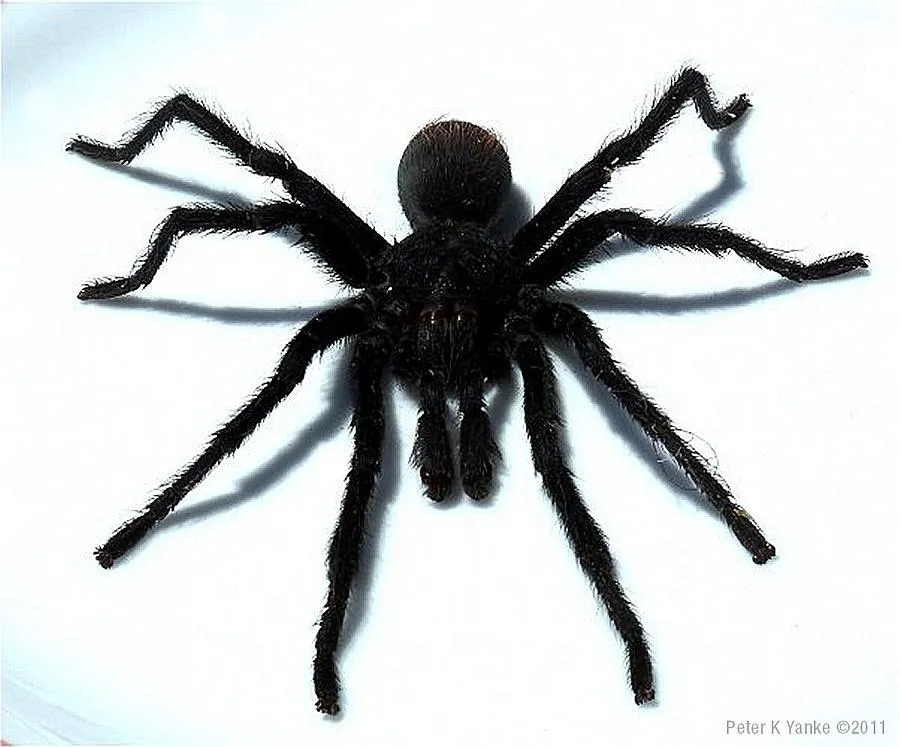
Black Spider or Tarantula? Key Differences
Encountering a large, dark, and hairy spider can be an unsettling experience, especially when unsure if it is a harmless black spider or a more imposing tarantula. Many people find it challenging to distinguish between these two types of arachnids due to their similarities in appearance, especially when observed from a distance. However, understanding the key differences in their physical characteristics, behaviors, and habitats can help one accurately identify them. This guide aims to provide a comprehensive overview of the characteristics, helping to differentiate between black spiders and tarantulas. The ability to tell them apart is crucial, as it not only satisfies curiosity but also assists in assessing the potential risks and taking appropriate precautions, especially in regions where tarantulas are common.
Size & Appearance
Size is often one of the first clues when distinguishing between a black spider and a tarantula. Tarantulas are generally much larger, with some species having a leg span that can exceed 10 inches. In comparison, most black spiders are considerably smaller, with leg spans typically ranging from 1 to 3 inches, depending on the species. Observe the overall body shape, tarantulas are more robust and bulky. Their legs are thick and strong, and their bodies appear more massive. Black spiders, on the other hand, tend to have a more slender build, with legs that are proportionally thinner, contributing to a less imposing appearance. Coloration also provides clues, while both can be black or dark, tarantulas often have additional colors or patterns, such as brown, gray, or reddish hues. Black spiders typically display a more uniform, dark coloration. Therefore, always observe the spider from a safe distance without approaching it, noting these visual details to begin the identification process.
Body Shape and Structure

The body structure offers distinct clues. Tarantulas have a body divided into two main parts cephalothorax and abdomen. The cephalothorax is often broader and more pronounced, supporting the large legs and powerful fangs. The abdomen is round and appears relatively large. Black spiders also have a cephalothorax and abdomen, but the proportions differ. The cephalothorax is usually smaller, and the abdomen can vary in shape depending on the species, sometimes appearing more elongated or oval than a tarantula’s round abdomen. Examine the legs tarantulas possess thick, hairy legs with strong claws, adapted for climbing and burrowing. Black spiders have legs that may be smoother or less hairy, and less robust, suitable for navigating their webs or the ground. Examining these structural features from a safe distance is vital to differentiating between the two, offering valuable insights into their identity.
Hair and Texture
The presence and type of hair are critical differentiators. Tarantulas are famous for their hairy bodies, with dense, urticating hairs covering their legs, body, and abdomen. These hairs serve a defensive purpose, as they can be flicked off the body when the spider feels threatened, causing irritation to potential predators or humans. Black spiders, conversely, usually have a smoother appearance with less noticeable hair. While some species have fine hairs, the overall texture is generally less dense and prominent compared to tarantulas. Note that the hair on a tarantula can vary in color and density depending on the species, adding to their unique appearance. Always maintain a safe distance, never attempting to touch or handle any spider to avoid potential contact with irritating hairs or a bite.
Habitat and Behavior
Habitat and behavior offer valuable clues. Tarantulas are often found in burrows, under rocks, or in sheltered areas where they can ambush prey. They are primarily nocturnal hunters, emerging at night to forage. Black spiders exhibit diverse habitats. Some spin webs, while others are ground dwellers, hiding in crevices or under objects. Their behavior varies widely, with some being more aggressive than others. When identifying a spider, consider the environment it is found in. Tarantulas are common in warmer regions, while black spiders have a wider distribution across various habitats. Observe the spider’s activity is it actively hunting, hiding, or constructing a web? The way it interacts with its environment provides vital clues for identification.
Venom and Danger Level

Assess the potential threat level when encountering these spiders. Tarantulas possess venom, but their bites are generally not life-threatening to humans. They are often compared to a bee sting, causing localized pain, redness, and swelling. However, allergic reactions are possible. Black spiders also have venom, and the severity of their bite varies greatly depending on the species. Some black spiders, like the widow spiders, have potent venom that can cause significant pain, muscle cramps, and other symptoms. Always seek medical attention if bitten by any spider, especially if symptoms worsen or are severe. Note that tarantulas are generally less aggressive and tend to bite only when provoked, whereas the defensive nature of black spiders varies widely.
Identifying a Black Spider
Identifying a black spider involves careful observation of its physical characteristics. Pay close attention to the size; black spiders are generally smaller than tarantulas. The body shape is typically more slender, with less robust legs. Note the color many black spiders appear solid black, though some may have subtle markings or patterns. Habitat also provides important clues; black spiders are found in diverse environments, from webs to ground habitats. Look for the presence of a web, many black spiders construct webs to capture prey, while tarantulas are ground dwellers or burrowers. If you observe it in a web, it’s likely a black spider. Use reliable resources, such as field guides or websites, to help identify the specific species based on these observations.
Common Black Spider Species
Several species of black spiders are commonly encountered. Black widow spiders are famous for their shiny black bodies and red hourglass markings on their abdomen. They are found in various regions and their bite is venomous. Another common species is the false widow spider, which looks similar to black widows but has different markings and a less potent venom. Other black spider species include various types of orb-weavers, known for their intricate webs, and ground spiders. Each species has unique characteristics, such as distinct body shapes, web structures, and behaviors. When identifying a black spider, compare its physical traits to descriptions of known species, using field guides or online resources to assist in the identification process.
Identifying a Tarantula

Identifying a tarantula requires keen observation of several features. The size is a primary indicator; tarantulas are significantly larger than most other spiders. Observe the overall body shape, which is more robust and bulky. The legs are thick and hairy, and the body is covered with dense hairs, which is a defining characteristic of tarantulas. Look for any distinctive markings or colors; while they can be solid black, they may also have patterns or other colors. The habitat also provides important clues, as tarantulas are often found in burrows or under rocks, especially in warm climates. Note the spider’s behavior, tarantulas are often nocturnal hunters. If you observe these features, you can start to determine whether the arachnid you see is a tarantula.
Tarantula Species Overview
Tarantulas belong to the Theraphosidae family, comprising numerous species with varying appearances and behaviors. Some popular species include the Mexican redknee tarantula, recognizable for its orange and black markings, and the Chilean rose tarantula, known for its brown and pink coloration. These spiders are often kept as pets due to their docile nature and unique appearance. They are native to different regions, and their habitats vary depending on the species. Their diets typically consist of insects, but larger tarantulas may also consume small vertebrates, like mice or lizards. When observing a tarantula, it is important to consider its species and its natural habitat, providing valuable insights into its identification and behavior.
How to Tell Them Apart Quickly
When encountering a spider that resembles a tarantula or a black spider, take a few moments to assess its key features. Start by observing the size; tarantulas are considerably larger. Examine the presence of hair; tarantulas have dense, hairy bodies, whereas black spiders are usually less hairy. Check its environment; is it in a web (likely a black spider) or near a burrow (possibly a tarantula)? Pay attention to the body shape; tarantulas have more robust bodies with thick legs. Finally, consider the color; while both can be black, tarantulas might have additional colors or patterns. By quickly assessing these traits size, hair, habitat, body shape, and color you can usually make a preliminary determination about which type of arachnid you are observing.