What Makes Blue Tarantulas So Unique
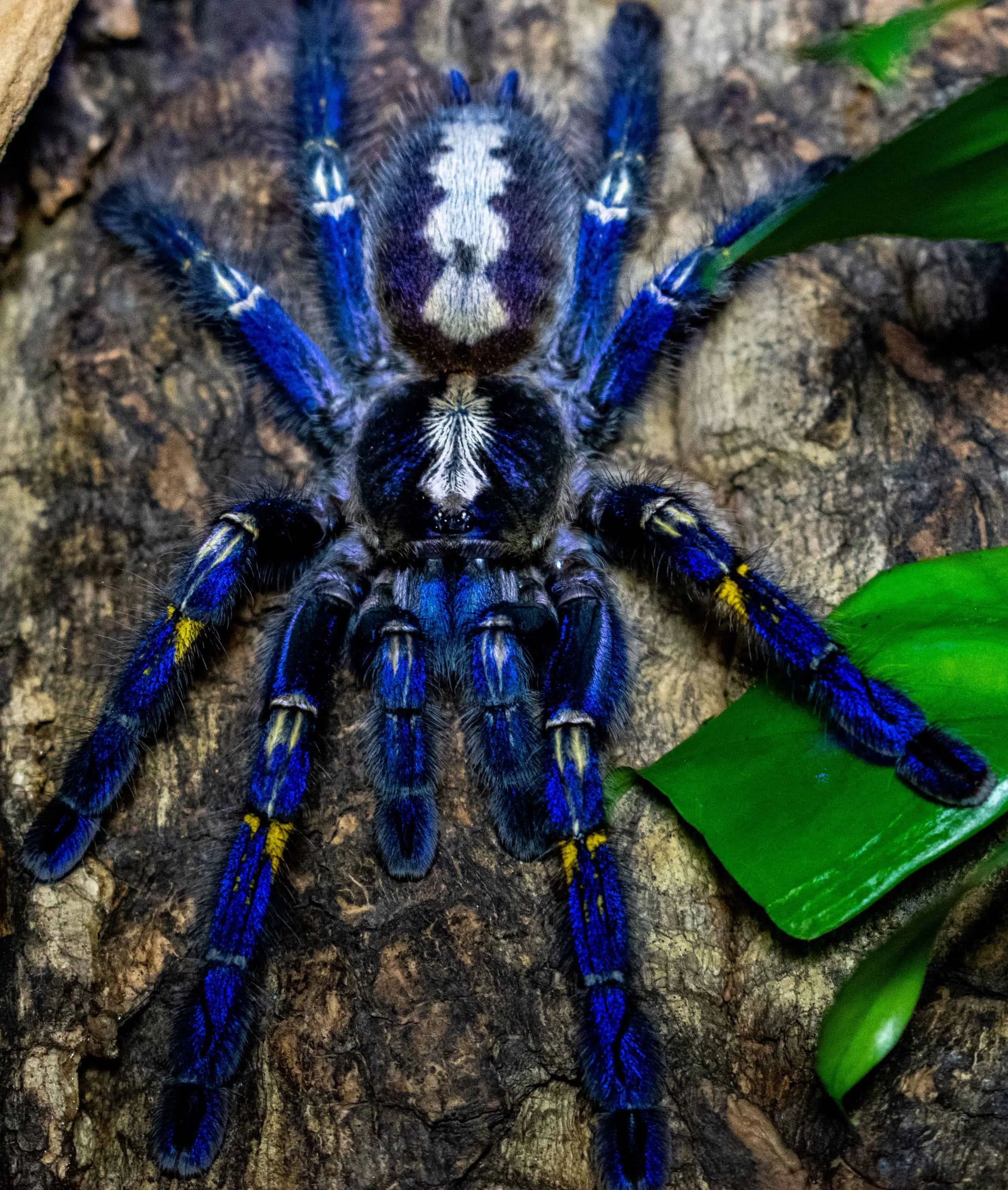
The world of tarantulas is filled with fascinating creatures, but the blue tarantula stands out for its striking coloration and captivating appearance. Capturing stunning blue tarantula pictures requires a deep understanding of these spiders and the techniques needed to showcase their beauty. These spiders are not just visually appealing; they possess unique characteristics that set them apart from other tarantula species. Their rarity and the challenge in photographing them add to their mystique, making every successful shot a true achievement. Discovering the secrets to photographing these stunning creatures begins with appreciating what makes them so special.
The Allure of the Blue Coloration
The vibrant blue hues of these tarantulas are not just a random occurrence, they are a result of specialized structures within their exoskeletons. The intensity of the blue can vary depending on the species, the individual tarantula, and the lighting conditions. This coloration serves purposes beyond aesthetics, potentially playing a role in camouflage, mate attraction, or even thermoregulation. The various shades of blue, from electric to subtle, make them a favorite subject for photographers around the world, and understanding the science behind their color is key to photographing them effectively.
Iridescence Explained

Many blue tarantulas display iridescence, a phenomenon where the color appears to shift and change depending on the angle of the light. This is due to the microscopic structure of their setae, or hairs, which scatter light in different ways. Capturing this iridescence requires careful consideration of the light source and the angle from which the photograph is taken. The ability to document this dynamic aspect of blue tarantulas is one of the most rewarding challenges for a photographer, producing images that are truly unique and breathtaking. This feature is not visible in all images and requires specific conditions to be captured properly.
The Best Camera Settings
Mastering the technical aspects of photography is essential for capturing high-quality blue tarantula pictures. Selecting the right camera settings, from aperture to ISO, can significantly affect the final outcome of your images. Understanding how these settings interact will enable you to control the depth of field, manage the light, and ensure that your photos are sharp and well-exposed. Taking time to experiment with your camera and practice using manual settings will drastically improve your skills, allowing you to freeze moments in time and capture these spiders in all their glory. Make sure you know your camera before photographing any animal.
Choosing the Right Lens
The choice of lens plays a critical role in blue tarantula photography, influencing everything from the magnification to the depth of field. Macro lenses are essential for capturing the intricate details of these spiders, allowing you to focus closely and reveal their unique textures. Longer focal lengths can help you achieve a shallow depth of field, isolating the subject and blurring the background. The selection of the ideal lens depends on the specific shot you aim to achieve, the distance to the tarantula, and the lighting conditions available. Knowing the different properties of each lens will let you take great pictures of these amazing animals.
Focus and Depth of Field

Achieving sharp focus is paramount in tarantula photography. Manual focusing is often preferred over autofocus, as it gives you greater control over the depth of field. A shallow depth of field can be used to isolate the tarantula from its background, drawing the viewer’s eye to the subject. Conversely, a wider depth of field can be used to capture both the tarantula and its environment, providing context and depth to your image. The key is to experiment with different aperture settings to find the right balance between sharpness and background blur.
The Significance of Lighting
Lighting is the most crucial element in photography and has an immense impact on blue tarantula pictures. The way light interacts with the tarantula’s exoskeleton determines how its colors are perceived. Understanding and manipulating light can reveal the intricate details, textures, and iridescence of the spider. The proper use of light can make your pictures go from average to amazing, improving the overall quality and visual appeal. Knowing how to handle different light scenarios will greatly enhance your photos.
Natural Light vs Artificial Light
Natural light provides a soft, diffused glow that often works well for capturing the true colors of the blue tarantula. However, it can be unpredictable. Artificial lighting, such as flashes or continuous lights, offers greater control. When using artificial light, consider the direction, intensity, and quality of the light. Diffusers can soften harsh light, while reflectors can bounce light back onto the subject, filling in shadows and creating more detail. Carefully consider what type of light will produce the best picture.
Using Reflectors and Diffusers

Reflectors and diffusers are invaluable tools for shaping and softening light. Reflectors can be used to bounce light back onto the tarantula, reducing shadows and highlighting details. Diffusers soften the light, creating a more even and flattering illumination. Using these tools helps to eliminate harsh shadows and highlight the tarantula’s unique colors and textures. Experimenting with different reflector and diffuser positions will help you to achieve your desired effects and create images with stunning visual impact.
Composition Techniques
Effective composition is essential for creating visually compelling blue tarantula pictures. A well-composed photograph draws the viewer’s eye and tells a story. Understanding and applying basic composition principles will help you to transform your photographs from snapshots into works of art. Focusing on the overall balance, the use of lines, and the way the subject interacts with the environment will greatly enhance your images.
Rule of Thirds and Framing
The rule of thirds is a fundamental composition guideline that divides the frame into nine equal parts. Placing the tarantula at the intersection of these lines creates a more balanced and engaging image. Framing involves using elements within the scene, such as leaves or branches, to enclose the subject, drawing the viewer’s attention. Experimenting with different framing techniques will give you various results, providing you with a wide range of image types.
Capturing Movement and Action

Capturing the dynamic nature of blue tarantulas, whether they’re moving, feeding, or interacting with their environment, can add a sense of excitement to your photographs. Fast shutter speeds are crucial for freezing motion and preventing blur. Anticipating the spider’s movements and being ready to capture the moment requires patience and a keen eye. Using burst mode allows you to capture multiple frames in quick succession, increasing your chances of getting that perfect shot. These can provide truly special images that tell a story.
Post-Processing and Editing Tips
Post-processing is an essential step in refining your blue tarantula pictures and enhancing their visual impact. Adjusting color, contrast, and sharpness can bring out the best in your photographs. However, it’s important to use these techniques tastefully to maintain the natural beauty of the subject. These adjustments can make or break a picture, making it vital to know the editing software.
Adjusting Color and Contrast
Adjusting the color and contrast is a delicate balance, to maintain the true hues of the blue tarantula while enhancing the overall visual appeal. Minor adjustments can improve the vibrancy of the blue, making it pop without oversaturating the image. Careful management of contrast can reveal details in both the highlights and shadows, adding depth and dimension. It’s important to use the appropriate amount of contrast, or else the image will look artificial.
Enhancing Details and Sharpness

Enhancing the details and sharpness of your images can highlight the intricate textures and fine hairs of the blue tarantula. Use sharpening tools judiciously to avoid creating unwanted artifacts or a grainy appearance. Selective sharpening, applied only to specific areas of the image, can be a great way to further improve the clarity and definition. Enhancing the details adds a professional finish to your photos, making them more appealing and impactful.
Where to Find Blue Tarantulas
Blue tarantulas are native to specific regions, and finding them in their natural habitat requires research, patience, and respect for the environment. Knowing the specific locations where these spiders can be found is the first step in planning a photography expedition. However, it is vital to prioritize the safety of the tarantulas and their environment.
Habitat and Environment
Blue tarantulas typically inhabit tropical and subtropical environments. Their preferred habitats often include burrows in the ground, under rocks, or within vegetation. The climate conditions, including temperature and humidity, play a crucial role in their survival and activity. Understanding the natural habitat of these spiders is essential for successful photography and allows you to capture images that reflect their environment. Respecting the environment is also a must.
Ethical Considerations for Photography

Ethical considerations are paramount when photographing blue tarantulas. It is essential to avoid disturbing the spiders or their habitat. Maintaining a safe distance, minimizing your impact on the environment, and avoiding the use of flash photography can help to protect the tarantulas. Prioritize their safety and well-being throughout your photography session. Remember, the goal is to capture beautiful images while respecting these amazing creatures and their home.