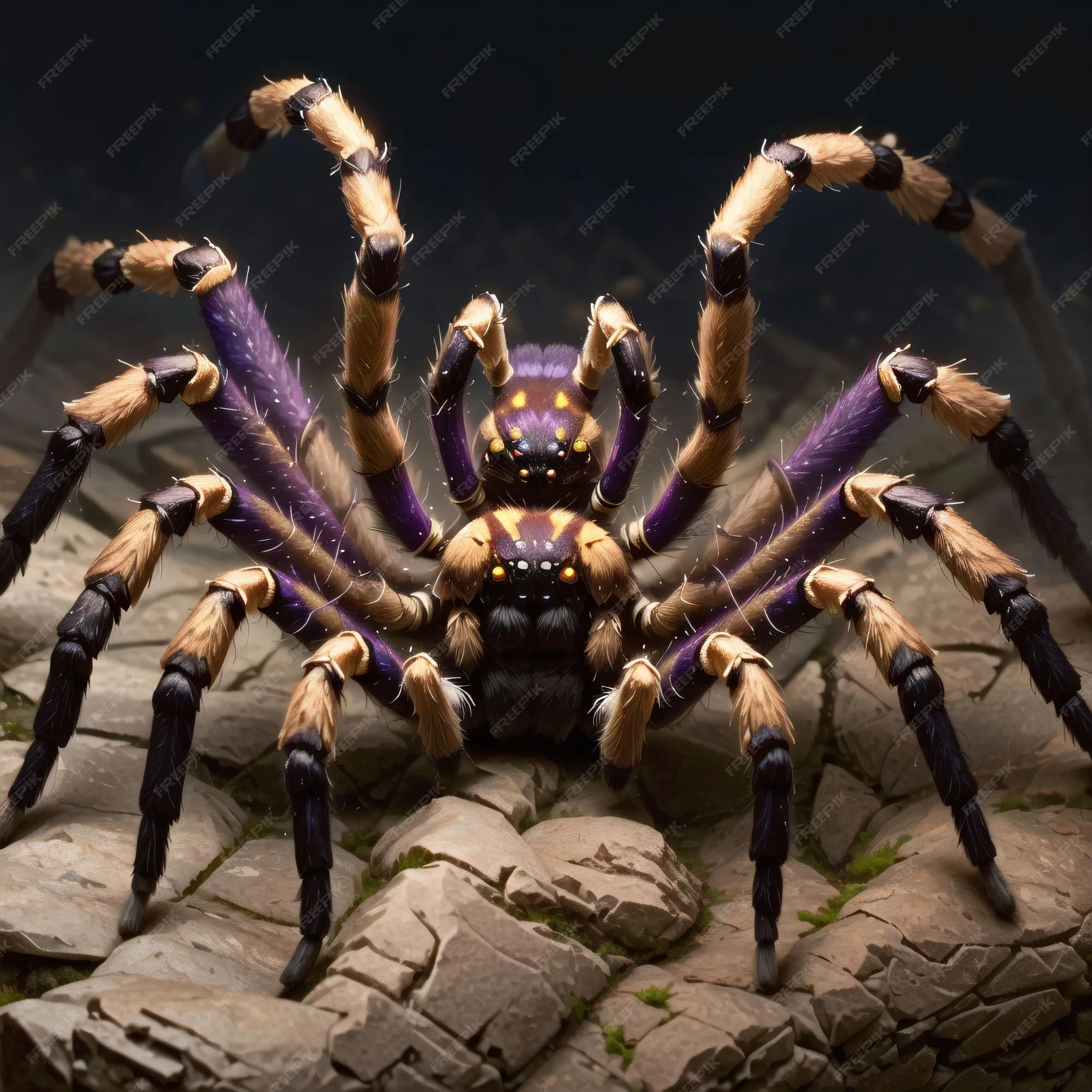
Identifying the Blue Yellow Tarantula
The Blue Yellow Tarantula, a captivating arachnid, is a popular choice among tarantula enthusiasts due to its striking coloration and relatively docile nature. This guide will help you correctly identify the Blue Yellow Tarantula and provide essential care information. Accurate identification is the first step in providing proper care for your pet, ensuring its health, and preventing potential misidentification with other species. Proper identification will also allow you to understand the tarantula’s specific needs, such as its habitat requirements, dietary preferences, and temperament. Understanding these aspects is crucial for creating a suitable environment and providing optimal care, contributing to the longevity and well-being of your Blue Yellow Tarantula.
Key Features of the Blue Yellow Tarantula
The Blue Yellow Tarantula is easily recognizable due to its vibrant colors. This section will cover the physical characteristics, including coloration, markings, and size, that will help you distinguish it from other tarantula species. Recognizing these traits is key to ensuring you have the correct species and can proceed with appropriate care protocols. The unique features of the Blue Yellow Tarantula make it a favorite among both novice and experienced keepers. The combination of blue and yellow hues, along with other distinctive characteristics, sets it apart and makes it a fascinating subject of study and admiration.
Coloration and Markings

The most striking feature of the Blue Yellow Tarantula is, of course, its color. This tarantula displays a stunning combination of colors, typically featuring a blue carapace (the upper shell of the cephalothorax) and yellow or gold legs and abdomen. The intensity of the blue and yellow can vary depending on the individual tarantula and its age. Some individuals may exhibit more vibrant hues than others. Additionally, you might observe subtle markings or patterns on the abdomen and legs, adding to the uniqueness of each tarantula. These markings are often specific to the species and can assist in proper identification.
Size and Physical Characteristics
The Blue Yellow Tarantula is a medium-sized tarantula. Mature females can typically reach a leg span of around 5 to 6 inches, while males are often slightly smaller. Body length is typically about half the leg span. Other physical characteristics to note include the presence of urticating hairs on the abdomen, which the tarantula can flick off as a defense mechanism. It’s also important to observe the tarantula’s fangs and pedipalps (mouthparts) for a complete understanding of its physical features. The size and physical attributes are essential elements in understanding the tarantula’s needs, especially when creating a comfortable habitat.
Habitat and Natural Environment
Understanding the natural habitat of the Blue Yellow Tarantula is essential to providing it with appropriate care. Replicating its natural environment in captivity ensures the tarantula feels secure and thrives. Knowing where these tarantulas originate and the conditions they’re adapted to helps you create the perfect home for your pet. This includes elements like temperature, humidity, substrate, and the presence of hiding places. By providing an environment that mimics their natural habitat, you can help your Blue Yellow Tarantula live a long and healthy life.
Where They Live

Blue Yellow Tarantulas are typically found in the tropical rainforests and humid environments. They are native to regions where the climate is consistently warm and humid, providing ideal living conditions. These tarantulas often inhabit burrows in the ground or hide under rocks and vegetation. They thrive in areas where they can find shelter from the sun and predators. Their natural environment is characterized by high humidity levels, which is crucial for their survival. Creating a similar environment within their enclosure is essential for their well-being in captivity.
Typical Behaviors
Understanding the typical behaviors of the Blue Yellow Tarantula can help you better care for them. These tarantulas are generally considered to be docile, which makes them suitable for pet owners. However, they can still exhibit defensive behaviors when threatened. Some Blue Yellow Tarantulas are more prone to hiding, especially when they are new to their environment. They might also flick their urticating hairs if they feel threatened. Observational studies show that they are most active during the evening and night. Familiarizing yourself with their behavior is crucial for safe handling and for the overall well-being of the tarantula.
Caring for Your Blue Yellow Tarantula
Caring for a Blue Yellow Tarantula requires careful attention to its habitat, diet, and overall well-being. A suitable enclosure, appropriate temperature and humidity levels, and a well-balanced diet are essential for the health and happiness of your tarantula. This section provides practical guidelines for providing the best possible care for your pet, ensuring it thrives in your home. Properly setting up and maintaining a habitat that mimics their natural environment is paramount. The Blue Yellow Tarantula thrives on a diet of insects, which can be easily provided, and regular monitoring is key.
Creating the Ideal Habitat

Creating the ideal habitat is vital for the health and happiness of your Blue Yellow Tarantula. The enclosure should provide a secure and comfortable environment that meets the tarantula’s needs. You must consider size, substrate, and decoration to make the enclosure suitable. Appropriate temperature and humidity levels are also crucial. Setting up the habitat correctly ensures that your tarantula can thrive. Creating a good habitat reduces stress and allows your tarantula to showcase its natural behaviors. Consider the tarantula’s specific requirements and preferences when designing and setting up their enclosure.
Enclosure Size and Setup
Choose an enclosure size that is appropriate for your tarantula’s size and species. A good rule of thumb is to provide an enclosure that is at least twice the tarantula’s leg span in width and length. The height of the enclosure should be enough to allow the tarantula to move around comfortably without falling from excessive heights. A secure lid is essential to prevent escapes. Adequate ventilation is also crucial to prevent mold growth. When setting up the enclosure, consider the tarantula’s natural behaviors. Provide a hide or burrow for the tarantula to retreat to, as well as a shallow water dish for hydration.
Substrate and Decorations
The substrate is an important component of the enclosure. It absorbs moisture, helps maintain humidity levels, and provides a surface for the tarantula to walk on and burrow in. Suitable substrate options include a mixture of peat moss, coconut fiber, and vermiculite. Avoid using sand, as it can be harmful if ingested. Decorations should mimic the tarantula’s natural habitat. Add cork bark, artificial plants, and other decorations to provide hiding places and visual interest. Make sure the decorations are non-toxic and safe for your tarantula. Regular cleaning and maintenance of the substrate are crucial for keeping the enclosure hygienic and healthy for your pet.
Temperature and Humidity

Maintaining the correct temperature and humidity levels is critical for the Blue Yellow Tarantula’s health. The ideal temperature range is between 75 and 85 degrees Fahrenheit (24 to 29 degrees Celsius). Use a thermometer to monitor the temperature inside the enclosure. Humidity levels should be maintained between 60 and 70 percent. You can use a hygrometer to measure the humidity. You can increase humidity by misting the enclosure with water or by adding a shallow water dish. Avoid exposing your tarantula to extreme temperature fluctuations, as this can be stressful and harmful. Regular monitoring and adjustments are key to maintaining the ideal conditions.
Feeding Your Tarantula
Providing a proper diet is crucial for the health and growth of your Blue Yellow Tarantula. This section will cover what to feed your tarantula, the frequency of feeding, and the techniques for ensuring your pet gets the nutrition it needs. Ensure that you’re giving your tarantula a balanced diet and the necessary nutrients it requires for its overall health and well-being. The appropriate diet will also influence its growth rate and the vibrancy of its colors. It’s important to note that, as tarantulas grow, their dietary requirements change, so it’s important to modify their feeding habits to meet their needs at various stages of their life.
What to Feed Your Blue Yellow Tarantula
The Blue Yellow Tarantula is an insectivore. Their diet should primarily consist of live insects. Suitable food items include crickets, mealworms, roaches, and other commercially available feeder insects. Ensure that the insects are appropriately sized for your tarantula; the prey should be no larger than the tarantula’s body. Variety in the diet can help provide a balanced intake of nutrients. You can also supplement the diet with occasional treats like pre-killed insects or small pieces of fruit. Avoid feeding your tarantula insects that have been exposed to pesticides or other harmful chemicals. Provide fresh, clean water in a shallow dish at all times.
Feeding Frequency and Techniques

The feeding frequency for your Blue Yellow Tarantula depends on its age, size, and growth rate. Young tarantulas typically need to be fed more frequently, possibly every other day. Adults can usually be fed once or twice a week. Observe your tarantula’s behavior; a tarantula that is always hungry will eat more often. Remove any uneaten insects within 24 hours to prevent stress and potential injury to the tarantula. You can use tongs to offer food to your tarantula or simply release the insects into the enclosure. Always make sure the insects are properly gut-loaded to ensure they are nutritious.
Handling and Safety
Handling a Blue Yellow Tarantula should be done with caution, as these creatures are delicate, and their bites can be painful. This section will cover the safe handling practices and recognizing signs of stress, as well as measures to avoid bites and injuries. Understanding the behaviors and potential risks is paramount. It’s essential to respect the tarantula and its space, as this will help you minimize any potential risks associated with handling your pet. Proper handling techniques and precautions will contribute to a safer environment for both you and your Blue Yellow Tarantula.
Safe Handling Practices
If you choose to handle your Blue Yellow Tarantula, do so with extreme care. Always approach the tarantula slowly and calmly. Avoid sudden movements that could startle it. The best practice is to allow the tarantula to walk onto your hand rather than attempting to pick it up. When handling, keep the tarantula close to the ground or a soft surface. This will reduce the risk of injury if it falls. Wash your hands before and after handling your tarantula. Avoid handling your tarantula if you have any open cuts or wounds on your hands. Be patient and gentle. Remember that handling should be kept to a minimum, as it can be stressful for the tarantula.
Recognizing Signs of Stress

It’s important to recognize the signs of stress in your Blue Yellow Tarantula to ensure its well-being. These signs include defensive postures like rearing up, raising its front legs, or flicking urticating hairs. Other signs of stress include a reluctance to eat, hiding excessively, and changes in behavior. If your tarantula displays any of these signs, avoid handling it and provide it with a quiet, stress-free environment. The tarantula may also try to escape its enclosure when stressed. Create a calm environment, maintain appropriate temperatures and humidity levels, and avoid loud noises or sudden movements near the enclosure.
Common Health Issues
Like all pets, Blue Yellow Tarantulas can be susceptible to certain health issues. This section will discuss the common parasites and diseases that can affect these tarantulas and provide measures to prevent these health problems. Recognizing potential health issues early on can help you provide prompt treatment, ensuring your tarantula lives a long and healthy life. Preventative care is essential. Monitoring your tarantula for signs of illness and taking appropriate action is critical for its welfare. Routine health checks, maintaining proper hygiene, and creating a stress-free environment are vital aspects of pet ownership.
Parasites and Diseases
Blue Yellow Tarantulas can be affected by parasites such as mites. These tiny creatures can infest the tarantula, causing irritation and health problems. Signs of a mite infestation include small, moving dots on the tarantula’s body, especially around the joints. To prevent mites, maintain good hygiene in the enclosure, use clean substrate, and quarantine new tarantulas before introducing them to an existing collection. Fungal infections can also affect tarantulas, especially in humid environments. Signs include discoloration of the exoskeleton or a change in behavior. Contact a vet specializing in exotic pets for treatment. Proper ventilation and appropriate humidity levels can help prevent fungal infections.
Preventative Measures

Implementing preventative measures is essential to maintain your Blue Yellow Tarantula’s health. Regularly inspect your tarantula for any signs of illness, such as changes in behavior, loss of appetite, or unusual markings. Maintain a clean and hygienic enclosure by removing uneaten food and fecal matter regularly. Provide a balanced diet with nutritious insects, and ensure a constant supply of fresh water. Quarantine any new tarantulas for at least a month before introducing them to your existing collection to prevent the spread of disease or parasites. Consult with a veterinarian who specializes in exotic animals if you suspect your tarantula is sick or shows any unusual behavior.