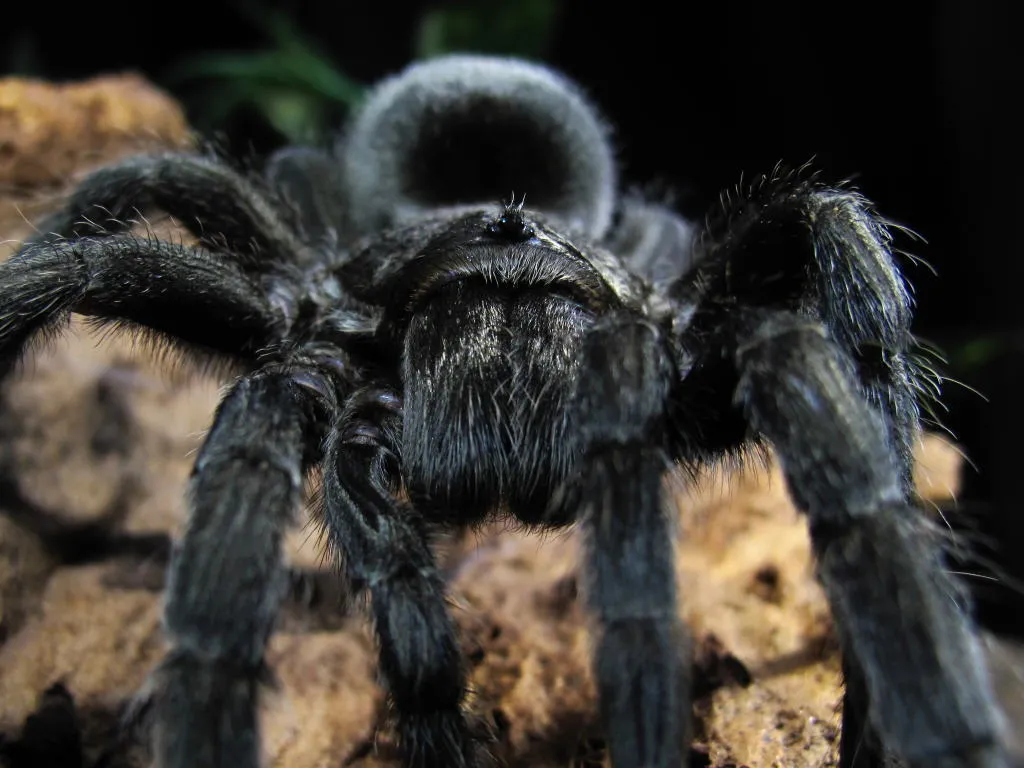
Brazilian Black Tarantula Overview
The Brazilian Black Tarantula (Grammostola pulchra) is a captivating terrestrial species, sought after by both novice and experienced arachnid enthusiasts. Known for its docile temperament and stunning dark coloration, this tarantula presents a rewarding pet ownership experience. This comprehensive guide provides a detailed look at Brazilian Black Tarantula care, ensuring you have the knowledge needed to provide a thriving environment for your pet tarantula. From habitat setup to feeding and health, we’ll cover everything you need to know to care for your Brazilian Black Tarantula.
Appearance and Characteristics
The Brazilian Black Tarantula is aptly named, boasting a velvety black appearance that makes it a striking addition to any collection. This species is relatively large, with females reaching up to 7-8 inches in leg span, while males are typically slightly smaller. They have a robust build and are covered in fine hairs that provide both protection and sensory input. The overall dark coloration, often with a subtle sheen, makes them a favorite among tarantula keepers. Their calm demeanor and impressive size contribute to their popularity as pets, appealing to those who appreciate a low-maintenance yet fascinating creature. The Brazilian Black Tarantula’s appearance is a testament to its elegance and ease of care.
Lifespan and Growth

Understanding the lifespan and growth of your Brazilian Black Tarantula is crucial for providing appropriate care. Females of this species can live for an impressive 20 to 30 years, while males typically have a shorter lifespan, usually around 5 to 10 years, especially after reaching maturity. Growth is a gradual process, occurring through molting, where the tarantula sheds its exoskeleton. The frequency of molting decreases as the tarantula matures. Adequate nutrition and a stable environment are essential to support healthy growth and longevity. Knowing what to expect in terms of lifespan helps you plan for the long-term care and commitment required for these remarkable creatures.
Choosing Your Brazilian Black Tarantula
Where to Buy
Acquiring a Brazilian Black Tarantula often starts with finding a reputable source. Specialist reptile and invertebrate stores are generally the best places to buy, offering a wide selection and knowledgeable staff who can provide guidance. Online breeders and vendors also offer a convenient way to purchase, but it is essential to research their reputation and read reviews before making a purchase. Local reptile shows are another excellent option, providing an opportunity to meet breeders and see the tarantulas in person. Always ensure the vendor can provide information on the tarantula’s origin and health.
Things to Consider Before Buying

Before bringing a Brazilian Black Tarantula home, careful consideration is paramount. First, assess your commitment, as these tarantulas can live for many years, requiring consistent care. Research the specific needs of the species, including habitat, feeding, and temperature requirements. Ensure you have the space and resources to provide a suitable enclosure. Consider the potential for allergies, and always supervise children when handling or interacting with the tarantula. Furthermore, ensure that keeping tarantulas is legal in your area. Finally, be prepared to handle the initial costs of the setup and the ongoing expenses of food and maintenance.
Setting Up Your Brazilian Black Tarantula’s Habitat
Enclosure Size and Type
Choosing the right enclosure is essential for the well-being of your Brazilian Black Tarantula. A secure, appropriately sized enclosure allows for ease of care. For juveniles, a small enclosure (such as a 10-gallon tank) is suitable, while adults need larger accommodations (20-gallon or more is often recommended). Glass or clear plastic terrariums are ideal as they allow for easy viewing and maintain humidity levels. Ensure the enclosure has a secure lid to prevent escapes. Adequate ventilation is also necessary to prevent mold growth and promote airflow, which is crucial for the health of the tarantula. The size of the enclosure must also take the fully-grown size into consideration. Never underestimate the need to size the enclosure correctly.
Substrate and Decor
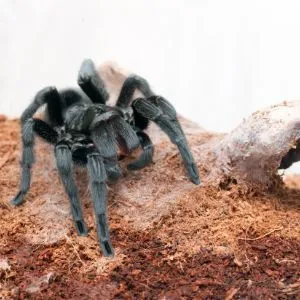
The substrate and decor within the enclosure play a vital role in replicating the tarantula’s natural environment and ensuring its safety and comfort. A substrate of approximately 4-6 inches of substrate is suitable. The substrate should be able to retain moisture to maintain humidity. Cork bark, artificial plants, and sturdy hides provide hiding places, which are essential for reducing stress and promoting a sense of security. The arrangement of decor should allow for easy movement and provide opportunities for the tarantula to explore its habitat. All decorations should be non-toxic and securely placed to prevent accidental injury.
Temperature and Humidity
Maintaining the correct temperature and humidity levels within the enclosure is vital for your Brazilian Black Tarantula’s health. The ideal temperature range is between 75-85°F (24-29°C). Use a heat mat or a ceramic heat emitter to provide a consistent source of warmth, but always ensure the heating source is regulated to prevent overheating. Humidity levels should be maintained between 65-75%. Regular misting with dechlorinated water helps to achieve the right humidity, especially during molting. A hygrometer will help to monitor humidity and allow you to make necessary adjustments to your setup. Consistent monitoring of temperature and humidity helps to create an environment that closely resembles the tarantula’s natural habitat.
Feeding Your Brazilian Black Tarantula
What to Feed
The diet of a Brazilian Black Tarantula primarily consists of live insects. Suitable food items include crickets, roaches, mealworms, and appropriately sized grasshoppers. The size of the prey should be roughly the same size as the tarantula’s abdomen. Always ensure that the feeder insects are gut-loaded (fed nutritious food) before offering them to your tarantula. Avoid feeding insects that have been exposed to pesticides or other chemicals. The nutritional content of the food has a direct effect on the health and growth of the tarantula, so feeding a varied and nutritious diet is essential for overall health.
Feeding Frequency and Amounts
Feeding frequency depends on the age and size of your Brazilian Black Tarantula. Spiderlings and juveniles should be fed 2-3 times per week, while adults can be fed once or twice a week. Remove any uneaten prey within 24 hours to prevent stress or potential harm to the tarantula. Adjust the feeding amounts based on the tarantula’s appetite and body condition; an obese tarantula is just as unhealthy as an underweight one. Water should always be available in a shallow water dish; always provide fresh, clean water. By adjusting the feeding schedule and amounts as needed, you are contributing to a healthy and growing tarantula.
Watering and Hydration
Hydration is essential to a tarantula’s survival. Provide fresh, clean water in a shallow dish at all times. The water dish should be easily accessible and shallow enough to prevent the tarantula from drowning. Mist the enclosure regularly, especially during molting, to maintain humidity levels. Avoid using tap water; always use dechlorinated water or bottled water. This helps prevent the introduction of harmful chemicals. Regularly clean and refill the water dish to prevent the growth of bacteria and algae. Proper hydration is fundamental to your Brazilian Black Tarantula’s well-being.
Handling and Safety Precautions

Safe Handling Techniques
Handling Brazilian Black Tarantulas should be done with care and consideration. These tarantulas are generally docile, but sudden movements or perceived threats can provoke a defensive response. If you must handle your tarantula, do so gently and slowly, encouraging it to walk onto your hand. Always handle them close to the ground or a soft surface to minimize the risk of injury if the tarantula falls. Wash your hands thoroughly before and after handling to remove any potential contaminants. It’s advisable to avoid handling your tarantula unless necessary, as it can be stressful for them.
Understanding Tarantula Behavior
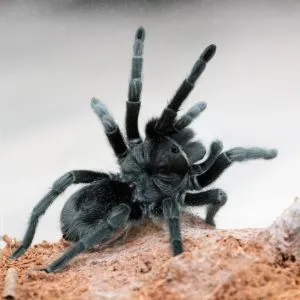
Understanding tarantula behavior is critical for safe and responsible ownership. Observe your tarantula’s behavior regularly. Learn to recognize signs of stress, such as erratic movements, defensive postures, or refusal to eat. Avoid sudden movements or loud noises, which can startle the tarantula. Knowing their normal behaviors will help you identify potential health issues early on. By observing your tarantula’s behavior, you can create a less stressful environment, and you are in a better position to provide optimal care. This also enhances the overall experience of owning and caring for your Brazilian Black Tarantula.
Common Health Issues and Care

Moulting Process
Molting is a natural process for tarantulas where they shed their exoskeleton to grow. During this process, the tarantula becomes vulnerable. The frequency of molting decreases as the tarantula matures. Before molting, the tarantula may lose its appetite, become less active, and may lie on its back. Provide a safe and humid environment during molting. Avoid disturbing the tarantula. It may take several hours for the tarantula to complete the molting process. Once the new exoskeleton hardens, the tarantula’s appetite will return. Do not feed your tarantula until its fangs have hardened after a molt.
Recognizing and Treating Illnesses
While Brazilian Black Tarantulas are generally hardy, health problems can arise. Look for signs of illness such as lethargy, loss of appetite, unusual posture, or fluid leakage. Common issues include mites, fungal infections, and injuries. If you suspect an illness, isolate the tarantula in a clean environment and consult with a veterinarian experienced with invertebrates. Proper habitat conditions and hygiene are essential for preventing illness. Early detection and prompt treatment are critical for the tarantula’s recovery. Always prioritize preventative care to keep your tarantula healthy.
Breeding Brazilian Black Tarantulas
Sexing Your Tarantula
Sexing a Brazilian Black Tarantula is essential for breeding. You can determine the sex by examining the tarantula’s underside. Mature males have tibial hooks on their front legs, which are used to secure the female’s fangs during mating. Males also have a pair of palpal bulbs at the end of their pedipalps, which look like small boxing gloves. Females do not have these features. The most reliable method for sexing is to examine the exuvia (molted exoskeleton) of the tarantula under high magnification to identify the presence of spermathecae. Accurate sexing is fundamental for successful breeding. It helps to ensure that a male and female are paired and that breeding efforts are not in vain.
Mating and Egg Sac Management
Breeding Brazilian Black Tarantulas requires careful planning and attention. Introduce the male tarantula into the female’s enclosure, ensuring the female is receptive. After mating, separate the male from the female to prevent cannibalism. The female will lay eggs in an egg sac. Maintain a stable environment for the egg sac, with appropriate temperature and humidity. The female will usually guard the egg sac until the spiderlings hatch. Remove the egg sac if the female is not caring for it. Raise the spiderlings in a separate enclosure with appropriate food and environment. Successful breeding involves meticulous care and knowledge of the tarantula’s life cycle.
Conclusion
Caring for a Brazilian Black Tarantula can be a very rewarding experience, offering a unique insight into the fascinating world of arachnids. Following the guidelines outlined in this care guide will help ensure your tarantula lives a long, healthy, and fulfilling life. By providing the correct habitat, feeding appropriately, and observing their behavior, you can create an environment where your tarantula can thrive. Always continue to learn and adapt your care practices as needed. Enjoy the journey of owning these incredible creatures, and remember that your dedication to their well-being will be rewarded with years of fascination and enjoyment.