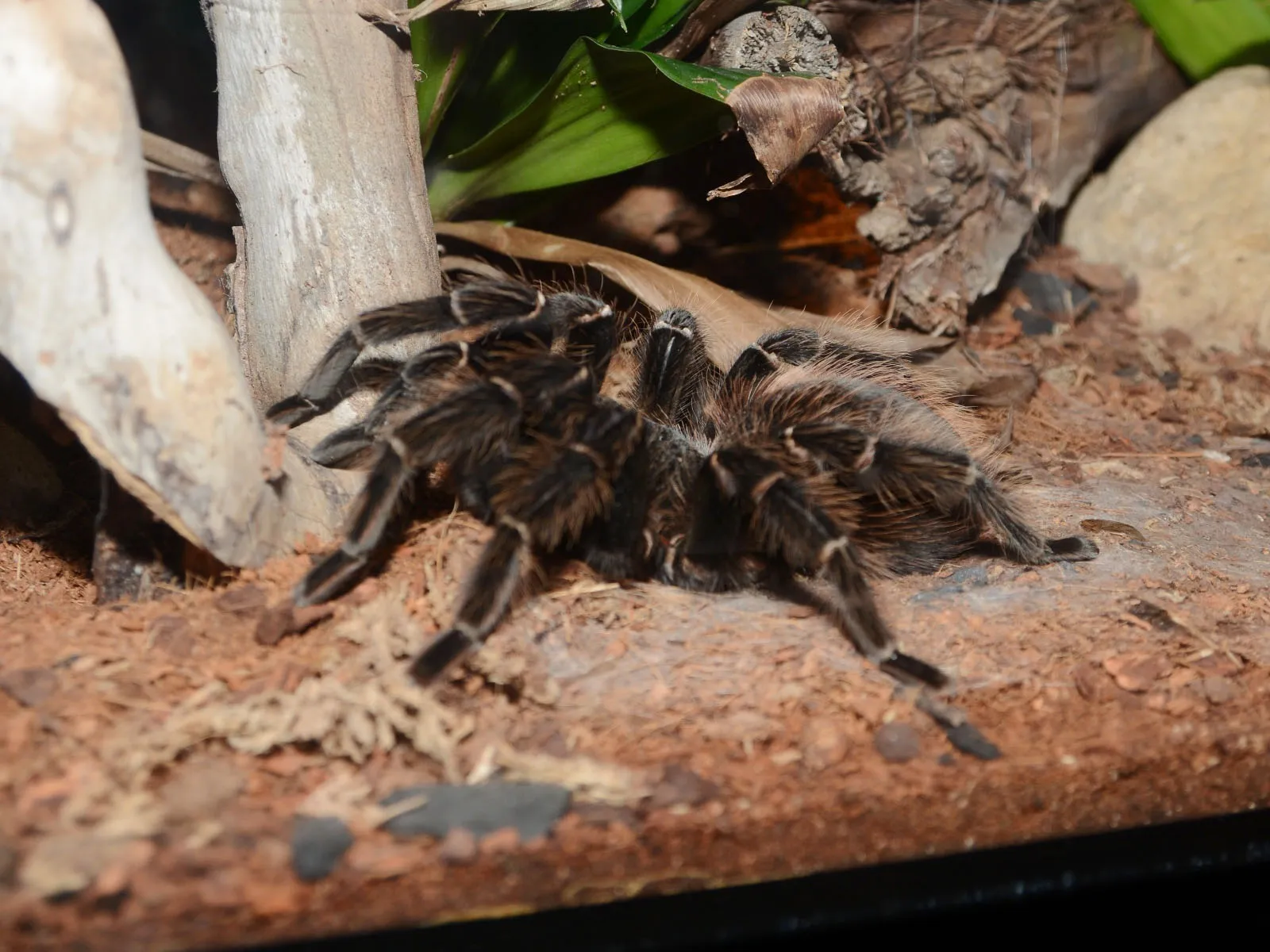
Brazilian Salmon Tarantula: Habitat Secrets
The Brazilian Salmon Tarantula (Lasiodora parahybana) is a captivating species that has gained popularity among tarantula enthusiasts. One of the most crucial aspects of successfully keeping these impressive arachnids is providing them with a suitable habitat. Creating the perfect environment is not just about aesthetics; it’s about replicating their natural rainforest layer habitat and ensuring their health, well-being, and longevity. This comprehensive guide will delve into the secrets of creating and maintaining an optimal habitat for your Brazilian Salmon Tarantula, covering everything from enclosure selection to substrate choices, temperature, humidity, and overall maintenance.
Choosing the Right Habitat for Your Brazilian Salmon Tarantula
Selecting the correct enclosure is the first step towards creating a thriving habitat for your Brazilian Salmon Tarantula. The size and type of enclosure are critical factors. The enclosure should be spacious enough to allow for movement and exploration while providing a sense of security. A general rule of thumb is to provide an enclosure that is at least three times the tarantula’s leg span in width and length. For a full-grown adult, a 20-gallon long or larger terrarium is often recommended. The enclosure should be made of clear material, such as glass or acrylic, to allow for easy viewing and monitoring of your pet. Ventilation is also essential, so ensure the enclosure has appropriate airflow to prevent the buildup of humidity and the growth of mold or bacteria.
Understanding the Brazilian Salmon Tarantula’s Natural Environment

To truly understand the habitat requirements of a Brazilian Salmon Tarantula, it’s essential to consider its natural environment. In the wild, these tarantulas are native to the rainforests of Brazil, where they typically live in burrows or under logs and leaf litter on the forest floor. The rainforest environment is characterized by high humidity, moderate temperatures, and a substrate composed of rich organic matter. This knowledge informs every aspect of habitat design, from substrate selection to the maintenance of temperature and humidity levels. Replicating the key features of their natural environment will contribute significantly to the well-being of your tarantula, allowing it to thrive and exhibit its natural behaviors.
Replicating the Rainforest Layer for Your Tarantula
The rainforest environment is characterized by distinct layers, from the forest floor to the canopy. When creating a habitat for your Brazilian Salmon Tarantula, it’s important to recreate these layers to provide a sense of security and environmental enrichment. The substrate forms the foundation of the habitat, mimicking the forest floor, while the addition of decorations such as cork bark, driftwood, and artificial plants allows the tarantula to create its own microenvironment. The arrangement of these elements should take into account the tarantula’s natural burrowing behavior, allowing it to create a safe retreat. This layering approach contributes to a more natural and stimulating environment for your pet.
Essential Elements of a Brazilian Salmon Tarantula Habitat
Several essential elements contribute to a healthy and thriving habitat. These include an appropriate substrate, a reliable heating and ventilation system, and a supply of fresh, clean water. The substrate should be deep enough for burrowing, and the enclosure must maintain the correct temperature and humidity levels to prevent health issues like molting problems. Providing water in a shallow dish is also critical for hydration, and the tarantula’s enclosure must be consistently maintained to avoid the buildup of waste and the proliferation of harmful microorganisms. Regular monitoring of these elements will help ensure a healthy and balanced environment for your tarantula.
Substrate Selection: The Foundation of Your Tarantula’s Home

The substrate, or bedding material, is a critical component of the Brazilian Salmon Tarantula’s habitat. It serves multiple purposes, including providing a comfortable surface for the tarantula to move on, aiding in humidity regulation, and allowing the tarantula to burrow and create a sense of security. The best substrate for these tarantulas is a mix of materials that mimic the rainforest floor. A suitable mix often includes a blend of coconut fiber (coco coir), peat moss, and a small amount of vermiculite or sphagnum moss to help retain moisture. The substrate should be deep enough (at least 4-6 inches) to allow for burrowing, and it should be replaced or spot-cleaned regularly to maintain hygiene.
The Importance of Humidity and Temperature
Maintaining the correct temperature and humidity levels is critical for the health and well-being of your Brazilian Salmon Tarantula. These tarantulas thrive in a warm and humid environment, similar to their native rainforest habitat. The ideal temperature range is between 75-85°F (24-29°C), which can be achieved using a heat mat or a low-wattage ceramic heat emitter placed on the side of the enclosure. Humidity levels should be maintained between 70-80%, which can be achieved by misting the enclosure with water regularly. Use a hygrometer to monitor the humidity levels. Poor humidity levels can lead to molting problems, dehydration, and other health issues, so it’s essential to monitor and adjust the conditions as needed.
Creating a Thriving Rainforest Ecosystem
Beyond the essential elements, creating a thriving rainforest ecosystem involves adding elements that provide enrichment and a naturalistic environment for your tarantula. This could include live or artificial plants, such as ferns and other tropical plants. These plants not only add aesthetic appeal but also help to maintain humidity levels and provide hiding places for the tarantula. Decorating the enclosure with cork bark, driftwood, and other natural elements will create a more complex and engaging environment, encouraging natural behaviors such as burrowing and exploring. Always ensure any decorations are safe and non-toxic, and that they do not have sharp edges that could potentially harm your tarantula.
Providing Adequate Ventilation

Adequate ventilation is often overlooked but is crucial for maintaining a healthy habitat and preventing the buildup of harmful mold and bacteria. Proper ventilation allows for the exchange of fresh air, which helps to control humidity levels and prevent the formation of stagnant air pockets. Most terrariums have ventilation slits or mesh tops, but it’s important to ensure that these are not blocked or obstructed. The air circulation should be sufficient to prevent excessive moisture buildup, which can lead to respiratory issues in the tarantula. If your enclosure lacks proper ventilation, consider adding additional vents or slightly adjusting the lid to increase airflow. However, it’s also crucial to keep the enclosure humid, so strike a balance between adequate airflow and retaining enough moisture.
Decorating Your Tarantula’s Habitat
Decorating your Brazilian Salmon Tarantula’s habitat is an enjoyable part of creating a stimulating environment. Incorporate elements that mimic the natural rainforest environment. Use cork bark, driftwood, and artificial or live plants to create hiding places and add visual interest. Ensure that any decorations are securely placed and do not pose a threat to your tarantula. Avoid using anything that could be toxic or have sharp edges. Always choose decorations that are safe and appropriate for your pet’s size. Properly decorated enclosures allow your tarantula to express its natural behaviors. It can also help them feel more secure, which can contribute to their overall well-being.
Choosing the Right Enclosure Size
Choosing the right enclosure size is essential for your Brazilian Salmon Tarantula’s comfort and well-being. As a general guideline, the enclosure should be at least three times the tarantula’s leg span in width and length. Juvenile tarantulas can start in smaller enclosures, but they will need to be upgraded as they grow. An adult Brazilian Salmon Tarantula will thrive in a terrarium that is at least 20 gallons long or larger. The enclosure should be spacious enough to allow for movement and the creation of a comfortable burrow. The size of the enclosure also impacts the temperature and humidity control within the habitat, making it crucial to select an enclosure that suits your tarantula’s stage of life and provides a safe and healthy environment.
Maintaining and Cleaning Your Brazilian Salmon Tarantula’s Habitat

Maintaining a clean habitat is critical for the health and well-being of your Brazilian Salmon Tarantula. Regular cleaning helps to prevent the buildup of waste, mold, and bacteria, which can lead to various health issues. Spot-cleaning the enclosure should be done regularly, removing any uneaten food, molted exoskeletons, and visible waste. A complete substrate change and deep cleaning of the enclosure should be performed every few months, depending on the size of the enclosure and the tarantula’s age. Always use a reptile-safe disinfectant to clean the enclosure and decorations and rinse them thoroughly before returning them to the habitat. Maintaining a cleaning schedule will greatly enhance the life quality of your pet.
Regular Cleaning Schedule
Establishing a regular cleaning schedule is essential for maintaining a healthy habitat. Spot-cleaning the enclosure at least once or twice a week is recommended. This includes removing any uneaten food, molted exoskeletons, and any visible waste. A complete substrate change and deep cleaning of the enclosure should be performed every 3-6 months, depending on the size of the enclosure and the tarantula’s age. During a deep cleaning, remove all decorations and the substrate, and clean the enclosure and decorations with a reptile-safe disinfectant. Allow everything to dry completely before reassembling the habitat. Regular cleaning prevents the buildup of harmful bacteria, and will ensure your tarantula has a clean and healthy environment.
Identifying and Addressing Potential Habitat Issues
It’s important to regularly monitor your Brazilian Salmon Tarantula’s habitat for any potential issues. Look out for signs of mold or mildew, which can indicate excessive humidity or poor ventilation. Monitor the temperature and humidity levels using a thermometer and hygrometer, and adjust the environment as needed. Observe your tarantula’s behavior for signs of stress or discomfort, such as loss of appetite, lethargy, or unusual movements. If you notice any issues, such as mold growth or extreme temperature fluctuations, take immediate action to rectify the problem. Early intervention can prevent potential health problems and ensure the long-term health of your tarantula. By being proactive and attentive to your tarantula’s needs, you can provide a safe and comfortable home.