Top 5 Tips for Buying a Cuban Bronze Tarantula
The Cuban Bronze Tarantula, a captivating species with its beautiful coloration and relatively docile temperament, has become increasingly popular among arachnid enthusiasts. However, acquiring one requires careful consideration. This guide provides the top 5 tips to ensure you make an informed decision and bring home a healthy, thriving Cuban Bronze Tarantula. From understanding their needs to finding a reputable seller, each tip is crucial in setting you and your new pet up for success. Proper research and preparation are vital for a rewarding experience. With these tips, you can confidently navigate the process of buying your own Cuban Bronze Tarantula.
Researching Cuban Bronze Tarantulas
Before you even begin your search for a Cuban Bronze Tarantula for sale, it’s essential to conduct thorough research. This includes understanding their specific needs, such as their habitat requirements, dietary preferences, and typical behavior. Learning about the species will help you determine if this tarantula is the right pet for you and what you need to provide to keep it happy and healthy. This preliminary research will not only give you the knowledge you need to care for your tarantula, but it will also help you assess potential sellers and identify any red flags.
Understanding Cuban Bronze Tarantula Characteristics

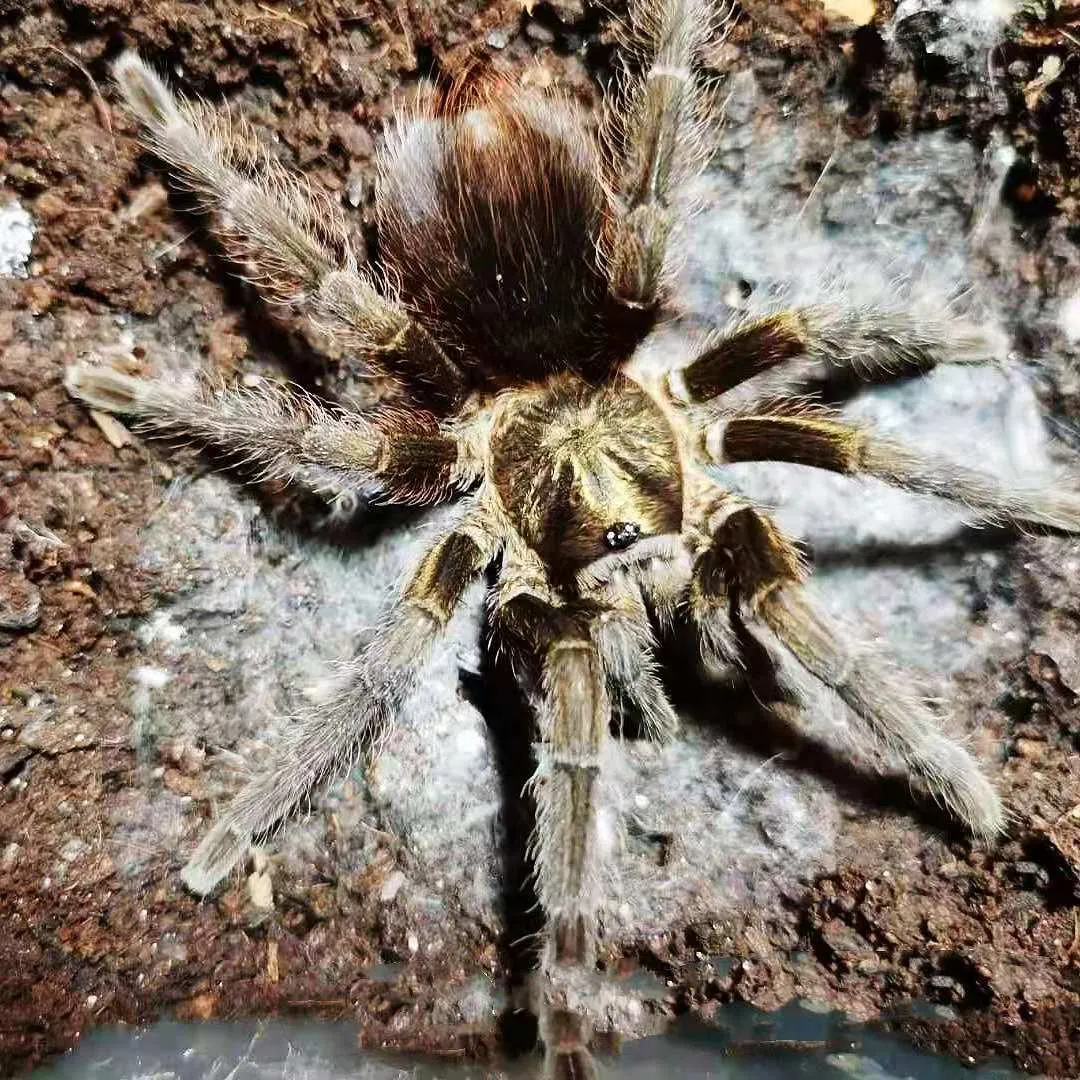
Cuban Bronze Tarantulas (scientific name: Phormictopus cubensis) are known for their striking appearance, featuring a bronze carapace and legs. They are terrestrial tarantulas, meaning they primarily live on the ground. They can grow to a decent size, with females typically larger than males. Understanding these characteristics is crucial for providing the correct environment and care. Knowing their size and growth rate will influence the size of the enclosure you will need to purchase.
These tarantulas have a temperament that is generally considered to be docile, but handling should be minimized, as with any tarantula. Their lifespan is another important factor, as females can live for many years. Males have a shorter lifespan. This information will affect your long-term commitment to the pet. Also, consider the time you can dedicate to this pet before buying a Cuban Bronze Tarantula.
Health and Appearance
When evaluating a Cuban Bronze Tarantula for sale, the appearance is a good indicator of its health. A healthy tarantula should have a plump abdomen (not shriveled), full legs, and vibrant coloration. Avoid any tarantula with a dull appearance, missing legs, or signs of injury. Look for clear eyes and an active demeanor. A healthy tarantula will respond to stimuli and show signs of movement. It’s also important to look for any signs of parasites or mites, as these can be detrimental to the tarantula’s health.
Finding a Reputable Seller
The seller you choose is a critical factor in the success of your tarantula ownership. Reputable sellers prioritize the health and well-being of their tarantulas and are knowledgeable about the species. They will be able to provide you with accurate information and answer any questions you have. A good seller will also be willing to offer advice on care and setup and may even provide a guarantee of health for a certain period after the sale.
Online Sellers vs. Local Breeders

You have two primary options when sourcing a Cuban Bronze Tarantula: online sellers and local breeders. Online sellers often offer a wider selection and may have competitive pricing. However, it’s essential to research the seller thoroughly, looking for reviews and ensuring they have a good reputation for shipping live animals safely. Local breeders may offer the advantage of allowing you to see the tarantula in person before you buy it. They may also be more accessible for advice and support after the purchase. Consider the pros and cons of each option to find the best fit for your needs.
Checking Seller Reviews and Reputation
Before purchasing, always check the seller’s reviews and reputation. Look for feedback from other customers on websites, forums, and social media. Positive reviews should mention the health of the tarantulas, the seller’s responsiveness, and the quality of their shipping practices. Be wary of sellers with many negative reviews or complaints about the condition of their animals. A reliable seller will be transparent, honest, and easy to contact. The best sellers will prioritize the well-being of the tarantulas, not just making a sale.
Assessing the Tarantula’s Health
Once you have narrowed down your list of potential sellers, the next step is to assess the health of the tarantula. This involves a close examination of the tarantula itself and asking the right questions about its history. Be prepared to ask about the tarantula’s feeding habits, molting history, and any known health issues. A reputable seller will be forthcoming with this information and will be happy to provide it.
Examine the Tarantula’s Appearance

As previously mentioned, the appearance of the tarantula is a vital indicator of its health. Look for a plump abdomen, which suggests the tarantula is well-fed and hydrated. Check the legs for any damage or deformities. Examine the fangs and chelicerae for any signs of injury or damage. The tarantula should have a vibrant color typical of its species. A dull appearance or missing limbs could indicate a health problem. If you’re buying a tarantula in person, observe its movements. It should be active and responsive.
Look for Signs of Activity and Feeding
Observe the tarantula’s behavior. A healthy tarantula will be active and alert. If possible, ask the seller to show you the tarantula feeding. Look for its willingness to accept food. A tarantula that is not eating could be a sign of a problem. Ask the seller about the tarantula’s feeding schedule and the type of food they provide. This information is crucial for understanding the tarantula’s dietary needs. All this can help you make an informed decision about whether or not to purchase the tarantula.
Setting Up a Suitable Habitat
Providing a proper habitat is crucial for the health and well-being of your Cuban Bronze Tarantula. This involves selecting the correct enclosure, substrate, and decor. A well-designed habitat replicates the tarantula’s natural environment and allows it to thrive. The enclosure should provide enough space for the tarantula to move around and exhibit natural behaviors. It also needs to maintain the appropriate temperature and humidity levels.
Choosing the Right Enclosure

The enclosure should be appropriately sized for your tarantula’s current and anticipated size. Juvenile tarantulas can start in smaller enclosures, but they will need to be upgraded as they grow. A good enclosure should be made of transparent material such as glass or acrylic. It should have a secure lid to prevent escape. Proper ventilation is essential, so make sure the enclosure has air holes. The enclosure’s dimensions should be at least twice the tarantula’s leg span in length and width, and the height should be sufficient to allow for burrowing and climbing if the species needs it.
Substrate and Decor
The substrate is the material that lines the bottom of the enclosure and provides a comfortable environment for the tarantula. Good substrate choices include coconut fiber, peat moss, and a mixture of the two. The substrate should be deep enough for the tarantula to burrow. Decor such as cork bark, artificial plants, and hides can also be added to provide enrichment and security for your tarantula. Avoid sharp objects or items that could harm your tarantula. The decor should mimic the tarantula’s natural environment as closely as possible to make it feel more comfortable.
Understanding the Cost
Before buying a Cuban Bronze Tarantula, it’s important to understand the costs involved. These costs extend beyond the initial purchase price and include ongoing expenses. Being prepared financially will help you provide the best possible care for your new pet and avoid unexpected expenses. Considering the full cost of ownership will prevent potential future issues.
Initial Purchase Price

The initial purchase price of a Cuban Bronze Tarantula can vary depending on the size, age, and origin of the tarantula, as well as the seller. Research the average prices to ensure you are paying a fair price. Prices will vary based on where you get the tarantula from. Sometimes the price will depend on the size and sex of the tarantula, with females generally being more expensive due to their longer lifespans and potential for breeding. The price may be a deciding factor as you seek to acquire your tarantula.
Ongoing Costs of Care
Owning a Cuban Bronze Tarantula involves ongoing costs that should be considered. These include the cost of food (crickets, mealworms, etc.), substrate, and any necessary heating or lighting equipment. You will also need to factor in the cost of replacing supplies as needed. Regular maintenance, such as cleaning the enclosure and replacing the substrate, will also have costs. It is best to consider these things to determine if you can maintain the costs associated with this pet.
Feeding and Maintenance
Feeding your Cuban Bronze Tarantula regularly is a must. The amount and frequency will depend on the tarantula’s age and size. Juvenile tarantulas typically require more frequent feedings than adults. The cost of food will vary depending on the type of food you choose and where you purchase it. Maintenance tasks, such as cleaning the enclosure and replacing the substrate, will also be necessary to keep your tarantula healthy and the environment clean. You will need to have the resources to maintain a suitable environment.
Essential Safety Precautions
While Cuban Bronze Tarantulas are not considered highly venomous, it’s essential to take safety precautions when handling them. These precautions protect you and the tarantula. Understanding the risks involved and following safety guidelines ensures a safe and enjoyable experience of tarantula ownership. The best way to prevent any danger is always to be cautious and informed.
Handling Your Tarantula Safely
Handling a Cuban Bronze Tarantula is not always necessary and should be minimized. If you need to handle it, do so with care and respect. Never handle a tarantula if you are not fully confident. Always handle the tarantula over a soft surface, such as a bed or carpet, in case it falls. Use a cup or container to gently coax the tarantula into a safe space for handling. Avoid sudden movements and loud noises, as these can startle the tarantula and potentially lead to a bite.
Avoiding Bites and Drops
Tarantula bites are rare but can be painful. Most tarantulas will bite only when provoked or feel threatened. To avoid bites, avoid sudden movements and do not try to handle the tarantula if it seems stressed or agitated. Always supervise children around tarantulas. If a bite occurs, wash the area with soap and water and monitor for any allergic reactions. If you are handling the tarantula, remember to keep it close to the ground or the soft surface. This decreases the distance it would fall if it drops.
Quarantine and Observation
When you first bring your Cuban Bronze Tarantula home, it’s a good idea to quarantine it in a separate enclosure for a few weeks. This allows you to observe the tarantula for any signs of illness or parasites before introducing it to your other pets or household. During the quarantine period, closely monitor the tarantula’s behavior, appetite, and overall health. Provide the appropriate care and make sure that the environmental conditions are correct. This step helps prevent the spread of potential diseases and allows you to address any issues promptly.
Buying a Cuban Bronze Tarantula can be a rewarding experience. By following these top 5 tips, you can increase your chances of bringing home a healthy and happy tarantula. Remember to always do your research, choose a reputable seller, and provide the proper care. With a little preparation and dedication, you can enjoy the unique experience of owning this fascinating species.