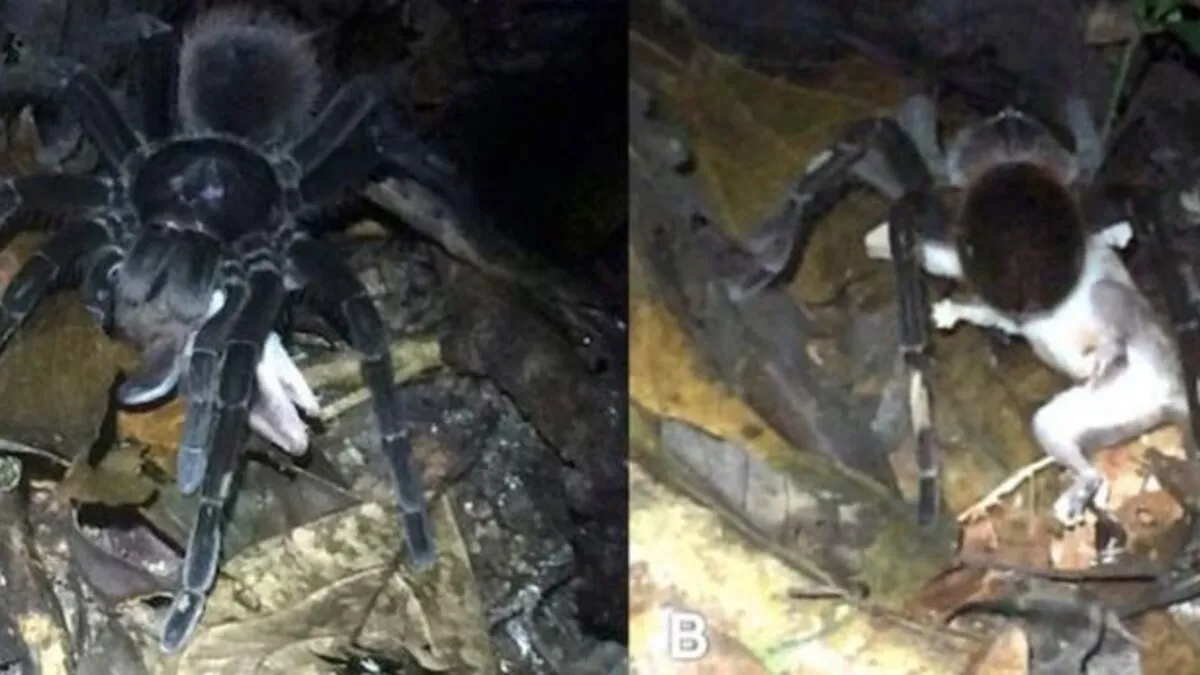
The Myth of Tarantula Consumption
The idea of a tarantula consuming a human is a chilling thought, often fueled by horror movies and exaggerated tales. However, the reality is far less dramatic. While tarantulas are formidable predators, their physical capabilities and dietary needs make it highly improbable, if not impossible, for them to view humans as prey. This article delves into the shocking facts, separating myth from reality, and exploring the true nature of these fascinating arachnids and their interactions with humans. We will examine their size, hunting strategies, venom, and dietary preferences, ultimately revealing why the scenario of a tarantula eating a human is firmly rooted in the realm of fiction.
Tarantula Size and Capabilities
Tarantulas are among the largest spiders in the world, with some species boasting impressive leg spans. However, even the largest tarantulas, while appearing intimidating, are not equipped to handle a human-sized meal. Their size, though significant within the arachnid world, is a crucial limiting factor. The biggest tarantulas may reach a leg span of up to 12 inches, but their body mass is relatively small compared to a human. This disparity in size immediately eliminates the possibility of a tarantula being able to overpower, much less consume, a human. Their physical structure is designed for capturing and subduing smaller prey, not something as large and complex as a human.
The Role of Fangs and Venom

Tarantulas use fangs to inject venom into their prey, which helps paralyze and pre-digest the meal. Their fangs, while sharp and capable of delivering a painful bite, are not designed for tearing through human flesh in a way that would facilitate consumption. The venom itself is not lethal to humans in most cases; it causes localized pain, swelling, and muscle cramps, akin to a bee sting. Furthermore, the venom’s primary function is to incapacitate insects and small animals, not to break down the complex biological structure of a human body. The entire system – fangs, venom, and digestive capabilities – is tailored to a specific range of prey, which excludes humans due to our size and composition.
Tarantula Diet Unveiled
Tarantulas are primarily insectivores, with their diet consisting mainly of insects, such as crickets, cockroaches, and mealworms. Larger tarantulas may also consume small vertebrates like lizards, frogs, and even small birds or rodents, but these are still significantly smaller than humans. Their digestive systems are adapted for breaking down the exoskeletons and soft tissues of their typical prey. The mechanics of feeding involve injecting digestive enzymes onto the prey and then sucking up the liquefied nutrients, a process entirely unsuited for a human-sized meal.
What Do Tarantulas Eat in the Wild?
In their natural habitats, tarantulas are opportunistic hunters. Their diet varies depending on the environment and available prey. Insects are a staple, along with other invertebrates such as millipedes and centipedes. They may also prey on small vertebrates, but the size of the animal always remains within a specific range, suitable for the tarantula’s hunting and digestive capabilities. The size of the prey is proportional to the size of the tarantula, meaning even the largest tarantula would not consider a human as a viable food source.
What Do Tarantulas Eat in Captivity?

In captivity, tarantulas are typically fed a diet that mimics their natural one. This usually involves crickets, mealworms, and roaches, all readily available commercially. The size of the food is carefully managed to match the tarantula’s size and nutritional needs. Supplementation with small vertebrates is less common and is usually reserved for larger species. The controlled environment ensures they receive adequate nutrition without the potential for exposure to disease or other environmental hazards, demonstrating the specific dietary needs which exclude human flesh.
The Human Body A Nutritional Infeasibility
Even if a tarantula could somehow bite a human, the human body presents a host of nutritional challenges that are beyond a tarantula’s capabilities. Human flesh is incredibly complex, with bone, muscle, and a large amount of fat. A tarantula’s digestive system is designed for simpler prey, and it lacks the enzymes necessary to effectively break down the complex tissues of a human. Furthermore, the amount of energy required to even attempt to consume a human would likely exceed any nutritional gain, making the endeavor energetically unsustainable. Therefore, the composition of the human body inherently renders it an unsuitable food source.
Human Size and Tarantula Limitations
The sheer size difference between a tarantula and a human is the most obvious barrier. Even the largest tarantulas lack the physical strength and the necessary equipment (such as powerful jaws or specialized digestive systems) to consume even a small portion of a human. Their hunting strategies rely on stealth, ambush, and the injection of venom. These methods are effective against small, vulnerable prey, but completely inadequate against the size and resilience of a human. The effort required would be excessive, making a human an impractical target.
The Mechanics of a Tarantula Bite

A tarantula bite involves the spider using its fangs to pierce the skin and inject venom. The fangs are relatively short and designed to grasp and inject venom into the prey. They are not suited for tearing or ripping. The venom’s primary function is to immobilize the prey, not to start a process of breaking down the body. The pain from a bite can be significant, but the tarantula’s physical limitations and the nature of its venom make it impossible for it to consume a human in the way imagined in fiction.
Health Risks of a Tarantula Bite
While it is highly unlikely that a tarantula would eat a human, a bite can still pose certain health risks. The primary concern is the venom, which can cause localized pain, swelling, redness, and muscle cramps. Allergic reactions are possible, which can range from mild skin irritations to more serious symptoms like difficulty breathing. Though fatalities are extremely rare, anyone bitten by a tarantula, especially if they experience severe symptoms, should seek medical attention to ensure proper care and prevent complications. The venom, although not designed to be lethal to humans, can cause discomfort and potential allergic reactions that require medical treatment.
Allergic Reactions to Tarantula Bites
Allergic reactions to tarantula bites can vary. Some individuals may experience only mild symptoms, while others may develop more severe reactions, including difficulty breathing, swelling of the face or throat, and hives. It is important to seek immediate medical attention if any signs of a severe allergic reaction are present. Antihistamines and other treatments may be necessary to manage the symptoms and prevent further complications. Allergic responses underscore the potential for adverse health impacts, even if the bite itself is not inherently life-threatening.
How to Respond to a Tarantula Bite

If bitten by a tarantula, the immediate steps should include cleaning the wound with soap and water. Apply a cold compress to reduce swelling and relieve pain. Over-the-counter pain relievers can help manage the discomfort. It’s crucial to monitor the bite site for any signs of infection or allergic reaction. If symptoms worsen or there are any signs of a systemic reaction, seek medical attention promptly. Providing accurate information about the tarantula species (if known) can assist in diagnosis and treatment.
Tarantulas and Human Encounters
Encounters between humans and tarantulas are more common than most people realize, particularly in regions where tarantulas are native. Most interactions involve accidental contact, such as a tarantula being found in a home or garden. These encounters, while often startling, rarely result in serious harm. Understanding tarantula behavior and adopting safe practices are key to minimizing the risk of negative interactions.
Tarantula Behavior and Predatory Instincts
Tarantulas are ambush predators; they typically wait for prey to come close before striking. They are not aggressive creatures, but they will defend themselves if they feel threatened. Their primary hunting strategy involves detecting movement and vibration, and they primarily rely on their venom to subdue their prey. They are not actively seeking out humans as prey. Their instincts are geared toward smaller creatures, which are easier to manage. Their behaviour is usually predictable, and knowledge of their habits is important when coexisting with tarantulas in their habitat.
Defense Mechanisms of Tarantulas

Tarantulas have several defense mechanisms to protect themselves from predators. These include the ability to flick urticating hairs, which cause skin irritation and can be extremely uncomfortable for humans. They also possess the capacity to bite, though this is usually a last resort. Their primary defense is usually to flee. Tarantulas are generally defensive rather than offensive, so these defense mechanisms are primarily for protecting themselves from perceived threats. The use of these mechanisms is meant to deter threats rather than to initiate a predatory attack.
The Reality of Tarantula Attacks
The idea of a tarantula attacking and eating a human is largely a product of fiction. In reality, tarantulas pose a limited threat to humans. Bites can be painful and sometimes cause allergic reactions, but they are rarely life-threatening. They are not aggressive and will typically try to avoid contact. The tarantula’s physical limitations, dietary preferences, and defensive behavior make the scenario of a tarantula consuming a human an impossibility. Therefore, while a bite can occur, the fear of being eaten by a tarantula is a misconception.