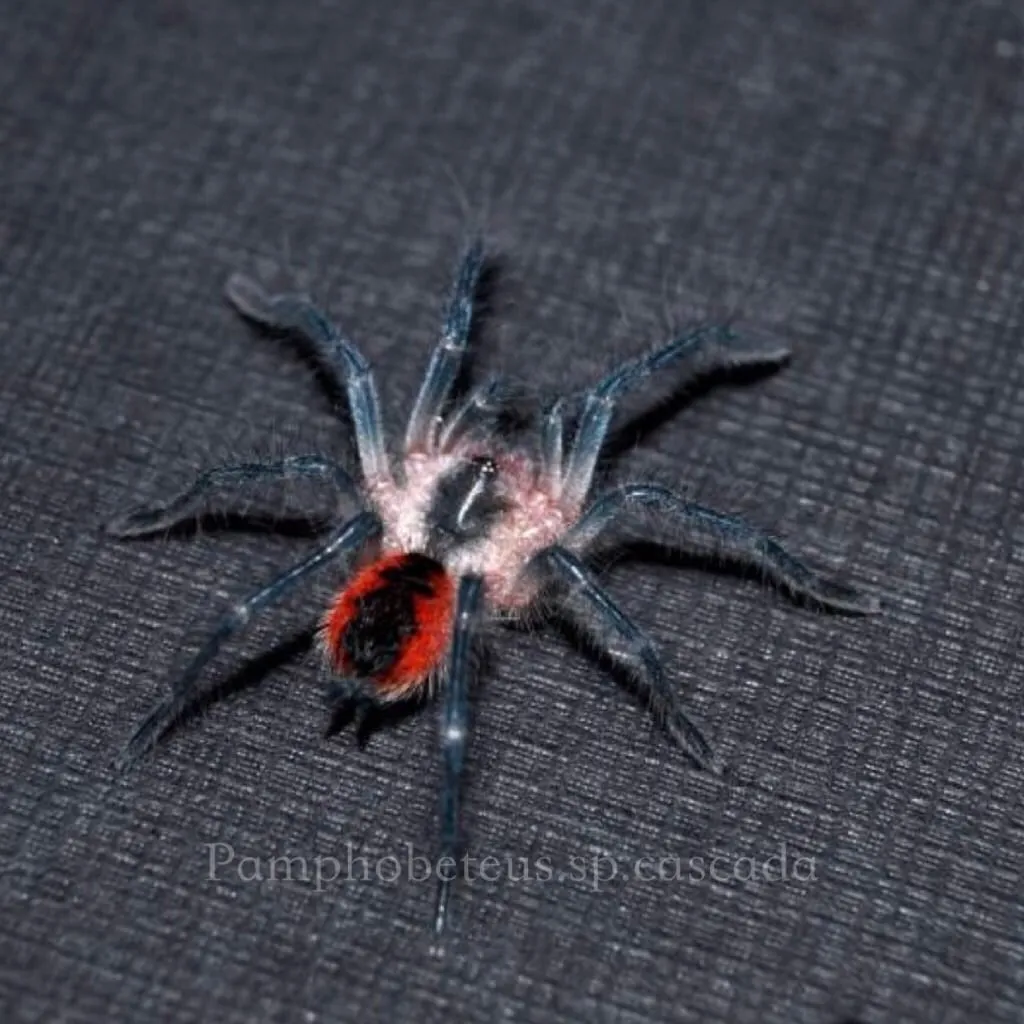
Cascada Birdeater Tarantula Overview
The Cascada Birdeater tarantula, scientifically known as Xenesthis intermedia, is a captivating species within the tarantula family, famed for its impressive size and striking coloration. Native to the tropical rainforests of Colombia, these arachnids have become increasingly popular among tarantula enthusiasts. This guide offers a comprehensive overview, providing essential information for both novice and experienced keepers. From understanding their physical characteristics and habitat needs to addressing their dietary requirements and health concerns, we’ll delve into every facet of caring for these fascinating creatures. Understanding the specific requirements of the Cascada Birdeater is crucial for ensuring its well-being and longevity in captivity.
Physical Characteristics
The Cascada Birdeater tarantula is immediately recognizable due to its size and vibrant appearance. Their bodies are covered in a dense coat of urticating hairs, used as a defense mechanism against predators. These hairs can cause significant irritation if they come into contact with skin or eyes. They possess large chelicerae, the mouthparts that inject venom, and powerful legs that enable them to move with surprising speed. Their overall appearance is a testament to their place at the top of the food chain in their natural habitat. The following sections will describe their specific traits in more detail.
Size and Appearance

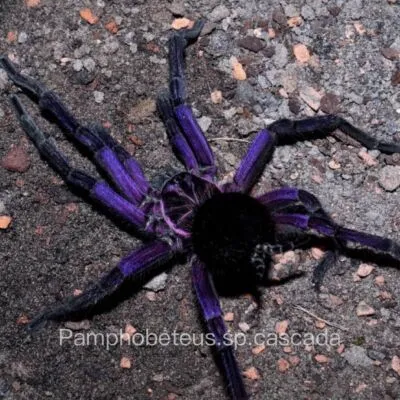
Cascada Birdeaters are among the largest tarantula species, with females often reaching a leg span of up to 10 inches or more. Their bodies are robust and covered in dark brown or black hairs, accented by striking patterns of lighter colors on their legs and carapace. The contrast in color adds to their visual appeal. The impressive size and the intricate patterns make the Cascada Birdeater a truly impressive sight. Their size is a key factor in the types of enclosures they require to thrive in a captive environment.
Lifespan and Growth
Female Cascada Birdeaters can live for 15 to 20 years, while males have a much shorter lifespan, typically only surviving for 3 to 5 years after reaching maturity. Growth occurs through molting, a process where the tarantula sheds its exoskeleton. The frequency of molting decreases as the tarantula ages. Regular molting is vital for growth and also allows the spider to regenerate lost limbs. Providing appropriate care will ensure their healthy development and increase the chances of witnessing the full lifespan of your pet tarantula. Molting can be a vulnerable period for the tarantula.
Habitat and Environment
Creating the right habitat is crucial for the health and well-being of your Cascada Birdeater tarantula. They originate from the humid, tropical rainforests of Colombia, so their enclosure should replicate these conditions to ensure they thrive in captivity. Careful attention to the enclosure setup, temperature, humidity, and substrate is essential. Mimicking their natural environment will help them feel secure and reduce stress, promoting healthy eating habits, and encouraging natural behaviors. Improper habitat conditions can lead to health issues.
Natural Habitat

In their natural habitat, Cascada Birdeaters are terrestrial creatures that live in burrows or under logs and rocks within the rainforest floor. These burrows provide shelter from predators and fluctuating temperatures. The high humidity and consistent temperature of the rainforest contribute to their well-being. Understanding their natural environment is important because you’re trying to replicate the environment for the tarantula in your home. They typically hunt at night and ambush prey.
Enclosure Setup
A suitable enclosure for a Cascada Birdeater should be large enough to accommodate its size and provide ample space for movement. A glass or acrylic terrarium with a secure lid is recommended. The enclosure should be well-ventilated to prevent the build-up of mold and bacteria, but it should also retain sufficient humidity. The enclosure should be sized appropriately; a juvenile will not require the same size enclosure as an adult. Ensure that the enclosure is escape-proof to ensure the safety of your pet and family. Proper ventilation is also crucial to prevent the growth of mold.
Temperature and Humidity
Maintain a temperature between 75-85°F (24-29°C) using a heat mat or ceramic heat emitter placed on the side of the enclosure. Avoid placing the heat source directly under the enclosure, as this could be harmful. Humidity levels should be kept between 70-80%, which can be achieved by misting the enclosure regularly with dechlorinated water. A hygrometer is essential to monitor the humidity levels accurately. Improper temperature and humidity can lead to health problems such as dehydration or fungal infections.
Substrate and Furnishings
The substrate should be several inches deep to allow the tarantula to burrow. A mix of coco fiber, peat moss, and a little vermiculite works well, as it retains moisture and provides a natural feel. Include a hide, such as a piece of cork bark or a half-log, to provide a secure retreat. Provide a shallow water dish for drinking and a few sturdy decorations. Avoid using items that could be toxic or harbor bacteria, and ensure the furnishings are stable to prevent injury.
Feeding and Diet
Cascada Birdeaters are opportunistic predators, and a balanced diet is crucial for their health and vitality. They eat a variety of insects in the wild, and it is important to replicate this diet in captivity. The size of the prey should be appropriate to the size of the tarantula. Overfeeding can cause health problems, while underfeeding can lead to stress and poor growth. The following sections will offer guidance on feeding frequency, prey types, and how to monitor your tarantula’s appetite.
What to Feed a Cascada Birdeater
The main staple of a Cascada Birdeater’s diet should consist of appropriately sized insects such as crickets, mealworms, and cockroaches. Offer a variety of prey items to ensure a balanced diet. Pre-killed prey can be offered to minimize the risk of injury to the tarantula during feeding. Ensure the prey is gut-loaded with nutritious food before offering it to your tarantula, as this will improve the nutritional value of the meal. Variety helps ensure the tarantula receives all the essential nutrients for growth and development.
Feeding Frequency

Juvenile tarantulas should be fed more frequently than adults, typically 2-3 times per week. Adults can be fed once every 1-2 weeks, or even less often, as they can go for extended periods without food. Observe your tarantula’s feeding habits. If it stops eating, it may be close to molting. Remove any uneaten prey within 24 hours to prevent stress or harm to the tarantula. Adjust the feeding schedule based on the tarantula’s size and activity level.
Watering and Hydration
Provide a shallow water dish with fresh, clean water at all times. Replace the water regularly to prevent bacterial growth. You can also mist the enclosure to maintain humidity levels. Some tarantulas will drink directly from the water dish, while others will drink droplets from the enclosure walls. Ensuring proper hydration is critical for the tarantula’s overall health and molting process. Dehydration can be fatal for a tarantula.
Behavior and Temperament
Cascada Birdeater tarantulas, while not typically aggressive, can exhibit defensive behaviors when threatened. Their temperament varies from individual to individual, with some being more docile than others. Understanding their behaviors is crucial for safe handling and care. Learning to recognize the signs of stress or agitation is essential for both the tarantula’s safety and the keeper’s. While they can be intimidating, careful observation and proper handling techniques can allow for a fulfilling experience.
Handling Considerations

Handling a Cascada Birdeater should be kept to a minimum, as it can be stressful for the tarantula. If handling is necessary, do so gently and cautiously, and avoid sudden movements. Always wash your hands before and after handling. Be aware of their defensive behaviors, such as flicking urticating hairs or raising their front legs in a threat display. It’s important to be aware of any potential reactions from the tarantula. Accidents can happen, so always supervise any interactions with the tarantula, particularly around children or pets.
Defensive Behaviors
When feeling threatened, a Cascada Birdeater may display various defensive behaviors. These may include flicking urticating hairs with their hind legs, rearing up in a threat posture, or even attempting to bite. They may also try to flee. Understanding these behaviors can help you prevent stressful situations. Being familiar with these signals will help in avoiding any negative interactions. Respecting these warning signs is vital for both the spider and the handler.
Health and Common Issues
Like all living creatures, Cascada Birdeater tarantulas can be susceptible to certain health issues. These can range from injuries to infections. Recognizing the signs of illness and taking preventative measures can help ensure your tarantula lives a long and healthy life. Regular monitoring of their behavior, eating habits, and overall appearance can help catch any problems early. Consulting with a veterinarian experienced with exotic pets is always a good idea if you have concerns.
Identifying Health Problems

Common health problems include dehydration, fungal infections, and parasitic infestations. Symptoms may include lethargy, loss of appetite, changes in color or behavior, and difficulties with molting. Check for signs of mites, which may appear as small moving dots on the tarantula. If you notice any of these symptoms, consult with a veterinarian experienced with tarantulas. Early detection and intervention are crucial for successful treatment. Careful observation and understanding of normal tarantula behavior can help identify any issues.
Preventative Care
Maintain a clean and hygienic environment, ensuring proper ventilation and humidity. Provide a balanced diet and fresh water. Avoid handling the tarantula unnecessarily to reduce stress. Regular cleaning of the enclosure is essential to prevent the build-up of bacteria and fungal spores. Quarantine new tarantulas before introducing them to other spiders, to minimize the risk of spreading diseases. Regular check-ups with a vet familiar with arachnids are also recommended.
Breeding
Breeding Cascada Birdeater tarantulas can be a rewarding experience for experienced keepers. However, it requires a thorough understanding of the species’ reproductive behavior and a commitment to providing the proper care for both the adults and the spiderlings. From the mating process to raising spiderlings, breeding these tarantulas involves several considerations. The following sections will provide guidance on what to expect and how to ensure successful breeding.
Mating Process
To breed Cascada Birdeaters, you need a mature male and female. The male will construct a sperm web, which he will then use to transfer sperm into his pedipalps. He then courts the female, often by drumming on the substrate. If the female accepts, the male will insert his pedipalps into her epigastric furrow. After mating, it’s crucial to separate the male from the female, as the female may become aggressive. The whole process should be observed carefully to prevent any injury to the spiders.
Egg Sac and Spiderlings Care
The female will lay eggs and encase them in an egg sac. Keep the egg sac in a controlled environment with appropriate temperature and humidity. After hatching, the spiderlings will remain in the egg sac for a period before emerging. When the spiderlings emerge, provide them with small prey items and maintain the appropriate environmental conditions. The spiderlings are very small and require very specific attention to ensure they all thrive. This stage is a critical time for the growth of the baby tarantulas.
Cascada Birdeater Tarantula Interesting Facts
The Cascada Birdeater tarantula boasts several interesting behaviors and characteristics, making them fascinating to observe. Learning about their behavior in nature is an engaging way to learn more about these creatures. From their unique defense mechanisms to their interactions with their environment, they are an intriguing species. They have several unique behaviors that can be fun to watch as an owner.
Conservation Status
The conservation status of the Cascada Birdeater tarantula is not currently listed as endangered or threatened. However, habitat loss due to deforestation and collection for the pet trade could potentially impact their populations. Responsible keeping and conservation efforts are vital to ensure the continued existence of this beautiful species. Support for responsible breeding practices and ethical sourcing of these tarantulas is crucial.
Unique Behaviors
Cascada Birdeaters exhibit unique behaviors, such as flicking urticating hairs as a defense mechanism. They may also exhibit territorial behavior, particularly in females. They are known for their impressive feeding responses and their ability to ambush prey. Careful observation will reveal these fascinating behaviors. They may also react differently to various stimuli in their environment, which makes them a fascinating species for an arachnid enthusiast.
Where to Buy Cascada Birdeater Tarantula
If you are considering adding a Cascada Birdeater tarantula to your home, sourcing a healthy specimen from a reputable breeder or pet store is critical. Prioritize breeders who are knowledgeable about the species and can provide information about the tarantula’s origin and care requirements. This ensures you get a healthy specimen. Research different sources, compare prices, and verify that the breeder or store follows ethical practices. Choosing a healthy tarantula will ensure your experience will be an enjoyable one.