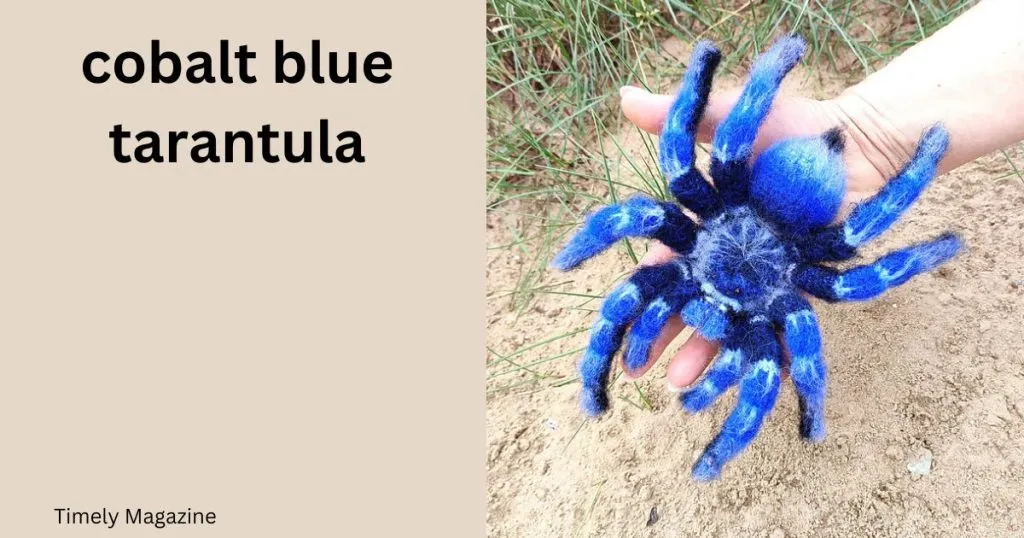
The Cobalt Blue Tarantula (Cyriopagopus lividus) is a stunning arachnid that captivates with its vibrant coloration. But is this dazzling creature from the New World or the Old World? This article will explore the fascinating world of the Cobalt Blue Tarantula, classifying its origin, and highlighting key characteristics and care requirements. Understanding whether a tarantula is from the New World or Old World is crucial, as it influences everything from their temperament and venom to their ideal habitat. The Cobalt Blue Tarantula’s striking appearance and intriguing nature make it a popular choice for tarantula enthusiasts. Read on to discover everything you need to know about this amazing species.
What is a Cobalt Blue Tarantula?
The Cobalt Blue Tarantula is a medium-sized tarantula known for its iridescent blue coloration on its legs and carapace. Native to the tropical forests of Myanmar and Thailand, this species is highly sought after in the pet trade for its beauty and unique appearance. Their bright blue legs provide a stark contrast to their dark bodies, making them a visual standout among tarantula species. As with all tarantulas, they are invertebrates, belonging to the phylum Arthropoda and the class Arachnida. These spiders are known for their relatively fast growth rate and can become quite large, making them a significant presence in any collection. Their care requirements are similar to other arboreal tarantulas, but it is important to consider certain nuances that will be explored further.
Origin and Habitat
Cobalt Blue Tarantulas are endemic to Southeast Asia, primarily found in Myanmar and Thailand. Their natural habitat consists of humid tropical forests, where they construct burrows or utilize existing crevices in the ground and trees to create shelter. They prefer to dwell in humid environments, with temperatures around 75-85°F (24-29°C). These environments provide them with the necessary moisture and temperature gradients to thrive. Their specific microhabitat within these forests often includes areas with dense vegetation and a rich layer of leaf litter, which they use for camouflage and hunting. Understanding their natural environment is key when replicating conditions in captivity. This also assists the hobbyist in understanding the reasons for specific behaviors, such as burrowing or web spinning.
New World Tarantulas Overview

New World tarantulas, generally originating from North and South America, are characterized by their urticating hairs. These tiny, barbed hairs are flicked off the abdomen as a defense mechanism. They are designed to cause skin irritation and deter potential predators. The temperament of New World tarantulas varies, with some species being relatively docile and others more defensive. Their venom is generally considered less potent than that of Old World species, but individual reactions can vary. Many New World tarantulas are popular pets due to their varied colors and relative ease of care. They are often favored by beginner tarantula keepers due to their generally milder temperaments compared to their Old World counterparts. These tarantulas can be either terrestrial, arboreal, or fossorial, with different species occupying unique niches.
Characteristics of New World Tarantulas
Key characteristics of New World tarantulas include the presence of urticating hairs, a defense mechanism not typically found in Old World species. These hairs are located on their abdomen and are flicked towards perceived threats. The venom of New World tarantulas is generally considered less potent than that of Old World species. The temperament of New World species can vary widely, ranging from docile to defensive, but they are often more manageable in captivity. Many New World tarantulas exhibit striking color patterns and are relatively easy to care for, making them popular choices for beginners. Their varied habitat preferences also contribute to the diverse range of species within the group. In most species, the females can live longer than the males. They typically mature slower compared to their Old World counterparts.
Old World Tarantulas Overview
Old World tarantulas, originating from Asia, Africa, and Australia, lack urticating hairs but often possess a more potent venom and a quicker, more defensive temperament. These tarantulas rely on their venom and sometimes their fangs as primary defense mechanisms. They are known for being fast, aggressive, and more prone to biting when threatened. Their habitats range from terrestrial to arboreal, and their care can be slightly more challenging due to their temperament and specific environmental needs. They are generally not recommended for beginners due to their defensive nature and the potential for a more painful bite. Due to their potent venom, it’s important to exercise caution when handling them, if at all. These tarantulas are often faster-growing than New World species and can become quite large.
Characteristics of Old World Tarantulas

Old World tarantulas are distinguished by the absence of urticating hairs and the presence of more potent venom. Their temperament is generally more defensive and aggressive, making them less suitable for novice keepers. These spiders often exhibit a quicker response to perceived threats, readily raising their front legs in a defensive posture or lunging to bite. The potent venom can cause significant pain and localized symptoms. They can have diverse habitat preferences depending on the species. Their care generally requires more experience and a higher degree of caution when handling. Old World tarantulas also often have a faster metabolism, resulting in faster growth and the need for more frequent feeding. They are often known for their vibrant colors and are sought after by experienced keepers.
Cobalt Blue Tarantula Classification
The Cobalt Blue Tarantula belongs to the Old World tarantula group. This classification is crucial in understanding its behaviors, defense mechanisms, and care requirements. Its origins in Southeast Asia, combined with the absence of urticating hairs, firmly place it within the Old World category. This categorization influences its temperament and the potency of its venom. Unlike New World tarantulas, which utilize urticating hairs as a primary defense, the Cobalt Blue Tarantula relies on its venom and, in some cases, a defensive posture. Its placement within the Old World group underscores the need for responsible and informed keeping practices.
Is the Cobalt Blue Tarantula a New World Species?
No, the Cobalt Blue Tarantula is not a New World species. As mentioned earlier, it is classified as an Old World tarantula. This means it originates from regions outside of North and South America, specifically Southeast Asia. The distinction is a fundamental aspect of understanding its behavior, potential risks, and care requirements. The Old World classification is crucial when providing appropriate environmental conditions and safe handling practices. This also helps the keeper predict behaviors, anticipate defensive postures, and recognize potential health issues unique to this specific tarantula group. Always research the specific needs of any tarantula species.
Key Differences
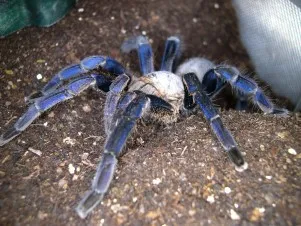
The key differences between the Cobalt Blue Tarantula (Old World) and New World tarantulas revolve around defense mechanisms, venom potency, and temperament. New World tarantulas employ urticating hairs as a primary defense, whereas Old World tarantulas, like the Cobalt Blue, rely on venom and defensive postures. The venom potency is generally higher in Old World species. Temperament also differs, with many New World tarantulas being more docile, while Old World species are often more defensive and prone to biting. Understanding these differences is paramount for responsible pet ownership, ensuring both the safety of the keeper and the well-being of the spider. Recognizing these distinctions will also influence how you set up the enclosure, handle the tarantula, and approach feeding and maintenance.
Temperament
Cobalt Blue Tarantulas are known for being skittish and defensive. They can be very fast and may readily display a threat posture, raising their front legs and baring their fangs. This behavior is typical of many Old World tarantulas. Handling should be kept to a minimum, and they are not recommended for beginners. They often prefer to retreat to their burrows or hiding places. Their speed and defensive nature require experienced keepers who are comfortable with potentially handling a defensive spider. Patience and respect for the tarantula’s boundaries are key to a positive interaction. Their unpredictable temperament means one should always exercise caution around them.
Venom Potency
The venom of the Cobalt Blue Tarantula, as with other Old World tarantulas, is considered to be more potent than that of most New World species. While not typically life-threatening to humans, a bite can cause significant pain, localized swelling, muscle cramps, and other unpleasant symptoms. Individual reactions will vary. The effects of the venom can last for several hours or even days. The exact composition and strength of the venom will vary depending on the spider’s age, size, and overall health. It’s very important to be careful when handling these tarantulas. If bitten, seek medical attention and monitor symptoms.
Defense Mechanisms

The Cobalt Blue Tarantula’s primary defense mechanisms are its venom and its threat posture. Unlike New World tarantulas, they do not possess urticating hairs. When threatened, they will often raise their front legs, display their fangs, and may attempt to bite. They are incredibly fast and can quickly retreat or strike when feeling threatened. Their speed and agility, combined with their potent venom, make them formidable. Because of their defenses, it’s important to approach all interactions with respect for their potential to defend themselves. The tarantula may also use its powerful chelicerae (jaws) to inflict a painful bite.
Care Requirements
Caring for a Cobalt Blue Tarantula requires attention to detail, especially regarding their habitat, diet, and handling. These spiders thrive in a humid environment. Regular monitoring and maintenance will keep your tarantula healthy and content. Proper care ensures a long lifespan. With responsible care, these spiders can live for many years in captivity.
Habitat Setup
The enclosure for a Cobalt Blue Tarantula should be appropriately sized, considering its adult size. A 10-gallon tank or larger is generally suitable. The substrate should be a mix of substrate like coconut fiber, peat moss, and vermiculite to retain humidity. Provide a hide, such as a piece of cork bark or a hollow log, for the tarantula to retreat to. Maintaining the proper temperature and humidity levels is crucial. Use a hygrometer to monitor humidity and a thermometer to maintain the optimal temperature range (75-85°F). A shallow water dish should always be available. The enclosure should be well-ventilated to prevent mold and mildew. Avoid overcrowding the enclosure to help the spider thrive.
Diet and Feeding

Cobalt Blue Tarantulas are carnivores, and their diet consists primarily of insects. Suitable food items include crickets, roaches, mealworms, and appropriately sized prey items. The frequency of feeding depends on the tarantula’s age and size. Young tarantulas may be fed more frequently (twice a week), while adults can be fed less often (once a week). Always remove any uneaten prey within 24 hours to prevent stress. Provide a varied diet to ensure the tarantula receives all essential nutrients. Ensure the insects are gut-loaded before feeding them to your tarantula. Always make sure that you have a source of clean water available.
Conclusion
The Cobalt Blue Tarantula is a captivating Old World species that offers a unique experience for experienced tarantula keepers. Understanding its classification, behavior, and care requirements is essential for ensuring its well-being. By providing the correct habitat, maintaining proper humidity and temperature, and handling with caution, you can appreciate the beauty of this amazing creature. Remember to always research thoroughly before acquiring any exotic pet. If you’re fascinated by tarantulas, the Cobalt Blue Tarantula is a rewarding pet for the seasoned hobbyist. Its vibrant colors and intriguing nature make it a true jewel in the arachnid world.