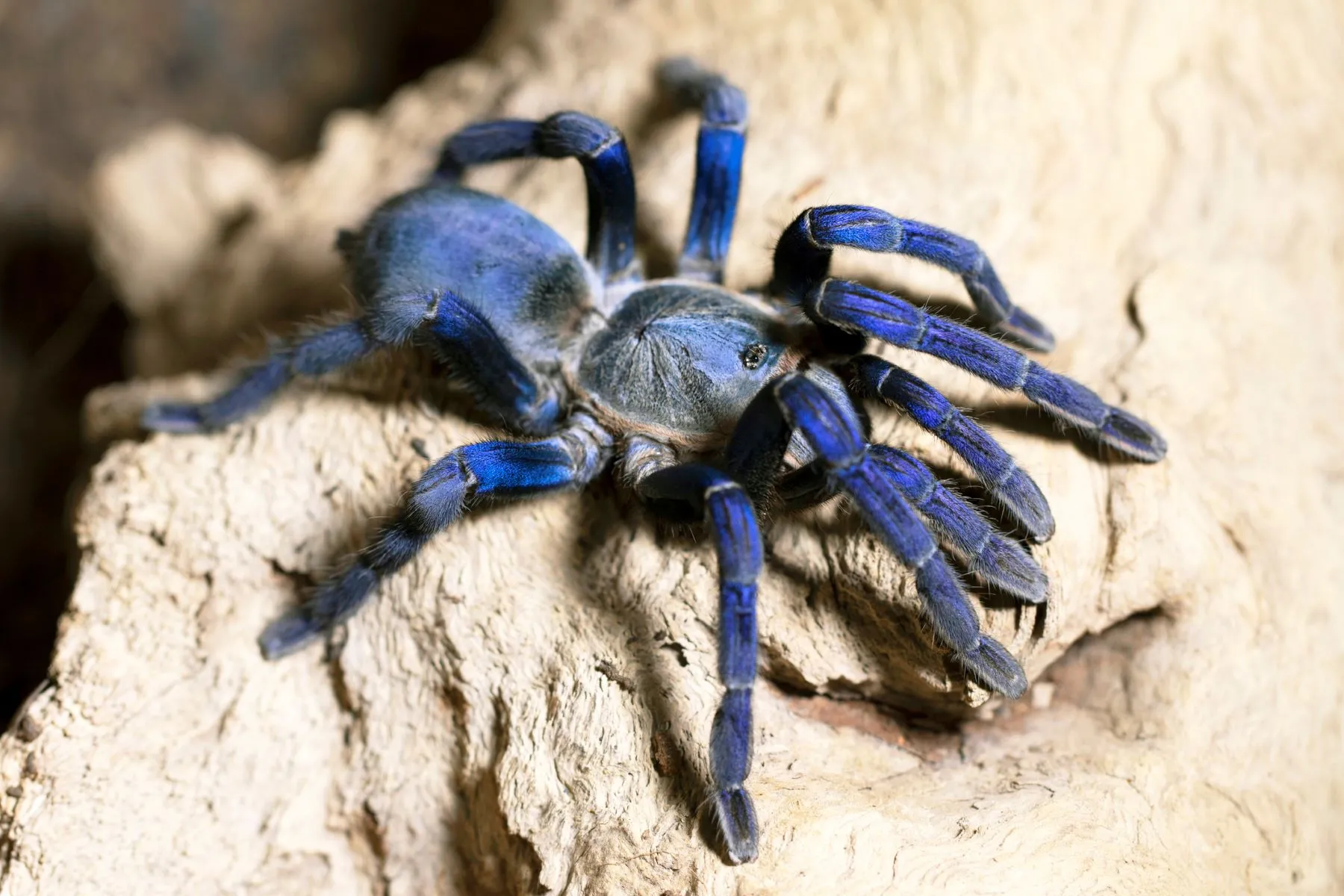
The Cobalt Blue Tarantula Introduction
The Cobalt Blue Tarantula (Cyriopagopus lividus) is a captivating and visually stunning arachnid, drawing the attention of both seasoned tarantula enthusiasts and curious newcomers. Native to the tropical forests of Myanmar and Thailand, this species is renowned for its striking metallic blue coloration, which makes it a highly sought-after pet. Beyond its aesthetic appeal, the Cobalt Blue Tarantula presents a fascinating subject for study and observation, offering a glimpse into the complex lives of these often-misunderstood creatures. This article will delve into five fun facts about the Cobalt Blue Tarantula, exploring its unique characteristics, behaviors, and the care it requires. From its vibrant appearance to its intriguing lifestyle, we’ll uncover what makes this tarantula so special.
Appearance of the Cobalt Blue Tarantula
One of the most immediately striking aspects of the Cobalt Blue Tarantula is its intense coloration. The spiders are not just blue, the metallic sheen gives them an otherworldly beauty, creating an immediate visual impact. The blue hue is most prominent on the legs, but can also extend to the carapace (the top part of the body) and abdomen, though the abdomen often has a darker, more muted coloration. The intensity of the blue can vary depending on the individual tarantula, its age, and even the lighting conditions. This vibrant coloration serves a dual purpose, providing camouflage within their natural habitat, where blue light penetrates the dense forest canopy, and playing a role in mate attraction, particularly for the males during mating season.
Vibrant Blue Hues

The unique coloration of the Cobalt Blue Tarantula is due to the presence of iridophores, specialized cells that reflect light. These cells, arranged in specific patterns, create the metallic blue effect, similar to how the wings of some butterflies display iridescent colors. This phenomenon, known as structural coloration, is not caused by pigments but by the way light interacts with the surface structure of the spider’s exoskeleton. The exact shade of blue can vary from a deep, almost navy tone to a brighter, more electric hue, depending on the light and the individual spider. This variation adds to the allure of the Cobalt Blue Tarantula, making each one a unique and captivating specimen.
Size and Physical Features
Cobalt Blue Tarantulas are medium-sized tarantulas, with females generally being larger than males. Adult females can reach a leg span of up to 5-6 inches (13-15 cm), while males are typically slightly smaller. The body itself is compact, covered in small hairs that contribute to the spider’s overall texture. Like all tarantulas, they have eight legs, two pedipalps (used for manipulating food and sensing their environment), and a pair of chelicerae (fangs). The chelicerae are powerful and are used to subdue prey, injecting venom. Despite their formidable appearance, Cobalt Blue Tarantulas are not typically aggressive and only bite when threatened or provoked, but their venom can cause discomfort to humans.
Habitat and Distribution of the Cobalt Blue Tarantula
Understanding the natural habitat of the Cobalt Blue Tarantula is essential for providing proper care in captivity. Native to the tropical rainforests of Myanmar and Thailand, these tarantulas are adapted to a warm, humid environment. In the wild, they are typically found in burrows they create in the ground or use pre-existing crevices. They are primarily terrestrial, meaning they spend most of their time on the ground, but they may also climb on occasion. The availability of appropriate shelter, such as leaf litter and loose soil, is crucial for their survival and well-being. The specific microclimates of their habitat, including temperature and humidity, play a vital role in their growth, molting, and overall health.
Where do they live

The Cobalt Blue Tarantula inhabits specific regions within the rainforests of Myanmar and Thailand. They are often found in areas with dense vegetation and moist soil, where they can construct or find suitable burrows. The presence of decaying leaves and other organic matter in the soil provides ideal conditions for them to thrive, offering both a place to hide and a source of food. They are not typically found in open, exposed areas, preferring the protection and security of their burrows and the surrounding environment.
Preferred Environment
The Cobalt Blue Tarantula thrives in a warm and humid environment. They require temperatures between 75-85°F (24-29°C) and humidity levels of 70-80%. This high humidity is essential for their molting process, helping them shed their exoskeleton successfully. The substrate in their enclosure should be kept slightly moist, and a water dish should always be available. Providing a hide, such as a piece of cork bark or a pre-made hide, allows the tarantula to feel secure and retreat from potential threats, mimicking their natural habitat.
Diet and Feeding Habits of the Cobalt Blue Tarantula
As carnivores, Cobalt Blue Tarantulas have a diet primarily consisting of insects. In their natural habitat, they will consume a variety of insects that they can capture, including crickets, cockroaches, and other invertebrates. In captivity, they are typically fed a similar diet of commercially available insects. The size of the prey should be appropriate for the size of the tarantula, with juveniles requiring smaller meals and adults needing larger ones. Overfeeding can lead to health problems, so it’s crucial to regulate the frequency and amount of food provided.
What do they eat

The primary food sources for Cobalt Blue Tarantulas in captivity include crickets, mealworms, and roaches. These insects are readily available from pet stores and online suppliers. It’s important to ensure that the insects are gut-loaded before feeding them to your tarantula, which means providing them with a nutritious diet beforehand. This ensures that the tarantula receives the essential vitamins and minerals. You may also occasionally offer them other insects, but the staple diet should consist of easily accessible and healthy options.
Feeding Frequency
The feeding frequency of a Cobalt Blue Tarantula depends on its age and size. Spiderlings and juveniles need to be fed more frequently, usually two to three times per week, while adult tarantulas can be fed once every week or two. Overfeeding can lead to obesity and potentially shorten their lifespan. It is important to observe the tarantula’s behavior. A well-fed tarantula will have a round abdomen, while an underfed one may appear thinner. Always remove any uneaten food after 24 hours to prevent mold or mites from infesting the enclosure.
Behavioral Traits of the Cobalt Blue Tarantula
Cobalt Blue Tarantulas exhibit interesting behavioral patterns that can be observed in both their natural habitat and captivity. They are primarily nocturnal, being most active during the night, when they venture out of their burrows to hunt. They are generally reclusive and prefer to remain hidden. However, their behavior can vary depending on factors such as their environment, age, and individual personality. Understanding their behavior can provide valuable insights into their needs and help owners create a suitable and enriching environment.
Defensive Mechanisms

When threatened, Cobalt Blue Tarantulas will employ various defensive mechanisms. One common defense is to raise their front legs and expose their fangs in a threat display. While not prone to biting, they will bite if they feel directly threatened. They also possess urticating hairs, found on their abdomen, which they can flick at potential threats. These hairs can cause irritation and discomfort upon contact with the skin. Avoiding unnecessary handling is the best practice to prevent the tarantula from feeling threatened and resorting to defensive behavior. Providing a secure, well-maintained habitat also reduces the likelihood of defensive displays.
Temperament and Handling
Cobalt Blue Tarantulas are not typically recommended for handling due to their skittish nature and the potential for bites. They are generally docile, but any handling poses a risk. Even if the tarantula does not bite, there is a risk of injury if they fall. Careful observation and creating a safe environment is more rewarding than handling. Owners should prioritize their safety and well-being by avoiding unnecessary interaction. This approach creates a less stressful environment for the tarantula and minimizes risks.
Unique Facts About the Cobalt Blue Tarantula
Besides their striking appearance and interesting behaviors, Cobalt Blue Tarantulas have several other unique features. These include their relatively long lifespan, their molting process, and their role in the ecosystem. These unique facts add to the intrigue and appeal of these fascinating creatures. They provide a deeper understanding of their biology and their place in the natural world, as well as make them an even more interesting pet option for those who prioritize observation.
Lifespan

Cobalt Blue Tarantulas have a long lifespan compared to many other tarantula species. Females can live for 12-15 years, while males have a shorter lifespan, typically 3-5 years. Their longevity adds to their value as pets. The ability to enjoy their companionship for over a decade is a considerable appeal. The longer lifespan means a commitment to proper care and a lasting relationship with these amazing creatures.
Molting Process
Molting is a vital process for tarantulas, and it is where the tarantula sheds its old exoskeleton to grow. Cobalt Blue Tarantulas typically molt several times during their lifespan, especially when they are young and growing rapidly. Before molting, they may appear lethargic. During the molt, they lie on their backs and shed their old skin. Providing a humid environment is very important for successful molting. After molting, the tarantula is vulnerable and has a new, soft exoskeleton. They will typically remain hidden until the new exoskeleton hardens. During this time, they should be protected from disturbance.
Conclusion the Cobalt Blue Tarantula
The Cobalt Blue Tarantula stands out as a remarkable species in the world of arachnids. Its unique appearance, interesting behaviors, and manageable care requirements make it a popular choice for tarantula enthusiasts. Learning about its natural habitat, diet, and unique features helps one better appreciate the species. By understanding and respecting the needs of these captivating creatures, we can ensure their well-being and continue to marvel at their beauty and fascinating adaptations. Their presence in the world reminds us of the diversity and wonder of the natural world.