Curly Hair Tarantula Introduction
The Curly Hair Tarantula (Brachypelma albopilosum) is a popular choice for both novice and experienced tarantula keepers. Known for its docile temperament, beautiful appearance, and relatively easy care requirements, this species has captivated arachnid enthusiasts worldwide. This article will delve into the top 5 facts you absolutely need to know about the Curly Hair Tarantula, covering everything from its physical characteristics and habitat to its care needs and potential health issues. Understanding these key aspects will help you provide the best possible environment for your tarantula, ensuring it thrives and remains a fascinating addition to your home. This guide provides a comprehensive overview to prepare you for the joys and responsibilities of owning one of these amazing creatures.
Appearance and Characteristics
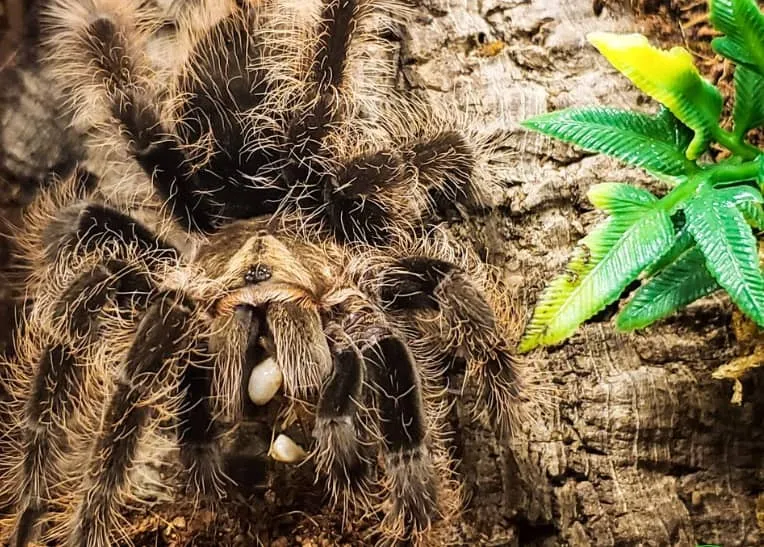
The Curly Hair Tarantula gets its name from the distinctive, curly hairs that cover its body, giving it a unique and appealing look. These hairs, known as setae, are not only aesthetically pleasing but also serve a protective function. They can be urticating hairs, which the tarantula flicks off its abdomen as a defense mechanism. These hairs can cause irritation if they come into contact with skin or eyes. Beyond the curly hairs, these tarantulas have a robust build with a carapace and legs that are typically a dark brown or bronze color. The overall appearance is one of elegance and gentle beauty, making them a favorite among tarantula keepers who appreciate a visually striking pet. The contrast between the dark body and the lighter, curly hairs is truly captivating.
Size and Physical Description

Curly Hair Tarantulas are a medium-sized species. Adult females typically reach a leg span of about 5 to 6 inches, while males tend to be slightly smaller. The body, or the cephalothorax and abdomen, is proportionately compact compared to the long, sturdy legs. Their legs are covered with the characteristic curly hairs which give them a fuzzy appearance. The chelicerae, or mouthparts, are also visible and are used for capturing and consuming prey. The overall impression is that of a solid, well-built spider capable of both agility and strength. The males have a slightly more slender build compared to the females, who have a rounder abdomen for carrying eggs. The overall size and form make them a manageable pet for most enthusiasts.
Coloration and Markings
The primary coloration of the Curly Hair Tarantula is a dark brown or bronze hue, providing an effective camouflage in their natural habitat. The legs and carapace often exhibit this deeper color. The distinguishing feature, of course, is the abundance of curly, golden-brown hairs covering the body. These hairs create a contrast against the darker base color, making the tarantula visually appealing. The intensity of the color can vary slightly depending on the individual and its age. The overall effect is a blend of subtle shades that combine to create a beautiful and unique appearance. Additionally, the tarantula’s appearance changes slightly after molting, when the colors become more vibrant.
Habitat and Natural Environment
Understanding the natural habitat of the Curly Hair Tarantula is crucial for providing proper care in captivity. In the wild, they originate from the tropical dry forests of Costa Rica. These environments are characterized by warm temperatures, moderate humidity, and a mix of forested areas and grasslands. The tarantulas burrow in the ground, creating a hideaway where they can feel secure from predators and environmental extremes. Replicating these conditions in a captive environment involves providing a suitable substrate for burrowing, maintaining the right temperature and humidity levels, and offering hiding places. By simulating their natural environment, you create a comfortable and healthy space for your tarantula to thrive.
Origin and Native Range

The Curly Hair Tarantula (Brachypelma albopilosum) hails from the tropical dry forests of Costa Rica. This native range is a vital aspect of their care requirements. Their distribution is largely concentrated within specific regions of Costa Rica where the climate and environmental conditions are ideal for their survival and proliferation. They are primarily terrestrial tarantulas and are well-adapted to the forest floor and underground burrows. Understanding their origin helps in mimicking their natural environment, which ultimately improves their well-being in captivity. The species’ origin is a critical piece of information when creating an enclosure.
Behavioral Traits
The Curly Hair Tarantula is generally a docile species, known for its relatively calm temperament. They are not typically aggressive and are less prone to biting compared to some other tarantula species. However, like all tarantulas, they can exhibit defensive behaviors if they feel threatened, such as flicking urticating hairs or raising their front legs in a threat posture. These tarantulas are primarily nocturnal, meaning they are most active at night, and spend much of their day hiding in their burrows or under cover. They are opportunistic hunters, ambushing their prey rather than actively pursuing it. Their behavior is a reflection of their survival strategies in their natural habitat, and these behaviors translate into a fascinating creature to observe in captivity.
Temperament and Handling
Curly Hair Tarantulas are often recommended for beginner tarantula keepers due to their relatively docile temperament. They are less likely to bite than other species, making them easier to handle (although handling is generally discouraged unless absolutely necessary). When interacting with a Curly Hair Tarantula, it’s crucial to move slowly and avoid sudden movements or loud noises, which can startle the tarantula. Some individuals may tolerate gentle handling, but others may become stressed. If the tarantula shows signs of agitation, such as raising its front legs or flicking hairs, it’s best to leave it alone. It is important to remember that each tarantula has its own personality. Regular and respectful interactions are a great way to build trust and a better understanding of the tarantula.
Feeding Habits

The Curly Hair Tarantula is an opportunistic carnivore, primarily feeding on insects in the wild. In captivity, they are relatively easy to feed, as they will readily accept a variety of prey items. It is important to provide a varied diet to ensure they receive all the necessary nutrients. Their feeding habits revolve around their environment and instincts; they are ambush predators, waiting for prey to come within range. Proper feeding and a well-balanced diet are essential for the health and longevity of the Curly Hair Tarantula in captivity. By understanding their natural feeding habits, keepers can create a successful and enriching environment.
Diet and Nutritional Needs
In captivity, the Curly Hair Tarantula thrives on a diet of appropriately sized insects. Crickets, mealworms, and roaches are common choices. The size of the prey should be roughly the same size as the tarantula’s body, especially for younger individuals. It is also possible to feed pre-killed insects. The diet should be supplemented with vitamins and calcium. It is important to remove any uneaten prey after 24 hours to prevent stress and potential injury to the tarantula. Fresh water should always be available. Feeding frequency depends on the age and size of the tarantula. Juveniles may need to be fed 2-3 times a week, while adults can be fed once a week or less. A well-balanced diet will help ensure that the Curly Hair Tarantula has everything it needs to thrive.
Prey Selection and Feeding Frequency
Choosing the right prey and establishing a suitable feeding schedule are vital elements of Curly Hair Tarantula care. The ideal prey items include crickets, mealworms, and dubia roaches, although variety is always a benefit. The rule of thumb for prey size is to select insects no larger than the tarantula’s body. Overfeeding should be avoided, and any uneaten prey should be removed within 24 hours to prevent stress on the tarantula. Juvenile tarantulas require more frequent feeding (2-3 times a week), while adults can be fed less often (once a week or even bi-weekly). Monitoring the tarantula’s abdomen size can help to assess its nutritional state. With the correct prey and feeding schedule, a Curly Hair Tarantula will stay healthy and maintain its normal behavior.
Lifespan and Reproduction

Understanding the lifespan and reproductive cycle of the Curly Hair Tarantula provides valuable insights into their care. Females live significantly longer than males, often up to 20 years in captivity, while males typically live for only a few years after reaching maturity. The mating process involves complex behaviors. Reproduction can be an interesting and rewarding aspect of keeping these tarantulas. Ensuring the proper environment, including suitable temperatures and humidity levels, is key to the successful reproduction of Curly Hair Tarantulas. Observing these lifecycles makes them truly remarkable pets.
Lifespan in Captivity
The Curly Hair Tarantula’s lifespan is a critical factor for potential owners to consider. Females typically live much longer than males, offering a more substantial investment in terms of companionship and care. Female Curly Hair Tarantulas can live for up to 15-20 years in captivity, making them a long-term pet. Males, on the other hand, have a much shorter lifespan, usually only living for a few years after they reach maturity. Factors that influence their lifespan include proper care, diet, environment, and genetics. Providing the ideal conditions, including consistent humidity, a comfortable temperature, and a nutritious diet, can improve the likelihood of your tarantula reaching its maximum lifespan. Understanding these life expectancies helps owners to prepare accordingly.
Mating and Egg Laying
Mating and egg laying are fascinating aspects of the Curly Hair Tarantula’s life cycle. When a male Curly Hair Tarantula matures, he will create a sperm web and deposit his sperm. He then uses his pedipalps to transfer the sperm to the female during mating. After mating, the female will typically lay an egg sac containing hundreds of eggs. The female will diligently guard and care for her egg sac, turning it and protecting it until the spiderlings hatch. Raising spiderlings requires extensive knowledge and meticulous care. Successful breeding can be a rewarding experience. Providing the proper environment and understanding the mating process increases the likelihood of success in this field.
Common Health Issues

While Curly Hair Tarantulas are generally hardy, they can be susceptible to certain health issues. Knowing how to identify and address these issues is crucial for ensuring the well-being of your pet. Common problems include difficulties with molting, parasites, and diseases. Regular observation, a clean and properly maintained enclosure, and a balanced diet are essential for preventing health problems. Should any health concerns arise, it’s best to consult an experienced tarantula keeper or a veterinarian familiar with arachnids. Early detection and intervention can greatly improve the chances of recovery and ensure a long, healthy life for your Curly Hair Tarantula.
Shedding and Molting
Molting is a natural process where the Curly Hair Tarantula sheds its exoskeleton to grow. It is a sign of good health and growth. During molting, the tarantula becomes vulnerable. It’s important to keep the enclosure undisturbed. The molting process can take anywhere from a few minutes to several hours. Providing the right environment, including the correct humidity levels, facilitates a successful molt. After molting, the tarantula will be soft and its colors will appear more vibrant. Do not feed the tarantula until its new exoskeleton has hardened, typically a week or two after molting. Problems with molting can signify issues with humidity, temperature, or overall health. Observing the molting process is a fascinating aspect of tarantula care.
Parasites and Diseases
While relatively resistant to diseases, Curly Hair Tarantulas are not entirely immune to parasites and other health problems. Parasites like mites can infest tarantulas, and these can be difficult to treat. Some diseases, such as fungal infections, can also affect them. Maintaining a clean and sanitary environment is the primary method of preventing these problems. Regularly clean the enclosure and remove uneaten prey. If you observe any unusual behaviors or signs of illness, such as lethargy, loss of appetite, or the presence of parasites, it is important to consult an experienced tarantula keeper or a veterinarian familiar with arachnids. Early intervention is crucial for managing these issues effectively and ensuring the tarantula’s health and longevity. Careful observation and proactive care are essential for their wellbeing.
Conclusion

The Curly Hair Tarantula is a wonderful choice for tarantula enthusiasts of all levels, from beginner to expert. Their unique appearance, docile temperament, and relatively easy care make them a great pet. This guide has offered key insights into their care, habitat, feeding, and potential health concerns. By understanding these aspects, you can provide the best possible environment for your Curly Hair Tarantula, ensuring that it thrives. Regular observation, attention to the details of their care, and the opportunity to learn more, will result in a happy and healthy pet that will provide you with many years of enjoyment. The Curly Hair Tarantula is a truly captivating creature.