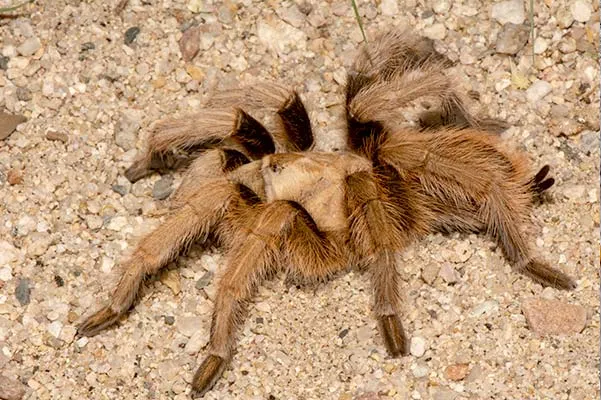
What is a Desert Blonde Tarantula?
The Desert Blonde Tarantula, scientifically known as Aphonopelma chalcodes, is a captivating arachnid native to the arid regions of the southwestern United States and parts of Mexico. These impressive spiders are a fascinating subject for anyone interested in wildlife. Characterized by their docile nature and relatively low venom toxicity, they are popular among tarantula enthusiasts. Their large size and striking appearance make them a standout in the desert landscape. The Desert Blonde Tarantula plays a vital role in its ecosystem, contributing to the control of insect populations. Their presence is an indicator of a healthy desert environment, making their study and conservation essential for maintaining ecological balance. Learning about these creatures enhances our appreciation for the biodiversity of the American Southwest and the critical need to protect these unique habitats.
Appearance and Identification
Identifying a Desert Blonde Tarantula is relatively straightforward due to their distinctive appearance. As their name suggests, they typically exhibit a blonde or tan coloration, providing excellent camouflage in their desert habitat. The carapace, the shell-like structure covering their cephalothorax, is usually a lighter shade, while the legs and abdomen are slightly darker. They possess eight eyes, arranged in two rows, and large chelicerae, which are used for capturing and crushing prey. They also have prominent spinnerets at the end of their abdomen, used for producing silk. These features differentiate them from other tarantula species and other spiders that inhabit similar environments. The presence of urticating hairs on the abdomen is another key characteristic, as these hairs can be flicked off as a defense mechanism. Examining the color, size, and overall structure will help you in proper identification. This information is essential for both enthusiasts and researchers.
Size and Characteristics

Desert Blonde Tarantulas are among the larger spider species. Females are generally larger than males. Females can grow up to a leg span of approximately 5 to 6 inches, while males are usually a bit smaller. They have robust bodies with hairy legs, perfectly adapted for life in the desert. The size of the Desert Blonde Tarantula allows them to take down larger prey. Their sturdy build and powerful chelicerae enable them to crush the exoskeletons of insects and other arthropods. The life span of these spiders is notable; females can live for 20 to 30 years, making them long-lived creatures. In contrast, males typically live for only a few years after reaching maturity, primarily focused on reproduction. Their longevity and size contribute to their status as apex predators within their microhabitats.
Habitat and Distribution
The Desert Blonde Tarantula is primarily found in the arid and semi-arid regions of the southwestern United States, particularly in Arizona, New Mexico, and parts of California, as well as in northern Mexico. They thrive in desert scrub, grasslands, and open woodlands. Their habitat preference includes areas with sparse vegetation and well-drained soil. This type of environment allows them to construct burrows, their primary shelter. They can also be found under rocks and in other natural shelters. The availability of suitable soil for burrowing and the presence of prey are critical factors in determining their distribution. Their range often overlaps with other desert-adapted species. Their ability to survive in harsh conditions is a testament to their resilience and adaptability, highlighting the importance of preserving these habitats.
Where do Desert Blonde Tarantulas Live?
Desert Blonde Tarantulas live in burrows they dig in the ground. They are typically found in areas with loose, well-drained soil that is easy to excavate. These burrows can be quite extensive, providing shelter from the extreme temperatures of the desert. The spiders line their burrows with silk to stabilize the walls and create a comfortable environment. They usually build their burrows near rocks, shrubs, or other features that provide shade and protection. These locations help regulate the temperature and humidity within the burrow. The spiders spend most of their time inside these burrows, venturing out primarily to hunt or mate. The location and structure of their burrows provide essential insights into the species’ behavior, their ecological role, and the overall health of the desert environment. This highlights the importance of understanding and protecting their habitat.
Behavior and Temperament

Desert Blonde Tarantulas are known for their relatively docile temperament, making them popular in the pet trade. However, like any wild animal, they can be defensive if threatened. They are generally nocturnal creatures, most active during the night when temperatures are cooler. During the day, they remain inside their burrows, conserving energy and avoiding the heat. When threatened, they may flick urticating hairs from their abdomen, a defense mechanism that can cause skin irritation. They may also raise their front legs and show their fangs as a warning. Despite these defensive behaviors, they are not known to be aggressive. Their calm demeanor makes them relatively easy to observe and study. Understanding their behavior is crucial for responsible pet ownership and for the protection of these fascinating creatures in their natural environment.
Are They Aggressive?
Desert Blonde Tarantulas are not typically considered aggressive. They prefer to avoid conflict and are more likely to flee or retreat into their burrows when they feel threatened. Bites are rare and usually only occur if the spider feels cornered or directly handled. Their venom is relatively mild and not considered life-threatening to humans, although it can cause localized pain, redness, and swelling. Their primary defense mechanism is their urticating hairs, which they can flick towards potential threats. This defensive behavior is often enough to deter predators. Their tendency to avoid conflict is part of their survival strategy in the harsh desert environment. Their calm nature makes them a less threatening species compared to some other tarantula species. Understanding their behavior is important for responsible interaction and for promoting their conservation.
Diet and Feeding Habits
Desert Blonde Tarantulas are primarily carnivorous, feeding on a variety of insects and other arthropods. Their diet consists mainly of crickets, beetles, grasshoppers, and other invertebrates found in their environment. They are opportunistic hunters, often ambushing their prey near the entrance of their burrows. When prey comes within striking distance, they quickly seize it with their chelicerae and inject venom to immobilize it. The venom also begins the process of digestion, breaking down the prey’s internal organs. The tarantula then sucks out the liquefied nutrients. They may also consume small lizards, rodents, or other small animals when available. Their hunting habits and dietary needs play a significant role in regulating insect populations within their ecosystem. The efficiency with which they capture prey is another sign of their adaptability to the desert environment. The spiders can survive for extended periods without food, making them highly resilient.
What do Desert Blonde Tarantulas Eat?

Desert Blonde Tarantulas are primarily insectivores, meaning their diet consists mainly of insects. Common prey items include crickets, grasshoppers, beetles, and other insects that inhabit the desert floor. They also sometimes consume other arthropods such as centipedes and millipedes. In addition to insects, they may occasionally prey on small vertebrates like lizards or even small rodents, when opportunities arise. The availability of food sources can vary seasonally, and the spiders adjust their hunting strategies accordingly. They are well-adapted to their environment, efficiently catching and consuming a diverse range of prey. The size of their prey depends on the size of the tarantula itself, with larger spiders capable of consuming larger meals. The spiders play an important role in the desert ecosystem by controlling insect populations. Their diet reveals their position in the food chain.
Life Cycle and Reproduction
The life cycle of the Desert Blonde Tarantula is marked by significant stages, including molting, growth, and reproduction. Tarantulas, like all arthropods, must molt to grow. This process involves shedding their exoskeleton and developing a new, larger one. During molting, the tarantula is vulnerable, making it hide in its burrow until the new exoskeleton hardens. The process is repeated throughout their lives, especially during their juvenile stages. Reproduction involves a complex courtship ritual, after which the male transfers sperm to the female. The female then lays her eggs in a silk egg sac, protecting them until they hatch. Spiderlings emerge and undergo several molts before reaching maturity. The female stays longer, contributing to the population. The lifespan of these creatures vary greatly by sex. Females are longer living, typically reaching 20-30 years while the males’ lives are much shorter, often only living for a year or two after maturity. This difference highlights the distinct reproductive strategies.
How do They Reproduce?
Reproduction in Desert Blonde Tarantulas involves a complex series of steps beginning with courtship. The male, after reaching maturity, will seek out a female. Courtship involves the male tapping and drumming on the female’s burrow entrance, communicating through vibrations. If the female is receptive, she will allow the male to enter, and copulation will occur. During copulation, the male uses specialized structures on his pedipalps to transfer sperm to the female. The female then lays her eggs in a silk egg sac, which she guards and protects. The number of eggs can vary widely, depending on the size and age of the female. After a period of incubation, the spiderlings hatch and begin to disperse. The young spiders go through numerous molts as they grow. The survival of the offspring is dependent on many factors, including the availability of food and the absence of predators. Successful reproduction is critical for maintaining the tarantula population in the wild, making this process significant for their long-term survival.
Conservation Status and Threats

The Desert Blonde Tarantula is not currently listed as endangered, but they face several threats that can impact their populations. Habitat loss and degradation, due to human development, agriculture, and climate change, are significant concerns. The destruction of their natural habitat limits their access to suitable burrows and reduces the availability of prey. The pet trade also poses a threat. While captive breeding programs have helped reduce the impact, illegal collecting and over-harvesting can harm wild populations. Climate change and its effects, such as increased frequency and intensity of droughts, also affect their survival. Conservation efforts should focus on habitat protection, responsible land management, and promoting sustainable practices. Public awareness and education can also play a vital role in ensuring the long-term survival of the Desert Blonde Tarantula. Collaboration between conservationists, scientists, and local communities is essential for addressing these threats effectively.
Are They Endangered?
The Desert Blonde Tarantula is not listed as endangered, but their populations are vulnerable to various threats. While they are not currently facing imminent extinction, several factors put them at risk. Habitat destruction, due to urbanization, agriculture, and climate change, is a primary concern. The loss of their natural environment reduces their ability to find shelter and food. The pet trade, both legal and illegal, also poses a threat. While captive breeding has reduced the impact of collecting from the wild, unsustainable practices could harm wild populations. Climate change, with its effects like prolonged droughts and extreme temperatures, can also negatively impact their survival. Vigilance and proactive conservation measures are essential to prevent these spiders from becoming threatened in the future. Monitoring population trends, protecting their habitat, and raising public awareness are crucial in preserving the Desert Blonde Tarantula and ensuring their future.
Desert Blonde Tarantula FAQs
Common questions about Desert Blonde Tarantulas often revolve around their care, behavior, and habitat. Many people inquire about the requirements for keeping them as pets, including the ideal temperature, humidity, and substrate needed to create a suitable enclosure. Questions regarding their diet, the frequency of feeding, and the types of insects they consume are also frequently asked. Information about their lifespan and growth, and the differences between males and females are also common inquiries. Concerns about safety, such as the venom’s potency and the likelihood of being bitten, are also often addressed. In addition, the conservation status, including whether they are endangered, and any conservation efforts are frequently questioned. The answers to these questions provide valuable insights into the lives of these spiders and help promote responsible interactions with them.