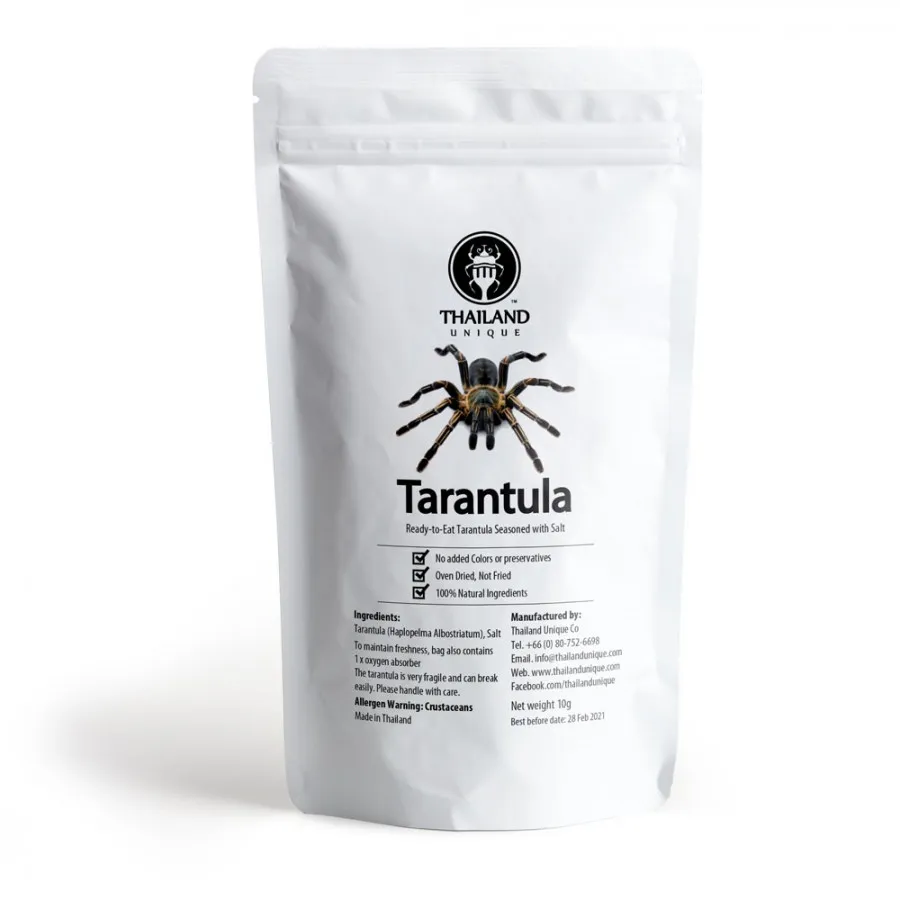
What is an Edible Tarantula
Edible tarantulas are exactly what they sound like arachnids that are safe and often enjoyed as a food source. While the thought of eating a spider might seem unusual to some cultures, tarantulas have been a traditional food in various parts of the world for centuries. These spiders are typically harvested, prepared, and consumed in regions like Southeast Asia, particularly Cambodia and Thailand, where they are considered a delicacy. The practice isn’t just for novelty; tarantulas are a source of protein and can be a sustainable food option. The preparation methods and flavors can vary greatly depending on the region and the specific recipes used, making it a diverse culinary experience. It’s an adventure for the palate and a window into different cultures.
Where to Find Canned Tarantulas
Finding canned tarantulas may not be as straightforward as a trip to your local supermarket, but it is certainly achievable. Due to their niche appeal, canned tarantulas are often found in specialty food stores, exotic food markets, and online retailers. Websites that focus on unique or unusual food products are your best bet for sourcing these arachnid delicacies. When shopping online, be sure to check the retailer’s reputation, read reviews, and confirm that the product is sourced responsibly. Some adventurous eaters might even find them at international food festivals or through direct imports from regions where tarantulas are part of the local cuisine. Keep in mind that availability may vary depending on your location and local regulations, so it’s wise to do some research before you start your search.
Nutritional Benefits of Eating Tarantulas

Tarantulas are not just a culinary novelty they also pack a nutritional punch. These spiders are a good source of protein, which is essential for building and repairing tissues in the body. They also contain important nutrients like iron, which helps transport oxygen throughout the body, and zinc, which plays a role in immune function and cell growth. Furthermore, tarantulas can provide healthy fats and certain vitamins. The exact nutritional profile can vary depending on the species of tarantula and its diet, but overall, they can be a valuable addition to a balanced diet. Eating tarantulas can be an interesting alternative to conventional protein sources, especially for those seeking sustainable or alternative food options.
How to Prepare Canned Tarantulas
Preparing canned tarantulas involves a few key steps to ensure both safety and a palatable experience. First, carefully remove the tarantulas from the can and rinse them under clean water. Next, you’ll want to remove any undesirable parts. Some people choose to discard the fangs and potentially the hairs, which can be irritating. Once cleaned, the tarantulas are ready for cooking. Various methods are available, from grilling to frying, which can enhance the flavor and texture. Always ensure the tarantulas are cooked thoroughly to eliminate any potential food safety hazards. Properly prepared, canned tarantulas can be a tasty and unique meal.
Cleaning the Tarantulas
Before cooking, it’s crucial to clean the tarantulas. Rinsing them under cold water removes any residue from the canning process and helps to wash away any loose hairs. Some people opt to remove the fangs, as they are not meant for consumption. It is a good idea to inspect the spiders for any foreign materials and gently pat them dry before the next step. Proper cleaning ensures a safer and more enjoyable eating experience. This step is vital for removing any potential irritants or contaminants.
Cooking Methods for Canned Tarantulas

The cooking method significantly impacts the taste and texture of canned tarantulas. Grilling, frying, and baking are all popular choices. Grilling adds a smoky flavor, while frying creates a crispy exterior. Baking provides a more evenly cooked texture. The best method depends on your preference and the desired result. You can also experiment with different seasonings and marinades to enhance the flavor. Remember that cooking tarantulas thoroughly is crucial to ensure they are safe to eat. The ideal cooking method will bring out the best flavors and textures of the tarantulas.
Grilling
Grilling tarantulas infuses them with a smoky flavor. First, prepare the grill by ensuring it’s clean and at a medium heat. You can marinate the tarantulas in a mixture of your favorite spices, herbs, and oils before grilling for enhanced flavor. Place the tarantulas on the grill and cook them for a few minutes on each side until they are heated through and have a slightly crispy texture. Grilling is a straightforward method that brings out a unique taste profile, making the tarantulas a delicious culinary adventure. Make sure the spiders are cooked through to ensure they are safe to eat.
Frying
Frying tarantulas results in a crispy and satisfying texture. Heat some oil in a pan over medium-high heat. You can coat the tarantulas in a light batter made from flour, spices, and seasonings to add flavor and a crunchy exterior. Fry the tarantulas for a few minutes on each side until they turn golden brown and are thoroughly cooked. Frying is an excellent method for those who prefer a crispy texture. Serving the fried tarantulas with a dipping sauce can elevate the overall experience, making them a delightful snack or meal.
Baking

Baking tarantulas is a healthier alternative that results in an evenly cooked texture. Preheat your oven to around 375°F (190°C). Place the cleaned tarantulas on a baking sheet, and you can add your preferred seasonings. Bake them for about 15-20 minutes, or until they are fully heated through. Baking is a gentler cooking method, ideal for those who prefer a softer texture. It is a versatile way to cook tarantulas and allows the natural flavors to shine. It is also a good option for those who want to avoid excessive oil.
Safety Precautions to Consider
Eating tarantulas, like any food, requires caution. Ensure the tarantulas are sourced from a reputable supplier to minimize the risk of contamination. Proper cooking is crucial to kill any potential bacteria or parasites. Be mindful of any potential allergic reactions, especially if you have a history of allergies to shellfish or other insects. Start with a small portion to test your body’s reaction. When handling the canned tarantulas, ensure they are stored correctly and consume them before their expiration date. Practicing food safety is key for a worry-free experience.
Potential Allergic Reactions
Although uncommon, allergic reactions to tarantulas are possible. People with allergies to shellfish may experience similar reactions, as tarantulas and shellfish share certain proteins. Symptoms can range from mild skin rashes to more severe reactions such as difficulty breathing or swelling. If you have known allergies or suspect you might be allergic, consult with a healthcare professional before trying tarantulas. Always consume a small amount initially to monitor for any adverse reactions, and be prepared to seek medical attention if needed. Prioritizing your health and being aware of potential allergens is essential.
Sourcing Tarantulas Responsibly

When purchasing canned tarantulas, it is important to consider the source. Look for suppliers who follow ethical and sustainable practices. This means ensuring that the tarantulas are harvested in a way that minimizes environmental impact and does not endanger the local ecosystem. Support businesses that prioritize humane treatment and responsible sourcing. Checking the origin of the product and the supplier’s reputation can help ensure you are consuming a product that is both safe and aligns with your values. Sustainable practices are key to enjoying these delicacies responsibly.
Taste and Texture of Canned Tarantulas
The taste and texture of canned tarantulas can vary depending on how they’re prepared. Generally, the body of the tarantula offers a soft, somewhat meaty texture, while the legs can be crispy, especially when fried. The flavor profile is often described as mild, with earthy undertones, sometimes compared to a cross between shrimp and chicken. The taste can be greatly influenced by the cooking method and seasoning used. Some people find the taste to be quite pleasant, while others may need to acquire the taste. The overall experience is intriguing, providing a unique culinary adventure for adventurous eaters.
Common Dishes and Recipes with Tarantulas
Tarantulas are often incorporated into a variety of dishes, especially in regions where they are part of the local cuisine. They can be fried and seasoned to be enjoyed as a snack or appetizer. In some cultures, they are included in stir-fries, curries, or even soups, adding protein and a unique flavor component. The tarantulas can be grilled, baked, or sauteed. Recipes vary widely, with the flavors and ingredients often reflecting the local culinary traditions. Experimenting with different preparations and seasonings can create a range of exciting dishes. The versatility of the tarantula allows for creative and flavorful culinary experiences.
The Cultural Significance of Eating Tarantulas

Eating tarantulas is a part of the cultural heritage in several parts of the world. In countries like Cambodia, tarantulas are a popular street food and a symbol of local cuisine. The practice dates back centuries and reflects a tradition of utilizing available food sources. For some communities, eating tarantulas has become an integral part of cultural identity, connecting people with their history and traditions. Trying tarantulas can offer a unique insight into different cultures and their culinary practices, expanding your appreciation for the diversity of food habits around the globe. It’s a way of experiencing different cultures and broadening your culinary horizons.