Ender 3 Pro vs Tevo Tarantula Pro Which 3D Printer?
The world of 3D printing is booming, with a plethora of options available for both beginners and seasoned enthusiasts. Two popular contenders in the budget-friendly category are the Creality Ender 3 Pro and the Tevo Tarantula Pro. Both printers offer a compelling blend of features, affordability, and print quality, making them attractive choices for those looking to dive into the world of additive manufacturing. This comparison will delve into the key aspects of each printer, from design and build quality to printing performance and cost, to help you determine which one best suits your needs and budget. Choosing between these two can be challenging, but understanding their strengths and weaknesses is the first step in making an informed decision. Let’s explore the details to help you find the perfect 3D printer for your projects.
Design and Build Quality
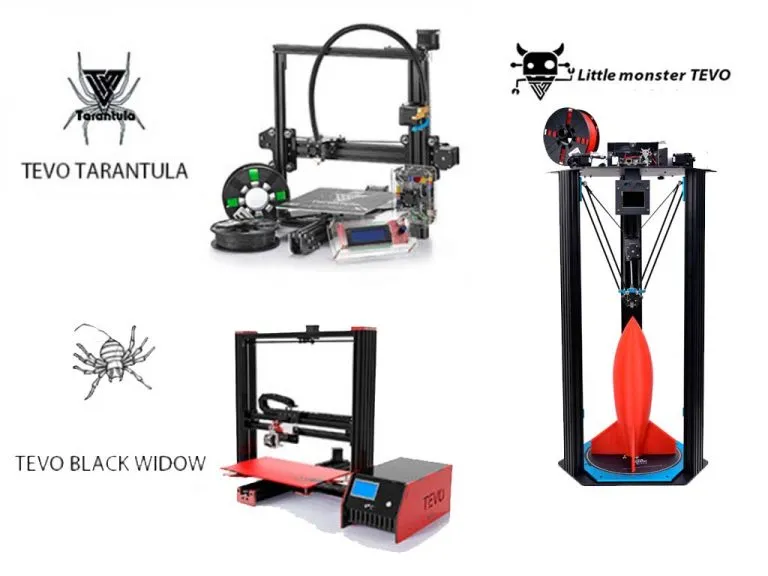
Design and build quality play a crucial role in the overall performance and longevity of a 3D printer. The Ender 3 Pro is known for its sturdy construction, featuring an all-metal frame that provides stability during printing. Its design emphasizes ease of use, with a relatively straightforward assembly process. The Tevo Tarantula Pro, on the other hand, offers a slightly different aesthetic, with its open-frame design and a focus on upgradability. The choice between the two often comes down to personal preference and the specific requirements of your printing projects. Both printers are built with quality materials, but the overall feel and robustness can vary slightly, influencing the printer’s long-term reliability and the quality of prints produced. Examining the materials used and the structural integrity is essential when assessing the build quality.
Frame Construction and Materials

The frame construction significantly impacts the printer’s stability and print quality. The Ender 3 Pro typically uses an aluminum extrusion frame, which is a standard in the industry due to its rigidity and durability. This design minimizes vibrations and ensures consistent prints, especially at higher speeds. The Tevo Tarantula Pro often utilizes a combination of materials, including aluminum extrusions and potentially some plastic components. While this approach can help keep the cost down, it might affect the overall stability compared to the Ender 3 Pro. The material choices and the precision of the frame construction ultimately dictate how accurately and reliably the printer can operate over time. Consider the frame’s ability to withstand vibrations and maintain alignment during long print jobs when evaluating these two printers.
Print Bed and Surface
The print bed is where the magic happens, so its quality is paramount. The Ender 3 Pro often features a removable magnetic build surface, which simplifies the removal of printed objects and enhances adhesion. This surface is known for its ease of use and compatibility with various filament types. The Tevo Tarantula Pro also incorporates a heated bed, essential for printing materials like ABS. The specific build surface may vary depending on the model, but it’s crucial to ensure that the surface provides good adhesion and is easy to maintain. The flatness and stability of the print bed are critical for achieving precise first layers and preventing warping. Evaluating the print bed’s design and surface material will greatly affect the quality of the prints.
Print Volume Comparison
Print volume defines the maximum size of objects you can create. The Ender 3 Pro typically offers a print volume of around 220 x 220 x 250 mm, which is a good size for a wide range of projects. The Tevo Tarantula Pro may have a similar or slightly larger print volume, but it’s important to check the exact specifications of the model you are considering. The print volume will affect the type of projects you can undertake; larger volumes accommodate bigger models, while smaller volumes may be sufficient for detailed miniatures and smaller objects. Be sure to assess your intended projects before determining which printer’s print volume aligns with your needs.
Features and Specifications

Both printers boast a range of features, with variations affecting their usability and printing capabilities. Understanding these features can help tailor your choice to your printing style and project demands. Both printers typically offer heated beds, which are essential for printing with materials that require higher temperatures. They also have LCD screens for controlling print settings and monitoring progress. However, there may be differences in the type of leveling systems, the availability of advanced features, and the overall user experience. Examining these specifications is vital for determining whether the printer meets your specific requirements.
Extruder and Hotend Systems
The extruder and hotend systems are critical for melting and depositing filament. The Ender 3 Pro usually comes with a Bowden-style extruder, where the filament is fed through a tube to the hotend. This design can reduce the weight on the moving print head. The Tevo Tarantula Pro may offer a similar setup, or it might have a direct-drive extruder, which directly feeds the filament into the hotend. The type of extruder influences the printer’s ability to handle different filaments and print complex designs. Furthermore, the hotend’s temperature capabilities and the nozzle size determine the materials that can be used and the detail level possible in printed objects.
Leveling Systems and Calibration
Proper bed leveling is crucial for the first layer’s adhesion and the overall print quality. The Ender 3 Pro typically features manual bed leveling, which involves adjusting the bed height using knobs to ensure the nozzle is the correct distance from the bed. The Tevo Tarantula Pro may also use manual leveling or offer auto-leveling capabilities, which simplifies the process. Auto-leveling systems use sensors to measure the bed’s surface and adjust the nozzle height accordingly. Regardless of the method, a well-leveled bed is fundamental for successful prints, so ease of leveling and the accuracy of the system should be assessed.
Software and Firmware

The software and firmware play a vital role in the printing process. The printers usually work with popular slicing software like Cura or Simplify3D, which convert 3D models into instructions for the printer. The firmware manages the printer’s operation, including temperature control, movement, and calibration. The user experience can depend on the quality of the included software and the ease of updating firmware. Both printers generally support a variety of filament types. The software’s compatibility and the availability of firmware updates are important factors for maintaining your printer’s performance and adding new features.
Ease of Use and Assembly
Ease of use is a key factor, especially for beginners. The Ender 3 Pro is often praised for its relatively straightforward assembly process, with clear instructions and a manageable number of parts. The Tevo Tarantula Pro also offers a DIY experience, although the assembly might be slightly more involved depending on the specific model. Both printers come as kits, so some assembly is required. However, the ease of assembly, the clarity of the instructions, and the time required to get the printer up and running can vary between the two models. Beginners should prioritize printers that provide well-documented assembly guides and user-friendly interfaces.
Printing Performance
Printing performance is the ultimate measure of a 3D printer’s capabilities. This includes the print quality, the speed at which it prints, and the overall reliability. Both the Ender 3 Pro and Tevo Tarantula Pro can deliver satisfying results, but the nuances of their performance are essential for making the right choice. Consider your project’s requirements and printing expectations when evaluating these factors.
Print Quality and Accuracy

Print quality is determined by factors such as layer adhesion, surface finish, and dimensional accuracy. The Ender 3 Pro is known for its good print quality, capable of producing detailed and precise models. The Tevo Tarantula Pro also provides commendable print quality, but its performance can depend on the printer’s configuration and tuning. Achieving high print quality relies on proper calibration, filament selection, and print settings. The level of detail that can be achieved, the smoothness of the surface finish, and the accuracy of the dimensions all reflect on the quality of the printed product. Evaluate these aspects to determine which printer’s output aligns with your project needs.
Print Speed and Reliability
Print speed is another factor to consider, although it often comes at the expense of quality. Both printers can achieve reasonable print speeds, but the Ender 3 Pro might offer a slight edge due to its well-engineered frame. The Tevo Tarantula Pro’s print speed can depend on several factors, including the quality of the components and how well the printer is tuned. Reliability is equally important, as it determines the consistency and dependability of the printer. Both printers have the potential to perform reliably, but regular maintenance, proper calibration, and the use of quality filament are essential for ensuring consistent results.
Cost and Value for Money
Cost is a major consideration for any 3D printer purchase. Both the Ender 3 Pro and the Tevo Tarantula Pro are budget-friendly options, but there can be differences in their pricing, overall value, and the cost of ownership. Understanding these cost aspects is crucial for making a financially sound decision.
Pricing Comparison

The pricing of the Ender 3 Pro and Tevo Tarantula Pro varies, depending on retailers and any ongoing promotions. Generally, both printers are in the affordable price range, making them accessible to a broad audience. The prices can fluctuate, so it’s worth comparing prices from different vendors before making a purchase. Consider any bundled accessories or additional features that might add value. Evaluate the long-term costs, which may include filament expenses and the need for replacement parts to make an informed decision.
Maintenance and Support
Maintenance and support are essential for ensuring your printer’s longevity and your peace of mind. Both printers require periodic maintenance to keep them running smoothly. This includes lubricating moving parts, cleaning the nozzle, and checking for any wear and tear. The availability of technical support can vary, depending on the manufacturer and the retailer. Checking online forums, user reviews, and the manufacturer’s customer support options will help you evaluate the support available for each printer. Proper maintenance, combined with available support, will ensure your 3D printing journey goes as smoothly as possible.
Pros and Cons
Summarizing the pros and cons of each printer helps highlight their respective strengths and weaknesses, allowing you to make a well-informed decision. Understanding the advantages and disadvantages of each model is essential for aligning your choice with your specific requirements.
Tevo Tarantula Pro Pros and Cons

The Tevo Tarantula Pro offers several advantages, such as its generally affordable price point and open-frame design that often allows for easy access. It’s known for its versatility and potential for upgrades. However, it may require more hands-on tuning compared to the Ender 3 Pro, and its build quality can be variable depending on the model. Some users may find its open frame design less desirable if they have safety concerns or require an enclosed printing environment. Evaluate the pros and cons of the Tevo Tarantula Pro carefully, weighing its advantages against your needs and preferences.
Ender 3 Pro Pros and Cons
The Ender 3 Pro has several appealing features, including its user-friendly design and widespread popularity, making it ideal for beginners. Its robust construction and well-established community provide a wealth of resources and support. The removable magnetic build surface is a significant advantage, simplifying print removal and enhancing adhesion. However, the Ender 3 Pro may have a smaller print volume compared to some other printers, and the manual bed leveling process can be time-consuming for beginners. The Ender 3 Pro’s strengths and weaknesses should be weighed against your individual needs and expectations for 3D printing.
In conclusion, both the Ender 3 Pro and the Tevo Tarantula Pro are strong contenders in the budget 3D printer market. The Ender 3 Pro shines in ease of use, design, and robust community support. The Tevo Tarantula Pro appeals to those seeking a printer with potential for customization and upgradeability. Your choice should depend on your budget, your level of experience with 3D printers, and your particular project needs. Consider your priorities and the features that align with your goals to make the best choice for your 3D printing endeavors. Whether you are a novice or an expert, both printers present an excellent value proposition for exploring the exciting world of 3D printing.