Understanding Tarantula Dietary Needs
Caring for a tarantula goes beyond just providing a suitable habitat; understanding their dietary needs is crucial for their health and longevity. Tarantulas, being obligate carnivores, require a diet primarily consisting of insects. Their nutritional requirements are relatively simple, but ensuring a balanced and varied diet is essential to prevent nutritional deficiencies and promote optimal growth and well-being. This guide will provide expert tips on what to feed tarantula spiders, ensuring your pet thrives. The diet also varies based on the tarantula’s age, species, and size, so consider these factors when planning a feeding schedule. Remember that a well-fed tarantula is a happy and healthy tarantula.
What Do Tarantulas Eat?
The primary food source for tarantulas in captivity is live insects. This mirrors their natural diet in the wild, where they are opportunistic predators. Providing a variety of insects ensures they receive a wide range of nutrients. While the specific insects offered can vary, the core principle remains the same: a diet of live, appropriately sized prey. Offering a diverse selection of insects not only provides a more balanced diet but also adds enrichment to the tarantula’s life, stimulating their natural hunting behaviors. Be cautious and ensure the insects are free from pesticides or diseases before feeding them to your tarantula.
Live Insects as Staple Diet

Live insects form the foundation of a tarantula’s diet. They provide the necessary protein, fats, and other nutrients crucial for growth and energy. The key is to choose insects that are appropriate for the size of your tarantula. For smaller tarantulas, also known as spiderlings, smaller prey is required. As the tarantula grows, so should the size of the insects you offer. Live insects also provide the stimulation of a hunt, which is essential for their well-being. It’s also important to consider the nutritional value of different insects, as some are more nutritious than others. Regularly monitor your tarantula’s feeding habits to adjust the type and size of the insects you offer.
Crickets
Crickets are a popular and readily available food source for tarantulas. They are relatively easy to breed and maintain, making them a convenient option for many keepers. Crickets are also a good source of protein, which is essential for the growth and development of tarantulas. When feeding crickets, it’s important to ensure they are appropriately sized for your tarantula. Avoid feeding crickets that are too large, as they can injure or even kill the spider. Also, gut-load the crickets with nutritious food before feeding them to your tarantula to increase their nutritional value. This involves feeding the crickets a diet rich in vitamins and minerals, which are then passed on to your tarantula when it consumes the cricket.
Roaches
Roaches, particularly dubia roaches, are another excellent food choice for tarantulas. They are high in protein and other essential nutrients, and they are also less likely to burrow or escape compared to crickets, making them a more manageable option. Roaches are also relatively easy to breed and maintain, though they require a slightly different setup than crickets. Like crickets, roaches should be gut-loaded before feeding them to your tarantula. This ensures that your tarantula receives the maximum nutritional benefit. Dubia roaches, in particular, are a good choice, as they are not known to climb smooth surfaces and are relatively slow-moving, making them easy for tarantulas to catch and consume.
Mealworms

Mealworms are another readily available and convenient food option for tarantulas. However, they are less nutritious than crickets or roaches, so they should be used as a supplemental food rather than the primary diet. Mealworms have a hard exoskeleton, making them slightly more difficult for tarantulas to digest, especially for smaller spiders. For this reason, it’s often recommended to crush the heads of mealworms before feeding them to smaller tarantulas. This helps to prevent them from biting the spider from the inside. While mealworms are a good source of protein, they are also high in fat, so it is important to moderate their consumption.
Variety in Insect Diet
Providing a varied diet is essential for ensuring your tarantula receives a balanced intake of nutrients. Relying on a single type of insect can lead to nutritional deficiencies. By rotating between crickets, roaches, mealworms, and other insects, you can provide a broader range of vitamins and minerals. This variety not only benefits the tarantula’s health but also provides mental stimulation, as it keeps them engaged. Consider the nutritional profiles of each insect and adjust the diet accordingly. Regularly assess your tarantula’s condition and adjust the diet based on its growth, molting, and overall health. A varied diet contributes to the overall health and well-being of your tarantula.
Supplementing with Prey
In addition to the staple diet of insects, you can occasionally supplement your tarantula’s diet with other prey items. This can include small vertebrates, such as pinky mice, for larger tarantulas. However, these should be offered sparingly, as they are very high in fat and can lead to health problems if overfed. Pre-killed prey is often preferred, as it reduces the risk of injury to the tarantula. Always ensure the prey is of appropriate size and has been safely sourced. Nutritional supplements, such as calcium and vitamin D3, can be added to the insects through gut-loading to further enhance the nutritional value of the diet. Monitor your tarantula’s overall condition and adjust the frequency of supplemental feeding accordingly.
Pre-killed Insects

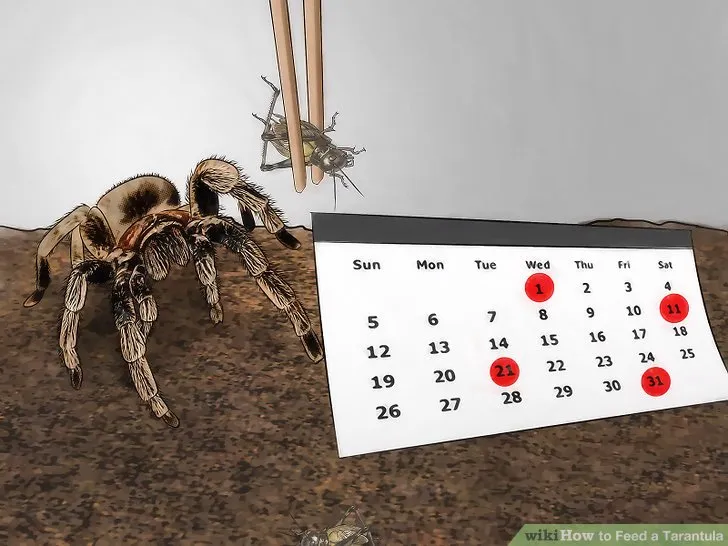
Pre-killed insects can be a practical and safe option, particularly for beginners or for tarantulas that are not strong hunters. They eliminate the risk of the insect biting or injuring the tarantula. This is especially beneficial for smaller or more delicate species. Pre-killed insects can be offered using tongs or tweezers. However, some tarantulas may not readily accept pre-killed prey, as they are stimulated by the movement of live insects. If your tarantula hesitates to eat pre-killed insects, you may need to try wiggling the insect with tongs to simulate movement. Ensure the insects are fresh and have not been stored for too long to avoid the risk of spoilage.
Feeding Frequency and Portion Size
The frequency and portion size of feeding depend on the age and size of your tarantula. Spiderlings, or young tarantulas, need to be fed more frequently than adults, as they are actively growing. Adult tarantulas, on the other hand, can go for extended periods without food, but it’s crucial to find the right balance. Overfeeding can lead to obesity and other health problems. Therefore, it’s important to adjust the feeding schedule based on your tarantula’s specific needs and behavior. Regular observation and careful monitoring of the tarantula’s abdomen size and appetite are key to ensuring optimal health and preventing overfeeding or underfeeding. Proper feeding is vital for the overall well-being and longevity of your pet tarantula.
Feeding Schedule for Spiderlings
Spiderlings, or young tarantulas, have a much faster metabolism and growth rate compared to adults. Therefore, they require more frequent feedings. A general guideline is to feed spiderlings every other day, or even daily, particularly during their rapid growth phases. The insects offered should be appropriately sized, typically small crickets or fruit flies. Ensure that the spiderling is eating the food offered and not just ignoring it. If the spiderling does not eat, it could be an indicator of an issue, such as an impending molt or stress. Adjust the feeding schedule and insect size as the spiderling grows, gradually increasing the size of the prey and reducing the frequency as the spiderling approaches adulthood. Regularly monitor the spiderling’s abdomen for signs of being well-fed.
Feeding Schedule for Adult Tarantulas

Adult tarantulas have slower metabolisms and can go for extended periods without food. A feeding schedule of once or twice a week is generally sufficient. However, this can vary depending on the individual spider, its species, and its activity level. Some tarantulas may eat more frequently, while others might go weeks without eating, especially if they are close to molting. It’s important to observe your adult tarantula’s behavior and appetite. Offer a single, appropriately sized insect per feeding. Remove any uneaten insects within 24 hours to prevent them from stressing the spider. Adjust the feeding schedule based on the tarantula’s condition; if it appears thin or underweight, you can increase the frequency slightly. Always consider the overall health and molting cycle of the spider.
Portion Control
Portion control is a critical aspect of feeding tarantulas to avoid overfeeding. Overfeeding can lead to obesity, which can cause health problems and shorten a tarantula’s lifespan. A general rule is to offer one insect per feeding, or two for larger adults, and to remove any uneaten prey within 24 hours. The abdomen of the tarantula should be proportionate to its overall size, not overly large. Regularly assess your tarantula’s abdomen for any signs of bloating or excessive fullness, which can indicate overfeeding. Adjust the portion size and frequency as needed, based on the tarantula’s size, species, and activity level. Careful portion control helps ensure your tarantula remains healthy and active.
Water and Hydration
Proper hydration is essential for the health of your tarantula. Tarantulas, like all living creatures, need water to survive and thrive. Water is crucial for many bodily functions, including molting. Ensuring your tarantula has access to fresh water at all times is a vital part of their care. The water should be clean and readily available in a shallow dish or water reservoir. Hydration becomes even more critical during molting periods. Insufficient water can lead to dehydration, which can make the molting process difficult and even fatal. Regular monitoring of water availability and careful attention to the environment can contribute to the overall well-being of your pet tarantula.
Providing Fresh Water

Always provide fresh, clean water for your tarantula. This can be achieved by using a shallow water dish or a water reservoir specifically designed for tarantulas. The water dish should be shallow enough to prevent the tarantula from drowning, especially for smaller spiders. The water should be replaced regularly, typically every other day, to prevent the growth of bacteria and maintain hygiene. You can also use a sponge or cotton ball soaked with water for spiderlings, as they are more likely to fall in and drown. Ensure the water source is easily accessible and that the tarantula can safely reach it. Regular cleaning and water changes are vital for the health of your tarantula.
Hydration for Molting
Hydration is especially important during the molting process. Molting is the process by which tarantulas shed their exoskeleton to grow. This process is physically demanding, and tarantulas need to stay well-hydrated to ensure a successful molt. Provide a readily available source of fresh water during this time. Increase the humidity in the enclosure slightly to help the tarantula. This can be achieved by misting the enclosure or adding a moist substrate. Avoid disturbing the tarantula while it is molting, as it is vulnerable. Proper hydration and a stable environment are key to a successful and healthy molt, ensuring the continued well-being of your tarantula.
Special Dietary Considerations
There are several special dietary considerations to keep in mind when feeding tarantulas. These include avoiding certain food sources and considering the use of nutritional supplements. Always source prey responsibly, and be mindful of the potential risks. The health and well-being of your tarantula depend on a carefully considered diet. Be aware of specific requirements based on the species of the tarantula, as some have different dietary needs. It’s always a good idea to research the specific needs of your tarantula species to provide the best possible care.
Avoid Feeding Wild-Caught Insects

It’s crucial to avoid feeding your tarantula wild-caught insects. These insects may be contaminated with pesticides, parasites, or diseases, which can be harmful or even fatal to your tarantula. Wild insects can also contain unknown pathogens that can infect your pet. Sourcing insects from a reputable supplier ensures that they are safe and healthy. Always prioritize the health and safety of your tarantula. Stick to commercially bred insects that are free from potential contaminants to protect your tarantula. The best practice is to only feed insects from trusted sources.
Nutritional Supplements
While a varied diet of live insects should provide most of the necessary nutrients, nutritional supplements can be used to enhance the diet. These can include calcium and vitamin D3, which can be dusted onto the insects before feeding. This helps to ensure that the tarantula receives adequate levels of these essential nutrients. Gut-loading the insects before feeding can also increase their nutritional value, as they will pass on the nutrients they have consumed. Always follow the instructions on the supplements and consult with an experienced tarantula keeper or veterinarian before using any supplements to avoid over-supplementation, which can be harmful.
Common Feeding Mistakes to Avoid
Avoiding common feeding mistakes can help ensure the health and well-being of your tarantula. These mistakes can range from overfeeding to handling live prey unsafely. Being aware of these potential pitfalls can help you create a safe and healthy environment. Always be mindful of your tarantula’s needs. The following points are vital for responsible tarantula care, ensuring your pet lives a long and healthy life. Careful attention to detail and a proactive approach to tarantula care will significantly improve your experience.
Overfeeding
Overfeeding is one of the most common mistakes made by tarantula keepers. Feeding too much food or too frequently can lead to obesity and health problems, such as a shortened lifespan. Monitor your tarantula’s abdomen size and adjust the feeding schedule accordingly. The abdomen should be a healthy size, not excessively large. If your tarantula appears to be overweight, reduce the frequency and portion size of feedings. The best approach is to feed them only what they need, which is generally one appropriately sized insect per feeding for adults. This approach ensures optimal health.
Handling Live Prey Risks
Handling live prey can pose a risk to both the tarantula and the keeper. Live insects can bite or injure the tarantula. This is especially true with crickets, which have powerful mandibles. Always be cautious when introducing live prey into the enclosure. You can reduce this risk by using pre-killed prey or by carefully observing the tarantula while it feeds. Use tongs or tweezers to avoid direct contact with the tarantula. Always monitor the tarantula while it hunts to ensure it is not injured. Choosing appropriate prey and being careful during feeding time is a must for responsible tarantula care.
Signs of a Healthy and Well-Fed Tarantula
Recognizing the signs of a healthy and well-fed tarantula is crucial for proper care. A healthy tarantula will exhibit specific characteristics that indicate its well-being. Being able to identify these signs helps in providing the best possible care for your pet. This includes factors like the spider’s activity level, its appetite, and its overall appearance. Regular monitoring and observation are important for detecting any issues. The following points will provide you with an understanding of what to look for. The overall well-being of your tarantula will reflect your commitment to proper care.
A healthy tarantula should have a proportionate abdomen, not appearing excessively large or small. It should have a good appetite and readily accept food. The tarantula should also be active, exploring its enclosure and behaving normally. A well-fed tarantula will typically have a vibrant color, be alert, and exhibit normal behaviors. These signs indicate that the tarantula is thriving. Regularly inspect your tarantula and its environment to ensure optimal health and well-being. A healthy tarantula is a testament to proper care and attention to its needs.