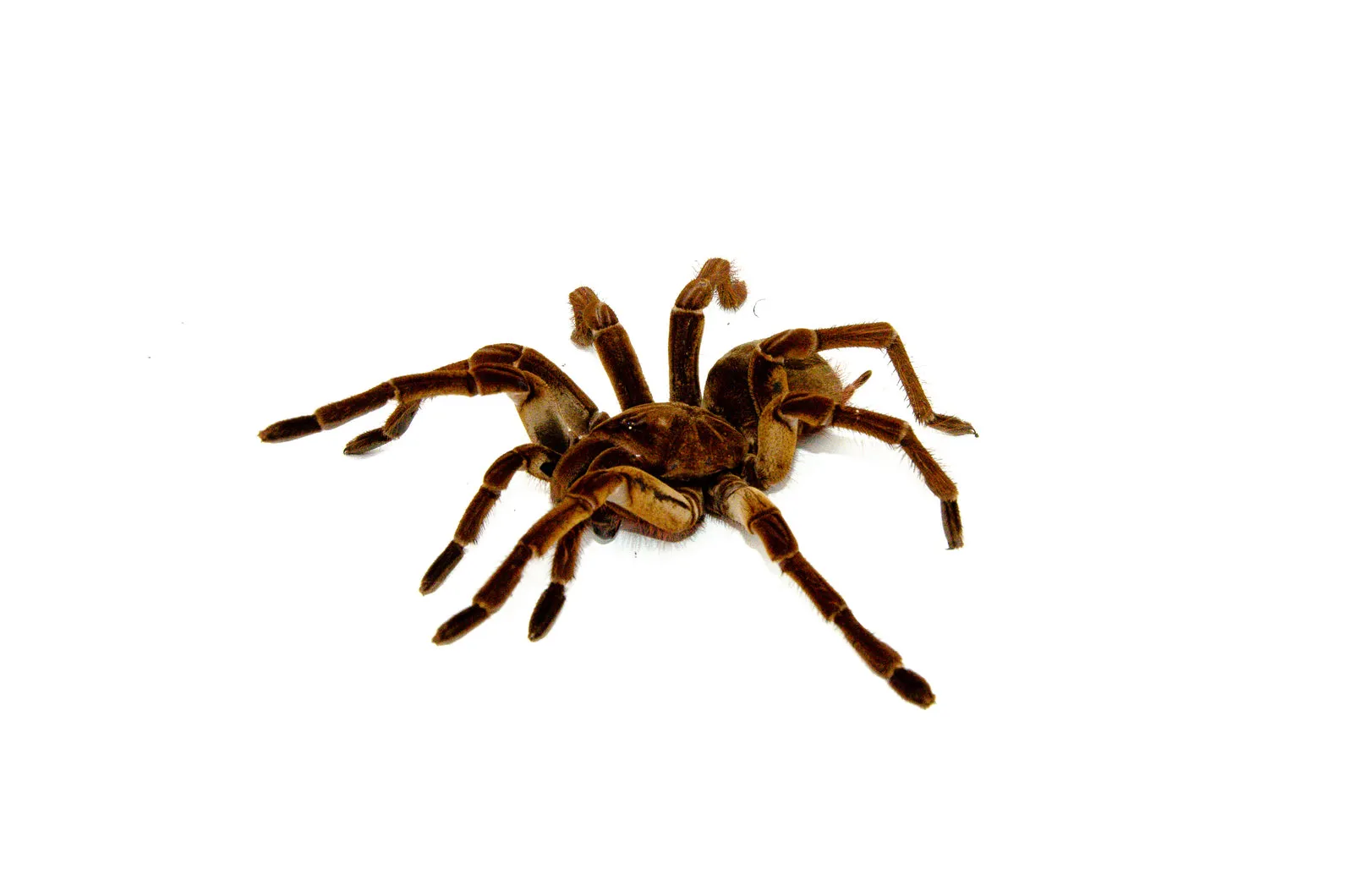
What is the Goliath Birdeater Tarantula?
The Goliath birdeater tarantula (Theraphosa blondi) is a truly remarkable creature, and one of the largest spiders in the world. Found in the rainforests of northern South America, this giant arachnid is a fascinating subject of study and a popular, albeit challenging, pet for some. Understanding the Goliath birdeater requires appreciating its unique characteristics, behavior, and place in its ecosystem. This article will delve into the top facts about this impressive spider, from its physical attributes and feeding habits to its defensive mechanisms and conservation status. Get ready to explore the world of the Goliath birdeater tarantula!
Physical Characteristics
The Goliath birdeater is an imposing spider, easily identifiable by its sheer size and robust build. Its appearance is a significant part of what makes it so captivating, drawing both admiration and a healthy dose of respect. The spider’s body is covered in dense, reddish-brown hairs, which help it to blend in with its forest surroundings and provide a degree of sensory input, such as detecting vibrations. The Goliath birdeater has eight legs, typical of spiders, each ending in sharp claws that allow it to climb and grip surfaces. Its chelicerae, or fangs, are large and powerful, designed for capturing and subduing prey. The overall impression is of a powerful, well-adapted predator perfectly suited to its environment.
Size and Appearance

The Goliath birdeater tarantula holds the distinction of being one of the largest spiders on Earth, a title that adds to its mystique. These spiders can have a leg span of up to 12 inches (30 centimeters) or more, and weigh up to 6 ounces (170 grams). Their bodies alone can reach lengths of over 4 inches (10 centimeters). Females tend to be larger than males. The spider’s body is covered in hairs that range in color from dark brown to a reddish hue, providing camouflage and sensory input. The formidable fangs and overall size make it an impressive sight, and a clear indication of its apex predator status in its habitat. The size of the Goliath birdeater is a key factor in its ability to hunt and survive in its natural environment.
Habitat and Distribution
The Goliath birdeater tarantula is a creature of the rainforest, specifically the rainforests of northern South America. Its habitat preferences and distribution are important aspects to understand when considering its lifestyle and the threats it faces. The spider’s range is limited to specific geographical areas, and understanding these boundaries is crucial for conservation efforts and for anyone interested in its care.
Where They Live
These tarantulas are primarily found in the rainforests of northern South America, including countries such as Brazil, Venezuela, Guyana, Suriname, and French Guiana. They thrive in humid environments with high rainfall and dense vegetation. They construct burrows in the ground, often near swamps or marshes, where they can find shelter from the sun and predators. These burrows are usually lined with silk to provide a safe and comfortable habitat. The Goliath birdeater is a terrestrial spider, rarely found climbing trees, preferring to stay close to the ground in its carefully constructed burrow.
Top 5 Facts About Goliath Birdeater Tarantulas

Fact 1: Size and Weight
As previously mentioned, the Goliath birdeater is the largest spider in the world, by mass. They can weigh up to 6 ounces (170 grams), which is more than some small birds. The leg span of these spiders can reach up to 12 inches (30 centimeters) or more, making them a truly imposing sight. The sheer size of the Goliath birdeater is a key characteristic that distinguishes it from other spiders and contributes to its predatory prowess. This impressive size is a testament to its powerful build and successful adaptation to its environment.
Fact 2: Diet
Despite its name, the Goliath birdeater rarely eats birds. Its diet primarily consists of insects, earthworms, and other invertebrates. However, the spider is an opportunistic predator, and it may occasionally feed on small vertebrates like lizards, frogs, and yes, even small birds. The Goliath birdeater hunts by ambush, waiting in its burrow or nearby, and then ambushing its prey with a swift strike. Its chelicerae, or fangs, are used to inject venom and crush the prey. The diet of the Goliath birdeater reflects its status as an apex predator in its ecosystem.
Fact 3: Venom

Like all tarantulas, the Goliath birdeater has venom, but it is not particularly dangerous to humans. The venom is primarily used to subdue prey and is not considered lethal to humans, although a bite can be painful and cause localized symptoms such as swelling, muscle cramps, and nausea. The spider’s primary defense mechanism is not its bite but its urticating hairs. These hairs, which it flicks off its abdomen, cause severe irritation and can be a significant deterrent to potential predators. This defense strategy is more frequently employed than biting, making the venom less of a primary concern.
Fact 4: Lifespan
The lifespan of the Goliath birdeater varies depending on the sex of the spider. Females typically live much longer than males, with a lifespan of up to 25 years in the wild. Males, on the other hand, have a much shorter lifespan, often only living for 3-6 years. This difference is largely due to the role of reproduction. After mating, the male often dies, while the female continues to live and reproduce. The long lifespan of females contributes to the species’ survival and allows them to produce multiple clutches of eggs over their lifetime.
Fact 5: Defense Mechanisms
The Goliath birdeater employs several defense mechanisms to protect itself from predators. While its size alone offers some protection, it also utilizes other strategies. As mentioned earlier, the most effective defense mechanism is the urticating hairs, which the spider flicks off its abdomen. These hairs are incredibly irritating and cause itching and discomfort upon contact, deterring predators. The spider can also make a hissing sound by rubbing its legs together, which serves as a warning. Although the bite is not the primary defense, the large fangs and venom can be used if the spider feels threatened.
Goliath Birdeater Tarantula Behavior

Understanding the behavior of the Goliath birdeater is crucial for anyone interested in this fascinating arachnid. Their behavior is largely dictated by their environment, their need to hunt, and their need to reproduce. Although they might appear intimidating, their behavior is often predictable and can be understood by observing their habits.
Temperament and Handling
The Goliath birdeater is generally considered a docile tarantula, but it should still be handled with caution. They are not aggressive, but if provoked or threatened, they can bite or flick urticating hairs. Handling should be kept to a minimum and only done by experienced individuals. It is essential to avoid sudden movements and to allow the spider to move at its own pace. The best way to interact with a Goliath birdeater is by observing it in its habitat, providing a safe and enriching environment, rather than by directly handling it.
Molting and Growth
Like all tarantulas, the Goliath birdeater undergoes a process called molting. Molting is the process of shedding its exoskeleton to allow for growth. During molting, the spider is extremely vulnerable. The process begins when the spider forms a new exoskeleton beneath its old one. It then flips onto its back and wriggles out of the old exoskeleton. The spider’s new exoskeleton is soft at first, and it will take time to harden. During this period, the spider is highly susceptible to injury and predation. After molting, the spider will appear brighter and more vibrant, and its size will have increased. Molting is a crucial part of the spider’s life cycle and is a sign of a healthy spider.
Conservation Status

The conservation status of the Goliath birdeater is an important consideration. While not currently listed as threatened, the species faces potential threats due to habitat loss and the pet trade. It is important to understand these threats and to support conservation efforts aimed at protecting this unique and impressive spider. The Goliath birdeater’s survival relies on the preservation of its natural habitat.
Threats and Conservation Efforts
The main threats to the Goliath birdeater include habitat loss due to deforestation and the pet trade. As rainforests are cleared for agriculture and other purposes, the spider’s habitat shrinks, and populations decline. The pet trade can also impact wild populations if spiders are collected unsustainably. Conservation efforts focus on protecting rainforest habitats and promoting sustainable practices within the pet trade. Educating the public about the importance of biodiversity and the role of the Goliath birdeater in its ecosystem is also crucial. Supporting conservation organizations that work to protect rainforests and promote responsible pet ownership is a good way to help. Protecting the Goliath birdeater also protects the entire ecosystem it belongs to.