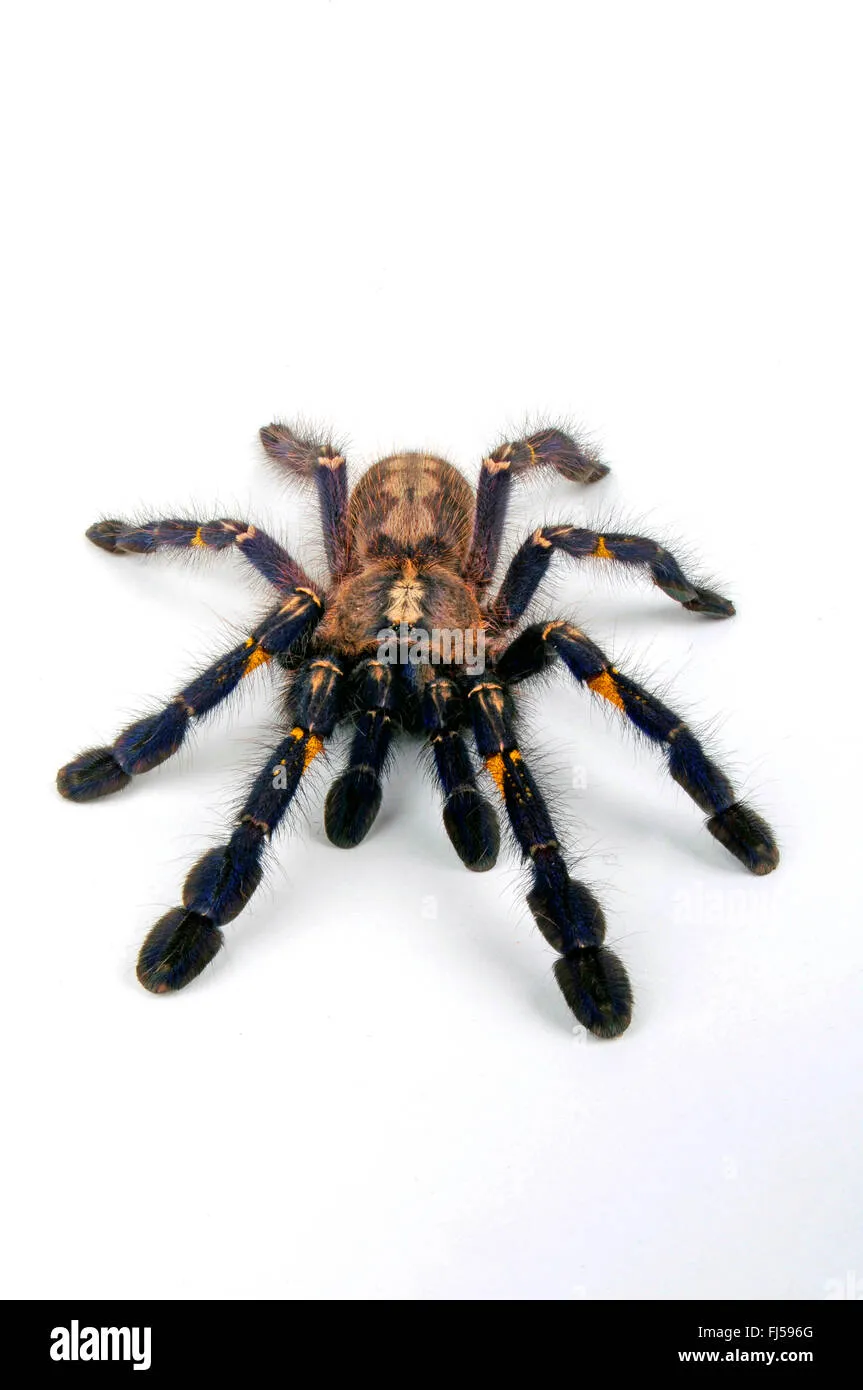
Gooty Sapphire Tarantula (GST) Overview
The Gooty Sapphire Tarantula, scientifically known as Chilobrachys natans, is a captivating and highly sought-after tarantula species among arachnid enthusiasts in the UK. Its striking appearance, characterized by a vibrant sapphire-blue iridescence on its legs and carapace, makes it a true gem in the world of exotic pets. Originating from the Andhra Pradesh region of India, the GST has gained popularity due to its unique coloration and moderate care requirements. However, potential owners must understand that, while visually stunning, these tarantulas have specific needs that must be met to ensure their well-being. This guide provides comprehensive information for those looking to buy a Gooty Sapphire Tarantula in the UK, covering everything from sourcing and care to potential health issues, ensuring a responsible and enjoyable experience.
Origin and Habitat of the Gooty Sapphire Tarantula
Understanding the natural habitat of the Gooty Sapphire Tarantula is crucial for replicating its ideal living conditions in captivity. Native to the Andhra Pradesh region of India, these tarantulas are primarily terrestrial, inhabiting burrows in the ground. Their natural environment is characterized by a tropical climate, with high humidity and moderate temperatures. The soil composition in their native habitat is often a mix of clay and sand, which helps the tarantulas construct and maintain their burrows. In the wild, they are opportunistic predators, feeding on insects and other small invertebrates. Recreating these conditions in a captive environment, including appropriate substrate, temperature, and humidity levels, is vital for the health and longevity of your GST. Studying these aspects will help to ensure the health of your GST.
Understanding the GST’s Temperament

The temperament of a Gooty Sapphire Tarantula can vary, but they are generally considered to be a defensive species. They are not typically aggressive but will readily defend themselves if they feel threatened. This defensiveness can manifest in various ways, including raising their front legs, flicking urticating hairs, or, in some cases, biting. Handling a GST is generally not recommended unless absolutely necessary, as it can stress the tarantula and potentially lead to a bite. Bites from GSTs are not considered medically significant but can be painful. It is essential to observe the tarantula’s behavior and body language to understand its mood. Providing a secure and enriching environment minimizes stress and promotes a more relaxed temperament. It’s also important to note that individual personalities can differ, and some GSTs may be more docile than others.
GST for Sale UK Buying Guide
Purchasing a Gooty Sapphire Tarantula in the UK requires careful consideration. Before acquiring a GST, research reputable breeders and suppliers who prioritize the health and well-being of their tarantulas. It is crucial to understand the legal aspects of keeping exotic pets in the UK, ensuring you comply with all relevant regulations. The GST’s stunning appearance and interesting behaviors make it an appealing pet, but potential owners must be prepared for the responsibilities that come with it. Thorough research into the species’ needs and the commitment required for long-term care is vital. This includes understanding their specific environmental requirements, feeding habits, and potential health issues.
Where to Find Gooty Sapphire Tarantulas for Sale in the UK
Finding a Gooty Sapphire Tarantula for sale in the UK involves researching reputable sources. Online marketplaces, specialized reptile and exotic pet stores, and dedicated tarantula breeders are common avenues. When searching online, use specific search terms like “Gooty Sapphire Tarantula for sale UK” or “Chilobrachys natans UK”. Local reptile shows and exhibitions offer opportunities to meet breeders and view tarantulas in person. Before making a purchase, verify the seller’s reputation by checking online reviews and asking for references. Always prioritize the welfare of the tarantula by choosing sellers who can provide information about the tarantula’s origin, age, and health history. Ensure the seller adheres to ethical practices and complies with all relevant UK regulations. Buying a GST can be an amazing experience for any owner, but the safety of your tarantula must come first.
Reputable UK Breeders and Suppliers

Choosing a reputable breeder or supplier is paramount to ensuring you acquire a healthy Gooty Sapphire Tarantula. Look for breeders with a proven track record and positive customer reviews. Reputable breeders typically prioritize the health and well-being of their tarantulas, offering detailed information about their care and origin. Check for breeders who are transparent about their breeding practices, including the tarantulas’ lineage and health records. Suppliers should be able to provide advice and support after your purchase. Avoid sellers who seem evasive or unwilling to answer your questions. A good breeder will be passionate about the species and happy to share their knowledge. Some examples of reputable suppliers may include specialized reptile shops with a good reputation and breeders who participate in online forums and communities, demonstrating their expertise and commitment to ethical practices.
Factors to Consider Before Buying a GST
Before buying a Gooty Sapphire Tarantula, several factors must be considered. First, assess your ability to provide the necessary care, including the correct enclosure size, appropriate substrate, temperature, and humidity levels. Research the GST’s diet, ensuring you can source the appropriate food items, such as crickets, roaches, and mealworms. Consider the time commitment required for regular feeding, watering, and enclosure maintenance. Evaluate the costs associated with the GST’s care, including the initial purchase price, enclosure setup, food, and potential veterinary expenses. Ensure you have a suitable location in your home for the tarantula’s enclosure, away from direct sunlight, drafts, and excessive noise. Finally, understand the GST’s potential lifespan, which can be several years, and be prepared to provide long-term care. GST are very rewarding pets if kept healthy and safe.
GST Care and Housing Requirements
Providing the correct environment is essential for the health and well-being of your Gooty Sapphire Tarantula. The enclosure should be appropriately sized, allowing enough space for the tarantula to move and explore. A good rule of thumb is to provide an enclosure that is at least three times the tarantula’s leg span in width. The enclosure should be escape-proof, with a secure lid to prevent accidental escapes. Ventilation is crucial, but avoid creating drafts that can stress the tarantula. A bioactive setup, incorporating live plants and beneficial insects, can help maintain humidity and keep the enclosure clean. The choice of enclosure material (glass, acrylic, or plastic) will depend on personal preference and budget, but ensure it offers good visibility and is easy to clean. GST’s are very rewarding pets if their environment is set up correctly.
Setting Up the Perfect GST Enclosure

Setting up the perfect enclosure for your Gooty Sapphire Tarantula involves several key elements. Start with a suitable enclosure, as described above. Add a substrate layer of approximately 4-6 inches deep to allow for burrowing. A mix of coco fiber, peat moss, and vermiculite is ideal for retaining humidity and providing a natural environment. Include a hide, such as a piece of cork bark or a decorative cave, for the tarantula to retreat to. Provide a shallow water dish with fresh, clean water at all times. Decorate the enclosure with live or artificial plants to create a more naturalistic environment and provide hiding places. Maintain a stable temperature range of 75-85°F (24-29°C) using a heat lamp or mat, ensuring the heat source does not directly contact the tarantula. Regularly monitor and maintain the humidity level between 70-80% using a hygrometer, misting the enclosure as needed.
Substrate, Temperature, and Humidity
The choice of substrate is fundamental to the health and well-being of a Gooty Sapphire Tarantula. A substrate mix that retains moisture and allows for burrowing is ideal. A combination of coco fiber, peat moss, and vermiculite provides excellent moisture retention, while also offering a naturalistic environment for the tarantula to build its burrow. Avoid substrates that can be harmful if ingested, such as gravel or sand. Temperature is another crucial factor. The ideal temperature range for a GST is between 75-85°F (24-29°C). Use a heat lamp or mat to maintain this temperature, but be careful to avoid direct contact between the heat source and the tarantula. Monitor the temperature regularly using a thermometer. Humidity plays a critical role in the GST’s health. The recommended humidity level is between 70-80%. Use a hygrometer to monitor the humidity and mist the enclosure as needed, but avoid over-misting, which can lead to mold growth.
GST Feeding and Diet
Feeding your Gooty Sapphire Tarantula is a straightforward process, but it is essential to provide the correct food items to ensure its health and growth. The GST is an insectivore, so its diet should primarily consist of insects. Crickets, roaches, and mealworms are common food sources. The size of the prey should be appropriate for the size of the tarantula; generally, the prey should be no larger than the tarantula’s body. It is essential to gut-load the insects before feeding them to your GST. Gut-loading involves feeding the insects a nutritious diet for 24-48 hours before feeding them to the tarantula, which enhances the nutritional value of the insects. Avoid feeding wild-caught insects, as they may carry parasites or pesticides. Provide a shallow water dish with fresh water at all times to allow the tarantula to drink.
Feeding Frequency and Food Options

The frequency of feeding your Gooty Sapphire Tarantula depends on its age and size. Spiderlings and juvenile tarantulas should be fed more frequently, usually 2-3 times per week. Adult tarantulas can be fed less often, typically once or twice a week. The amount of food offered should be adjusted based on the tarantula’s appetite and how quickly it consumes the prey. Remove any uneaten prey within 24 hours to prevent stress on the tarantula and the buildup of waste in the enclosure. The primary food options for GSTs include crickets, dubia roaches, and mealworms. Waxworms and superworms can be offered as occasional treats but should not form the bulk of the diet due to their high-fat content. Always ensure the insects are sourced from a reputable supplier and are free from parasites or pesticides. Variety is key.
GST Health and Common Issues
Gooty Sapphire Tarantulas are generally hardy creatures, but like all animals, they can be susceptible to certain health issues. Proper husbandry is key to preventing most health problems. Common issues include dehydration, which can be caused by insufficient access to water or low humidity levels. Mites can infest tarantulas and their enclosures, so regular cleaning and quarantine of new tarantulas are essential. Other potential issues include fungal infections, which can arise from excessively humid conditions, and parasitic infections, which can be contracted from contaminated food. Observe your tarantula regularly for any signs of illness, such as lethargy, loss of appetite, or unusual behavior. It’s important to maintain a clean and appropriate environment to prevent the majority of these health issues. Know that your pet may also require medical care if the need arises.
Identifying a Healthy GST
Identifying a healthy Gooty Sapphire Tarantula is essential for ensuring its well-being. A healthy tarantula will have a plump abdomen, indicating it is well-fed. The legs and carapace should exhibit the vibrant sapphire-blue coloration characteristic of the species. The tarantula should be active and responsive to its surroundings. It should exhibit a good appetite and readily consume prey. The enclosure should be clean, and the substrate should be appropriately moist without being overly wet. The tarantula should shed its exoskeleton regularly as it grows. This process, known as molting, is a natural part of the tarantula’s life cycle. Be aware of the GST’s body language. A healthy GST is going to live a long and rewarding life.
Common Health Problems and Solutions

While Gooty Sapphire Tarantulas are generally hardy, it’s important to recognize and address common health problems. Dehydration can be resolved by ensuring a constant supply of fresh water and maintaining proper humidity levels. Mites can be treated by removing infested substrate and thoroughly cleaning the enclosure; quarantine new tarantulas and other animals. Fungal infections can be prevented by maintaining appropriate humidity and ventilation, while parasitic infections can be avoided by sourcing feeder insects from reputable suppliers and gut-loading them. If you notice any signs of illness, such as loss of appetite, lethargy, or unusual behavior, consult an experienced tarantula keeper or a veterinarian specializing in exotic animals. Early detection and intervention are critical for successful treatment. Being aware of how to address these issues will greatly improve your GST’s chances of living a long and healthy life.