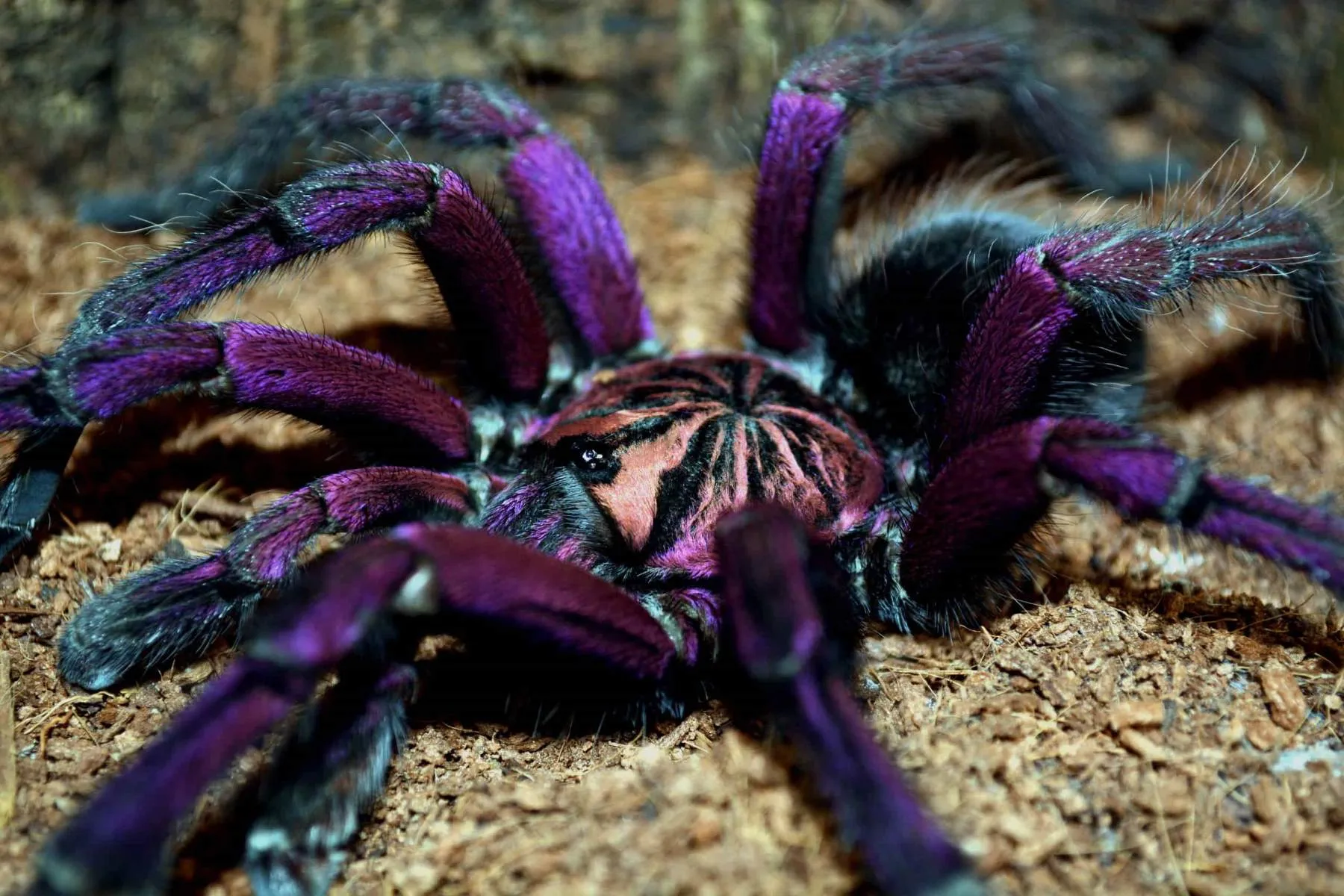
Green Bottle Blue Tarantula Overview
The Green Bottle Blue Tarantula (GBB), scientifically known as Chromatopelma cyaneopubescens, is a stunning and sought-after species in the tarantula hobby. Originating from the dry woodlands of northern Venezuela and parts of Trinidad and Tobago, this spider captivates enthusiasts with its vibrant coloration and interesting behaviors. This article delves into the fascinating world of GBBs, exploring their unique characteristics, care requirements, and some amazing facts that make them a popular choice for both novice and experienced keepers. Learn about the beauty and challenges of keeping this exotic creature, discovering what makes them so captivating and how to ensure their well-being in captivity. Understanding their needs is the key to appreciating their beauty and ensuring their longevity.
Appearance and Identification
The GBB is renowned for its striking appearance, which is where it gets its common name. Their coloration is a true spectacle, making them one of the most visually appealing tarantulas. Juvenile GBBs start with more muted colors, but as they mature, their vibrant hues become more pronounced, offering a delightful experience for any keeper. The contrast between the green, blue, and orange makes them a unique and stunning sight. Their unique beauty is a major draw for many hobbyists, making them a centerpiece of any tarantula collection.
Coloration and Markings

Adult GBBs display a remarkable palette of colors. Their carapace (the top part of their cephalothorax) is typically a metallic green or bluish-green, which gives them their name. The legs are a vibrant blue, and the abdomen is often a fiery orange, creating a vivid contrast. The chelicerae, or mouthparts, can also have a metallic sheen. These colors intensify with each molt, making them a visual delight for tarantula keepers. Their coloration is not just beautiful; it also helps them blend in with their natural environment.
Size and Lifespan
GBBs are medium-sized tarantulas. Females typically reach a leg span of about 5 to 6 inches, while males are usually slightly smaller. They have a moderate growth rate, reaching maturity in a few years. In terms of lifespan, female GBBs can live for 10 to 12 years or even longer under optimal conditions, whereas males typically live for 2 to 3 years after reaching maturity. The longevity of females makes them a rewarding pet for dedicated owners. They provide many years of enjoyment and fascination.
Habitat and Natural Behavior
Understanding the natural habitat and behavior of the GBB is crucial for providing proper care. In the wild, these tarantulas inhabit dry, scrubby forests and woodlands. They are known for their arboreal tendencies, meaning they spend a significant amount of time off the ground. Providing the right environment in captivity allows them to thrive. Replicating their natural environment is key to their well-being and encourages natural behaviors.
Native Environment

GBBs are native to the coastal regions of northern Venezuela and parts of Trinidad and Tobago. Their environment is characterized by dry, tropical climates with distinct wet and dry seasons. They thrive in areas with moderate temperatures and humidity. The spiders build webs in trees and shrubs. Understanding their natural environment is essential for replicating their needs in a captive environment, helping them thrive and exhibit natural behaviors.
Burrowing and Webbing Habits
While often described as arboreal, GBBs are also known to create elaborate webs that extend both vertically and horizontally. They often burrow slightly at the base of trees or shrubs. They use their webs to create a secure home, trap prey, and navigate their environment. In captivity, they will readily create extensive webbing. Providing suitable substrate and secure enclosure will allow them to express their natural web-building instincts.
Diet and Feeding Habits
In their natural environment and in captivity, the GBB are opportunistic predators. They are not picky eaters and will consume a variety of insects. Feeding habits are influenced by their metabolism and activity level. Providing the right amount of food ensures healthy growth and development. Learning about the dietary needs of the GBB is vital for any tarantula keeper.
Prey in the Wild

In the wild, GBBs feed on a variety of insects and small invertebrates. Their diet includes crickets, beetles, moths, and other readily available prey. They are ambush predators, waiting in their webs for unsuspecting insects to wander by. Their hunting strategy is well-adapted to their environment. The spiders use their fangs to inject venom and paralyze their prey before feeding.
Feeding in Captivity
In captivity, GBBs can be fed a diet of commercially available insects such as crickets, roaches, and mealworms. It is important to vary the diet to provide a balanced intake of nutrients. Feeding frequency depends on the age and size of the tarantula, but generally, adults can be fed once or twice a week. Remove any uneaten prey within 24 hours to maintain a clean enclosure and prevent stress to the spider. Always make sure to offer fresh water in a shallow dish.
Temperament and Handling
GBBs are generally considered a display species. They are not known for aggression. However, like all tarantulas, they can bite if provoked. It is important to understand their temperament and practice safe handling techniques. Their behavior can vary depending on the individual spider, the environment, and the time of day. Careful observation and a respect for the spider’s space are essential.
Venom and Bites

The venom of the GBB is not considered medically significant to humans. A bite from a GBB is comparable to a bee sting. The symptoms may include localized pain, redness, and swelling at the bite site. Allergic reactions are rare, but if you experience severe symptoms, it is important to seek medical attention. Always prioritize safety when handling or working around tarantulas.
Handling Safety
Handling a GBB should be kept to a minimum, if at all. They are easily stressed and can become defensive if they feel threatened. Avoid handling unless absolutely necessary, such as when transferring the spider to a new enclosure or during a health check. When handling, do so close to the ground or over a soft surface to prevent injury if the spider falls. Never try to grab or corner the spider. Allow it to walk onto your hand or use a soft brush to gently guide it.
Green Bottle Blue Tarantula Care Guide
Proper care is essential to ensure a long and healthy life for your GBB. Providing the correct environment, including temperature, humidity, and substrate, is crucial. Consistent care and a thorough understanding of their needs will contribute significantly to their overall well-being. This section offers a comprehensive overview of the care requirements for these fascinating creatures, providing you with the necessary information to create a thriving environment.
Enclosure Requirements

The enclosure for a GBB should be appropriately sized for its leg span. A 10-gallon tank is suitable for juveniles, while adults will need a larger enclosure, such as a 20-gallon long tank or a similar-sized arboreal enclosure. The enclosure should be well-ventilated to prevent the buildup of humidity and mold. It should also have a secure lid to prevent escape. Ensure that there are no gaps. A well-designed enclosure is key to maintaining their health and promoting natural behaviors.
Humidity and Temperature
GBBs thrive in a relatively dry environment with a moderate humidity level. Maintain a humidity level of 60-70% using a hygrometer. Mist the enclosure lightly once or twice a week, or as needed, to maintain the humidity level. Provide a shallow water dish with fresh water at all times. The ideal temperature range for a GBB is between 75-85°F (24-29°C). Use a heat source such as a heat mat or ceramic heat emitter, to maintain the desired temperature. Ensure that the heat source does not directly touch the substrate.
Substrate and Decorations
Use a substrate that holds some moisture but drains well. A mix of coco fiber, peat moss, and vermiculite is ideal. The substrate should be at least 3-4 inches deep to allow the spider to burrow. Provide plenty of climbing opportunities and decorations. Cork bark, branches, and artificial plants can create a stimulating environment that mimics their natural habitat. This helps the GBB feel secure and encourages natural behaviors such as web building.
Health and Common Issues

Like all living creatures, GBBs can be susceptible to certain health issues. Understanding these issues and how to prevent and treat them is essential for responsible pet ownership. Regular monitoring of your GBB for signs of illness will help you address any issues promptly and ensure its health and longevity. A healthy GBB is a happy GBB.
Molting Process
Molting is a natural process where tarantulas shed their exoskeleton to grow. During this time, the GBB will typically become inactive and may refuse to eat. The spider will often lie on its back during the molting process. Do not disturb the spider during this time. Provide adequate humidity to ensure a successful molt. Once the molt is complete, the spider’s new exoskeleton will be soft. Do not feed the spider for a few days until the exoskeleton hardens.
Parasites and Diseases
GBBs are generally hardy, but they can be susceptible to parasites and diseases. Mites are a common problem in tarantulas. Inspect the spider and its enclosure regularly for signs of mites. Proper hygiene, including removing uneaten food and maintaining a clean enclosure, can help prevent these issues. If you suspect your GBB has a health problem, consult with a veterinarian or an experienced tarantula keeper for advice.
Breeding and Reproduction
Breeding GBBs in captivity requires experience and a thorough understanding of their needs. The process involves careful preparation, monitoring, and patience. Breeding tarantulas can be a rewarding experience, allowing you to witness the complete life cycle of these fascinating creatures. Successful breeding requires dedicated effort and a keen eye for detail.
Mating Ritual
Mating GBBs involves introducing a mature male to a receptive female. The male will typically drum on the substrate to attract the female. If the female is receptive, she will allow the male to mate. It is important to monitor the pair during mating to prevent the female from attacking the male. The mating process itself can be a spectacle to witness. Careful observation is vital to ensure the safety of both spiders.
Egg Sac and Spiderlings
After mating, the female will produce an egg sac containing hundreds of eggs. She will carefully guard the egg sac, and the spiderlings will emerge after a few weeks. The spiderlings are small and fragile. They should be kept in a separate enclosure with plenty of food and water. Caring for spiderlings requires patience and a meticulous approach. Ensuring the best possible start for these new spiders will help them grow into healthy adults.
Conclusion
The Green Bottle Blue Tarantula is a captivating species that offers a unique and rewarding experience for tarantula enthusiasts. Its stunning coloration, interesting behaviors, and moderate care requirements make it a popular choice. By understanding their habitat, diet, temperament, and care needs, you can successfully keep and appreciate these amazing creatures. With proper care, the GBB can thrive in captivity, providing years of fascination and enjoyment. From their striking beauty to their intriguing behaviors, the GBB is a testament to the wonders of the natural world.