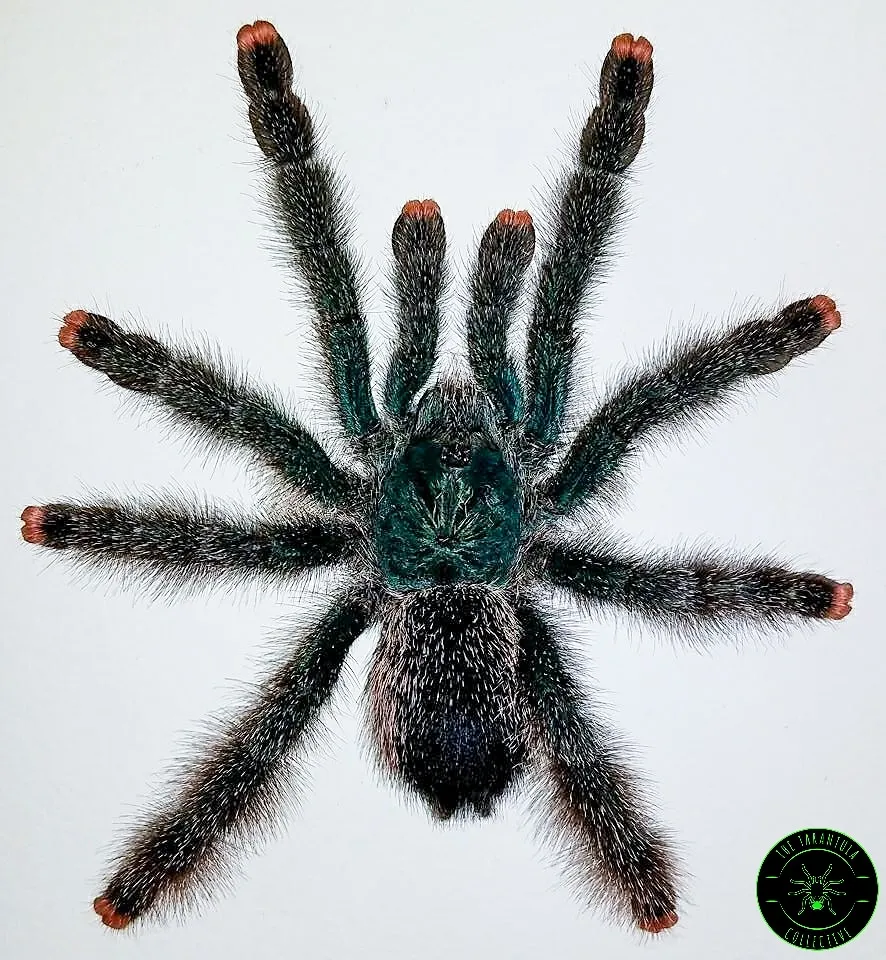
Guyana Pinktoe Tarantula Care Tips
The Guyana Pinktoe Tarantula (Caribena versicolor) is a captivating arboreal species, popular among tarantula enthusiasts for its vibrant colors and relatively docile temperament. Successfully keeping a Guyana Pinktoe Tarantula requires understanding its specific needs. This guide provides essential care tips to ensure your pinktoe thrives, covering enclosure setup, feeding, hydration, handling, and health considerations. Following these guidelines will help you create a comfortable and stimulating environment for your new pet, allowing you to enjoy the beauty and intrigue of this fascinating creature. Proper care not only ensures the tarantula’s well-being but also enhances the overall experience for the keeper, fostering a deeper appreciation for these incredible arachnids. Remember, responsible pet ownership is key to a fulfilling experience.
Enclosure Setup
Creating the right habitat is crucial for the Guyana Pinktoe Tarantula’s health and happiness. The enclosure should mimic its natural arboreal environment. A well-designed enclosure provides security and facilitates natural behaviors, such as climbing and web-building. Setting up the enclosure correctly from the start will minimize stress on the tarantula and make maintenance easier for you. The initial setup is critical for the tarantula’s long-term well-being, contributing to its overall health and longevity. Consider the long-term needs of the tarantula, ensuring the setup can accommodate its growth and changing requirements. Proper setup leads to a thriving tarantula.
Choosing the Right Tank

For a Guyana Pinktoe, a tall enclosure is best. A good starting point is a terrarium that is at least 12x12x18 inches for an adult. The enclosure needs to be taller than wide to allow for climbing. Ensure the enclosure has good ventilation to prevent mold and mildew. A secure lid is also vital, as pinktoes are agile climbers. A well-ventilated enclosure is also key to controlling humidity levels and maintaining a healthy environment. Clear, transparent enclosures allow for easy viewing and monitoring of your tarantula. Selecting the appropriate size early on will prevent the need for frequent upgrades as the tarantula grows, making the keeping experience more streamlined.
Substrate Selection
The substrate should retain moisture while still allowing for some ventilation. A mixture of peat moss, coconut fiber, and a small amount of vermiculite is ideal. The substrate should be deep enough to allow the tarantula to burrow if it chooses, although pinktoes are primarily arboreal. The substrate’s primary function is to maintain humidity, which is essential for pinktoes’ health. It should also be free from chemicals and safe for the tarantula. Regular spot cleaning of the substrate will help maintain a healthy environment and prevent the growth of harmful bacteria. Substrate selection is very important in maintaining a successful environment for the Guyana Pinktoe.
Temperature and Humidity
Guyana Pinktoe Tarantulas thrive in temperatures between 75-85°F (24-29°C). Use a thermometer to monitor the temperature inside the enclosure. Humidity should be maintained at 70-80%. This can be achieved by regularly misting the enclosure with dechlorinated water. Good ventilation is crucial to prevent the humidity from becoming too high, which can lead to mold. A hygrometer can help you keep track of humidity levels. Maintaining the correct temperature and humidity is critical for the tarantula’s molting process and overall well-being. These factors closely replicate their natural environment, fostering a healthy and thriving tarantula.
Feeding Your Pinktoe

Proper nutrition is vital for the health and growth of your Guyana Pinktoe Tarantula. Feeding the correct food items and frequency helps ensure the tarantula receives all the necessary nutrients. A balanced diet contributes to the tarantula’s vibrant colors and overall vitality. Overfeeding can be as harmful as underfeeding, so understanding the right feeding practices is crucial. Always ensure the food items are safe and free from pesticides or contaminants. The goal is to provide a diet that supports healthy growth and activity levels.
Appropriate Diet
The primary food source for Guyana Pinktoe Tarantulas should be insects. Crickets, roaches (dubia roaches are an excellent option), and mealworms are all suitable choices. The size of the prey should be appropriate for the size of the tarantula; typically, prey should be no larger than the tarantula’s body length. Ensure the insects are gut-loaded with nutritious food before feeding them to your tarantula. Gut-loading enhances the nutritional value of the prey, transferring essential vitamins and minerals to the tarantula. Variety in the diet helps prevent nutritional deficiencies and keeps the tarantula interested in its food. Freshly molted insects are also easier for the tarantula to digest. Offer a diverse and balanced diet.
Feeding Frequency
Juvenile Guyana Pinktoe Tarantulas should be fed 2-3 times per week. As the tarantula matures, reduce the feeding frequency to once a week or even less. Adult tarantulas can often go for extended periods without food. Always remove uneaten food items within 24 hours to prevent mold and mites from developing in the enclosure. Observe your tarantula’s behavior and adjust the feeding schedule accordingly; a tarantula that refuses food might be in premolt. Do not overfeed, as this can lead to health issues. Regular observation of your tarantula’s feeding habits helps in maintaining its health and well-being.
Watering and Hydration

Providing fresh water is essential for your Guyana Pinktoe Tarantula’s survival. Hydration is critical for the tarantula’s molting process and overall health. Dehydration can lead to serious health complications, so ensuring adequate water access is a fundamental aspect of tarantula care. The right watering practices will help maintain optimal humidity levels and support the tarantula’s well-being. Constant access to water and monitoring the enclosure’s humidity are paramount for your tarantula.
Providing Fresh Water
Always provide a shallow water dish with fresh, clean water. The water dish should be shallow enough to prevent the tarantula from drowning. Regularly clean the water dish to prevent bacterial growth. Use dechlorinated water to avoid any harmful chemicals. A water dish is a must, as the tarantula needs a constant supply of fresh water to stay hydrated. Checking the water dish daily and refilling it when necessary will help the tarantula to thrive. The water source should always be clean and easily accessible.
Maintaining Humidity Levels
Misting the enclosure with dechlorinated water is the primary method of maintaining humidity. Mist the enclosure 2-3 times a week, or as needed to maintain the 70-80% humidity range. Avoid over-misting, as excessive humidity can lead to mold and fungal growth. Good ventilation is crucial to prevent the build-up of excess moisture. Use a hygrometer to accurately measure humidity levels. Regular monitoring and adjustment of misting frequency will help keep humidity levels stable. Adequate humidity is crucial for successful molting.
Handling and Interaction

Handling Guyana Pinktoe Tarantulas is generally not recommended, as they can be skittish and may bite if they feel threatened. Their bite is not medically significant to humans, but it can be painful. Observing your tarantula in its enclosure is often the best way to enjoy it. Understanding tarantula behavior allows for a safer and more enjoyable experience. Always prioritize the tarantula’s well-being and minimize any potential stress. Handling should only be done with extreme caution and when absolutely necessary.
Safe Handling Practices
If you must handle your Guyana Pinktoe Tarantula, do so with extreme care. Handle the tarantula close to the ground or a soft surface to prevent injury from a fall. Avoid sudden movements and be gentle. Use a soft brush or a cup to gently guide the tarantula if necessary. Never try to force the tarantula to do anything it doesn’t want to do. Wash your hands thoroughly before and after handling. Be aware of the tarantula’s temperament at all times. Understanding tarantula behavior is the key to safe handling.
Understanding Tarantula Behavior
Observe your Guyana Pinktoe Tarantula’s behavior. Tarantulas are generally solitary creatures and don’t enjoy being handled. If the tarantula is flicking hairs from its abdomen, it is a sign of stress. If it is in a defensive posture, it might be preparing to bite. Respect the tarantula’s space and don’t handle it when it is in premolt or has just molted. Learn to read the tarantula’s body language to avoid stressful situations. Recognizing these cues can prevent both you and the tarantula from experiencing unwanted stress. Observe and learn the tarantula’s behaviour.
Health and Common Issues

Knowing how to recognize and address common health issues is crucial for responsible tarantula care. Proper care and maintenance can prevent many health problems. Regularly checking your Guyana Pinktoe Tarantula for signs of illness is very important. Early detection and intervention can often make a significant difference in the tarantula’s outcome. Maintaining a clean and appropriate environment significantly reduces the likelihood of health problems. Always consult a veterinarian specializing in exotic animals if you suspect your tarantula is ill.
Recognizing Signs of Illness
Common signs of illness include lethargy, loss of appetite, unusual posture, and discharge. A tarantula in premolt may refuse food and become less active. If the tarantula is not eating, it may be in premolt or experiencing a health issue. Check for any signs of mites, which can infest the tarantula’s body. Observe the tarantula’s behavior and appearance regularly. If you see anything unusual, it is best to consult with a veterinarian experienced in exotic animals. Early detection is very important for the treatment of any potential health issues.
Preventative Measures
Preventative measures include maintaining a clean enclosure, providing a balanced diet, and ensuring proper temperature and humidity levels. Quarantine new tarantulas to prevent the spread of diseases. Regularly check the substrate for any signs of mold or mites. Avoid the use of pesticides near the enclosure. Proper hygiene and maintenance of the enclosure minimize health risks. Following these preventative measures can significantly improve the health and well-being of your Guyana Pinktoe Tarantula. Take all necessary preventative measures.