Understanding Baby Tarantula Feeding
Caring for a baby tarantula can be a rewarding experience, but it comes with responsibilities, particularly when it comes to feeding. Knowing how often to feed your baby tarantula is crucial for its health and development. Unlike adult tarantulas, which can go for extended periods without food, baby tarantulas require more frequent meals to support their growth. This guide will walk you through the essentials of feeding a baby tarantula, including frequency, food types, and safety measures, ensuring your pet thrives. Feeding frequency depends on several factors, so this guide helps you navigate the process effectively.
Factors Influencing Feeding Frequency
Several factors influence how often you should feed your baby tarantula. These factors are interconnected and require careful consideration to create the optimal feeding schedule. Understanding these elements will help you tailor the feeding plan to your tarantula’s specific needs, ensuring its health and promoting healthy growth. Paying close attention to these aspects allows you to make informed decisions, providing your tarantula with the care it deserves.
Species of Tarantula

Different tarantula species have varying metabolisms and growth rates. Some species grow faster than others, influencing their feeding needs. For instance, faster-growing species like the Chilean Rose Hair tarantula might require more frequent feeding compared to slower-growing species. Research the specific needs of your tarantula species to determine the most appropriate feeding schedule. Ensure you are well informed about the dietary needs specific to your tarantula’s species. Different species often have differing needs based on their natural environments and activity levels, which affects their metabolism and how frequently they should be fed.
Size and Age of the Tarantula
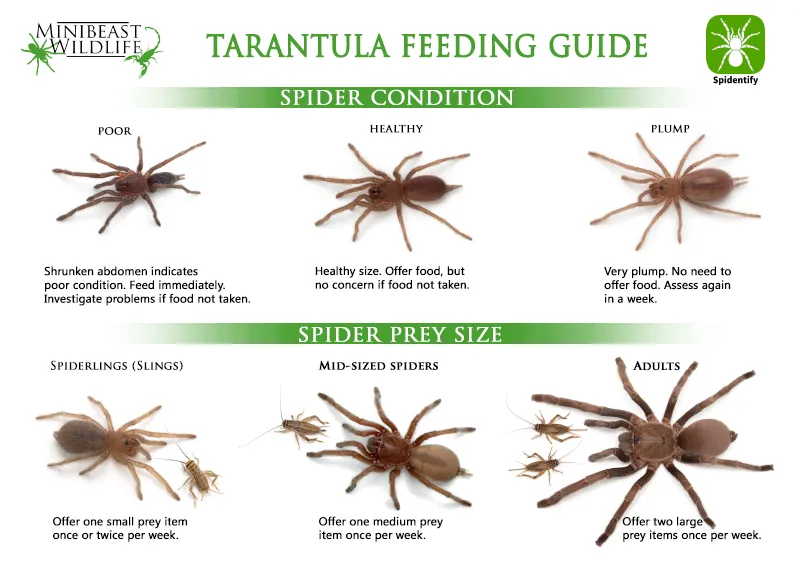
The size and age of your baby tarantula are critical factors. Spiderlings, the youngest tarantulas, need more frequent feeding than juveniles or adults. As they grow, their feeding frequency can be gradually reduced. A very small spiderling might need feeding every other day, while a juvenile could be fed once or twice a week. Monitoring your tarantula’s growth and adjusting the feeding schedule accordingly is essential for ensuring they receive the proper nutrition for each stage of life. The growth rate varies, so observations are more important than strict rules.
Environmental Conditions
Temperature and humidity levels also play a role in your tarantula’s metabolism and appetite. Warmer temperatures tend to increase metabolism, potentially leading to more frequent feeding. Conversely, cooler temperatures might slow down the metabolism, reducing the need for food. Maintaining the appropriate temperature and humidity levels for your tarantula’s species is essential not only for their overall health but also for regulating their feeding habits. Adjusting the feeding schedule based on these environmental factors ensures your tarantula gets the right amount of food, promoting optimal health and growth.
Identifying Hunger Cues in Baby Tarantulas

Learning to recognize hunger cues can help you determine the optimal feeding schedule for your baby tarantula. Observing your pet’s behavior is as important as following a set plan. Understanding the signals that indicate hunger will help prevent underfeeding or overfeeding, promoting the overall health and well-being of your tarantula. This section will detail how to recognize the subtle signs that signal your tarantula is ready for its next meal, ensuring you meet their nutritional needs effectively.
Recognizing a Hungry Tarantula
A hungry baby tarantula often displays specific behaviors. Look for increased activity, such as pacing around the enclosure or actively searching for food. The tarantula might also become more alert and responsive to movement, showing a keen interest in potential prey. Some tarantulas may also exhibit a more aggressive posture. Observe the tarantula closely for these behaviors and adjust the feeding schedule accordingly. These behavioral changes are common indicators of hunger, and paying attention to them helps you time your feedings correctly.
Signs of Overfeeding
Conversely, it’s also important to recognize signs of overfeeding. An overfed tarantula might appear sluggish and less active. It may also refuse food or show little interest in prey. Overfeeding can lead to health problems, such as premature molting or health issues. If you notice these signs, reduce the feeding frequency and ensure the tarantula’s enclosure is at the correct temperature and humidity levels. Regularly monitoring the tarantula’s behavior helps prevent issues associated with overfeeding. It is important to strike a balance, to feed the tarantula as needed without overdoing it.
Creating a Feeding Schedule

Establishing a consistent feeding schedule is crucial for the health and well-being of your baby tarantula. A well-planned schedule helps ensure your pet receives the right amount of food at regular intervals. The schedule needs to be flexible and adaptable to your tarantula’s individual needs, considering factors such as species, age, and environmental conditions. Creating and maintaining a good feeding schedule helps you establish a routine, providing consistent care for your tarantula.
Weekly Feeding Plan
A good starting point is to feed a baby tarantula (spiderlings) every other day or every two to three days. Juvenile tarantulas can be fed once or twice a week. As the tarantula matures, you can gradually reduce the feeding frequency. Always observe your tarantula’s behavior and adjust the schedule as needed. If the tarantula is actively searching for food and readily eating, it might benefit from more frequent meals. A good starting point is to create a set schedule based on the age of the tarantula.
What to Feed Baby Tarantulas
The diet of a baby tarantula should be appropriate for its size and developmental stage. Providing the correct food items is essential for promoting healthy growth and ensuring your pet gets the necessary nutrients. The food should be fresh, and easily digestible. It also needs to be small enough for them to consume without difficulty. It is extremely important to choose the right food, as this directly impacts the health and longevity of your baby tarantula. Make sure to have a plan, and to only use food that is safe and beneficial.
Suitable Food Items

The primary food source for baby tarantulas consists of live insects. Suitable options include small crickets, flightless fruit flies, and pinhead crickets. The size of the prey should be appropriate for the tarantula; ideally, the insect should be no larger than the tarantula’s abdomen. Avoid feeding them wild-caught insects, as they may carry parasites or pesticides. Gut-load the insects before feeding them to your tarantula to provide extra nutrition. It’s best to offer a variety of insects, to ensure a balanced diet, promoting optimal growth and development in your tarantula.
Preparing the Food
Before feeding, ensure the insects are healthy and free from any diseases. You can prepare the insects by dusting them with a calcium supplement, which is especially beneficial for the tarantula’s exoskeleton. Remove any uneaten insects within 24 hours to prevent stress and potential harm to the tarantula. Proper preparation of the food makes the process of feeding your baby tarantula much easier, as well as ensuring that they are receiving all the required nutrients. Always ensure you are providing food that will be beneficial to your pet.
Feeding Techniques and Safety
Feeding your baby tarantula safely requires using the right techniques and following specific safety measures. Handling the tarantula directly should be avoided unless necessary, as it can cause stress and increase the risk of bites. Creating a safe and stress-free feeding environment ensures the well-being of your pet. Proper handling and feeding practices are essential, promoting a healthy and comfortable environment.
Safe Handling Practices

Whenever possible, avoid handling your baby tarantula. Use long tongs or tweezers to offer the food directly to the tarantula. This reduces the risk of being bitten and minimizes stress for the tarantula. If you must handle the tarantula, do so gently and carefully, keeping it close to the ground to prevent injury if it falls. Always wash your hands before and after handling the tarantula or its enclosure. Safe handling practices significantly decrease the risk of accidents, ensuring the safety of both you and your pet. Prioritizing safety creates a more positive experience.
Removing Uneaten Food
After feeding, carefully remove any uneaten insects from the enclosure within 24 hours. Uneaten insects can stress the tarantula, and some can even pose a danger by biting the tarantula during its molt. Use tongs or tweezers to remove the insects, being careful not to disturb the tarantula. Regular removal of uneaten food prevents the risk of injury and creates a cleaner, healthier environment for your pet. Keeping the enclosure clean is a critical part of maintaining a healthy environment, and it will help keep your tarantula safe.
Hydration and Water Availability
Besides food, providing fresh water is crucial for your baby tarantula’s health. Ensuring your tarantula has access to clean water is essential for its hydration and well-being. Water helps with molting, digestion, and overall body functions, making it an indispensable part of its care. This section outlines the importance of providing fresh water and offers guidelines on how to monitor and maintain proper hydration for your pet. Ensuring constant access to fresh water is as important as providing food, playing a critical role in its overall health.
Providing Fresh Water

Always provide fresh water in a shallow dish or a cotton ball soaked with water. The water dish should be small enough to prevent the tarantula from drowning. Change the water every day or every other day to keep it clean and free from contaminants. Ensure that the water source is always available and accessible, especially during periods of molting, when the tarantula needs extra hydration. Maintaining a clean and accessible water source is a simple yet essential part of tarantula care, promoting overall health and well-being. Regularly refreshing the water ensures your pet’s well-being.
Monitoring Hydration
Monitor your tarantula for signs of dehydration, such as a wrinkled abdomen or sluggish behavior. If you observe these signs, make sure the water source is clean and accessible. In very dry environments, you can lightly mist the enclosure to increase humidity, providing your tarantula with additional moisture. Paying attention to the hydration level ensures that your pet remains healthy and active. Adjust the water and humidity levels based on the species and environmental needs. Monitoring hydration helps prevent dehydration and its associated health problems, promoting your tarantula’s well-being.
Common Mistakes to Avoid
Avoiding common mistakes helps ensure the well-being of your baby tarantula. Common mistakes can lead to health problems and negatively impact your tarantula’s quality of life. This section covers crucial areas to avoid, including overfeeding and feeding inappropriate food sizes. Understanding the common errors helps improve your care and make sure your tarantula is getting all it needs, allowing it to thrive in a healthy environment. Recognizing and avoiding these pitfalls will help you create the ideal living environment, boosting the health and vitality of your baby tarantula.
Overfeeding
Overfeeding can lead to various health issues, including obesity and problems with molting. An overfed tarantula might appear sluggish, refuse food, or show little interest in prey. Adjust your feeding schedule to prevent overfeeding, and observe your tarantula’s behavior closely. Provide the right amount of food by taking into account the tarantula’s species, age, and environmental conditions. Balancing the nutritional intake with the tarantula’s needs is crucial, preventing health issues and helping to ensure its longevity. Monitoring is key.
Incorrect Food Size
Feeding your baby tarantula prey that is too large can cause stress and even injury. The size of the prey should not exceed the size of the tarantula’s abdomen. Use appropriately sized insects, such as pinhead crickets or flightless fruit flies, depending on the size of your tarantula. Offer food that is easy for the tarantula to handle and consume, ensuring proper nutrition without causing discomfort. Carefully selecting the right size of food prevents the risk of injury and ensures your pet can eat comfortably, promoting healthy eating habits.
Conclusion
Feeding a baby tarantula is a critical aspect of its care, requiring attention to detail and consistency. By understanding the factors that influence feeding frequency, recognizing hunger cues, and providing the right food items, you can ensure your pet’s healthy development. Implementing a well-planned feeding schedule, providing fresh water, and avoiding common mistakes are essential to creating an optimal environment. With the right care and attention, your baby tarantula can thrive, offering you years of enjoyment and satisfaction as a pet owner. Following this guide allows you to provide the best care possible.