
Choosing Your Pet Tarantula
Bringing a pet tarantula into your home can be a rewarding experience. These fascinating arachnids offer a unique perspective on the animal kingdom, and with proper care, they can thrive in captivity. This beginner’s guide will provide you with the essential knowledge to successfully care for a pet tarantula, ensuring its well-being and your enjoyment. Before you bring a tarantula home, it is essential to consider the commitment involved. Tarantulas can live for many years, requiring consistent care and attention to their specific needs. This guide offers a roadmap to responsible tarantula ownership, starting with choosing the right species and setting up a suitable habitat.
Selecting the Right Species
Not all tarantula species are created equal for beginner keepers. Some species are known for being more docile, less prone to defensive behaviors, and easier to care for. The selection process is crucial for a positive experience. Consider a species’ temperament, size, and specific needs. Some popular beginner-friendly species include the Chilean rose hair tarantula (Grammostola rosea) and the Pinktoe tarantula (Avicularia avicularia), known for their relatively calm dispositions and moderate care requirements. Researching species-specific care is vital before bringing a tarantula home to ensure you can meet its particular needs.
Researching Different Tarantula Types

Before acquiring a tarantula, delve into research about the various species. Understand their native habitats, dietary requirements, and preferred environmental conditions. Websites, books, and online forums are excellent resources for this purpose. Consider the adult size of the tarantula; larger species require larger enclosures and more substantial food. Researching the temperament of different species is also vital. Some are more skittish or defensive than others. This information will help you choose a tarantula that aligns with your experience level and preferences, ensuring a harmonious relationship between you and your new pet. Understanding the specific needs of each species is the foundation of good care.
Where to Buy Your Tarantula
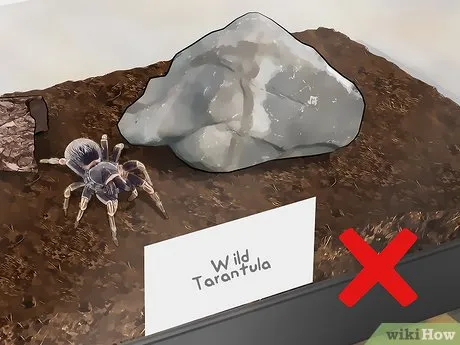
Finding a reputable source is essential when acquiring a pet tarantula. Look for breeders or pet stores that specialize in exotic pets. These sources are more likely to provide healthy specimens and accurate information about their care. Avoid purchasing tarantulas from unknown sources or those that appear to be neglecting their animals. Inspect the tarantula before buying. Look for signs of a healthy animal, such as a plump abdomen, active behavior, and no missing legs or other physical abnormalities. Ask the seller about the tarantula’s feeding history, molting schedule, and any other relevant information. This will help you determine if the tarantula is a good fit for your home and provide you with a solid foundation for its care. Buying from a reputable source minimizes the risk of acquiring a sick or poorly cared-for tarantula.
Setting Up Your Tarantula’s Habitat
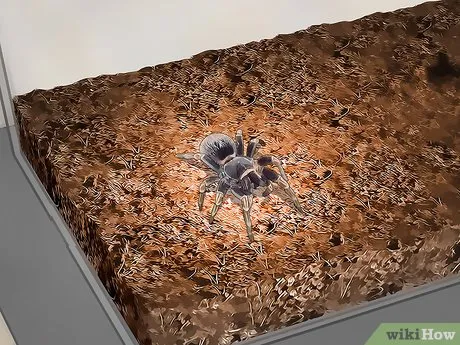
Creating a suitable habitat is critical to the health and well-being of your pet tarantula. The enclosure should mimic the tarantula’s natural environment, providing a safe and comfortable space where it can thrive. The size, substrate, temperature, and humidity are essential considerations. A well-designed habitat will reduce stress, encourage natural behaviors, and make it easier for you to observe and care for your tarantula. Remember that the habitat is not just a cage; it’s the tarantula’s home, and its design impacts the animal’s physical and psychological health. Proper preparation ensures the tarantula’s long-term survival and enjoyment of its new environment.
Choosing the Right Enclosure

The enclosure’s size should be appropriate for the tarantula’s size and species. As a general guideline, the enclosure should be at least twice as wide as the tarantula’s leg span. A secure lid is also necessary to prevent escapes. Glass or acrylic enclosures are popular choices, offering good visibility and durability. Ensure the enclosure has adequate ventilation to prevent the buildup of mold and mildew while maintaining the proper humidity levels. Avoid enclosures with large openings or gaps that the tarantula could escape from. Consider the adult size of the tarantula when selecting the enclosure, allowing for plenty of space to move and create a comfortable living space. Proper enclosure size reduces stress and allows the tarantula to exhibit natural behaviors.
Substrate and Decor
The substrate, the material that covers the bottom of the enclosure, is crucial for maintaining humidity and providing a comfortable environment for the tarantula. Coconut fiber, peat moss, and potting soil are all excellent choices. The substrate should be deep enough for the tarantula to burrow if it is a terrestrial species. Decor can enhance the enclosure and provide enrichment. Cork bark, artificial plants, and hides offer places for the tarantula to retreat and feel secure. Avoid using sharp or potentially toxic materials. Decorations should be non-toxic and easy to clean. The substrate should be replaced regularly to prevent mold and maintain a healthy environment. A well-decorated enclosure not only looks attractive but also offers the tarantula opportunities to engage in natural behaviors.
Temperature and Humidity
Temperature and humidity play vital roles in the tarantula’s health and well-being. Most tarantulas thrive in temperatures between 70°F and 80°F (21°C and 27°C). Use a thermometer to monitor the temperature within the enclosure. Humidity requirements vary depending on the species. Some species require high humidity levels, while others prefer drier conditions. Use a hygrometer to measure humidity and adjust accordingly. Misting the enclosure with water can increase humidity, but avoid over-misting, which can lead to mold and other problems. Proper temperature and humidity help the tarantula molt successfully, maintain its health, and prevent dehydration. Understanding the specific needs of your tarantula’s species is critical to maintaining optimal conditions.
Feeding Your Tarantula

Feeding your tarantula appropriately is essential for its health and longevity. Tarantulas are opportunistic feeders, meaning they will eat whatever is available. Understanding their dietary needs and feeding habits will ensure they receive the nutrients necessary to thrive. Food should be readily available, and the frequency and amount of feeding depend on the tarantula’s age, size, and species. Observe your tarantula’s behavior and adjust the feeding accordingly. A well-fed tarantula is a healthy tarantula, and proper feeding habits help prevent health problems. Learning the nuances of tarantula feeding is crucial for any pet owner’s success.
What to Feed Your Tarantula
The primary diet for tarantulas consists of insects. Crickets, mealworms, and roaches are commonly used. The size of the insect should be appropriate for the tarantula’s size. As a general rule, the insect should be no larger than the tarantula’s body size. Always remove any uneaten insects within 24 hours to prevent them from stressing the tarantula or causing injury. Some tarantula keepers also offer occasional treats, such as small vertebrates or pre-killed prey. Ensure the insects you feed are healthy and free of pesticides. A varied diet with appropriate-sized prey ensures that the tarantula receives a range of nutrients. The right food choices lead to a healthy and happy tarantula.
Feeding Frequency and Amounts
The feeding frequency varies depending on the tarantula’s age and growth stage. Spiderlings (young tarantulas) should be fed more frequently, potentially several times a week, while adult tarantulas can be fed less often, usually once or twice a week. Observe your tarantula’s abdomen; if it appears plump, reduce the feeding frequency. Avoid overfeeding, as this can lead to health problems. The amount of food also depends on the tarantula’s size. A good rule of thumb is to offer one or two appropriately sized insects per feeding. Adjust the feeding schedule based on the tarantula’s appetite and molting cycle. A tarantula that is preparing to molt may refuse food. Proper feeding practices contribute to overall health and well-being.
Watering Your Tarantula
Providing fresh water is crucial for a tarantula’s survival. Always have a shallow water dish available with clean water, or mist the enclosure to provide a source of hydration. The water dish should be shallow enough to prevent the tarantula from drowning. Change the water frequently to keep it clean and free of debris. The frequency of watering depends on the species and the enclosure’s humidity. Tarantulas drink by dipping their fangs into the water and absorbing it. The water dish can also help maintain the correct humidity levels. Water is an essential element of a healthy environment, and regular access to fresh water is a non-negotiable aspect of tarantula care.
Handling and Safety
Handling your tarantula can be an exciting experience, but it’s essential to prioritize safety. Tarantulas can bite and inject venom, although their venom is generally not life-threatening to humans. Understanding how to handle your tarantula responsibly minimizes the risk of bites and promotes the tarantula’s well-being. Always approach handling with respect and caution, and never force the tarantula to interact with you. The safety of both you and the tarantula should be the top priority. Responsible handling fosters a positive relationship between you and your pet.
Safe Handling Practices
If you choose to handle your tarantula, do so carefully and gently. Encourage the tarantula to walk onto your hand rather than grabbing or startling it. Always handle your tarantula over a soft surface, such as a bed or couch, in case it falls. Never handle your tarantula if you are not fully alert. Avoid handling immediately after feeding or during molting, as they are more vulnerable during these times. Wash your hands thoroughly before and after handling to prevent the spread of bacteria or other contaminants. Develop a calm and steady approach when handling. Avoid sudden movements or loud noises, as these can startle the tarantula and increase the risk of a bite. Always respect the tarantula’s boundaries.
Understanding Tarantula Behavior
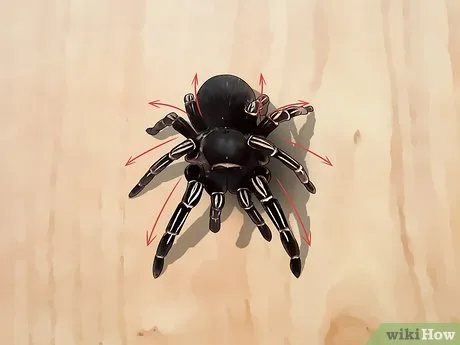
Learning to read your tarantula’s body language is essential for safe handling. Tarantulas exhibit certain behaviors that indicate their mood and potential for aggression. Some defensive postures include raising their front legs, showing their fangs, or flicking urticating hairs (if the species has them). If a tarantula displays these behaviors, it is best to leave it alone. Some tarantulas are naturally more docile than others. Understanding the species’ typical temperament is crucial. Observe your tarantula regularly and learn to recognize its individual personality. Patience and observation help you better understand your pet tarantula, fostering a safer and more enjoyable experience.
Common Health Issues
Like all living creatures, tarantulas can experience health problems. Recognizing the signs of illness and taking appropriate action is crucial for their well-being. Many health issues can be prevented through proper care and a suitable environment. A healthy tarantula is active, eats regularly, and exhibits normal molting cycles. Familiarize yourself with the common health issues and how to address them. Early detection and treatment can make a significant difference in the outcome. Learn about potential problems to become a more capable and responsible tarantula owner.
Recognizing Signs of Illness
Several signs can indicate that your tarantula is sick. These include lethargy, loss of appetite, unusual body positions, and difficulty moving. A tarantula that appears bloated or has a swollen abdomen may have a health problem. Check for any wounds or injuries, and inspect the enclosure for signs of mites or other pests. Look for changes in color or unusual discharge. If you notice any of these signs, it’s important to take action. Consult a veterinarian with experience in exotic animals. Early intervention improves the chances of a successful recovery. Monitoring your tarantula regularly allows you to detect health issues promptly.
Seeking Veterinary Care
If you suspect your tarantula is sick, seek veterinary care immediately. Not all veterinarians have experience with exotic animals, so it’s best to find a veterinarian specializing in arachnids or reptiles. The vet can diagnose the problem and recommend the appropriate treatment. Be prepared to provide information about your tarantula’s care, including its diet, enclosure setup, and any recent changes in its behavior. Early veterinary intervention can often save your tarantula’s life. Following the veterinarian’s instructions carefully will help your pet recover. Finding the right vet is an essential step in being a responsible tarantula owner, protecting your pet, and ensuring its long-term health.
Conclusion
Caring for a pet tarantula can be a rewarding experience for those who are prepared to meet their needs. This beginner’s guide has provided a comprehensive overview of the essential aspects of tarantula care, from choosing the right species to setting up a suitable habitat, proper feeding, and handling practices. By following these guidelines, you can create a healthy and thriving environment for your tarantula. Remember that research, patience, and consistent care are vital. Enjoy the fascinating world of tarantulas, and appreciate the unique opportunity to observe these amazing creatures. The key is to continue learning and adapt your care to meet your tarantula’s evolving needs. With dedication and knowledge, you can successfully keep a pet tarantula and enjoy many years with your arachnid companion.