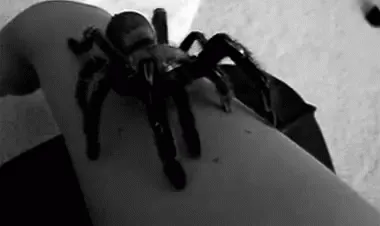
Understanding the Pinktoe Tarantula
The Pinktoe Tarantula, scientifically known as Avicularia avicularia, is a captivating arachnid that has gained popularity as a pet due to its striking appearance and relatively docile nature. Native to the rainforests of South America and the Caribbean, these arboreal (tree-dwelling) tarantulas offer a fascinating glimpse into the world of invertebrates. Understanding their needs is paramount to providing a healthy and enriching environment for your Pinktoe Tarantula. This guide will provide you with the essential information needed to successfully care for these beautiful creatures, ensuring their well-being and allowing you to enjoy their unique characteristics for years to come.
Appearance and Characteristics
The Pinktoe Tarantula gets its name from the vibrant pink or red tips on its feet. These tarantulas typically have a dark body, often a deep black or gray, which contrasts beautifully with their colorful toes. They possess a slender build compared to some other tarantula species, which is adapted for their arboreal lifestyle. Their bodies are covered in fine hairs, and they have large, forward-facing eyes that allow them to perceive their surroundings. Adult females can reach a leg span of up to 5-6 inches, while males are typically smaller. Their overall appearance is elegant and graceful, making them visually appealing pets for those interested in invertebrates.
Where Do They Live

Pinktoe Tarantulas are native to the tropical rainforests of South America, specifically found in countries like Brazil, Guyana, and French Guiana, as well as in the Caribbean islands. In their natural habitat, they live in trees, often building silken retreats amongst the foliage. These tarantulas prefer humid environments with plenty of cover and vegetation. Their arboreal nature means they spend most of their time in the upper levels of the forest canopy, hunting insects and other small prey. Replicating their natural environment is key to their successful care in captivity.
Creating the Perfect Habitat
Creating a suitable habitat is one of the most crucial aspects of Pinktoe Tarantula care. A well-designed enclosure replicates their natural environment and provides the necessary conditions for their health and well-being. This section will explore the key elements of setting up an ideal habitat, from enclosure size and substrate to temperature and humidity, ensuring your Pinktoe Tarantula thrives in its new home.
Enclosure Size and Type
The enclosure should be appropriately sized to accommodate the tarantula’s size. For an adult Pinktoe Tarantula, a terrarium that is at least 12x12x18 inches is recommended, but larger is always preferable. The enclosure should be taller than it is wide, as these tarantulas are arboreal and enjoy climbing. Ensure the enclosure has good ventilation to prevent the buildup of moisture and mold. Secure lids are essential, as Pinktoe Tarantulas are agile and can escape if given the opportunity. Glass or acrylic terrariums are both suitable options, with acrylic being lighter and less prone to breakage.
Substrate Selection

The substrate serves as the base of the enclosure and plays a vital role in maintaining humidity and providing a comfortable environment for the tarantula. A good substrate for Pinktoe Tarantulas should be able to retain moisture without becoming waterlogged. A mixture of substrate is often the best approach. A combination of peat moss, coconut fiber (coco coir), and a small amount of vermiculite can work very well. The substrate should be deep enough for the tarantula to burrow slightly if it chooses to. Avoid substrates with sharp particles, as they can injure the tarantula. Regular spot cleaning of the substrate is important to remove any waste or uneaten food.
Decorating the Habitat
Decorating the habitat provides the Pinktoe Tarantula with opportunities for climbing and shelter, mimicking its natural arboreal lifestyle. Include vertical elements like branches, cork bark, and artificial plants. These features provide climbing surfaces and create hiding spots where the tarantula can feel secure. Live plants can also be included, adding to the humidity and aesthetic appeal of the enclosure. Make sure that any decorations are securely placed so they don’t fall and potentially injure the tarantula. A water dish should be provided, but it should be shallow to prevent the tarantula from drowning. The layout should allow the tarantula to move around easily and feel safe in its enclosure. Providing a variety of hiding spots will help the tarantula feel secure and reduce stress.
Temperature and Humidity
Maintaining the correct temperature and humidity is essential for the health of your Pinktoe Tarantula. The ideal temperature range is between 75-85°F (24-29°C). A heating pad placed on the side or back of the enclosure can help maintain the temperature, but avoid placing it directly under the enclosure. Humidity levels should be maintained between 70-80%. Use a hygrometer to monitor humidity levels. Mist the enclosure with water a few times a week to maintain humidity. Good ventilation is also important to prevent mold growth, so ensure there is adequate airflow. Avoid drastic temperature or humidity fluctuations, as these can stress the tarantula.
Feeding Your Pinktoe Tarantula
Proper feeding is critical to keeping your Pinktoe Tarantula healthy and active. Understanding their dietary needs, feeding frequency, and the types of food they enjoy will ensure your tarantula thrives. Providing a balanced diet and observing their eating habits are important aspects of responsible tarantula care.
Diet and Feeding Frequency
Pinktoe Tarantulas are primarily insectivores. The feeding frequency depends on the tarantula’s age and size. Spiderlings should be fed every other day or every day, while adults can be fed once or twice a week. Adjust the feeding schedule based on the tarantula’s appetite and activity level. Overfeeding can lead to obesity, while underfeeding can stunt growth. Remove any uneaten food within 24 hours to prevent mold and mites. Observe your tarantula’s abdomen size; a healthy tarantula will have a rounded abdomen.
Types of Food
A varied diet of insects is essential for the health of your Pinktoe Tarantula. Suitable food options include crickets, roaches (such as Dubia roaches), mealworms, and occasionally, waxworms. Ensure the insects are gut-loaded (fed nutritious food) before offering them to your tarantula. This increases the nutritional value of the prey. Avoid feeding wild-caught insects, as they may carry parasites or pesticides. Offer insects that are appropriately sized; the prey should generally be no larger than the tarantula’s body. Provide a water source at all times, such as a shallow water dish filled with fresh water, to keep your tarantula hydrated.
Water and Hydration

Providing a clean water source is vital for Pinktoe Tarantulas. They require a constant supply of fresh water to stay hydrated. Use a shallow water dish that is easily accessible and prevents the tarantula from drowning. Ensure the water dish is cleaned regularly to prevent bacterial growth. Alternatively, misting the enclosure with water can also provide hydration, especially for spiderlings. Always use dechlorinated water or bottled spring water to avoid harmful chemicals. Observe your tarantula to ensure it has access to water and is drinking properly. Replace the water daily to maintain hygiene and freshness.
Handling and Interaction
While Pinktoe Tarantulas are generally docile, they are not typically handled. Understanding how to interact with them safely is important for both your well-being and the tarantula’s. Minimize handling to reduce stress and avoid potential injury to the tarantula.
Safe Handling Practices
If you choose to handle your Pinktoe Tarantula, do so with extreme caution. Never handle a tarantula if you are unsure of its temperament. Handle the tarantula close to the ground or a soft surface, in case it falls. Avoid sudden movements that might startle the tarantula. Use a soft brush or a piece of paper to gently encourage the tarantula to move. Always wash your hands before and after handling to avoid transferring any substances to the tarantula. Be patient and gentle, as tarantulas are sensitive creatures. Handling should be kept to a minimum to reduce stress on the tarantula.
Observing Behavior
Observe your Pinktoe Tarantula’s behavior regularly to assess its health and well-being. Look for signs of stress, such as hiding excessively, refusal to eat, or erratic movements. Healthy tarantulas will typically be active, especially at night, and will have a healthy appetite. Pay attention to its molting cycle, as molting is a natural process of growth. Monitor the tarantula’s enclosure for signs of pests, such as mites or mold. Any significant changes in behavior or appearance should be investigated promptly. Understanding your tarantula’s behavior will help you provide the best possible care and address any issues early on.
Common Health Issues and Prevention
Like any pet, Pinktoe Tarantulas can experience health problems. Understanding common issues and how to prevent them is crucial for ensuring a long and healthy life for your tarantula.
Identifying Health Problems
Some common health problems include mites, mold, and parasites. Mites are tiny pests that can infest the tarantula and its enclosure. Mold can grow if the humidity is too high or the ventilation is poor. Parasites can also be a concern. Watch for changes in behavior, loss of appetite, lethargy, or visible abnormalities. If you notice any of these signs, isolate the tarantula and consult with a veterinarian specializing in exotic animals. Inspect the tarantula’s abdomen for any unusual swelling or discoloration. Look for signs of illness, such as a lack of coordination or difficulty moving. Always monitor the enclosure for any signs of infestation.
Preventative Measures
Preventative measures are key to maintaining a healthy Pinktoe Tarantula. Keep the enclosure clean and well-ventilated. Provide a balanced diet and avoid overfeeding. Maintain the correct temperature and humidity levels. Quarantine new tarantulas before introducing them to your existing collection. Regularly check the tarantula and the enclosure for signs of pests or diseases. Use appropriate substrate and decorations that are safe for the tarantula. Avoid the use of pesticides or chemicals near the enclosure. Promptly address any health concerns and seek professional veterinary advice if necessary. Regular cleaning and maintenance are essential to prevent health issues.
Lifespan and Growth
Understanding the lifespan and growth patterns of a Pinktoe Tarantula is important for providing appropriate care and anticipating their needs throughout their life cycle. This knowledge will help you enjoy your pet for many years to come.
Growth Stages
Pinktoe Tarantulas grow through a process called molting, where they shed their exoskeletons to allow for growth. Spiderlings molt more frequently than adults. The frequency of molting decreases as the tarantula matures. During molting, the tarantula will typically stop eating and may lie on its back. After molting, the tarantula will be vulnerable for a few days, and it is important to leave it undisturbed during this time. The molting process can take several hours. The appearance of the tarantula will change with each molt as it grows. Provide a humid environment to assist with the molting process. Provide adequate space to molt without obstruction.
Lifespan Expectations
The lifespan of a Pinktoe Tarantula varies depending on the sex. Females can live for 10-12 years, while males typically live for 3-5 years. The longevity of a Pinktoe Tarantula is also influenced by the care it receives, including proper diet, habitat, and environmental conditions. A healthy environment will contribute to a longer lifespan. Ensure you are prepared for the long-term commitment of caring for a tarantula. Proper care is crucial to maximizing their lifespan. Understanding their lifecycle will help provide appropriate care for your Pinktoe Tarantula throughout its life.