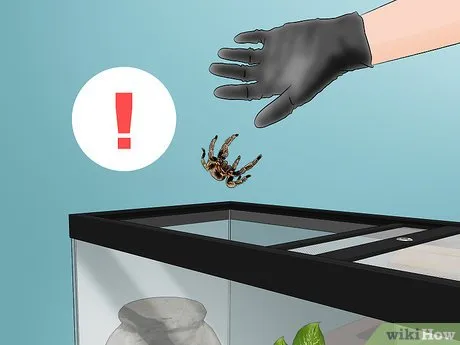
Why Handle Your Tarantula
Handling your pet tarantula can be a rewarding experience, allowing you to build a bond with your fascinating arachnid. However, it’s crucial to approach this with caution and understanding. The primary reasons for handling often include cleaning the enclosure, health checks, or simply observing your tarantula up close. It’s also an opportunity to educate yourself further about their behavior, which can deepen your appreciation for these creatures. Remember, the safety and well-being of your tarantula should always be your top priority. Always observe your tarantula’s behavior to determine if it is in a good mood or if it is stressed out, because handling them while stressed might lead to undesirable outcomes.
Understanding Tarantula Behavior
Before attempting to handle your tarantula, it’s essential to understand their behavior. Tarantulas are generally docile but can be defensive if they feel threatened. They might flick urticating hairs, which can cause skin irritation, or even attempt to bite. Factors such as the tarantula’s species, age, and personality will influence how it reacts to handling. By observing your tarantula’s habits, feeding patterns, and general disposition, you can start to gauge its comfort level. A relaxed tarantula will likely be less defensive. Never assume that all tarantulas are the same, and each individual has its own personality. So, understanding your specific pet’s behavior is a vital first step.
Signs Your Tarantula is Ready to be Handled
Not every tarantula enjoys being handled, and it is essential to respect their boundaries. Watch for signs that your tarantula is receptive to interaction. A calm tarantula might move slowly and explore its surroundings without aggression. If the tarantula is showing a defensive posture, which might involve rearing up, displaying fangs, or flicking hairs, it’s best to avoid handling at that moment. Always avoid handling after feeding or during molting, as tarantulas are typically more vulnerable and stressed during these times. Trust your instincts; if you are unsure, it is always best to err on the side of caution and skip the handling session.
The Best Way to Pick Up Your Tarantula
When you decide to handle your tarantula, the method is important. The goal is to minimize stress and avoid sudden movements. The best approach is to gently coax the tarantula onto your hand, rather than trying to grab or scoop it up. Let the tarantula walk onto your open palm, keeping your movements slow and steady. Always handle the tarantula over a soft surface, such as a bed or a carpet, in case it falls. Avoid placing the tarantula too close to your face, as a fall from that height could cause injury. A calm and patient approach is always the safest and most effective.
Gathering Your Supplies
Before you start, make sure you have the necessary supplies. The essential items include a clean, open container (like a clear deli cup) to safely move the tarantula if needed. A soft surface is very important to prevent injuries if it falls. Gloves are optional but can provide an extra layer of protection, particularly if you are new to handling tarantulas. Having a small paintbrush can also be helpful for gently guiding the tarantula. Ensure that all your tools are clean and ready before you begin. Being prepared can make the process smoother and safer for both you and your pet.
The Step-by-Step Handling Process
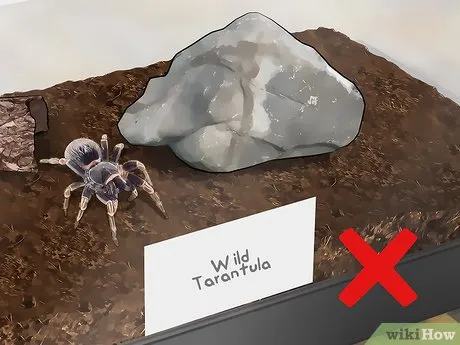
Begin by assessing your tarantula’s mood. If it appears calm and receptive, open the enclosure and place your open hand in front of it. Allow the tarantula to come to you, rather than trying to force it. If the tarantula doesn’t move on its own, you can gently nudge it with a paintbrush or other soft object. Once the tarantula is on your hand, move slowly and deliberately. Avoid quick movements or loud noises that could startle it. Always support the tarantula, and be ready to put it back in its enclosure if it shows signs of stress. Patience and a gentle approach are vital.
How to Get Your Tarantula Out of its Enclosure
Removing your tarantula from its enclosure is a key part of the handling process. First, ensure the enclosure is secure and there is no chance of escape. Open the enclosure slowly, and avoid any sudden movements that might frighten the tarantula. You can gently encourage the tarantula to walk onto your hand or, if necessary, use a soft brush to guide it. If the tarantula is hesitant, be patient and give it time. Never force the tarantula out; it will likely only stress it and could potentially result in injury. If the tarantula remains uncooperative, consider postponing the handling session.
Gentle Guidance Techniques
Sometimes, your tarantula might need a little encouragement to move in the right direction. Gentle guidance techniques are essential for safe handling. A soft paintbrush or a similar tool can be used to gently guide the tarantula’s legs. Avoid touching its body directly, as this can make it feel threatened. Always move slowly and carefully, giving the tarantula time to react. If the tarantula shows signs of stress or resistance, stop and allow it to retreat. Never try to force the tarantula, and always prioritize its comfort and safety.
Handling Techniques to Avoid
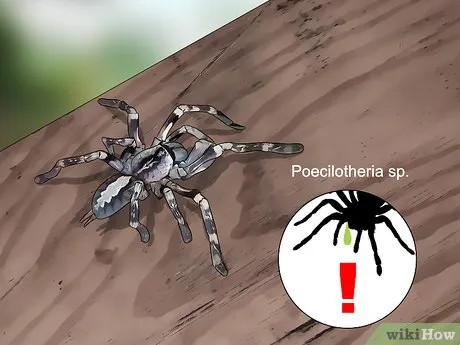
There are several handling techniques that you should always avoid to protect your tarantula. Never try to grab or pick up the tarantula quickly. Avoid making sudden movements or loud noises. Do not attempt to handle the tarantula if it is showing signs of aggression, such as rearing up or displaying its fangs. Never handle a tarantula on a high surface, as a fall could be dangerous. Avoid touching the tarantula’s fangs or abdomen. Ignoring these precautions can lead to injury for both you and your pet. When in doubt, do not handle the tarantula at all.
After the Handling Session
After the handling session, observe your tarantula for signs of stress. Check its movements, and look for any unusual behaviors. Make sure the tarantula has access to water and is returned to a comfortable environment. Clean your hands thoroughly after handling, and wash any tools that were used. The primary purpose of handling is to bond with your pet, but after the session, give it some time to relax and settle back into its enclosure. Monitoring your tarantula’s behavior after handling can help you evaluate the success of your session and adjust your approach next time.
Checking for Stress
It’s vital to recognize and monitor your tarantula for signs of stress during and after handling. Common signs include rapid movements, a defensive posture, and flicking of urticating hairs. If your tarantula shows these signs, immediately put it back in its enclosure and give it time to calm down. After the handling session, watch for changes in its feeding habits or any unusual behavior. Recognizing stress and acting accordingly will help ensure your tarantula’s well-being and make future handling sessions more positive. Being aware of these signs will help you become a more responsible tarantula owner.
Returning Your Tarantula to its Home
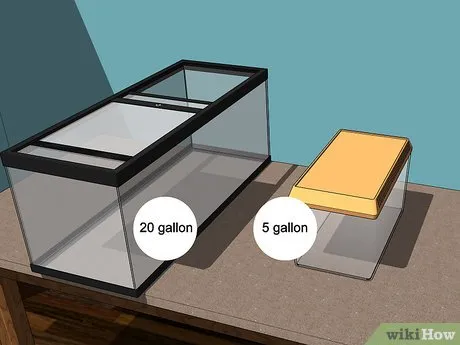
Returning your tarantula to its enclosure should be done with care and patience. Place your hand near the entrance of the enclosure and allow the tarantula to walk off on its own. Never drop or push the tarantula. If the tarantula seems hesitant, you can gently nudge it with a soft brush or paintbrush. Once the tarantula is back in its home, close the enclosure securely. This is an important part of a positive experience and reduces stress. Providing your tarantula with a secure and familiar environment will encourage its comfort and promote its well-being.
The Importance of Post-Handling Care
After handling, provide post-handling care to ensure your tarantula remains healthy and happy. Ensure the enclosure is clean and well-maintained. Provide fresh water and maintain the appropriate temperature and humidity levels. Observe your tarantula’s behavior over the next few days. Watch its feeding habits, and make sure it’s moving around normally. Regular post-handling care helps maintain a healthy environment and contributes to a long and fulfilling life for your pet. Always prioritize their well-being to strengthen your bond.
Frequently Asked Questions About Handling Tarantulas
Here are some common questions about tarantula handling.
Is it safe to handle a tarantula? Handling tarantulas can be safe if done correctly, but it always carries some risk. Always prioritize the tarantula’s safety.
How often can I handle my tarantula? It is best to handle your tarantula infrequently, depending on the tarantula’s temperament and comfort level. Don’t handle a tarantula every day.
What should I do if my tarantula bites me? If bitten, wash the area with soap and water. Monitor for signs of infection, and seek medical attention if necessary.
Can I handle a tarantula that is molting? No, it is best not to handle a tarantula while it is molting, as it is extremely vulnerable. Give it space and let it do its thing.
What should I do if my tarantula is stressed after handling? Put it back in its enclosure, and give it some space to recover. Monitor its behavior for a few days.