What is the Largest Tarantula Breed?
The world of tarantulas is vast and diverse, filled with fascinating creatures of varying sizes, colors, and behaviors. Among these, the Goliath Birdeater, scientifically known as Theraphosa blondi, stands out as the undisputed champion of size. These impressive arachnids are the largest tarantula breed in the world, captivating the interest of arachnid enthusiasts and researchers alike. Understanding the Goliath Birdeater, its characteristics, and its place in the tarantula family provides a glimpse into the remarkable diversity of life on Earth. Let’s delve into the fascinating world of the largest tarantula, exploring its key features, habitat, and the care it requires.
Goliath Birdeater Overview
The Goliath Birdeater, a member of the Theraphosidae family, is native to the rainforests of northern South America. These massive spiders are not only the largest in terms of weight and leg span but also possess unique characteristics that set them apart. Their impressive size, coupled with their distinctive appearance and behavior, makes them a subject of great interest. While the name might suggest a diet focused on birds, the reality is somewhat different, highlighting the adaptability of these creatures to their environment.
Physical Characteristics

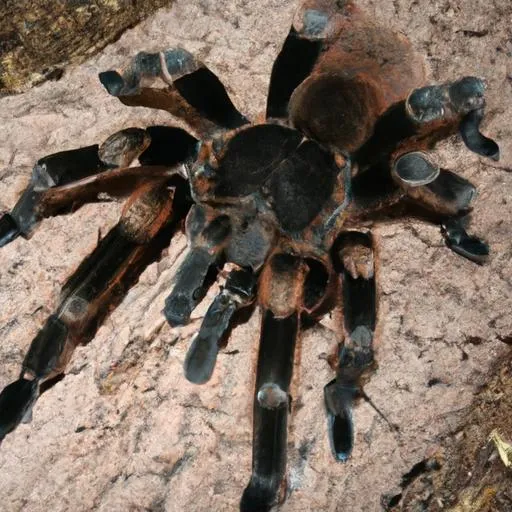
The Goliath Birdeater boasts a formidable presence. Their bodies are covered in dense, reddish-brown hairs that provide camouflage and sensory information. The legs are thick and powerful, enabling them to navigate their terrestrial environment with ease. They possess large chelicerae, or fangs, which they use to inject venom into their prey. Their overall appearance is one of both power and grace, adapted to their predatory lifestyle. The Goliath Birdeater’s physical attributes are a testament to its position as a top predator in its ecosystem. Examine this photo of a Goliath Birdeater to appreciate its size and features.
Size and Weight
The Goliath Birdeater’s most striking feature is its size. With a leg span that can reach up to 12 inches (30 cm) and a body length of over 4 inches (10 cm), these spiders are truly giants. They can weigh over 6 ounces (170 grams), making them one of the heaviest spiders in the world. The sheer scale of the Goliath Birdeater is difficult to fully appreciate until seen in person, a perspective enhanced by the images comparing it to human hands or common objects for size reference, offering a tangible sense of its impressive dimensions. The female Goliath Birdeater is typically larger than the male, a common trait in many spider species. Consider the image provided of a Goliath Birdeater in hand to appreciate its size.
Habitat and Origin
These impressive spiders call the rainforests of northern South America home, particularly in countries like Brazil, Venezuela, Guyana, and Suriname. They are terrestrial creatures, preferring to live in burrows in the ground, often near swamps or marshy areas. The humid environment of the rainforest provides the ideal conditions for these spiders to thrive. Their habitat preferences are critical for their survival, offering both shelter and access to prey. The Goliath Birdeater’s presence in these habitats indicates the health and balance of the local ecosystem. Explore the habitat of Goliath Birdeater.
Diet and Feeding Habits

Despite their name, Goliath Birdeaters primarily feed on insects, earthworms, and other invertebrates. They are opportunistic hunters, however, and will occasionally consume small vertebrates such as lizards, frogs, and, yes, even small birds. Their hunting strategy involves ambushing prey, using their powerful fangs to inject venom that immobilizes their victims. The Goliath Birdeater’s diet is a crucial aspect of its life, as it provides the necessary nutrients for growth and survival. The spider’s role as a predator helps to maintain the balance of its ecosystem, highlighting its importance in the food chain. Consider this image of a Goliath Birdeater feeding.
Other Large Tarantula Species
While the Goliath Birdeater claims the title of the largest, several other tarantula species boast impressive sizes. These spiders, each with unique characteristics and adaptations, showcase the diversity within the tarantula family. Their presence adds to the richness of the world’s ecosystems and highlights the incredible variety of life on Earth. Each of these species has its own niche and contributes to the overall biodiversity of its respective habitat.
The Giant Huntsman Spider
The Giant Huntsman Spider, also known as Heteropoda maxima, is another contender in the realm of large spiders. While not as heavy as the Goliath Birdeater, it boasts the largest leg span of any spider, sometimes exceeding 12 inches (30 cm). Native to Laos, this spider’s impressive size and unique appearance make it a fascinating species. It is known for its hunting prowess, actively pursuing its prey rather than ambushing. While the Giant Huntsman Spider may look scary, they are generally not aggressive towards humans unless provoked.
King Baboon Spider

The King Baboon Spider, scientifically known as Citharischius crawshayi, is a robust species native to East Africa. Though not as large as the Goliath Birdeater, its substantial size and formidable appearance make it a noteworthy tarantula. The King Baboon Spider is known for its aggressive nature and powerful bite. They are popular among experienced tarantula keepers who appreciate their imposing size and striking appearance.
Ceratogyrus marshalli
Ceratogyrus marshalli, commonly known as the horned baboon spider, is a smaller but still impressive species from Africa. While not as large as the Goliath Birdeater or the Giant Huntsman Spider, their unique appearance and behavior make them popular among tarantula enthusiasts. Their distinctive horn-like projection on their carapace adds to their appeal. They are known to be relatively fast and possess a potent venom. Their care is similar to other baboon spiders, requiring proper enclosure and careful handling.
Care and Considerations for Large Tarantulas
Keeping large tarantulas as pets requires a significant commitment. They have specific needs related to their enclosure, diet, and overall environment. Before acquiring a large tarantula, potential owners should research the species thoroughly and understand the responsibilities involved. Their longevity and care requirements demand careful planning and dedication. Careful handling and respect for these animals are paramount to ensure both the safety of the keeper and the well-being of the tarantula.
Enclosure Requirements

Large tarantulas need spacious enclosures that mimic their natural habitat. The enclosure should be large enough to allow the spider to move around comfortably and should provide a suitable substrate, such as coconut fiber or peat moss, for burrowing. Proper ventilation, temperature, and humidity levels are essential for the spider’s health. The enclosure should also include hiding places, such as cork bark or artificial plants, to provide security. The size of the enclosure should be proportional to the size of the tarantula. Consider the example image of a tarantula enclosure.
Feeding and Hydration
Feeding large tarantulas involves providing a diet appropriate for their size and species. Crickets, roaches, and other insects are common food items. The frequency of feeding depends on the spider’s age and size, but adults typically eat once or twice a week. A shallow water dish should always be available to provide hydration, and the water should be kept clean. Overfeeding should be avoided to prevent health issues. The spider’s appetite and behavior will indicate their needs. Hydration is extremely important for tarantulas.
Handling and Safety
Handling large tarantulas should be approached with caution. While some species are more docile than others, it is essential to respect their potential for defensive behavior, including biting. Handling should be kept to a minimum, and always be done close to the ground. Use tools like long tongs to move or handle them, if necessary. If bitten, seek medical attention if needed. Always wash hands thoroughly after handling, as the hairs can cause irritation. The image showcases safe handling practices.
Conclusion

The Goliath Birdeater and other large tarantula breeds represent some of the most impressive creatures on Earth. Their size, unique characteristics, and the care they require provide a glimpse into the diversity and complexity of the natural world. Whether you’re an arachnid enthusiast or simply curious about these fascinating creatures, understanding the largest tarantula breed and their relatives is an adventure. Always respect and appreciate these animals, and remember that responsible pet ownership and a commitment to their well-being is paramount. By exploring the world of large tarantulas, we can gain a deeper appreciation for the incredible biodiversity that surrounds us.