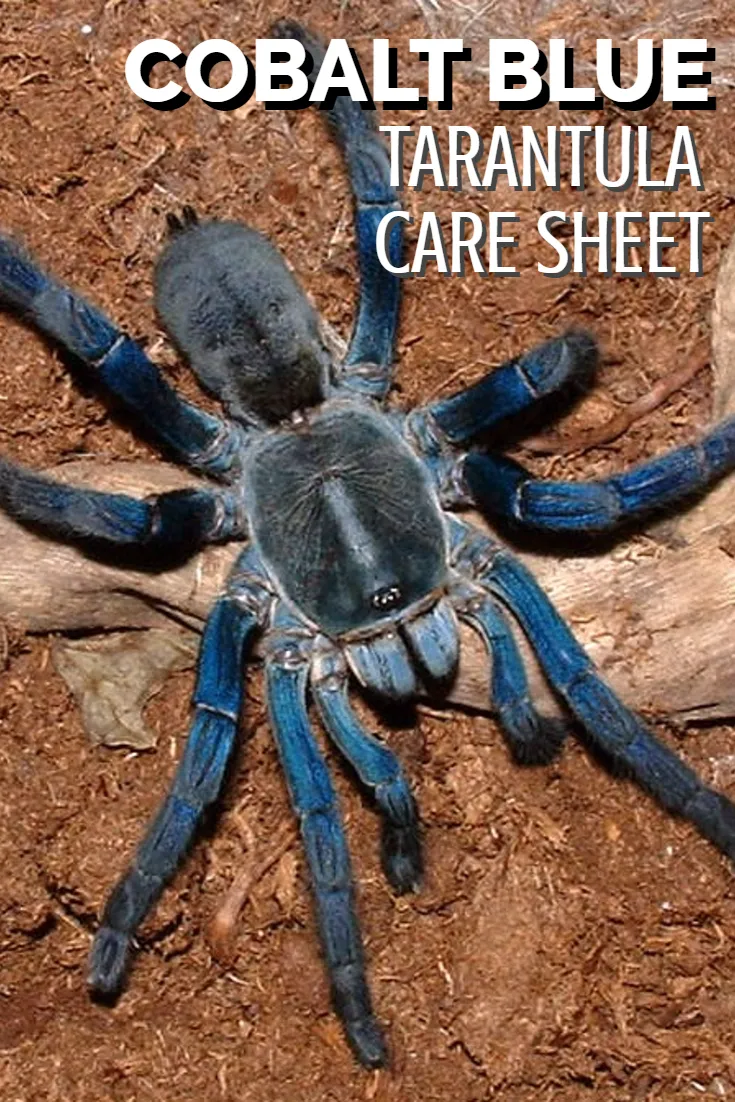
Choosing Your Lividum Tarantula
Embarking on the journey of owning a Cyriopagopus lividus, commonly known as the Lividum Tarantula, can be incredibly rewarding. These vibrant, fossorial tarantulas are known for their beautiful coloration and relatively manageable care requirements. However, before you bring one home, it’s crucial to understand the initial steps involved in choosing the right specimen. This includes selecting a healthy tarantula, which is fundamental to its long-term well-being and your enjoyment as a tarantula keeper. A healthy tarantula will be more active, have a better appetite, and be less prone to health issues. This first step is crucial for a positive experience with your new pet, so taking the time to choose wisely is time well spent.
Selecting a Healthy Specimen
When selecting your Lividum Tarantula, there are several key indicators of health to look for. First, observe its behavior. A healthy tarantula should be alert and responsive to its environment, not lethargic or unresponsive. Look for a tarantula that readily retreats into a burrow or defensive posture if disturbed; this shows a healthy instinct and response. Check for any physical deformities. The tarantula should have all its legs, pedipalps, and fangs intact. Examine the abdomen for any signs of injury or parasites. A plump abdomen usually indicates a well-fed tarantula, while a shriveled abdomen can be a sign of dehydration or illness. Healthy specimens should also display vibrant colors, which can vary depending on the individual’s molt stage but should be consistent with the species’ appearance. Consider the tarantula’s age, too; younger specimens are often more delicate, while adults offer a more stable experience.
Identifying Potential Issues

It’s also important to identify potential issues before you buy. Be wary of any tarantula that appears weak, slow-moving, or has difficulty coordinating movements. Look for any signs of external parasites, such as mites, which can be visible on the legs or body. A tarantula that refuses to eat consistently may be unwell. Avoid specimens with damaged exoskeletons, missing limbs (unless it is a recent loss that will likely regrow), or signs of infection. If possible, observe the tarantula for a period before purchasing to assess its behavior and eating habits. If the tarantula is kept in overcrowded or unsanitary conditions, it might be more susceptible to illness. By taking the time to carefully inspect potential pets, you increase your chances of acquiring a healthy and thriving Lividum Tarantula.
Housing Your Lividum Tarantula
Providing the correct housing is a key aspect of Cyriopagopus lividus care, contributing significantly to its well-being and longevity. Unlike many other tarantula species, the Lividum Tarantula is fossorial, meaning it prefers to burrow. Your setup needs to accommodate this behavior, ensuring both a secure environment and ample space for your pet to thrive. Proper housing provides the right conditions for temperature, humidity, and shelter, which are essential for maintaining its health and promoting natural behaviors. This section will delve into the specifics of creating an appropriate habitat, from the size of the enclosure to the substrate, hiding places, and essential environmental controls. A well-designed enclosure is more than just a home; it is a habitat that encourages natural behaviors, reduces stress, and enhances your tarantula’s overall quality of life.
Enclosure Size and Setup
The size of the enclosure should be determined by the size of your Lividum Tarantula. A good rule of thumb is to provide an enclosure that is at least twice the tarantula’s leg span in length and width. For a juvenile, a smaller enclosure is often preferred as it can make it feel more secure. As your tarantula grows, upgrade to a larger enclosure accordingly. Glass or acrylic enclosures are both suitable. Ensure that the enclosure has a secure, well-fitting lid to prevent escapes. The setup should be designed with the tarantula’s burrowing habits in mind. This means incorporating a deep layer of substrate, which we’ll discuss next, to allow it to create a comfortable burrow. Adding decorations, like pieces of bark or artificial plants, can also enhance the enclosure, providing visual interest and additional hiding spots for your tarantula.
Substrate Selection and Depth

The choice of substrate is vital, as it is essential for creating a comfortable and natural environment for your Lividum Tarantula. The substrate serves several purposes; it allows your tarantula to burrow, helps regulate humidity, and provides a surface for movement. A good substrate should be able to retain moisture, allowing for proper humidity levels. A mixture of substrate materials is often the best choice. A suitable combination includes a base of peat moss, mixed with coconut fiber and a small amount of vermiculite. This blend provides good moisture retention while also allowing for burrowing. The depth of the substrate should be substantial; at least 6-8 inches deep is recommended for an adult, allowing the tarantula to fully burrow and feel secure. This depth enables the tarantula to construct elaborate burrows, which are a natural behavior.
Providing Hiding Places
Creating hiding places is another essential element of your Lividum Tarantula’s enclosure. These tarantulas are naturally shy and secretive, and providing ample hiding spots helps them feel secure and reduces stress. A secure hiding place gives them a place to retreat and feel safe from perceived threats. Artificial hides, such as cork bark pieces or commercially available tarantula hides, are excellent choices. Ensure that the hide is large enough for the tarantula to comfortably fit inside but not so large that it cannot find security. Arrange the hide so that it sits partially buried in the substrate. This design mimics a natural burrow and offers a safe haven. Additionally, providing some clutter, such as artificial plants or leaves, can further enhance the security and comfort of your tarantula’s enclosure, making it a more enriching environment.
Maintaining Proper Humidity and Ventilation
Maintaining the correct humidity and ventilation is critical for the health and well-being of your Lividum Tarantula. These tarantulas thrive in a humid environment, which helps them to molt successfully and stay hydrated. The humidity level should be maintained between 70-80%. Use a hygrometer to monitor humidity levels. You can increase humidity by misting the enclosure with dechlorinated water every few days. The frequency of misting will depend on the substrate type, the enclosure ventilation, and your local climate. However, be cautious not to over-saturate the substrate, as this can lead to mold and other problems. Proper ventilation is equally important to prevent the buildup of stale air and mold growth. Ensure the enclosure has adequate ventilation, with small holes or mesh vents, but avoid excessive air flow, which can dry out the enclosure. A balance of humidity and ventilation creates a healthy environment for your tarantula.
Feeding Your Lividum Tarantula

Understanding the feeding habits of your Lividum Tarantula is essential for its health and growth. These tarantulas are voracious eaters, and providing a balanced diet is key to keeping them healthy. The right feeding practices not only provide the necessary nutrients but also encourage natural hunting behaviors. This section will cover the appropriate food items, feeding frequency, and hydration needs, ensuring your tarantula gets the nutrition it needs. A well-fed tarantula is more likely to thrive and exhibit its full potential, showing off its beautiful colors and energetic behavior. Proper nutrition is the cornerstone of effective Cyriopagopus lividus care.
Appropriate Food Items
The Lividum Tarantula thrives on a diet of live insects. Crickets, roaches (such as Dubia roaches), and mealworms are all excellent choices. The type of insect you choose should be age-appropriate for your tarantula. For spiderlings, smaller prey items like flightless fruit flies may be necessary. As the tarantula grows, you can gradually introduce larger prey. It’s essential to provide a varied diet to ensure your tarantula receives a range of nutrients. Before feeding the prey to your tarantula, it is a good idea to gut-load the insects. Gut-loading means feeding the insects a nutritious diet of vegetables and insect food a few days before they are fed to your tarantula. This practice provides essential nutrients to the tarantula indirectly. Do not feed insects that have been exposed to pesticides. Always remove uneaten prey within 24 hours to prevent stress for the tarantula and to avoid the risk of the prey biting the tarantula during molting.
Feeding Frequency
The feeding frequency will depend on the tarantula’s age, size, and molt cycle. Spiderlings should be fed more frequently, perhaps 2-3 times a week, while adults can be fed less often, usually every 1-2 weeks. Observe your tarantula’s behavior to gauge its appetite. A tarantula that consistently refuses food may be in premolt, meaning it is preparing to shed its exoskeleton. Avoid overfeeding, which can lead to health problems. A well-fed tarantula will have a plump abdomen, but it should not be excessively distended. Adjust the feeding frequency based on the tarantula’s eating habits and the speed at which it consumes its prey. Always monitor the tarantula’s overall health and activity levels to ensure that it is getting the appropriate amount of food.
Watering and Hydration

Water is essential for your Lividum Tarantula’s health, and ensuring proper hydration is critical. Tarantulas obtain water both from their food and from a water source in their enclosure. For spiderlings, a small, shallow water dish, such as a bottle cap, filled with fresh, dechlorinated water is sufficient. As the tarantula grows, you can provide a larger, more substantial water dish. Always ensure the water dish is clean and refilled regularly to avoid contamination. Another method of providing water is by lightly misting the enclosure walls and substrate with dechlorinated water every few days. This allows the tarantula to drink the water droplets and also helps maintain humidity. Check the water dish daily and refill it as needed. If the substrate is very dry, increase the frequency of misting to maintain appropriate humidity and facilitate hydration. A well-hydrated tarantula will display more energy, and this is crucial for a successful molt.
Temperature and Heating
Providing the correct temperature and heating is crucial for the health and well-being of your Lividum Tarantula. This element plays a vital role in their metabolism, activity levels, and overall health. Maintaining the proper temperature range ensures they are able to digest food effectively, molt successfully, and thrive in their environment. This section will provide guidance on the ideal temperature range and the best heating methods to achieve and maintain the appropriate conditions in your tarantula’s enclosure. Effective temperature management contributes significantly to the success of Cyriopagopus lividus care.
Ideal Temperature Range
The ideal temperature range for the Lividum Tarantula is between 75-85°F (24-29°C). It is essential to maintain this temperature consistently to ensure the tarantula’s optimal health and activity. The temperature should be monitored using a reliable thermometer placed within the enclosure. Avoid sudden temperature fluctuations, as these can stress the tarantula. In most households, the ambient room temperature will be sufficient to meet the low end of this range. However, you may need to provide supplemental heat, especially during colder months. If the enclosure temperature drops below the ideal range, you should implement a heating method to ensure the tarantula’s welfare. Always monitor the temperature carefully to prevent overheating.
Heating Methods

Several heating methods can be used to maintain the appropriate temperature in your Lividum Tarantula’s enclosure. The most common and safest method is to use a heat mat, also known as a heat pad, placed on the side or back of the enclosure. Never place a heat mat directly under the enclosure, as this can cause the substrate to dry out and potentially harm the tarantula. The heat mat should be connected to a thermostat to regulate the temperature and prevent overheating. Avoid using heat lamps, as they can dry out the enclosure and may pose a burn risk to the tarantula if it gets too close. Regular monitoring with a thermometer is essential, regardless of the heating method used. If you live in a consistently warm climate, supplemental heat might not be necessary, but always monitor the temperature to ensure it remains within the appropriate range. A consistent temperature is important for maintaining the overall health of your pet.
Handling and Interaction
Handling and interacting with your Lividum Tarantula should be approached with caution and respect. While these tarantulas are not generally considered aggressive, they possess potent venom and can inflict a painful bite if they feel threatened. The decision to handle a tarantula is a personal one. It is best to keep handling to a minimum. Prioritizing the tarantula’s well-being and safety is paramount. This section will focus on safe handling practices and recognizing defensive behaviors, ensuring both the keeper’s and the tarantula’s safety and well-being. Understanding these aspects will contribute to a more enjoyable and responsible experience with your pet.
Safe Handling Practices
If you choose to handle your Lividum Tarantula, always approach it with extreme caution and respect. The most crucial thing is to understand that handling is not a necessity for their care. If you handle them, do so over a soft surface, like a bed or carpet, to minimize the risk of injury if the tarantula falls. Always wash your hands thoroughly before and after handling, as tarantulas are sensitive to chemicals and oils on your skin. Never handle a tarantula if you are experiencing heightened emotions or if you are distracted. Slowly and gently coax the tarantula onto your hand using a soft brush or by gently nudging its rear. Avoid sudden movements or gestures that might startle the tarantula. Handle the tarantula near the ground to prevent a fall. Always supervise children when they are near a tarantula, and teach them the importance of respecting the animal’s space and boundaries.
Recognizing Defensive Behaviors
It is crucial to recognize the defensive behaviors of the Lividum Tarantula to avoid being bitten. When feeling threatened, the tarantula may display several warning signs. These may include raising its front legs in a defensive posture, rearing up, or exposing its fangs. The tarantula might also flick hairs from its abdomen as a defense mechanism, which can cause skin irritation. If the tarantula displays any of these behaviors, it is best to immediately back away and avoid further interaction. Never force the tarantula to move or interact with it against its will. Remember that tarantulas are not naturally inclined to interact with humans and that their primary instinct is to protect themselves. Understanding and respecting their defensive behaviors is key to safe handling and a positive experience. If the tarantula appears agitated or stressed, give it space and allow it to retreat into its burrow. Understanding and respecting these signals is key to a safe and enjoyable tarantula-keeping experience.
Molting and Growth
The molting process is a fundamental part of a Lividum Tarantula’s life cycle. It’s how tarantulas grow and shed their old exoskeleton, allowing them to increase in size and replace damaged or worn parts. Understanding the molting process, recognizing the signs, and providing appropriate care are essential aspects of responsible tarantula ownership. This section will provide insights into the molting process, and outline the care required before, during, and after molting. Proper care ensures the successful molting of your tarantula, contributing to its overall health and well-being. Observing this natural process can be fascinating, but your priority should always be the tarantula’s safety and health.
Understanding the Molting Process
Before molting, the Lividum Tarantula will undergo a series of changes. The tarantula will usually stop eating for a few days or weeks prior to molting. Its abdomen may appear dark, and it may become less active, spending more time in its burrow. The tarantula will also prepare a molting mat, which is a bed of webbing it creates. The actual molting process involves the tarantula lying on its back and pushing itself out of its old exoskeleton. This process can take anywhere from a few minutes to several hours, depending on the tarantula’s size and the conditions in the enclosure. Once the molt is complete, the tarantula will be vulnerable, as its new exoskeleton will be soft. Avoid disturbing the tarantula during the molting process, and do not handle it, as it is extremely delicate at this time. Once the process is complete, you will see the shed exoskeleton, which can be a remarkable sight, and a clear indication of the tarantula’s growth.
Post-Molting Care
After molting, the Lividum Tarantula’s new exoskeleton will be soft and vulnerable. It will take a few days for the exoskeleton to harden completely. During this time, it’s important to avoid disturbing the tarantula. Provide ample water and maintain the correct humidity levels in the enclosure. The tarantula will typically refuse food for a few days after molting. Once the exoskeleton has hardened, you can resume feeding. Start with small, easy-to-catch prey. Increase the size of the prey items gradually as the tarantula’s exoskeleton fully hardens. It is crucial to avoid handling the tarantula immediately after a molt. The new exoskeleton will be extremely delicate, and rough handling can cause serious injuries. By providing a stable and undisturbed environment after the molt, you help ensure your tarantula’s quick recovery and health.
Health and Common Issues
Like all living creatures, Lividum Tarantulas can be susceptible to various health issues. Being familiar with common ailments and preventative measures is essential for the well-being of your pet. This knowledge allows you to address potential problems promptly, ensuring your tarantula thrives. This section will delve into the most prevalent health concerns and steps to prevent and treat them. Vigilance and proactive care are essential for maintaining a healthy and thriving Lividum Tarantula. Taking preventative measures and knowing how to address issues when they arise is a fundamental aspect of responsible pet ownership.
Identifying and Treating Common Ailments
Common health issues in Lividum Tarantulas include fungal infections, mites, and parasites. Fungal infections can occur if the enclosure is too humid or poorly ventilated. Symptoms include discoloration on the legs or body, as well as lethargy. To treat a fungal infection, improve ventilation, and reduce humidity. In severe cases, veterinary intervention may be necessary. Mites can be another problem. These tiny parasites can infest the tarantula’s exoskeleton. Infestations are often visible as small moving specks on the tarantula or the substrate. Remove infested substrate, clean the enclosure thoroughly, and use a mite-specific treatment as directed by a veterinarian. Parasites, such as nematodes, can also affect tarantulas. Symptoms include lethargy, loss of appetite, and abdominal swelling. If you suspect your tarantula has a parasite, consult a veterinarian for diagnosis and treatment. Prompt intervention is critical to prevent the spread of infection and to ensure the tarantula’s survival.
Preventative Measures
Preventative measures are key to minimizing health issues in your Lividum Tarantula. Regularly inspect your tarantula for any signs of illness. Maintain appropriate humidity and ventilation levels in the enclosure to prevent fungal growth. Clean the enclosure regularly, removing uneaten food and waste. Provide a varied and nutritious diet, and avoid overfeeding, as this can lead to obesity and other health problems. Always quarantine new tarantulas for several weeks before introducing them to your existing collection to prevent the spread of disease. Keep your tarantula’s environment clean and well-maintained. This proactive approach will help reduce the likelihood of health problems. Taking these steps will contribute to a healthier and happier tarantula. Consistent observation and care are key to detecting and addressing any issues promptly.
Conclusion
Caring for a Lividum Tarantula can be a rewarding experience. They are relatively hardy tarantulas, and with proper care, they can thrive in captivity. This guide provides you with all the essential information to ensure the well-being of your pet, covering everything from housing and feeding to recognizing and addressing health issues. Always remember that responsible pet ownership is about providing a safe, comfortable, and enriching environment. By following these essential care tips, you can enjoy the beauty and unique qualities of the Lividum Tarantula for many years to come. Continued learning and a dedication to providing the best possible care are the keys to successful tarantula ownership. Enjoy the fascinating world of Cyriopagopus lividus!