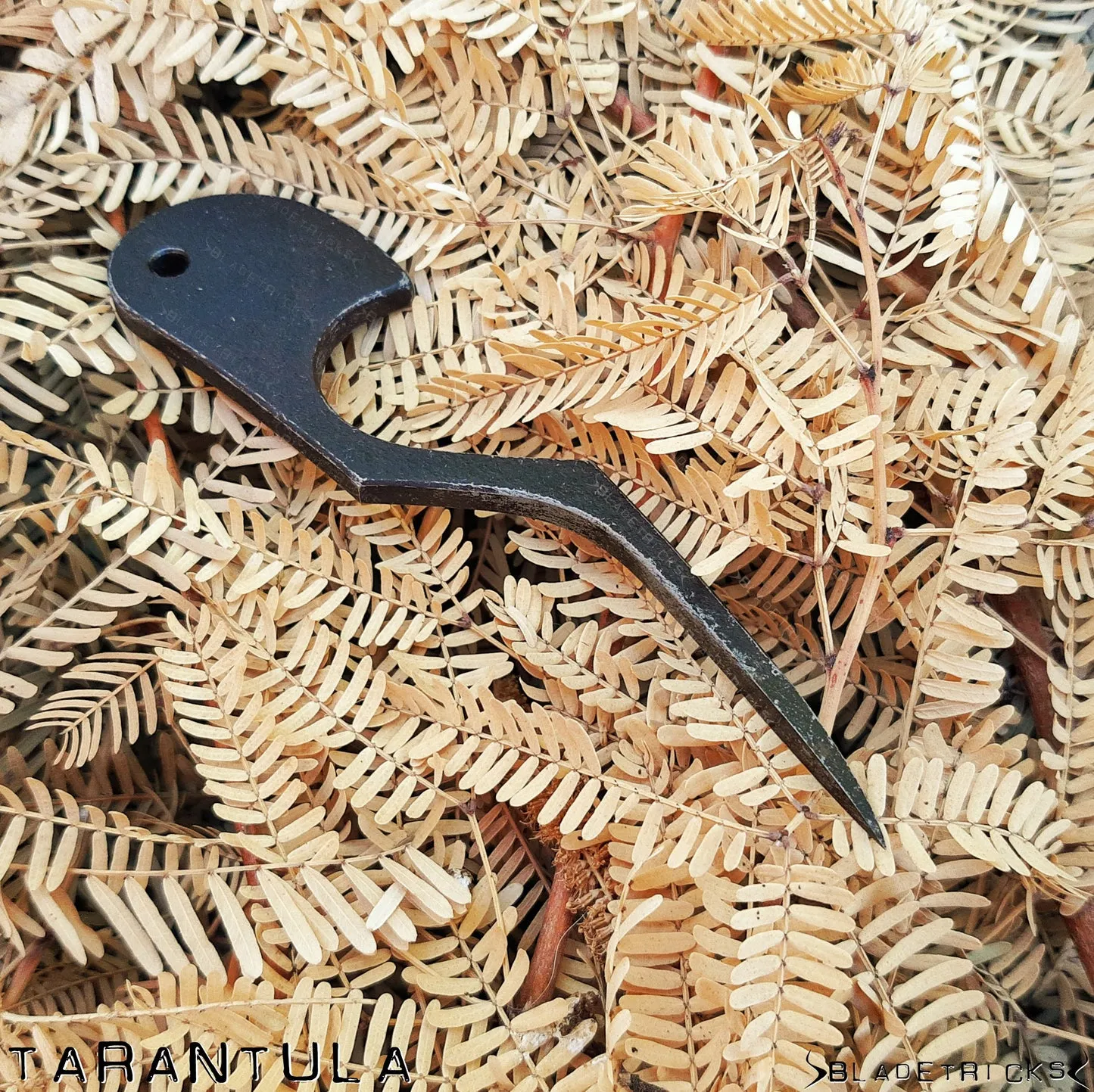
The World of Machining Tarantulas
Machining tarantulas might sound like something out of a science fiction movie, but it represents the pinnacle of precision engineering and manufacturing. This process, while not involving actual arachnids, refers to the incredibly intricate and delicate work involved in creating components and structures that require extreme accuracy and attention to detail. It’s a fascinating field where advanced technology meets meticulous craftsmanship. The term ‘machining tarantula’ encapsulates the idea of handling complex tasks with the precision and intricacy reminiscent of a tarantula’s delicate movements. Understanding the processes involved, the materials used, and the applications of this field is crucial for anyone interested in the forefront of modern manufacturing. The following facts will shed light on the amazing aspects of this advanced form of machining.
Fact 1 The Precision of Machining Tarantulas
The most astonishing aspect of machining tarantulas is the level of precision achieved. These processes often deal with tolerances measured in microns, a unit so small it’s almost imperceptible to the human eye. This level of accuracy is essential in industries where even the slightest deviation can render a component unusable. The equipment used includes Computer Numerical Control (CNC) machines, which are programmed to execute highly specific instructions, ensuring that each cut, drill, or grind is performed with absolute accuracy. The precision goes beyond mere measurements; it involves the ability to maintain these tolerances consistently across multiple parts, ensuring uniformity and reliability. This level of detail is what sets this process apart and makes it a cornerstone of high-tech manufacturing.
Detailed Explanation of the Precision

To achieve such remarkable precision, various technologies are employed. CNC machines use sophisticated software to control the movement of cutting tools along multiple axes. These machines can work with materials ranging from metals to plastics with incredible finesse. Advanced metrology tools, such as coordinate measuring machines (CMMs), are used to inspect the finished products, ensuring they meet the required specifications. These machines use probes to measure the dimensions and geometry of a part, comparing them to the design specifications. The integration of these technologies allows for the production of complex shapes and geometries with unparalleled accuracy, which is critical in fields like aerospace, medical devices, and microelectronics. The continuous improvement of these technologies is constantly pushing the boundaries of what’s possible in manufacturing.
Fact 2 Material Choices in Machining
The selection of materials in machining tarantulas is crucial. The choice depends heavily on the application, the required performance characteristics, and the machining properties of the material. Materials must withstand the stresses of the manufacturing process, including the forces exerted by the cutting tools, as well as the conditions under which the final product will operate. Material properties like hardness, ductility, thermal expansion, and corrosion resistance are carefully considered. Common materials include various grades of steel, aluminum alloys, titanium, and even advanced composite materials. The ability to machine these diverse materials with precision is a testament to the versatility of the machining tarantula process. The materials selected must be able to meet exacting standards, ensuring both the durability and performance of the finished products.
Common Materials Used
Different industries favor specific materials. Aerospace often relies on lightweight, high-strength materials like titanium and advanced alloys. Medical device manufacturers frequently use biocompatible materials, such as stainless steel and certain polymers. The automotive industry may utilize aluminum for its weight-saving properties and steel for its durability. The commonality among all these materials is the need for precision. Machining tarantulas allows for intricate designs to be created from these materials, leading to the development of highly specialized and efficient components. The choice of material will influence the cutting tools used, the machining parameters, and the overall process, highlighting the importance of careful material selection.
Fact 3 The Role of Cutting Tools

Cutting tools are the heart of machining tarantulas. The effectiveness and precision of this process heavily rely on the quality and type of tools used. Cutting tools come in various shapes, sizes, and materials, each designed to perform specific tasks. They interact directly with the workpiece, removing material through cutting, drilling, milling, and grinding. The choice of tool depends on the material being machined, the desired surface finish, and the complexity of the design. Advanced cutting tools are made from materials like tungsten carbide, ceramic, and diamond, which offer exceptional hardness and wear resistance. The tools must be precisely manufactured and maintained to ensure accuracy and longevity, contributing significantly to the overall efficiency and precision of the machining process. Without these critical tools, creating highly accurate components would be impossible.
Different Types of Cutting Tools
A wide array of cutting tools exist, each with unique applications. Drills create holes, mills shape surfaces, and turning tools remove material from rotating workpieces. The geometry of a cutting tool affects the chip formation and the resulting surface finish. End mills, for example, are used for creating complex shapes, while reamers are used to create smooth, precise holes. The tools are selected based on the material, desired finish, and the specific task at hand. High-speed steel (HSS) tools are used for general-purpose machining, while more specialized tools, such as those with diamond coatings, are used for machining hard or abrasive materials. The correct selection and application of these tools are crucial for achieving the desired outcome in machining tarantulas.
Fact 4 Accuracy and Tolerance
Accuracy and tolerance are paramount in machining tarantulas. Tolerance refers to the permissible variation in a dimension or feature, while accuracy is how closely a measurement aligns with the true value. Maintaining tight tolerances is essential in the production of parts that fit together seamlessly and function correctly. The ability to achieve this precision is a result of advanced machinery, skilled operators, and rigorous quality control processes. Achieving high accuracy minimizes waste and reduces the need for rework, increasing efficiency and reducing costs. The standards required in various industries, especially in aerospace and medical devices, are extremely high, demanding that every component meets stringent requirements.
Achieving High Accuracy

To achieve high accuracy, several factors must be considered. CNC machines are regularly calibrated to ensure their precision. Cutting tools are inspected and maintained to maintain their cutting edges and dimensions. Environmental factors, such as temperature and vibration, are carefully controlled, as these can affect the machining process. Skilled machinists use their expertise to optimize the process, selecting the correct tools, setting the appropriate speeds and feeds, and monitoring the process for any deviations. Quality control measures, including the use of CMMs, ensure that each component meets the required specifications. By focusing on these factors, the precision and reliability of machining tarantulas are maintained.
Fact 5 Applications of Machining Tarantulas
The applications of machining tarantulas are vast and span across multiple industries. From the intricate components of medical devices to the complex structures in aerospace, this process enables the creation of parts that are critical to technological advancement. It is essential for prototyping, allowing engineers to test and refine designs quickly. This process supports the manufacturing of specialized equipment, customized products, and high-volume production. The ability to create complex geometries and maintain tight tolerances makes it indispensable in fields requiring high precision and reliability. Machining tarantulas is critical to innovation, making it possible to create products and systems that were previously impossible to manufacture.
Industries Utilizing Machining Tarantulas
Several industries heavily rely on machining tarantulas. The aerospace industry uses it to create critical aircraft components, where precision and reliability are paramount. The medical device industry depends on it for the production of surgical instruments, implants, and diagnostic equipment. The automotive industry uses it for engine components, transmissions, and other critical parts. The electronics industry employs it for creating housings, connectors, and other components that require extreme precision. Each of these sectors benefits from the advanced capabilities of machining tarantulas, enabling the development of innovative products and technologies. The versatility and accuracy of this process make it indispensable in today’s manufacturing landscape.