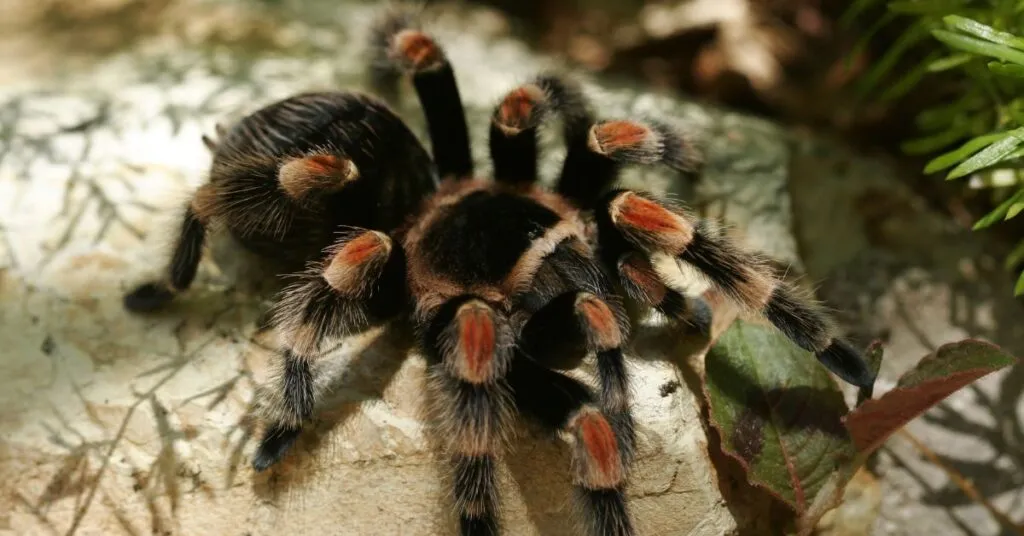
Mexican Red Knee Tarantula Care 101 Overview
The Mexican Red Knee Tarantula (Brachypelma hamorii) is a popular pet due to its striking appearance, relatively docile temperament, and manageable care requirements. This comprehensive guide provides everything you need to know about successfully caring for these fascinating creatures. From selecting your first tarantula to understanding its behavior and addressing potential health issues, we’ll cover all the essentials. Proper care ensures a long, healthy, and enriching life for your pet tarantula. This guide is designed for both novice and experienced tarantula keepers, providing a solid foundation for understanding and meeting the needs of these captivating arachnids. The Mexican Red Knee Tarantula is a terrestrial species native to the Pacific coast of Mexico, and its care reflects its natural environment.
Choosing Your Mexican Red Knee Tarantula (First Steps)
Selecting a Healthy Tarantula

When selecting your Mexican Red Knee Tarantula, observe its overall condition carefully. Look for a tarantula that is alert and responsive, with a plump abdomen indicating it is well-fed. Avoid tarantulas with bald spots on their abdomen, as these could be a sign of stress or improper care, such as rubbing against the enclosure. Examine the legs; they should be intact and move freely. Any signs of lethargy, tremors, or unusual behavior warrant further investigation. A healthy tarantula will have a good appetite and readily accept food. Research reputable breeders or pet stores known for their ethical practices to ensure you obtain a healthy specimen.
Where to Buy Your Tarantula
You have several options for acquiring a Mexican Red Knee Tarantula. Reputable breeders are generally the best source, as they can provide information on the tarantula’s lineage and health history. Local pet stores may also carry them, but it’s crucial to assess the conditions in which the tarantulas are kept. Online marketplaces offer a wide selection, but exercise caution and only purchase from sellers with positive reviews. Consider attending reptile expos or specialized tarantula shows, which provide opportunities to meet breeders, examine tarantulas, and ask questions. Prioritize sellers who prioritize the well-being of their tarantulas and are knowledgeable about their care requirements.
Setting Up the Perfect Habitat
Enclosure Size & Type

The enclosure size should be appropriate for the tarantula’s size, providing ample space for movement and burrowing. For a juvenile Mexican Red Knee Tarantula, a 5-10 gallon terrarium is generally sufficient. As it grows, upgrade to a larger enclosure, such as a 10-20 gallon tank, or even larger for a fully mature adult. The enclosure should be made of glass or clear plastic, allowing for easy viewing. Ensure that the enclosure has a secure lid to prevent escape. Adequate ventilation is crucial, so include screened vents or air holes in the lid or sides. The enclosure should be escape-proof and provide the tarantula with a comfortable, secure environment.
Substrate Selection
The substrate, or bedding, should mimic the tarantula’s natural habitat and provide a safe environment for burrowing. A mixture of peat moss, coconut fiber (coir), and a small amount of vermiculite is a suitable choice. This combination retains moisture well, allowing for appropriate humidity levels, and allows the tarantula to burrow easily. The substrate should be deep enough – at least 4-6 inches – to allow for burrowing. Avoid substrates that are chemically treated or contain harmful additives. Regularly monitor the substrate for mold or excessive moisture, replacing it as needed to maintain a healthy environment. Cleanliness is essential, so spot-clean the enclosure to remove uneaten food and waste regularly.
Temperature & Humidity
Maintaining the correct temperature and humidity levels is crucial for the well-being of your Mexican Red Knee Tarantula. The ideal temperature range is between 75-85°F (24-29°C). Use a heat mat attached to the side of the enclosure, or a low-wattage heat lamp, to maintain this temperature, especially in cooler environments. Avoid placing the heat source directly under the enclosure, as this can overheat the substrate. Humidity should be maintained at 60-70%. Use a hygrometer to monitor humidity levels. Achieve this by lightly misting the enclosure with dechlorinated water a few times a week and ensuring a water dish is always available. Adequate ventilation is important to prevent the buildup of excessive humidity and mold growth.
Decorating the Enclosure

Decorating the enclosure provides enrichment and mimics the tarantula’s natural habitat. Include a hide, such as a cork bark or half log, for the tarantula to retreat to. This provides a sense of security and reduces stress. Add artificial plants or silk foliage for visual appeal and to provide additional hiding spots. Ensure all decorations are non-toxic and securely placed to prevent accidental injury. Provide a shallow water dish with fresh, clean water at all times. Avoid using sharp or abrasive decorations that could harm the tarantula during a molt.
Feeding Your Tarantula
What to Feed Your Tarantula
The Mexican Red Knee Tarantula is a carnivore, and its diet consists primarily of insects. Crickets, mealworms, and roaches are readily available and make excellent food sources. Variety is key to a balanced diet. Feed a range of insects to ensure your tarantula receives all the necessary nutrients. Dust the insects with a calcium supplement and vitamin D3 powder to promote healthy growth and molting. Avoid feeding insects that have been exposed to pesticides or insecticides. Remove any uneaten food within 24 hours to prevent mold growth and ensure a clean enclosure.
Feeding Frequency & Amounts
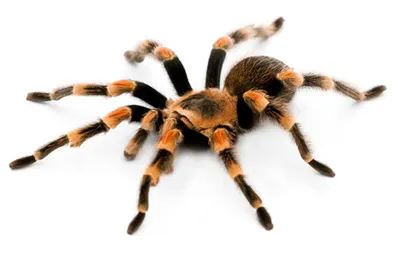
The feeding frequency depends on the tarantula’s age and size. Spiderlings should be fed two to three times a week. Juveniles can be fed once or twice a week, and adults can be fed once every one to two weeks. Adjust the feeding frequency based on the tarantula’s appetite and overall condition. Observe the tarantula’s abdomen; if it appears plump, reduce the frequency. Offer insects that are roughly the size of the tarantula’s abdomen. Overfeeding can lead to obesity and health problems, while underfeeding can hinder growth and well-being. Always provide fresh, clean water in a shallow dish.
Watering Your Tarantula
Provide a shallow water dish with fresh, clean water at all times. Ensure the water dish is easily accessible and that the tarantula can reach it without difficulty. Monitor the water level daily and refill as needed. Lightly mist the enclosure with dechlorinated water a few times a week to maintain appropriate humidity levels, particularly in drier environments. Avoid over-misting, as this can lead to excessive humidity and mold growth. The tarantula will drink from the water dish and absorb moisture from the environment, which is essential for hydration and molting.
Handling & Safety
Handling Guidelines

Handling Mexican Red Knee Tarantulas is generally not recommended, as it can be stressful for the spider and potentially dangerous for the handler. While they are known for their relatively docile temperament, they can bite if they feel threatened. Their urticating hairs, which they flick off their abdomen as a defense mechanism, can cause skin irritation and discomfort. If you must handle your tarantula, do so cautiously and gently. Approach the tarantula slowly and allow it to crawl onto your hand. Avoid sudden movements and ensure you are seated close to the ground to minimize the risk of injury if the tarantula falls. Always wash your hands thoroughly before and after handling.
Understanding Tarantula Behavior
Understanding tarantula behavior is crucial for providing proper care and avoiding stress for your pet. Mexican Red Knee Tarantulas are generally secretive and spend most of their time in their burrows or hiding places. They are nocturnal and most active during the evening and night. Observe your tarantula’s behavior to identify any signs of stress or illness. Look for changes in appetite, activity level, or posture. Be aware of the tarantula’s defense mechanisms, such as raising its front legs (a threat display) or flicking urticating hairs. Familiarizing yourself with these behaviors will help you provide a safe and enriching environment for your tarantula.
Common Health Issues & Solutions
While Mexican Red Knee Tarantulas are relatively hardy, they can still experience health problems. Common issues include dehydration, parasitic infections, and injuries. Dehydration can be caused by insufficient water or low humidity. Ensure a constant supply of fresh water and maintain appropriate humidity levels. Parasitic infections are rare in captivity but can occur. If you suspect a parasite, consult a veterinarian specializing in exotic pets. Injuries can occur during molting or if the tarantula falls. Provide a safe enclosure and avoid handling during molting. Regularly inspect your tarantula for any signs of illness or injury and seek veterinary advice when necessary.
Moulting Process
Molting is a natural process where tarantulas shed their exoskeleton to grow. Before molting, the tarantula will typically stop eating, become less active, and may create a web mat or seal itself inside its burrow. During molting, the tarantula lies on its back and sheds its old exoskeleton. This process can take several hours. Avoid disturbing the tarantula during molting. After molting, the tarantula’s new exoskeleton will be soft and vulnerable. Do not feed the tarantula for a few days until its fangs have hardened. Provide a humid environment to help with the molting process. Misting the enclosure lightly can help during this time.
Signs of a Healthy Tarantula
Recognizing the signs of a healthy Mexican Red Knee Tarantula is key to providing proper care. A healthy tarantula will have a plump abdomen, indicating that it is well-fed. It will be alert and responsive, with active movements. It should readily accept food and show no signs of lethargy or unusual behavior. Its legs and fangs should be intact and move freely. The enclosure should be clean and free of excessive moisture or mold. Regular observation and familiarity with your tarantula’s normal behavior will help you identify any deviations that may indicate a health problem.
Conclusion
Caring for a Mexican Red Knee Tarantula can be a rewarding experience. By understanding its needs, providing a suitable habitat, and following the care guidelines outlined in this guide, you can ensure that your tarantula thrives. Remember to be patient, observant, and dedicated to providing the best possible care. With proper care, your Mexican Red Knee Tarantula can live for many years, providing you with a unique and fascinating pet. Always continue to research and learn about tarantula care to enhance your understanding and provide the best possible environment for your pet.