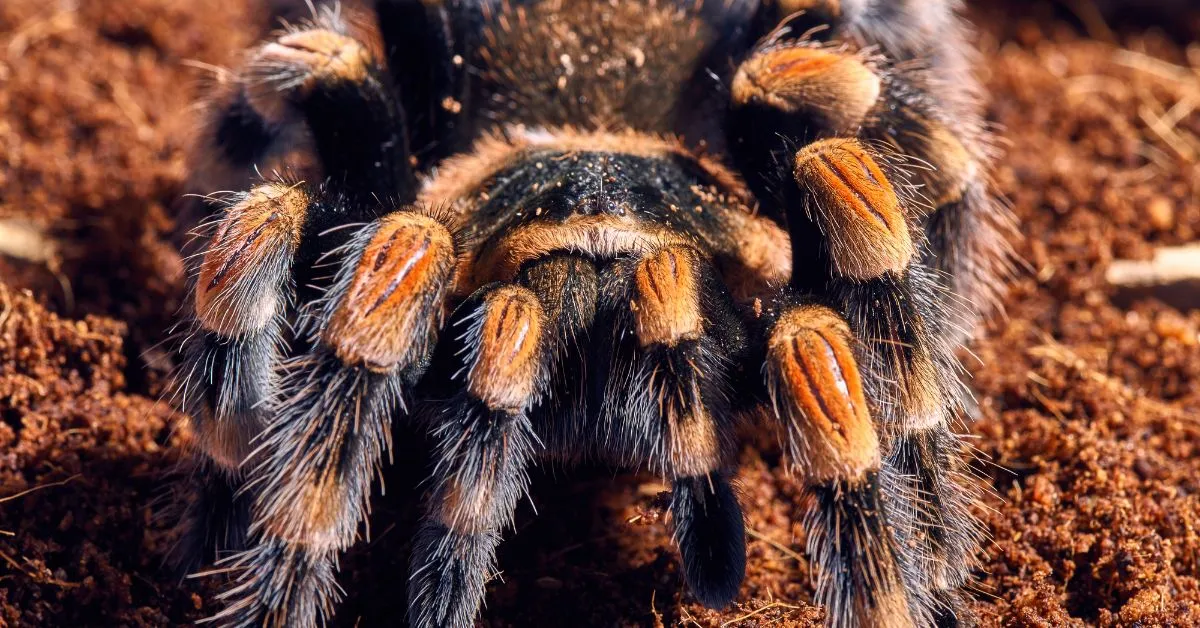
What is a Mexican Red Knee Tarantula
The Mexican Red Knee Tarantula (Brachypelma hamorii) is one of the most popular tarantula species kept as pets, especially for beginners. These captivating creatures are native to the Pacific coast of Mexico, known for their docile temperament and striking appearance. They are relatively easy to care for, making them a great choice for those new to tarantula ownership. Their lifespan, vibrant coloration, and manageable size contribute to their widespread appeal. This guide provides essential information to help you understand and successfully care for your own Mexican Red Knee Tarantula.
Appearance and Identification
Identifying a Mexican Red Knee Tarantula is quite straightforward due to their distinctive markings. They feature a black body with striking red or orange bands on their legs. These vibrant bands are most prominent on the patella (knee) joints, hence the name. The carapace (the top of the cephalothorax) is typically a dark color, often black or dark brown. The abdomen is covered in urticating hairs, which the tarantula flicks when threatened. This combination of colors makes them easily recognizable and adds to their visual appeal. Juvenile tarantulas have similar markings, though the colors may be less vibrant until they mature.
Size and Lifespan

Mexican Red Knee Tarantulas are a medium-sized tarantula species. Females typically reach a leg span of up to 6 inches (15 cm), while males are slightly smaller. Their lifespan is one of the most appealing aspects of owning them. Females can live for an impressive 20-30 years, making them a long-term commitment. Males, on the other hand, have a significantly shorter lifespan, often only living for 5-10 years after reaching maturity. The longevity of the females makes them a great choice for those seeking a pet they can enjoy for many years.
Habitat and Natural Behavior
In the wild, Mexican Red Knee Tarantulas inhabit dry scrublands and burrows in the Pacific coastal regions of Mexico. They are terrestrial spiders, spending much of their time on the ground or in underground burrows that they create or find. They are nocturnal hunters, primarily active at night, and ambush prey. They are generally docile and tend to be slower-moving than some other tarantula species. Understanding their natural habitat is crucial for providing appropriate care in captivity, which will help them thrive. They are generally shy creatures and prefer to hide if they feel threatened.
Setting Up Your Tarantula’s Enclosure
Creating the right environment is key to the well-being of your Mexican Red Knee Tarantula. The enclosure should mimic their natural habitat to ensure they feel safe and comfortable. Proper setup will help them thrive and exhibit their natural behaviors. A well-designed enclosure will not only provide a suitable home for your tarantula but will also be aesthetically pleasing, allowing you to enjoy watching your pet.
Choosing the Right Enclosure

The size of the enclosure should be appropriate for the size of your tarantula. For a juvenile, a 5-10 gallon tank is suitable. As they grow, they’ll need a larger space. An adult Mexican Red Knee Tarantula requires a 10-20 gallon tank. The enclosure should be wider than it is tall, as they are terrestrial and do not climb much. The enclosure must have a secure, escape-proof lid. Ensure there are adequate ventilation holes to allow airflow while preventing escape. Clear acrylic or glass enclosures are ideal for viewing your tarantula.
Substrate and Furnishings
The substrate, or bedding, should be a few inches deep to allow the tarantula to burrow if it chooses. A mix of coco fiber, peat moss, and a bit of vermiculite is an excellent choice. This blend retains moisture well while allowing for good ventilation. Provide a hide, such as a piece of cork bark or a half log, for the tarantula to retreat to. Add some artificial or live plants for decoration and to provide additional hiding places. A shallow water dish is essential for hydration, ensuring it is shallow enough to prevent drowning.
Temperature and Humidity
Maintaining the right temperature and humidity levels is critical. The ideal temperature range is between 75-85°F (24-29°C). A heat mat placed on the side of the enclosure can help maintain this temperature. Avoid placing the heat mat directly under the enclosure, as this can overheat the substrate. Humidity should be maintained at around 60-70%. This can be achieved by misting the enclosure lightly with water once or twice a week, depending on the ventilation. Use a hygrometer to monitor humidity levels accurately.
Feeding Your Mexican Red Knee Tarantula

Providing a proper diet is essential for a healthy and happy Mexican Red Knee Tarantula. They are opportunistic feeders, meaning they will eat whatever they can catch. Understanding their dietary needs will help you ensure they get the necessary nutrients and stay healthy.
What to Feed
The primary food source for Mexican Red Knee Tarantulas should be insects. Crickets, mealworms, and dubia roaches are all excellent choices. The size of the insects should be appropriate for the size of the tarantula; it should not be larger than the tarantula’s body. Pre-killed prey is a safer option, as live prey can injure your tarantula during a molt. You can also occasionally offer other insects, such as locusts, but these should make up a smaller portion of the diet.
Feeding Frequency
Feeding frequency varies based on the tarantula’s age and size. Spiderlings (juvenile tarantulas) should be fed 2-3 times a week. Sub-adults can be fed once or twice a week. Adults typically require feeding once a week or every other week, depending on their appetite and body condition. Remove any uneaten food within 24 hours to prevent mold and mites from developing in the enclosure. Overfeeding can lead to health problems, so it’s important to monitor the tarantula’s abdomen size; it should be appropriately rounded, but not overly large.
Water and Hydration

Clean, fresh water should always be available. A shallow water dish is essential. Ensure the dish is shallow enough to prevent the tarantula from drowning. Change the water regularly, at least once a week, to keep it clean. You can also mist the enclosure lightly to maintain humidity, but avoid oversaturating the substrate, as this can lead to mold growth. Some tarantulas drink from the water dish, while others will drink from the droplets on the side of the enclosure or from the substrate after misting.
Handling and Safety Precautions
While Mexican Red Knee Tarantulas are generally docile, handling them should be approached with caution. They are not aggressive but can bite if they feel threatened. Understanding how to handle them properly will minimize any risk and ensure both your safety and the tarantula’s well-being.
Handling Guidelines
If you choose to handle your tarantula, do so with care. Always approach them slowly and gently. Allow the tarantula to walk onto your hand rather than trying to grab or force it. Avoid sudden movements or loud noises, as these can startle them. Handle the tarantula close to the ground or a soft surface to prevent injury if it falls. Wash your hands thoroughly before and after handling to avoid transferring any substances.
Recognizing Stress Signs

Observe your tarantula for signs of stress before and after handling. A stressed tarantula may flick urticating hairs (the hairs on its abdomen), raise its front legs defensively, or attempt to flee. If your tarantula exhibits these behaviors, it’s best to avoid handling it and give it space. Avoid handling your tarantula during or shortly before molting, as they are more vulnerable during these times. Also, be mindful of your tarantula’s environment; ensure that the temperature and humidity are within the appropriate ranges to minimize stress.
Health and Common Problems
Like all pets, Mexican Red Knee Tarantulas can experience health issues. Understanding the common problems and the molting process can help you provide the best care and ensure your tarantula stays healthy and happy. Regular observation and preventative measures will help to minimize potential problems.
Molting Process
Molting is a natural process where tarantulas shed their exoskeleton to grow. During molting, the tarantula lies on its back and emerges from its old skin. This process can take several hours. Do not disturb your tarantula during molting. The tarantula will be very vulnerable during this time. After molting, the tarantula’s new exoskeleton will be soft, and it will need a few days to harden. Do not feed the tarantula until its fangs have hardened. The molted exoskeleton provides insight into the tarantula’s health and can also be used to determine the sex.
Common Health Issues

Some common health issues include dehydration, fungal infections, and parasites. Dehydration can be prevented by providing a constant supply of fresh water and maintaining appropriate humidity. Fungal infections can develop if the enclosure is too humid or if the substrate is not cleaned properly. Parasites are rare but can be introduced through live prey; consider feeding pre-killed insects to mitigate this risk. If you observe any unusual behaviors, such as loss of appetite, lethargy, or unusual posture, consult a veterinarian specializing in exotic pets immediately.
Breeding Mexican Red Knee Tarantulas
Breeding Mexican Red Knee Tarantulas can be a rewarding experience for experienced keepers. However, it requires specialized knowledge and careful planning. It is important to consider the responsibility of breeding before starting. Be sure to understand the complexities of this process before attempting to breed your tarantulas.
Sexing your Tarantula
Sexing your tarantula is the first step in breeding. The most accurate way to determine the sex is by examining the molted exoskeleton. Underneath the abdomen of the molt, you can look for the presence of spermathecae in females, which is a small, pocket-like structure. Males will not have this feature. In living tarantulas, sexing can be more difficult; mature males have pedipalps (small appendages near the mouth) that are modified for mating (look like boxing gloves) and spurs on their front legs. These features are not present in females.
Breeding Process Overview
Breeding involves introducing a mature male to a mature female’s enclosure. This process should be done carefully, as the female may attack the male. It is important to monitor the interaction closely. If the female is receptive, she will allow the male to mate. After mating, the female will produce an egg sac containing hundreds of eggs. The female will guard the eggs until they hatch. Once the spiderlings hatch, they require a separate enclosure with appropriate care, which can be very demanding. Breeding is a complex process that demands attention to detail.
In conclusion, owning a Mexican Red Knee Tarantula can be a rewarding experience for beginner and experienced keepers alike. With proper care, including a suitable enclosure, a balanced diet, and careful handling, you can ensure your tarantula lives a long and healthy life. Remember to research thoroughly, observe your tarantula regularly, and seek advice from experienced keepers if you have any concerns. Enjoy your journey into the fascinating world of tarantulas!