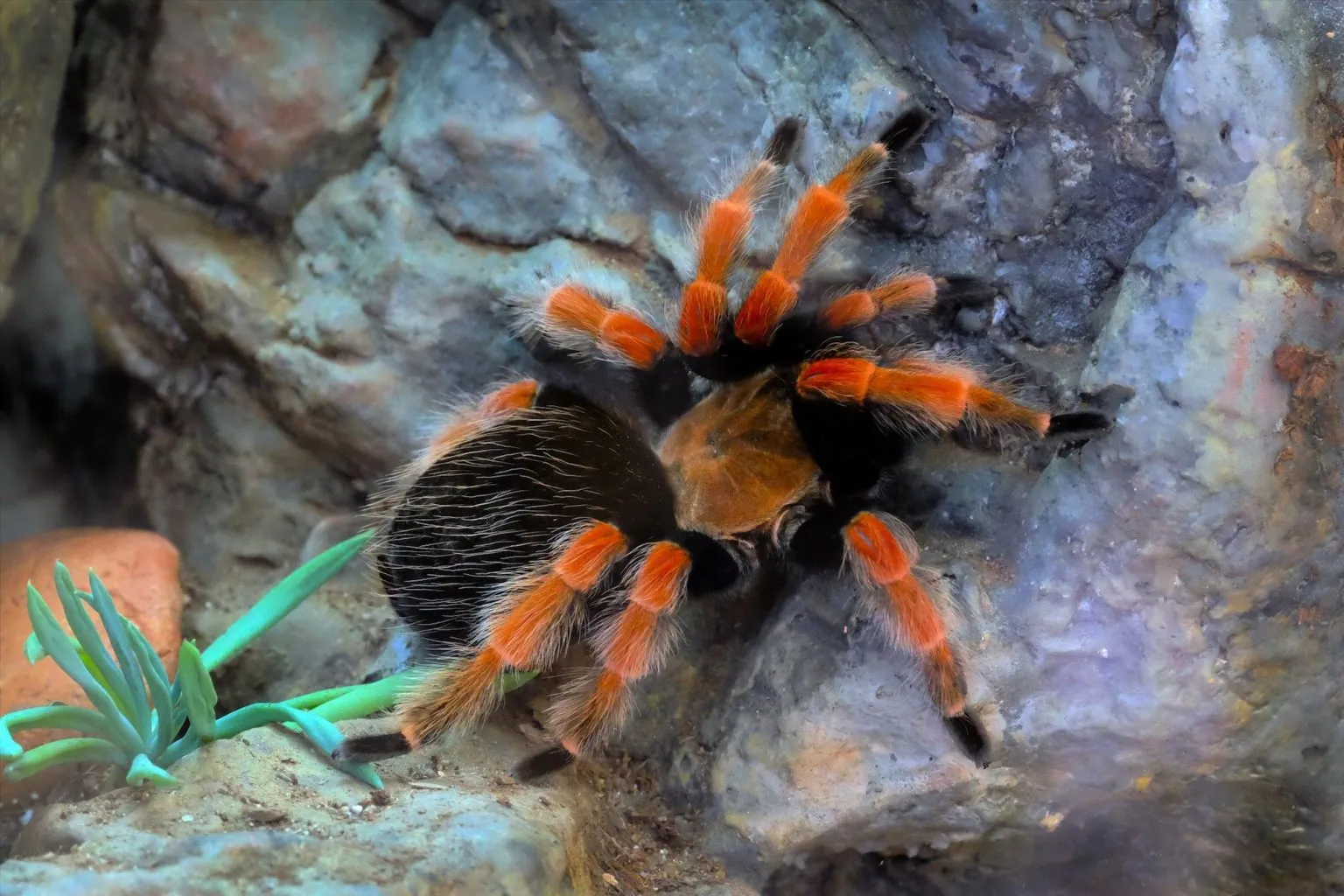
Understanding Mexican Red Knee Tarantula Slings
Caring for a Mexican Red Knee tarantula sling is a rewarding experience, offering a unique opportunity to observe the life cycle of these fascinating creatures. Slings, which are juvenile tarantulas, require specific care to ensure their healthy growth and development. Understanding their needs is crucial for any aspiring tarantula keeper. This guide will provide essential tips for providing the best possible care for your Mexican Red Knee tarantula sling. Proper care from the beginning sets the stage for a long and fulfilling life for your tarantula. It’s essential to research and be prepared before bringing a sling home.
What is a Tarantula Sling?
A tarantula sling is a juvenile tarantula, typically ranging from the first instar (after hatching) to about 1-2 inches in leg span. These young tarantulas are more fragile than adults and require special attention to their environment, feeding, and handling. Slings are in their most vulnerable stage of life, and it is important to be very careful when handling them. The term “sling” often refers to tarantulas that are still in the early stages of development, when their care requirements differ significantly from those of adults. Their small size makes them interesting to observe and watch their development into adults. Understanding the needs of a sling is the first step in successful tarantula keeping.
Why Mexican Red Knee Tarantulas?

The Mexican Red Knee tarantula (Brachypelma hamorii) is a popular choice among tarantula enthusiasts due to its striking appearance and relatively docile temperament. Their striking coloration, featuring black legs with red-orange bands, makes them visually appealing. Mexican Red Knees are known for their calm demeanor, making them a good choice for beginners who are new to tarantula keeping. This species is also known to be relatively long-lived, with females often living for 20 years or more. Their manageable size, combined with their attractive appearance and generally docile nature, makes them one of the most sought-after tarantulas in the pet trade.
Setting Up the Perfect Enclosure
Creating the right environment is the cornerstone of Mexican Red Knee tarantula sling care. A well-designed enclosure provides security, regulates temperature and humidity, and mimics the natural habitat of these arachnids. The enclosure setup should be tailored to meet the specific needs of a tarantula sling. This is especially important because the sling is still growing and is more sensitive to environmental changes than an adult tarantula. Attention to detail in the enclosure setup can prevent problems with shedding and other potential health issues. A properly prepared habitat is crucial for the health and happiness of your sling.
Choosing the Right Enclosure
The enclosure size should be appropriate for the size of the sling. A small, clear plastic container, such as a deli cup with ventilation holes, is ideal for slings. As the tarantula grows, the enclosure should be upgraded to a larger size. Ensure the enclosure has a secure lid to prevent escapes. The enclosure should be well-ventilated to prevent the buildup of mold and maintain healthy air circulation. The size of the enclosure directly impacts the sling’s ability to hunt and feel secure. Clear containers allow you to observe your tarantula’s behavior and development. Proper ventilation is crucial for the sling’s health.
Substrate Selection

The substrate serves as the ground covering in the enclosure, providing a place for the tarantula to burrow and feel secure. For slings, a substrate that retains moisture and allows burrowing is recommended. A mixture of peat moss, vermiculite, and coco fiber is often used. Avoid substrates that are too dusty or that can trap the tarantula. The substrate should be deep enough for the sling to burrow. The substrate should be changed regularly to prevent the buildup of waste and mold. The right substrate provides both comfort and moisture regulation for the sling.
Providing Hiding Places
Tarantula slings are vulnerable and naturally seek secure hiding places. Providing a hide is essential to their well-being. A small piece of cork bark, a half-log, or a pre-made hide can serve this purpose. The hide should be appropriately sized for the sling to feel safe. Place the hide in a corner of the enclosure, providing the sling with a dark and sheltered spot. This reduces stress and allows the sling to feel safe. The presence of a hide can also encourage the tarantula to eat and molt regularly. A secure hide is a fundamental component of a healthy enclosure.
Maintaining Humidity and Temperature
Maintaining the correct humidity and temperature levels is essential for the health and well-being of your Mexican Red Knee tarantula sling. These environmental factors affect their ability to molt successfully, their activity levels, and their overall health. Consistent monitoring and adjustment are necessary to keep the sling’s habitat stable. Fluctuations in humidity and temperature can lead to health problems, so it is important to pay close attention to these factors. These factors replicate the natural environment of the sling, thus providing it with a healthier and more comfortable environment.
Humidity Levels for Slings

Mexican Red Knee tarantulas, especially slings, require a moderate level of humidity. The enclosure should be kept slightly moist, but not soaking wet. This can be achieved by lightly misting one side of the enclosure with water, allowing the other side to remain dry. Aim for a humidity level of approximately 60-70%. Monitor the humidity levels with a hygrometer. Adjust the misting frequency based on the humidity readings and the ventilation of the enclosure. Proper humidity helps the tarantula to molt properly. High humidity can lead to mold growth, while low humidity can make it difficult for the sling to shed its skin.
Temperature Requirements
The ideal temperature range for Mexican Red Knee tarantula slings is between 75-85°F (24-29°C). The enclosure should be kept at a consistent temperature. Avoid placing the enclosure in direct sunlight or near a heat source that could cause the temperature to fluctuate dramatically. Use a thermometer to monitor the temperature. If necessary, use a heat mat or a low-wattage heat lamp to maintain the desired temperature. Avoid placing the heat source directly under the enclosure. Consistent temperature promotes the tarantula’s metabolism and overall health. Temperature extremes can be dangerous for slings.
Watering Your Sling
Providing fresh water is crucial for hydration. For slings, a small, shallow water dish is recommended. Use a bottle cap or a similar small container. Ensure the water dish is shallow enough to prevent the sling from drowning. Change the water frequently to prevent bacterial growth. Consider using a water gel product as an alternative to a water dish, which reduces the risk of drowning. Always provide a source of clean water. Clean water is vital for a tarantula’s health and hydration.
Feeding Your Mexican Red Knee Sling

Feeding your Mexican Red Knee tarantula sling properly is essential for its growth and development. Slings require a diet of appropriately sized insects to provide them with the necessary nutrients. The frequency and type of food should be carefully considered. Proper feeding practices will ensure that the sling grows into a healthy adult. The right diet plays a crucial role in promoting successful molting and overall well-being. A well-fed sling is a happy and healthy sling.
Choosing the Right Food
The size of the prey should be appropriate for the size of the sling. Crickets, small mealworms, or pinhead cockroaches are common choices. Ensure the prey is smaller than the tarantula’s body. Feed the prey a nutritious diet before offering it to the sling, known as gut-loading. This ensures the sling receives all the necessary nutrients. Avoid feeding wild-caught insects, as they may carry parasites or pesticides. The prey should be freshly molted to ensure it is easier for the sling to consume. The right size of the prey will make it easier for the sling to eat, and reduce the risk of it getting injured.
Feeding Frequency
Tarantula slings have a high metabolism and require frequent feeding. Feed your sling 2-3 times a week. Adjust the feeding frequency based on the sling’s appetite and growth rate. If the sling is constantly refusing food, it may be preparing to molt. Monitor the sling’s abdomen for signs of fullness. Overfeeding can lead to health problems, so it is important to find the right balance. Observe your sling’s behavior to determine the best feeding schedule. Regular feeding supports healthy growth and development. It is important to note that, the feeding schedule is dependent on the tarantula.
Removing Uneaten Food

Remove any uneaten food within 24 hours of feeding. Decaying insects can attract mites and other pests, and can also be a source of mold. Use a pair of tweezers to remove uneaten prey. Regular removal of uneaten food helps to maintain a clean enclosure. This practice helps to maintain a healthy environment and reduces the risk of illness. Cleaning up uneaten food is a key aspect of maintaining a healthy environment for your sling. It also helps to prevent the spread of diseases.
Handling and Safety
Handling a Mexican Red Knee tarantula sling can be risky due to their small size and fragility. Understanding the appropriate handling practices and when to avoid handling altogether is crucial for both the tarantula’s and the keeper’s safety. The primary goal should always be to minimize stress to the tarantula. Handling should be kept to a minimum, especially during molting. Careful consideration and caution are essential. The best approach to handling is to approach it with an abundance of caution.
When to Avoid Handling
Avoid handling your sling when it is in premolt, as they are particularly vulnerable during this time. Do not handle the sling immediately after molting, as their exoskeletons are soft and fragile. Avoid handling if the tarantula shows signs of stress, such as defensive posturing. Handle the sling only when necessary, such as for enclosure cleaning or health checks. Always prioritize the tarantula’s safety and well-being. Minimize the risk of injury by avoiding handling during stressful periods.
Safe Handling Practices

If you must handle your sling, do so with extreme care. Gently coax the sling onto your hand, ensuring it can move freely. Always keep your hands close to the ground or a soft surface to prevent injury from a fall. Be gentle and avoid sudden movements. Wash your hands thoroughly before and after handling the tarantula. Approach handling slowly, and respect the tarantula’s body language. Handle the tarantula in a quiet, controlled environment. Always prioritize the safety of the tarantula and handle with care.
Recognizing Potential Issues
Being able to recognize the signs of a healthy and unhealthy tarantula sling is essential for providing proper care and addressing any potential health problems promptly. Regular observation of your sling’s behavior, feeding habits, and appearance can help you identify any issues early on. A proactive approach to health monitoring can prevent minor issues from developing into more serious ones. Early detection allows you to provide prompt intervention if necessary. Taking immediate action can save the tarantula.
Signs of a Healthy Sling
A healthy Mexican Red Knee tarantula sling will exhibit several positive signs. The sling should be active, exploring its enclosure. It should have a healthy appetite and readily consume food. The abdomen should be plump and not appear shriveled. The sling’s colors should be vibrant and bright, which suggests good health. Observe the sling’s molting behavior, if any. A healthy sling will molt regularly. A healthy sling will show normal behaviors, such as burrowing and hiding.
Common Health Problems
Tarantula slings can be susceptible to certain health problems. Dehydration can occur if the sling does not have access to fresh water or if the humidity is too low. Parasites can be introduced through contaminated food or substrate. Mites can infest the enclosure and cause problems for the tarantula. Check for signs of fungal infections, especially if the enclosure is too humid. If you notice any unusual behavior, such as lethargy or loss of appetite, consult with an experienced tarantula keeper or a veterinarian specializing in exotic animals. Address issues promptly to prevent them from escalating.
Shedding and Molting
Molting is a natural process where tarantulas shed their exoskeletons to grow. Slings molt more frequently than adults. Provide a stable environment with the right humidity and temperature. Avoid handling the sling during premolt, as it is very vulnerable. After molting, the tarantula’s exoskeleton is soft and fragile, so avoid disturbing it during this period. Molting is a sign of growth, so be sure to provide optimal care. A successful molt indicates a healthy tarantula. After the molt, the tarantula will eat more.
Conclusion
Caring for a Mexican Red Knee tarantula sling is a rewarding experience that requires careful attention to detail and a commitment to providing the right environment. By understanding the specific needs of these young tarantulas, you can ensure their healthy growth and development. Creating a suitable environment and being a knowledgeable keeper will go a long way in providing your tarantula with a healthy and fulfilling life. With the right knowledge and care, your Mexican Red Knee tarantula sling can thrive and become a fascinating addition to your home. Remember that consistency in care is key, along with regular observation and monitoring.