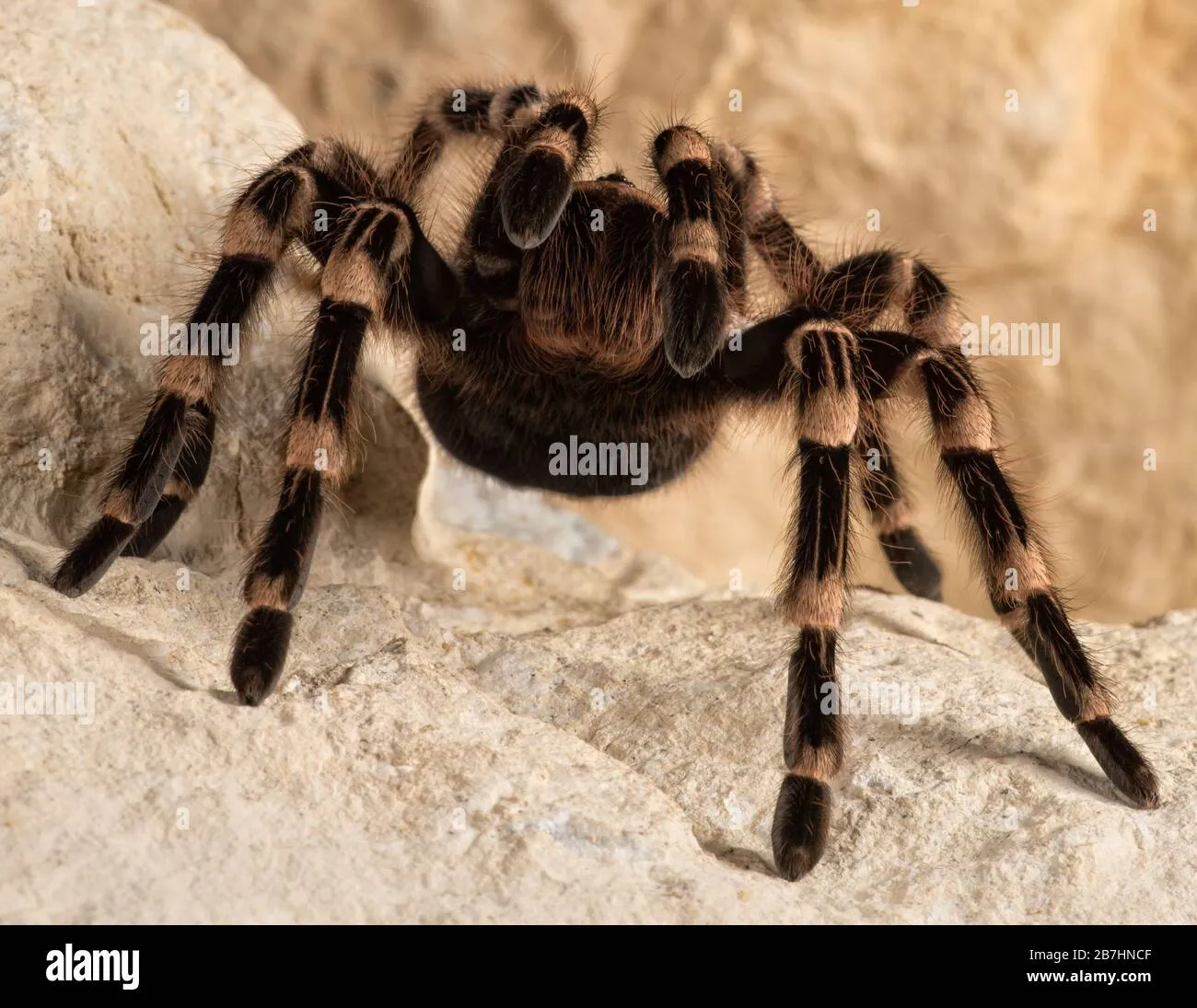
Understanding the Mexican White Head Tarantula (MWHT)
The Mexican White Head Tarantula, scientifically known as Brachypelma albiceps, is a captivating and relatively docile spider native to Mexico. This beginner-friendly tarantula has gained popularity among arachnid enthusiasts due to its striking appearance and manageable care requirements. As you embark on the journey of MWHT ownership, it’s essential to grasp the fundamental aspects of their life and needs. This guide provides comprehensive information about habitat, feeding, and overall care, ensuring your tarantula thrives. Understanding the nuances of its environment is the first step towards providing a long and healthy life for your pet, and this includes understanding the delicate balance of their ecosystem, from humidity and temperature to the types of food that it eats.
Origin and Habitat
In their natural habitat, Mexican White Head Tarantulas are terrestrial spiders, found in the grasslands and scrublands of central Mexico. They typically inhabit burrows, providing protection from the elements and predators. The natural environment of MWHTs is characterized by a relatively dry climate, with distinct wet and dry seasons. Replicating these conditions in captivity is vital for the spider’s well-being. Creating a comfortable environment goes a long way in keeping your tarantula happy and stress free, and in keeping them from developing health issues. Understanding that the wild is often a source of inspiration for many arachnid enthusiasts, it’s vital to recognize the importance of conservation efforts and the ethical sourcing of these amazing creatures.
Appearance and Characteristics

The Mexican White Head Tarantula is known for its striking appearance, marked by a dark carapace (the top part of its cephalothorax) and legs contrasted with a white or yellowish cephalothorax. The abdomen is typically covered with dark hairs. Adult females can reach a leg span of up to 6 inches, while males are slightly smaller. Their impressive appearance makes them a favorite among tarantula enthusiasts. These tarantulas also possess urticating hairs on their abdomen, which they can flick off as a defense mechanism. This behavior can cause irritation if it comes into contact with skin or eyes, underscoring the importance of handling them with care and awareness.
Setting Up the Perfect MWHT Enclosure
Creating a suitable habitat is paramount to the well-being of your Mexican White Head Tarantula. The enclosure should replicate its natural environment, providing a secure and comfortable space for the spider to thrive. Proper setup involves selecting the right tank size, choosing the appropriate substrate, and maintaining optimal temperature and humidity levels. It’s important to remember that a well-designed enclosure not only caters to the spider’s physical needs but also offers enrichment, allowing it to express natural behaviors such as burrowing and exploring. Providing a suitable habitat also minimizes stress, a significant factor in the overall health of your tarantula.
Choosing the Right Tank
For a juvenile MWHT, a 5-10 gallon tank is generally sufficient. As they mature, a larger tank, approximately 10-20 gallons, is recommended to provide ample space. The enclosure should be well-ventilated, with a secure lid to prevent escape. Glass or acrylic tanks are both suitable options. The tank should be at least twice as wide as the tarantula’s leg span to give it ample room to move around. Consider the adult size of the tarantula when selecting the enclosure, ensuring enough space for your pet to grow without stress. Always prioritize the tarantula’s safety and well-being when choosing the enclosure.
Substrate Selection

The substrate is crucial for creating a natural environment. A mix of coco fiber, peat moss, and a small amount of vermiculite works well. The substrate should be deep enough to allow the tarantula to burrow, typically 4-6 inches deep. Keep the substrate slightly moist, not wet, to maintain appropriate humidity levels. Avoid substrates like sand or gravel that can be difficult for the spider to burrow in and may cause injury. Regular spot cleaning of the substrate is necessary to remove any uneaten food or waste. Change the substrate entirely every 6-12 months to maintain hygiene and minimize the risk of bacteria or mold growth.
Temperature and Humidity Control
Mexican White Head Tarantulas thrive in temperatures between 75-85°F (24-29°C). Use a heat mat on the side of the tank to maintain the desired temperature. Avoid placing the heat mat directly under the tank, as it may cause the substrate to dry out too quickly. Humidity levels should be maintained between 60-70%. Regular misting, a few times a week, may be needed to keep the substrate slightly moist. A hygrometer is essential to monitor humidity levels. Good ventilation is also important to prevent mold and maintain the appropriate humidity. Provide a shallow water dish with fresh water available at all times. It’s important to note that proper temperature and humidity are essential for successful molting.
Feeding Your MWHT
Feeding is a fundamental aspect of caring for your Mexican White Head Tarantula. Providing a balanced diet with appropriate frequency ensures your tarantula stays healthy and grows properly. Knowing what foods are safe and nutritious and how often to feed your tarantula can ensure that your pet is getting the proper nutrients to thrive. In addition to feeding, understanding the hydration requirements is another vital part of the spider’s health and well-being. Monitoring their feeding habits and adjusting the diet based on their individual needs contributes to their overall health.
What to Feed Your Tarantula

The primary food source for Mexican White Head Tarantulas should consist of live insects. Crickets, mealworms, and roaches are excellent options. Ensure the insects are gut-loaded (fed nutritious food) before offering them to your tarantula, this will help the tarantula get the nutrients it needs. The size of the insect should be appropriate for the tarantula’s size; the insect should be no larger than the tarantula’s abdomen. Avoid feeding wild-caught insects, as they may carry parasites or pesticides. Remove any uneaten food within 24 hours to prevent mold and mites.
Feeding Frequency
Juvenile tarantulas should be fed 2-3 times a week, while adults can be fed once a week or every other week. Adjust the feeding schedule based on the tarantula’s appetite and condition. A well-fed tarantula will have a rounded abdomen. If the abdomen appears too large and distended, reduce feeding frequency. Similarly, if the abdomen appears thin, increase the frequency or the amount of food. Monitor their overall health to determine the right balance.
Watering and Hydration
Providing fresh water is essential. A shallow water dish should be available at all times. The water dish should be shallow enough to prevent the tarantula from drowning. Change the water every few days to maintain freshness. You can also lightly mist the enclosure, especially during molting, to help maintain humidity levels. Ensure you are not over-misting, as this can lead to mold or other problems. Regular monitoring of the water source and humidity is important to maintain the health of your tarantula.
Handling and Safety

While Mexican White Head Tarantulas are generally docile, it is crucial to handle them with care and respect. Handling can be stressful for tarantulas, and it is best to minimize handling whenever possible. If you do handle your tarantula, take appropriate precautions and always remain aware of the potential risks involved. Understanding the right handling practices and recognizing signs of stress are essential steps to keep both you and your tarantula safe.
Safe Handling Practices
If you must handle your tarantula, do so slowly and gently. Avoid sudden movements. Handle them close to the ground or over a soft surface, in case of a fall. Never try to grab or corner the tarantula. Use a soft brush or a cup to gently encourage the tarantula to walk onto your hand. Wash your hands thoroughly before and after handling to prevent the spread of any germs or chemicals. It’s best to avoid handling during or just before molting because they can be particularly vulnerable. The more comfortable the tarantula is, the safer the experience will be for both you and your pet.
Recognizing Signs of Stress
Observe your tarantula for signs of stress. These can include erratic movements, flicking urticating hairs, or a defensive posture (raising its front legs, and showing its fangs). If your tarantula displays these behaviors, it is best to leave it alone and allow it to retreat to its burrow. Changes in their feeding habits, lethargy, or a refusal to eat can also indicate stress. Providing a secure and stable environment is one of the best ways to reduce stress. Regular observation and knowing your tarantula’s behavior will help you identify potential issues early on and adjust care accordingly.
Common Health Issues

While Mexican White Head Tarantulas are generally hardy, they can be susceptible to certain health issues. Understanding common problems like issues with molting and parasites can help you provide proper care and seek assistance when needed. Regular monitoring and preventive measures are crucial for keeping your tarantula healthy. Addressing these health issues promptly can significantly improve your tarantula’s overall well-being. Awareness of potential issues is essential for being a responsible and knowledgeable tarantula owner.
Moulting
Molting is a natural process where the tarantula sheds its exoskeleton to grow. During molting, the tarantula is extremely vulnerable. Provide a humid environment and do not disturb the tarantula while it is molting. It is common for the tarantula to stop eating a few weeks before molting. After molting, the tarantula will have a new, soft exoskeleton. It will need a few days to harden before you can feed it. Provide a small, shallow dish of water to help keep it hydrated during this period. It’s common for juveniles to molt more frequently than adults. The frequency of molting depends on the age, diet, and environmental conditions. Avoid handling the tarantula until the exoskeleton has fully hardened.
Parasites and Diseases
Although rare, tarantulas can be affected by parasites like mites. Mites can be introduced through contaminated substrate or live insects. Signs of a mite infestation include small, moving dots on the tarantula or in the enclosure. If you suspect a mite infestation, isolate the tarantula and replace the substrate. Consult with an expert on tarantula care or a veterinarian experienced with exotic animals for advice on treatment. Maintain good hygiene practices, ensure the insects you use are clean and gut-loaded, and regularly check the enclosure for any signs of problems to prevent infestations. Diseases are also uncommon, but can occur if the tarantula is kept in a very poor environment.
Breeding

Breeding Mexican White Head Tarantulas can be a fascinating undertaking. However, it requires specialized knowledge and careful planning. Before considering breeding, ensure you understand the complexities and responsibilities involved. This includes sexing your tarantulas, and the required conditions and preparation needed for successful mating and egg sac production. Careful research and preparation are crucial for those interested in breeding tarantulas.
Sexing Your Tarantula
Sexing a tarantula is essential for breeding. The most reliable method is to examine the underside of the tarantula after a molt. Look for the presence of spermathecae (sperm storage organs) in females and the presence of a hook or tibial spurs on the male’s front legs. Males will also often have a bulbous structure on the pedipalps. You can also use a flashlight and a magnifying glass to check their molt. Sexing is not always easy, especially with juveniles. If you’re unsure, consult with a tarantula expert for assistance.
Mating and Egg Sacs
Mating typically involves introducing a mature male to a receptive female’s enclosure. Supervise the process, and be prepared to separate them immediately after mating to prevent the female from eating the male. The female will then lay eggs and encase them in a silk egg sac. Keep the egg sac in a secure and stable environment, maintaining the correct temperature and humidity. After a few weeks, the eggs will hatch into spiderlings. Caring for spiderlings can be a challenging process, requiring specialized knowledge of their needs. The success rate of breeding depends on the conditions, health of the spiders, and your experience, so be prepared to do extensive research and planning.
Conclusion

Caring for a Mexican White Head Tarantula can be a rewarding experience. By following the guidelines provided in this care guide, you can ensure your tarantula lives a long, healthy, and fulfilling life. Remember to research and continue learning about these amazing creatures. Regular observation, a suitable habitat, proper feeding, and safe handling are the keys to success. Enjoy the journey of tarantula ownership and the fascinating world of arachnids!