What Is Molting?
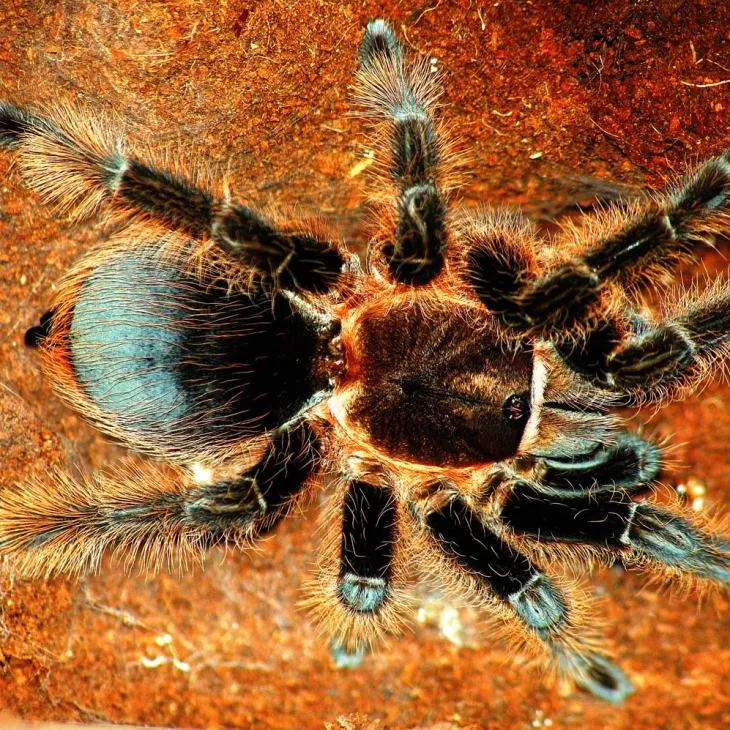
Molting is a natural and essential process for Honduran Curly Hair Tarantulas, and all other tarantulas, where they shed their exoskeletons. This outer layer, or exoskeleton, does not grow; it is a rigid shell that protects the tarantula. As the tarantula grows, it outgrows this shell. Molting allows the tarantula to shed this restrictive covering and reveal a new, larger one beneath. It is a vulnerable time for the tarantula, but it is critical for their growth and overall health. During this process, the tarantula essentially turns itself inside out, shedding everything from its external shell to the lining of its gut and the outer layers of its breathing structures.
Why Do Tarantulas Molt?
Tarantulas molt primarily to grow. Their exoskeletons are made of chitin, which is strong but inflexible. This means they can’t expand like mammals. When a tarantula reaches its maximum size within its current exoskeleton, it must molt to create a new, larger one. Molting also serves other important functions. It helps the tarantula to replace lost limbs (they can regenerate them over several molts), and to get rid of parasites or debris that may have accumulated on the exoskeleton. It’s also a way for the tarantula to replace the lining of its book lungs, which are essential for breathing. Essentially, molting is a comprehensive renewal process for tarantulas, allowing them to thrive and survive in their environment.
5 Facts About Honduran Curly Hair Tarantula Molting

Fact 1 Preparation for Molting
Before a Honduran Curly Hair Tarantula molts, there are several telltale signs. The tarantula may become less active, spending more time in its burrow or hiding spot. Their abdomen may appear darker and the skin may appear stretched. They might refuse food for several weeks or even months prior to molting. The tarantula may also start to build a web mat or silk bed. This is a sign that the process is about to begin. The tarantula positions itself on its back, this is the key stage of the process. Recognizing these signs is crucial for a tarantula owner to ensure the tarantula is in a safe and stress-free environment during this vulnerable time. This includes maintaining the proper humidity and temperature.
Fact 2 The Molting Process
The molting process itself is a remarkable feat of nature. The tarantula lies on its back, and the exoskeleton splits open, usually along the carapace (the top shell of the cephalothorax). The tarantula then slowly wriggles out of its old skin, a process that can take anywhere from a few minutes to several hours, depending on the size and age of the tarantula. During this time, the tarantula is extremely vulnerable. It is soft-bodied and defenseless. Once the tarantula has completely shed its old exoskeleton, it will remain in a relaxed state while the new exoskeleton hardens. The new exoskeleton is much larger and will allow for future growth.
Fact 3 Post-Molt Care
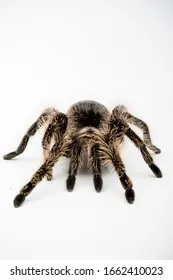
After molting, the tarantula’s new exoskeleton is soft. It takes several days, or even weeks, for it to fully harden. During this time, it is extremely important to provide the tarantula with the proper care. Do not feed the tarantula immediately after molting. Wait at least a week, allowing the fangs to harden, as they are essential for catching and subduing prey. Ensure the tarantula has access to fresh water. Avoid handling the tarantula until its exoskeleton is fully hardened. This will prevent injury to the tarantula. Maintain the enclosure at the proper temperature and humidity to facilitate the hardening process.
Fact 4 Frequency of Molting
The frequency of molting varies depending on the tarantula’s age, growth rate, and feeding schedule. Younger tarantulas, especially spiderlings, molt more frequently than adults. They may molt several times a year, as they are rapidly growing. As the tarantula matures, the molting frequency decreases. Adult tarantulas might only molt once a year, or even less frequently. Factors such as the amount of food consumed and the environmental conditions can also influence the molting frequency. Providing a varied diet and optimal environmental conditions will contribute to the tarantula’s overall health and molting schedule.
Fact 5 Identifying Problems
While molting is a natural process, it can sometimes present challenges. Sometimes, a tarantula may have difficulty molting, a condition known as a ‘stuck molt’. This can be caused by a variety of factors, including low humidity, improper temperatures, or health issues. If a tarantula is struggling to molt, it is crucial to take immediate action. Increasing the humidity in the enclosure, or gently assisting the tarantula can help. Other problems can include limb loss. The old exoskeleton can sometimes become damaged, or the tarantula may struggle to remove a leg. Always provide a stress-free environment for the tarantula.
Tips for a Successful Molt

Providing the Right Environment
Maintaining the proper environment is crucial for a successful molt. This includes providing the correct temperature and humidity levels. Honduran Curly Hair Tarantulas thrive in a temperature range of 75-85°F (24-29°C). Humidity should be maintained at around 65-75%. The enclosure should have a substrate that retains moisture, such as coconut fiber or peat moss. Regular misting can help maintain humidity. A shallow water dish should always be available. The enclosure should have adequate ventilation. Avoid direct sunlight, which can overheat the enclosure and make the tarantula uncomfortable.
Avoiding Disturbances
During molting, it is essential to minimize any disturbances to the tarantula. Avoid handling the tarantula, or the enclosure. Refrain from making sudden movements or loud noises near the enclosure. This is an extremely stressful time for the tarantula, and any disturbance can interfere with the molting process. Do not attempt to feed the tarantula until its fangs have hardened after molting. Ensure that the tarantula has a safe and secure place to molt, with plenty of hiding spots. A calm and undisturbed environment is critical for a successful molt.
Understanding the Risks

Molting is a natural process, but it does come with some risks. A tarantula can die during a molt if it is unable to shed its old exoskeleton. This can be due to low humidity, injury, or health problems. It is important to recognize the signs of a problem and take corrective action. If a tarantula is struggling to molt, consult with a veterinarian or an experienced tarantula keeper. Be patient and do not interfere unless absolutely necessary. By understanding the risks and providing the proper care, you can help ensure your Honduran Curly Hair Tarantula has a safe and successful molt.