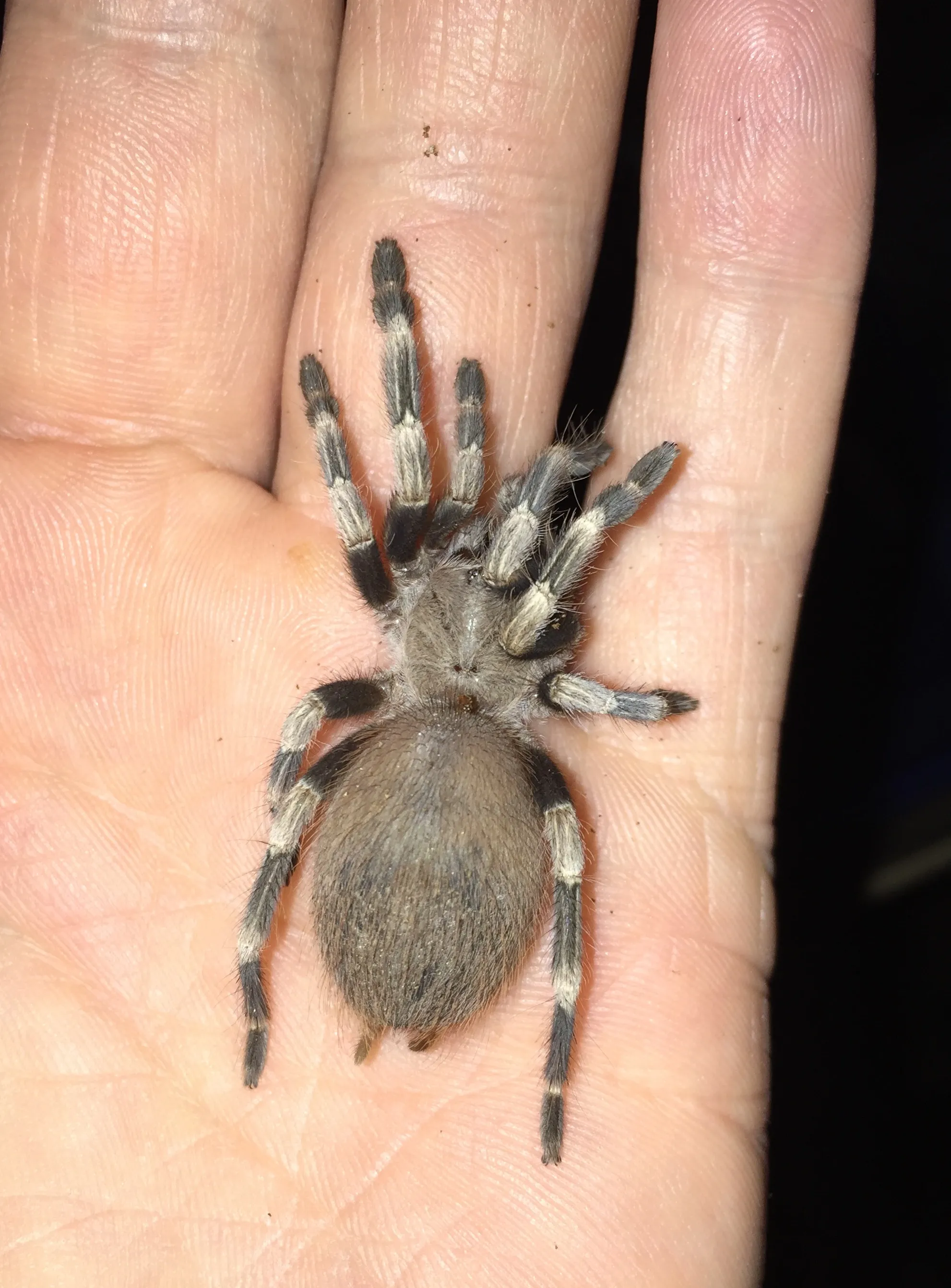
What is a Nhandu Tarantula
The Nhandu carapoensis, commonly known as the Brazilian Black Tarantula or simply Nhandu tarantula, is a popular species in the pet trade, admired for its striking appearance and relatively docile nature. Native to the grasslands and tropical forests of South America, these spiders are terrestrial, meaning they primarily live on the ground. Their appeal lies in their manageable size, impressive presence, and the intriguing opportunity to observe their behaviors. They have a unique appeal because of their care requirements, the Nhandu tarantula is a fascinating creature for both novice and experienced arachnid enthusiasts. Learning how to care for a Nhandu tarantula can be a rewarding experience, provided that the owner is well-informed and prepared to meet its specific needs.
Appearance and Characteristics
Nhandu tarantulas are known for their dark, velvety appearance. Adults typically exhibit a deep black coloration, though juveniles may have a slightly browner hue that darkens with each molt. Their bodies are covered in fine hairs, giving them a textured look. The carapace (the top part of their cephalothorax) and legs are robust, reflecting their ground-dwelling lifestyle. The presence of urticating hairs, used for defense, is a key characteristic of the New World tarantulas, but the Nhandu’s temperament is often described as more amenable than other species, which contributes to their popularity among hobbyists. Their size and appearance make them a captivating addition to any collection.
Size and Lifespan

These tarantulas are considered a medium-sized species. Females can reach a leg span of up to 7-8 inches, while males tend to be slightly smaller. The lifespan of a Nhandu tarantula varies depending on the sex; females can live for 15-20 years or longer, while males typically live for 3-5 years after their final molt. This significant difference is a crucial factor to consider when acquiring a Nhandu, as it will affect your long-term commitment to its care. The long lifespan of females makes them particularly attractive to keepers who enjoy observing the growth and changes in their pet over an extended period.
Habitat and Enclosure Setup
Creating an appropriate habitat is fundamental to the health and well-being of your Nhandu tarantula. The enclosure should provide a safe and stimulating environment, mimicking their natural habitat. Careful attention to the size, substrate, temperature, and humidity is crucial for the spider’s comfort and proper development. It should be designed to accommodate their terrestrial lifestyle and provide opportunities for them to express their natural behaviors, such as burrowing and exploring. The correct setup not only meets the needs of the tarantula but also enhances your ability to observe and enjoy your pet.
Choosing the Right Enclosure
A secure and well-ventilated enclosure is the first step in providing a suitable habitat. For a juvenile Nhandu, a 5-10 gallon tank is often sufficient, while a full-grown adult will thrive in a 10-20 gallon enclosure. The enclosure should be constructed of glass or clear plastic, allowing for easy observation of the spider. Ensure that the enclosure has a secure, tight-fitting lid to prevent escape, as tarantulas can be surprisingly adept at climbing. The enclosure should have good ventilation to maintain air quality and humidity levels but should not be drafty, as this can be detrimental to the spider’s health. Consider the size of the tarantula and plan accordingly for the mature size of the specimen.
Substrate and Decoration

The substrate serves as the floor of the enclosure and is vital for providing a comfortable environment. A good substrate should allow the tarantula to burrow and maintain adequate humidity levels. A mixture of peat moss, coconut fiber, and a small amount of vermiculite is recommended. The depth of the substrate should be at least 4-6 inches to allow for burrowing behavior. Decorations such as cork bark, artificial plants, and a shallow water dish provide enrichment and visual appeal. Avoid using sharp or rough decorations that could potentially injure the tarantula. These decorations also offer hiding places, which make the tarantula feel more secure and reduce stress.
Temperature and Humidity
Maintaining the correct temperature and humidity levels is essential for the health of your Nhandu. The ideal temperature range is between 75-85°F (24-29°C). You can use a heat mat placed on the side of the enclosure (never underneath) or a low-wattage heat lamp to maintain this temperature. Humidity levels should be maintained between 60-70%. Use a hygrometer to monitor humidity and mist the enclosure with dechlorinated water as needed to maintain these levels. Proper ventilation will also help in avoiding mold and mildew growth, which can be harmful to your tarantula. Regularly check and adjust the temperature and humidity to keep your Nhandu tarantula healthy and comfortable.
Feeding and Nutrition
Proper nutrition is crucial for the health and growth of a Nhandu tarantula. Feeding your spider appropriately ensures it receives the necessary nutrients to thrive. It’s important to consider the type of food, feeding frequency, and water requirements. Understanding the feeding habits of Nhandu tarantulas and providing a balanced diet contributes to a longer, healthier life for your pet. A well-fed tarantula is more likely to molt successfully and display its vibrant colors and natural behaviors.
Types of Food

Nhandu tarantulas are primarily insectivores, and their diet should consist mainly of insects. Good choices include crickets, dubia roaches, mealworms, and the occasional superworm. The size of the prey should be appropriate for the size of the tarantula; juveniles should be fed smaller prey, and adults can handle larger insects. Always gut-load the insects with nutritious food (such as vegetables and commercial insect food) 24 hours before feeding them to your tarantula. This enhances the nutritional value of the meal. Avoid feeding wild-caught insects, as they may carry pesticides or parasites that could harm your pet.
Feeding Frequency
The feeding frequency should be adjusted based on the tarantula’s age and growth rate. Spiderlings and juveniles should be fed 2-3 times per week, while adults can be fed once every 1-2 weeks. It’s important to remove any uneaten prey within 24 hours to prevent stress to the tarantula and to avoid the growth of mold. Observe your tarantula’s abdomen; if it looks plump and healthy, the feeding schedule is likely correct. If your tarantula refuses food, it might be in premolt or simply not hungry. Always have a fresh supply of water available, even when your tarantula isn’t eating.
Water and Hydration
Providing a constant supply of fresh water is essential for your Nhandu. Use a shallow water dish that is easily accessible and shallow enough to prevent the spider from drowning. The water dish should be filled with fresh, dechlorinated water. Change the water at least once a week to prevent the growth of bacteria and algae. For smaller spiderlings, you can use a water-filled cotton ball or sponge. Ensure that the water source is always clean and readily available for your tarantula to hydrate properly, which is vital for molting and overall health.
Handling and Safety

While Nhandu tarantulas are often described as relatively docile, caution is still essential when handling them. Understanding their behavior and practicing safe handling techniques minimizes the risk of both injury to the tarantula and yourself. Knowing what to expect and how to respond can help you enjoy a safe and enriching experience with your pet. Always prioritize the spider’s well-being and your own safety.
Safe Handling Practices
Handling Nhandu tarantulas should be kept to a minimum, as stress can be detrimental to their health. If you must handle your tarantula, do so carefully and deliberately. Always handle them close to the ground or a soft surface to minimize the risk of injury if they fall. Avoid sudden movements and loud noises, which can startle the spider. Gently coax the tarantula onto your hand, allowing it to walk onto your palm rather than grabbing it. Never force the tarantula to move or handle it if it appears agitated or defensive.
Understanding Tarantula Behavior
Observing your Nhandu’s behavior can provide valuable insights into its well-being. Tarantulas can exhibit various behaviors, including defensive postures, such as raising their front legs or flicking urticating hairs. When a tarantula feels threatened, it may also try to escape or hide. Familiarize yourself with these behaviors to understand when your tarantula is stressed or uncomfortable. If your tarantula is in premolt, it may become less active, refuse food, and exhibit a duller color. Postmolt, the tarantula will be soft and vulnerable, so it is best to avoid handling it during this time.
Common Health Issues and Prevention

Like all pets, Nhandu tarantulas are susceptible to certain health issues. Understanding these issues and taking preventive measures is crucial for ensuring your tarantula’s longevity and well-being. By being vigilant and taking care of their needs, you can keep your pet healthy and happy. Prevention is always better than cure when dealing with arachnids, so proactive care is a must.
Moulting Process
Moulting is a natural and essential process for tarantulas, where they shed their exoskeleton to grow. The frequency of moulting decreases as the tarantula ages. Signs of premolt include a change in color, reduced appetite, and lethargy. During moulting, the tarantula will lie on its back, and it can take several hours for the process to complete. It is crucial not to disturb your tarantula during moulting. After moulting, the tarantula will be soft and vulnerable; avoid handling it for at least a week to allow its new exoskeleton to harden. Ensure high humidity during the moult to assist the process.
Identifying and Treating Diseases
Tarantulas can be affected by various diseases, often caused by poor environmental conditions. Common issues include fungal infections, caused by high humidity and poor ventilation. Parasites may also affect tarantulas, though this is less common. If your tarantula shows signs of illness, such as lethargy, loss of appetite, unusual behavior, or discoloration, consult an experienced tarantula keeper or a veterinarian familiar with arachnids. Improving the enclosure conditions and providing the correct care can often prevent and treat these problems. Keep the enclosure clean and maintain proper humidity and temperature levels to reduce the risk of disease.
Breeding and Reproduction
Breeding Nhandu tarantulas can be a rewarding but complex endeavor. It requires a deep understanding of their mating behavior, precise environmental control, and a commitment to caring for the resulting offspring. Successful breeding depends on a combination of factors, including the health and maturity of the spiders and careful management throughout the process. It is a step that requires time, research, and the right resources to ensure successful results.
Sexing Nhandu Tarantulas
Accurate sexing is critical for breeding. The most reliable way to determine the sex of a tarantula is to examine its molt. After a tarantula molts, the exuvia (the shed exoskeleton) can be examined under magnification to identify the presence of spermathecae (in females) or hooks on the first pair of legs (in males). In adult tarantulas, you can sometimes observe the presence of the sperm web of males. This identification method is far more dependable than looking at size or general appearance. Sexing is a vital process for planning successful breeding attempts.
Breeding Process
Breeding Nhandu tarantulas involves introducing a mature male to a receptive female. The male will approach the female, and if she is receptive, they will mate. Be prepared to separate the male from the female immediately after mating, as the female may attempt to eat the male. The female will then lay eggs in an egg sac. The egg sac should be incubated under proper conditions, and the spiderlings will eventually hatch. Rearing the spiderlings can be challenging, requiring careful attention to feeding, humidity, and enclosure setup. Successful breeding necessitates a comprehensive understanding of each stage of the process, including preparation, mating, incubation, and spiderling care. Careful planning and meticulous observation are essential for success.
Conclusion
Caring for a Nhandu tarantula can be a highly rewarding experience. By understanding their needs, from enclosure setup to feeding, handling, and health, you can provide a thriving habitat for these fascinating creatures. This comprehensive guide provides the necessary information to successfully keep a Nhandu tarantula. From understanding the basics of their care, to exploring breeding, this guide allows you to begin, and continue, your journey of Nhandu tarantula keeping with confidence and enjoyment. Always remember to prioritize your tarantula’s well-being and enjoy the process of learning and caring for these captivating arachnids.