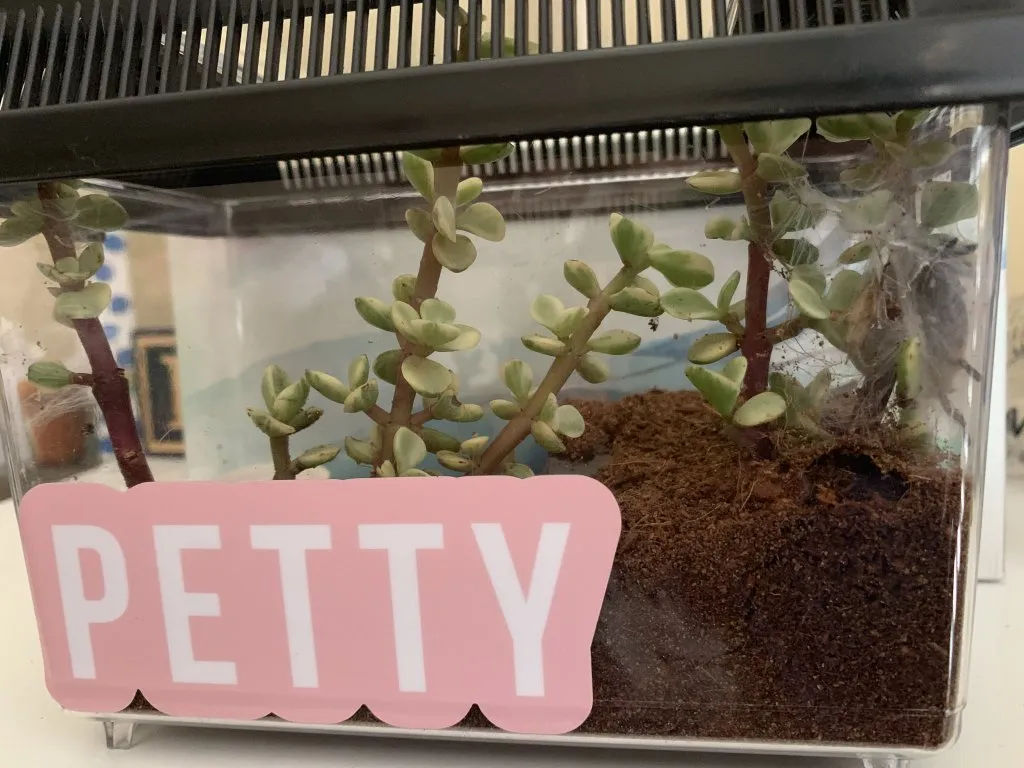
Choosing the Right Obt Tarantula Habitat
Creating the perfect Obt tarantula habitat is crucial for the health, happiness, and longevity of your pet spider. A well-designed habitat mimics the natural environment of an Obt, providing the necessary conditions for it to thrive. This guide will walk you through the essential elements of an Obt tarantula habitat, ensuring you can provide a safe and stimulating home for your eight-legged friend. From selecting the right size enclosure to maintaining optimal temperature and humidity levels, we will cover everything you need to know to create the best possible habitat for your Obt tarantula. Understanding these factors is key to successful Obt tarantula keeping.
Size Matters Understanding Obt Tarantula Habitat Needs
The size of the enclosure is one of the most critical aspects of an Obt tarantula habitat. A habitat that’s too small can restrict the spider’s movement and lead to stress, while a habitat that’s too large can make it difficult for the spider to find food and feel secure. It’s important to strike a balance, providing enough space for the tarantula to move around, burrow (if the substrate allows), and feel comfortable. Consider the adult size of your Obt when choosing an enclosure, as they can grow to be quite large. Proper sizing ensures the spider can molt successfully and live a long, healthy life.
Minimum Tank Size Considerations

When considering the minimum tank size, you want to ensure your Obt has enough space to move around and feel secure. A good rule of thumb is to provide a space that is at least three times the spider’s leg span in width and length. For smaller specimens, a 5-gallon tank might suffice initially, but as they grow, you will likely need to upgrade. Always prioritize width and length over height, as Obt tarantulas are primarily terrestrial. Adequate floor space is more important than vertical space in the habitat setup. This will also facilitate proper thermoregulation and prevent the tarantula from climbing and falling.
Ideal Tank Dimensions for Your Obt
For an adult Obt tarantula, a terrarium that measures at least 18x18x12 inches (length x width x height) is recommended. This provides ample space for the spider to move, burrow, and explore. A larger enclosure can also help maintain temperature and humidity more consistently. Consider a front-opening terrarium for easier access when feeding, cleaning, and maintaining the habitat. Ensure the enclosure has a secure, tight-fitting lid to prevent escapes. The ideal dimensions will depend on the individual spider’s size and activity level, but err on the side of more space whenever possible. It is critical to choose a tank with ventilation to prevent the buildup of excessive humidity.
Substrate Selection for Your Obt Tarantula
The substrate, or bedding, in your Obt tarantula’s habitat plays a vital role in maintaining humidity, providing a comfortable environment, and allowing the spider to exhibit natural behaviors. The right substrate supports the tarantula’s well-being by providing a surface for it to walk on, burrow in, and molt. The substrate should also be non-toxic, hold moisture well, and be easy to clean. Proper substrate selection ensures a healthy and thriving environment for your Obt, contributing to its overall quality of life. The type of substrate you choose can also influence the aesthetic of your setup.
Best Substrate Options for Obt Tarantulas

Several substrate options are suitable for Obt tarantulas. A popular choice is a mix of peat moss, vermiculite, and a small amount of coco fiber. This combination holds moisture well, provides a good burrowing medium, and is relatively easy to clean. You can also use pre-mixed reptile substrates specifically designed for tarantulas. Avoid substrates that contain harmful chemicals or fertilizers. Cypress mulch is another good option; however, it may need to be replaced more often due to its slower decomposition rate. Make sure that whatever you choose is free of pesticides.
Substrate Depth and Humidity Requirements
The depth of the substrate should be sufficient to allow your Obt to burrow if it chooses. A depth of 4-6 inches is generally recommended, but more is better. This allows the tarantula to create a comfortable hide and maintain its preferred microclimate. The substrate should be kept slightly moist, but not saturated. Use a spray bottle to mist the substrate occasionally, or consider placing a water dish in the habitat to help maintain humidity. Humidity is critical for successful molting and overall health. The correct humidity level will assist the tarantula in shedding its skin.
Essential Habitat Accessories
Adding accessories to your Obt tarantula’s habitat enhances its environment by providing enrichment and promoting natural behaviors. These accessories not only create a more visually appealing setup but also contribute to the spider’s psychological well-being. The right accessories can make your Obt feel more secure and comfortable in its enclosure, reducing stress and encouraging activity. From water dishes to hiding places, the addition of these elements will make the enclosure a more natural and enriching environment.
Water Dish and Hydration for Your Obt

A shallow water dish is essential for providing your Obt tarantula with a source of fresh water. The dish should be small enough to prevent the spider from falling in and drowning, and it should be easy to access. A bottle cap or a small, shallow reptile water dish works well. Regularly refill the water dish with fresh, clean water. Hydration is critical to the spider’s survival, especially during molting. Keep the water dish clean to prevent the growth of bacteria and provide a healthy environment. You can also lightly mist the enclosure as another way to provide hydration.
Hiding Places and Enrichment
Obt tarantulas are naturally reclusive and appreciate having a secure hiding place where they can retreat. Provide a hide, such as a piece of cork bark, a half log, or a commercial tarantula hide. This will make the tarantula feel safe and reduce stress. Adding other enrichment items, such as fake plants, branches, or other decorations, can also enhance the habitat. These items provide the spider with a more interesting environment and encourage natural behaviors, such as exploring. Make sure all decorations are non-toxic and securely placed.
Temperature and Humidity Control for Obt Tarantulas
Maintaining the correct temperature and humidity levels is vital for the health and well-being of your Obt tarantula. These environmental factors influence the spider’s metabolism, activity levels, and molting process. The appropriate temperature and humidity create an environment that mimics the Obt’s natural habitat, promoting its overall health and longevity. Regular monitoring and adjustment of these parameters are essential to ensuring your Obt’s habitat remains ideal. These factors will affect how well your spider eats, grows, and thrives.
Optimal Temperature Range for Obt Tarantulas

Obt tarantulas thrive in a temperature range of 75-85°F (24-29°C). A small heat mat placed on the side of the enclosure can help maintain the temperature, but avoid placing it directly under the substrate, as this can cause the substrate to dry out too quickly. Use a thermometer to monitor the temperature regularly, ensuring that it remains within the recommended range. Avoid drastic temperature fluctuations, as these can stress the spider. If the room is too cold, you may need a low-wattage heat lamp, but use it with caution and monitor the temperature closely.
Maintaining Humidity Levels in Your Habitat
Humidity is another crucial factor for your Obt tarantula’s health, especially during molting. The ideal humidity level for an Obt tarantula is around 60-70%. You can maintain this by misting the substrate regularly, providing a water dish, and ensuring good ventilation. Use a hygrometer to monitor the humidity levels accurately. If the humidity is too low, increase the frequency of misting. If it’s too high, improve ventilation by adjusting the enclosure’s lid. Proper humidity ensures the spider’s exoskeleton is flexible enough to shed properly during molting. Careful attention to humidity prevents health problems.
Lighting Requirements
Obt tarantulas do not require specialized lighting. They are nocturnal and prefer dim lighting conditions. Avoid placing the enclosure in direct sunlight, as this can overheat the habitat. A regular room light is sufficient for viewing your tarantula. If you wish to add a light source for viewing, use a low-wattage, non-heat-producing light, such as an LED. The main consideration for lighting is avoiding excessive heat and ensuring the spider feels secure. Too much light can stress them out and cause them to hide more. The habitat should mimic the darkness of a burrow.
Habitat Maintenance and Cleaning

Regular maintenance and cleaning are essential to keeping your Obt tarantula’s habitat healthy and hygienic. This involves a routine cleaning schedule to remove waste, uneaten food, and other debris that can accumulate in the enclosure. Proper cleaning prevents the buildup of harmful bacteria and ensures a clean and comfortable environment for your tarantula. Regularly checking and cleaning the habitat promotes the tarantula’s health and contributes to a more pleasant experience for the keeper. A consistent maintenance routine will help keep your spider happy and your enclosure looking its best.
Regular Cleaning Schedule
Establish a regular cleaning schedule to keep your Obt tarantula’s habitat in top condition. Spot-clean the enclosure at least once a week, removing any uneaten food, molted exoskeletons, and fecal matter. A small pair of tongs can be useful for this. A more thorough cleaning should be performed every 1-3 months, depending on the size of the enclosure and how quickly it becomes soiled. During the thorough cleaning, you should partially or completely replace the substrate, clean the water dish, and wipe down the inside of the enclosure with a non-toxic cleaner.
Replacing Substrate
The frequency with which you replace the substrate depends on the type of substrate you use and how quickly it degrades. As a general rule, partial substrate changes should be done every month or so, and full substrate changes should be performed every 3-6 months. When replacing the substrate, remove all the old substrate, clean the enclosure thoroughly, and replace it with fresh substrate. Make sure to remove any remaining debris before replacing the substrate to maintain the clean environment. Always provide fresh, clean bedding to ensure a healthy environment for your spider.
Feeding Your Obt Tarantula

Feeding your Obt tarantula appropriately is vital for its growth, health, and overall well-being. The right diet provides essential nutrients and energy to keep the spider active and thriving. Proper feeding practices also ensure the tarantula’s ability to molt successfully. Understanding the types of food, the correct prey size, and feeding frequency is essential for the proper care of your Obt. A well-fed tarantula is a healthy tarantula.
Appropriate Prey Items and Sizes
Obt tarantulas typically eat insects. Crickets, roaches, mealworms, and superworms are all suitable prey items. The size of the prey should be appropriate for the size of your tarantula. As a general rule, the prey should be no larger than the tarantula’s body. Overfeeding can lead to obesity, which can be detrimental to the spider’s health. Always remove any uneaten prey within 24 hours to prevent them from stressing your tarantula. Variety in the diet is also recommended. Variety can ensure your spider is receiving a well-rounded diet.
Feeding Frequency and Schedule
The feeding frequency depends on the age and size of your tarantula. Spiderlings and juvenile tarantulas should be fed more frequently, typically 2-3 times per week. Adult tarantulas can be fed less often, usually once a week or even every other week. Observe your tarantula’s feeding habits and adjust the feeding schedule accordingly. If the tarantula refuses to eat, it could be preparing to molt, or it could be stressed. Do not overfeed. Always make sure there is a water source available. Remove uneaten prey to avoid stressing the tarantula.