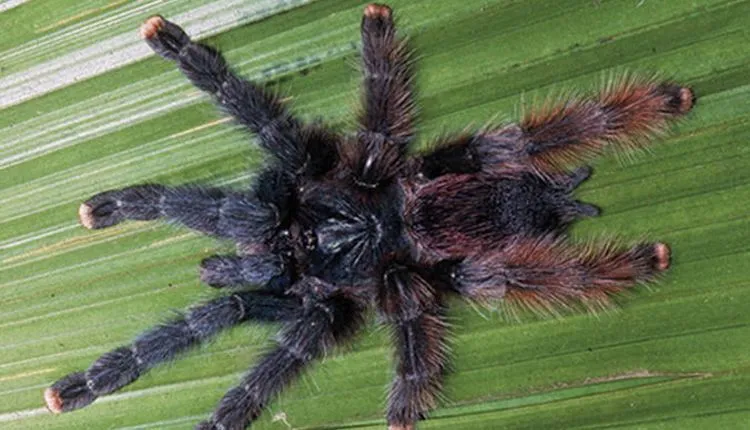
Understanding the Old World Pink Toe Tarantula (Avicularia avicularia)
The Old World Pink Toe Tarantula, scientifically known as Avicularia avicularia, is a captivating species, popular in the pet trade for its striking appearance and relatively docile nature. Native to the tropical rainforests of South America, these arboreal tarantulas are renowned for their vibrant pink toe pads, which provide excellent grip as they navigate their high-altitude environments. Understanding their natural habitat is crucial for providing optimal care, as replicating the humid, warm conditions of the rainforest is key to their well-being. These spiders are known for their delicate builds, the proper care and handling is a must. They are often a favorite among both novice and experienced tarantula keepers because of their vivid colors and overall gentle temperament.
Habitat Setup for Your Pink Toe Tarantula
Creating a suitable habitat is paramount to the health and happiness of your Pink Toe Tarantula. The enclosure should mimic their natural arboreal environment, providing plenty of vertical space for climbing and perching. A secure lid is essential to prevent escapes, as these spiders are adept climbers. The enclosure should be well-ventilated to prevent the buildup of stagnant air and mold growth, while also maintaining the necessary humidity levels. The selection of materials, substrate, and decorations plays a vital role in ensuring the tarantula thrives in its artificial home.
Enclosure Size and Type

The size of the enclosure should be appropriate for the tarantula’s size, with juveniles needing smaller spaces and adults requiring larger ones. A general guideline is to provide an enclosure that is at least twice the tarantula’s leg span in width and height. For adult Pink Toes, a terrarium measuring approximately 12x12x18 inches or larger is often recommended. The type of enclosure can vary, with glass or acrylic terrariums being popular choices due to their visibility and ease of cleaning. Ensure the enclosure has adequate ventilation, typically achieved through mesh tops or strategically placed ventilation holes.
Substrate and Decorations
The substrate is the foundation of the enclosure, providing a surface for the tarantula to walk on, burrow in, and maintain humidity. A substrate that holds moisture well is essential, such as a mixture of peat moss, coconut fiber (eco earth), and a small amount of vermiculite. The substrate should be deep enough to allow the tarantula to burrow if it chooses. Decorations should mimic the tarantula’s natural habitat. Include sturdy branches, cork bark, or artificial plants to provide climbing opportunities and hiding places. These additions not only enhance the enclosure’s aesthetics but also provide essential enrichment for the tarantula, contributing to its psychological well-being.
Temperature and Humidity Control
Maintaining the correct temperature and humidity levels is crucial for the Pink Toe Tarantula’s health. The ideal temperature range is between 75-85°F (24-29°C). This can be achieved using a heat mat or a low-wattage heat lamp, but it’s essential to monitor the temperature with a thermometer to prevent overheating. Humidity should be maintained between 70-80%, which can be achieved by misting the enclosure with dechlorinated water every few days and providing a water dish. A hygrometer is recommended to monitor humidity levels accurately. Proper ventilation is crucial to prevent mold growth, while still maintaining the necessary humidity.
Feeding Your Pink Toe Tarantula

Feeding your Pink Toe Tarantula is a straightforward process, but it’s important to understand their dietary needs. These tarantulas are opportunistic feeders, meaning they will eat whatever prey they can catch. The type and frequency of feeding depend on the spider’s age, size, and molting cycle. Providing a varied diet and ensuring the food is properly sized and nutritious will help the tarantula thrive. Always remove uneaten prey within 24 hours to prevent stress or potential injury to the tarantula.
Choosing the Right Food
The diet of a Pink Toe Tarantula should consist primarily of live insects. Crickets, roaches (such as dubia roaches), and mealworms are common choices. The size of the prey should be appropriate for the tarantula’s size; a good rule of thumb is to offer prey that is no larger than the tarantula’s body length. Variety is key, so rotating between different types of insects can ensure a more balanced diet. It is important to “gut-load” the insects before feeding them to your tarantula, meaning feeding them a nutritious diet for 24 hours prior. This passes essential nutrients to the tarantula.
Feeding Frequency and Amounts
The feeding frequency depends on the age of the tarantula. Spiderlings and juveniles should be fed more frequently, often every other day, while adults can be fed once or twice a week. The amount of food should be adjusted based on the tarantula’s appetite and body condition. If the tarantula consistently refuses food, it may be in pre-molt, and you should reduce the feeding frequency. Overfeeding can lead to obesity, which can impact the tarantula’s health and mobility. Observe your tarantula’s behavior to determine the ideal feeding schedule.
Watering and Hydration

Providing a clean water source is essential for hydration. A shallow water dish should always be available, and the water should be changed regularly to prevent contamination. The dish should be small enough to prevent the tarantula from drowning. Mist the enclosure with dechlorinated water a few times a week to maintain humidity, but avoid over-misting, which can lead to the buildup of mold. The water dish and regular misting both contribute to the tarantula’s overall hydration and health.
Handling and Safety
While Pink Toe Tarantulas are known for their relatively docile nature, it is essential to handle them with caution and respect. They can still bite, and their venom, while not considered lethal to humans, can cause discomfort. Proper handling techniques and an understanding of their behavior can minimize the risk of injury to both the keeper and the tarantula. Creating a safe environment is important, and it starts with knowing how to handle and interact with the spider safely.
Safe Handling Techniques
If you choose to handle your Pink Toe Tarantula, do so with care and only when necessary, such as for enclosure maintenance. Approach the tarantula calmly and slowly. Never make sudden movements that could startle it. Allow the tarantula to walk onto your hand gently rather than trying to grab or force it. Always handle the tarantula over a soft surface, such as a bed or a low table, in case it falls. Remember that tarantulas can be skittish, and even a gentle touch can sometimes startle them.
Recognizing and Handling Molting

Molting is a natural process where tarantulas shed their exoskeleton to grow. During this time, the tarantula is extremely vulnerable. Signs of pre-molt include loss of appetite, darkening of the abdomen, and a change in behavior. Do not disturb the tarantula during molt. Providing a humid environment during molting is crucial to prevent the exoskeleton from drying out. After the molt, the tarantula’s fangs will be soft for a few days. Avoid feeding the tarantula until its fangs have hardened, and the exoskeleton has fully developed. Recognizing the stages of molting can help ensure the safety and well-being of your tarantula.
Common Health Issues and Prevention
Maintaining a healthy environment is the best way to prevent health issues in Pink Toe Tarantulas. Common problems often result from improper care, such as incorrect humidity, temperature, or poor hygiene. Regular observation of your tarantula’s behavior and appearance can help you catch potential problems early. Early detection allows for effective treatment and ensures the tarantula’s continued well-being. A proactive approach to health care goes a long way in ensuring the spider’s happiness.
Parasites and Diseases
While Pink Toe Tarantulas are generally hardy, they can be susceptible to parasites and diseases if their environment is not properly maintained. Mites are a common issue; they can often be detected as small, moving specks on the tarantula or in the enclosure. Preventative measures include maintaining a clean enclosure and quarantining new additions before introducing them to the existing habitat. Fungal infections can occur if the humidity is too high, or if the substrate is not properly maintained. If you suspect a problem, consult with a veterinarian experienced in exotic animals.
Preventive Care and Regular Maintenance

Preventative care is essential. Regular cleaning of the enclosure, including removing uneaten food and fecal matter, helps prevent the buildup of bacteria and mold. Monitor the humidity and temperature levels daily, and make necessary adjustments to maintain optimal conditions. Inspect the tarantula for any signs of illness or parasites. Provide a varied diet and ensure the water dish is always clean and full. A well-maintained enclosure and a keen eye for any potential issues can keep your Pink Toe Tarantula healthy and thriving.
Breeding and Reproduction (Optional)
Breeding Pink Toe Tarantulas can be a rewarding but challenging endeavor. It requires a good understanding of their mating behavior and proper conditions. This section is optional, and only for those who are interested in breeding. It requires time, patience, and a dedicated setup. Success depends on various factors, including the health and maturity of the tarantulas, proper environmental conditions, and careful observation of the mating process.
Identifying Sex and Mating Behavior
Before breeding, you need to identify the sex of your tarantulas. This can be done by examining the underside of the tarantula for the presence of spermathecae (in females) or by observing the presence of a hook on the first pair of legs (in males). The mating process involves carefully introducing the male to the female’s enclosure. The male will often drum on the substrate to attract the female’s attention. If the female is receptive, the pair will mate. It is crucial to remove the male after mating to prevent the female from eating him. It is a delicate and sometimes dangerous process.
Caring for Spiderlings

If the female is successful in producing an egg sac, you will need to care for the spiderlings. The egg sac should be carefully monitored, and the spiderlings should be separated and housed individually after their first molt. Providing appropriate-sized prey and maintaining proper humidity and temperature are essential for the spiderlings’ survival and growth. This is a time-consuming process, so ensure you are fully prepared before attempting to breed Pink Toe Tarantulas.
In conclusion, caring for an Old World Pink Toe Tarantula is a fascinating and rewarding experience. By providing a suitable habitat, proper nutrition, and handling them with care, you can enjoy watching these beautiful creatures thrive. Always prioritize the well-being of your tarantula and seek guidance from experienced keepers or a veterinarian if you have any questions or concerns. With the right knowledge and dedication, you can create a thriving home for your Pink Toe Tarantula.