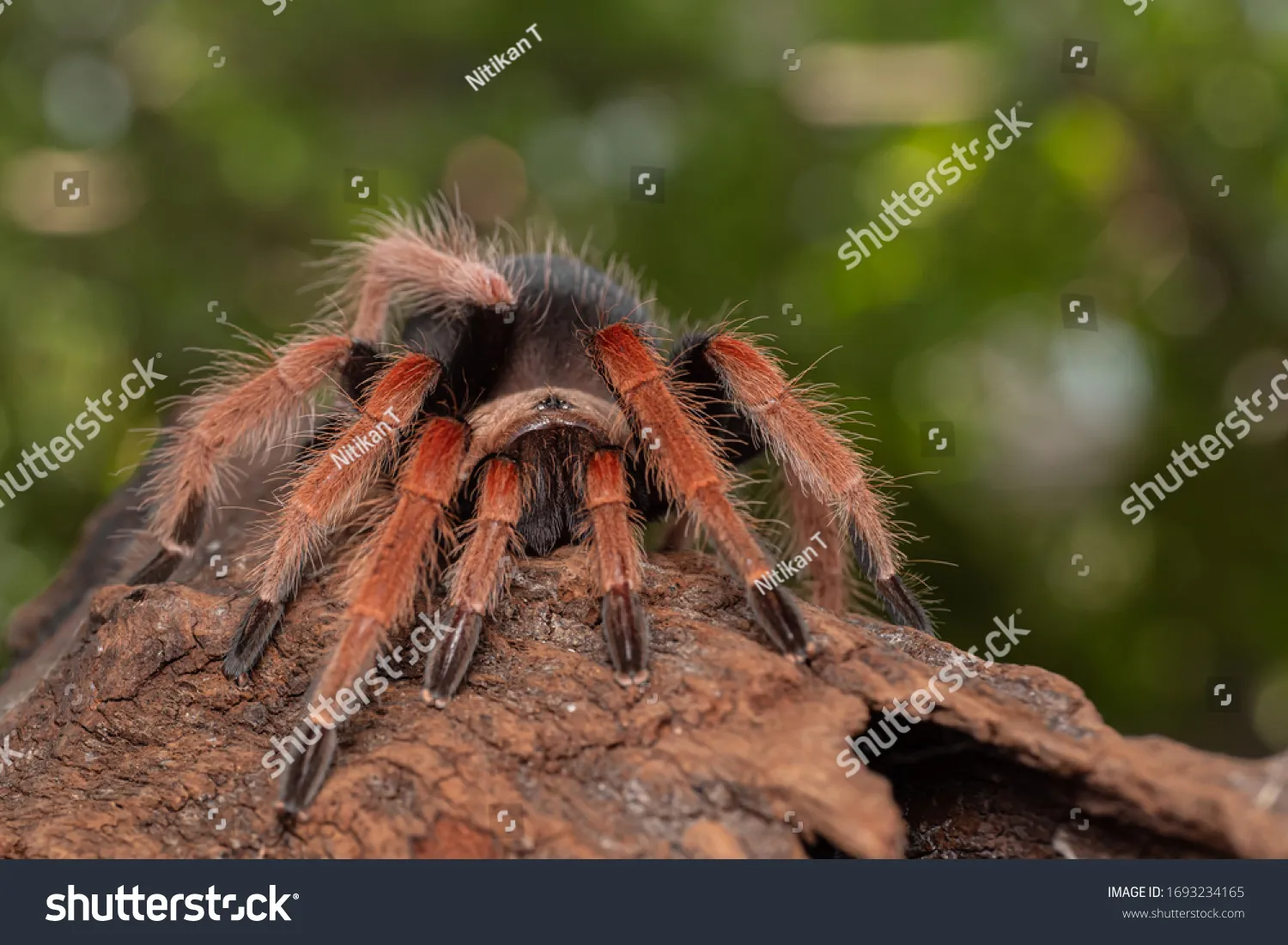
What is an Orange Tarantula Spider
The Orange Tarantula Spider, a captivating creature of the arachnid world, is a sight to behold. Known for its striking coloration, this spider belongs to the Theraphosidae family, a diverse group that includes some of the largest spiders on Earth. These spiders are popular among tarantula enthusiasts due to their relatively docile nature and vibrant appearance. They are not typically aggressive, making them suitable pets for those who appreciate observing fascinating invertebrates. Their life cycle, habits, and the proper care they require are essential to understanding this amazing species. Learning the essentials of the Orange Tarantula Spider is the first step to a rewarding experience.
Origin and Habitat of Orange Tarantula Spiders
Orange Tarantula Spiders, also known as Mexican Orange Tarantulas, primarily originate from the arid and semi-arid regions of Mexico. They are commonly found in burrows they create in the ground or under rocks and logs, where they can escape extreme temperatures. The specific habitat often consists of scrubland, desert, and areas with sparse vegetation. The climate in these regions is characterized by warm temperatures, low humidity, and distinct wet and dry seasons. Understanding their natural environment is crucial for providing the right conditions in captivity. Replicating their natural habitat, including temperature, humidity, and substrate, is key to their well-being and longevity.
Orange Tarantula Spider Characteristics

Size and Appearance
The Orange Tarantula Spider is a medium-sized tarantula. They can reach a leg span of up to 5-6 inches, with females generally being larger than males. Their bodies are covered in a dense coat of hair, contributing to their fuzzy appearance. The overall structure is typical of tarantulas, with a cephalothorax (fused head and chest) and an abdomen. The prominent chelicerae, or mouthparts, are used for feeding, and their eight eyes provide limited but useful vision. Their legs are sturdy and powerful, perfectly designed for both burrowing and hunting. The combination of size, texture, and form makes them a visually striking species.
Color Variations
As their name suggests, Orange Tarantula Spiders are known for their vivid orange coloration. This vibrant hue is most prominent on the carapace (the upper part of the cephalothorax), the legs, and sometimes the abdomen. The intensity of the orange can vary depending on the individual spider, its age, and its overall health. Some may have a deeper, richer orange, while others exhibit a more muted tone. Additionally, there may be variations in the distribution of the orange, with some spiders displaying orange primarily on their legs and others having a more extensive color pattern. These unique color variations contribute to the allure of this captivating species.
Behavioral Traits

Temperament
Orange Tarantula Spiders are generally considered to be relatively docile, making them a good choice for beginner tarantula keepers. They are not typically aggressive, and they prefer to retreat into their burrows or enclosures when threatened. This calm temperament contributes to their popularity as pets. Of course, individual personalities can vary, and some spiders may be more defensive than others. However, with proper handling and care, these spiders often become accustomed to human interaction. It’s always important to observe their behavior and respect their boundaries to ensure a positive experience for both the spider and the keeper.
Defensive Mechanisms
While Orange Tarantula Spiders are not known for their aggression, they do possess defensive mechanisms to protect themselves from potential threats. Their primary defense is their urticating hairs, which they can flick off their abdomen using their hind legs. These hairs are barbed and can cause skin irritation and itching if they come into contact with the skin. In addition to this, they may also exhibit a threat posture, raising their front legs and showing their fangs. While bites are rare, they can be painful, and it’s important to handle these spiders with care and respect their defensive behaviors to avoid any unnecessary stress or injury.
Top 7 Fascinating Facts About Orange Tarantula Spiders

Fact 1 The Unique Orange Hue
The vibrant orange coloration of the Orange Tarantula Spider is a striking characteristic that sets it apart from many other tarantula species. This hue serves multiple purposes, including camouflage in their natural habitat and a warning signal to potential predators. The intensity of the orange can vary depending on the spider’s age, health, and individual genetic traits. This color is a key identifier, making them easily recognizable and highly sought after in the pet trade. The unique coloration adds to their aesthetic appeal, making them a popular choice among tarantula enthusiasts.
Fact 2 Longevity
Orange Tarantula Spiders have a remarkable lifespan, particularly the females. In captivity, females can live for up to 20 years or even longer, making them a long-term commitment for any pet owner. Males, on the other hand, typically have a shorter lifespan, often only living for a few years after reaching maturity. This long lifespan is a significant factor in their popularity as pets. Owners can enjoy their spiders for many years with proper care. This longevity requires a commitment to their needs, making the Orange Tarantula Spider a rewarding companion for patient and dedicated owners.
Fact 3 Venom

Orange Tarantula Spiders, like all tarantulas, are venomous. However, their venom is generally not considered dangerous to humans. A bite from an Orange Tarantula Spider can cause localized pain, redness, and swelling, but it is not life-threatening. The venom is primarily used to subdue prey, such as insects and small invertebrates. While bites are uncommon, it is important to handle these spiders with caution and avoid provoking them. If bitten, the affected area should be cleaned and monitored for any signs of infection. The venom, while not highly toxic to humans, is still a potent substance used for hunting and defense.
Fact 4 Diet and Feeding Habits
Orange Tarantula Spiders are carnivorous and primarily feed on insects. In the wild, they eat crickets, beetles, and other invertebrates they can capture. In captivity, they can be fed a diet of commercially available insects such as crickets, mealworms, and roaches. The size of the prey should be appropriate for the size of the spider, with juveniles requiring smaller insects. Feeding frequency varies depending on the spider’s age and size, with younger spiders needing to eat more often. It is important to provide fresh water and ensure the insects are gut-loaded with nutritious food before feeding them to the spider to maintain their health. Regular feeding and a varied diet contribute to the tarantula’s health and longevity.
Fact 5 Molting Process
Orange Tarantula Spiders, like all arachnids, undergo a molting process as they grow. Molting is the shedding of their exoskeleton, which is necessary for them to increase in size. The frequency of molting depends on the spider’s age, with younger spiders molting more often. During molting, the spider becomes vulnerable, as their new exoskeleton is soft and pliable. They will typically hide during this time and may refuse to eat. After molting, the spider will be larger and have a fresh, new exoskeleton. It’s crucial to provide a humid environment during this period to aid in the molting process. This is a natural part of their life cycle, and it’s important to avoid disturbing them during this vulnerable time.
Fact 6 Breeding and Reproduction

Breeding Orange Tarantula Spiders in captivity can be a rewarding experience, but it requires careful planning and expertise. The process typically involves introducing a mature male to a receptive female. If the female accepts the male, mating will occur, and she will eventually lay an egg sac. The egg sac contains a large number of eggs, which will hatch into spiderlings. The spiderlings will go through several molts before reaching maturity. Breeding these spiders requires a specific environment and careful attention to the needs of both the male and female, as well as the spiderlings. It is a fascinating aspect of their life cycle, but it requires significant research and experience to be successful.
Fact 7 Conservation Status
The Orange Tarantula Spider is not currently listed as an endangered species. However, habitat loss and the pet trade can pose threats to their populations in the wild. Conservation efforts include protecting their natural habitats and promoting responsible pet ownership. Purchasing captive-bred spiders is one way to support conservation efforts and avoid contributing to the depletion of wild populations. By understanding their needs and the threats they face, we can work to ensure their survival for generations to come. The conservation of these spiders relies on awareness, responsible practices, and the preservation of their native habitats.
Caring for an Orange Tarantula Spider
Choosing the Right Enclosure

Selecting the correct enclosure is crucial for the health and well-being of an Orange Tarantula Spider. The enclosure should be appropriately sized, allowing the spider to move around comfortably, with sufficient space for burrowing and hiding. A glass or plastic terrarium is a good choice, providing visibility and ease of cleaning. The enclosure should have a secure lid to prevent escape, as these spiders are skilled climbers. Ventilation is essential to prevent the buildup of humidity and the growth of mold. Substrate, such as coconut fiber or a mix of peat moss and vermiculite, should be used to create a suitable environment for burrowing. The right enclosure provides the foundation for a healthy and happy tarantula.
Creating an Ideal Environment
Creating an ideal environment involves maintaining the correct temperature and humidity levels. Orange Tarantula Spiders thrive in temperatures between 75-85°F (24-29°C). A heat lamp or a heat mat can be used to maintain these temperatures. Humidity levels should be kept at around 60-70%, which can be achieved by misting the enclosure regularly. It’s important to provide a water dish with fresh water at all times. The substrate should be kept slightly moist but not waterlogged. Decorations such as hides and artificial plants can be added to provide enrichment and a sense of security. Regularly monitoring and adjusting the environment will help ensure the spider’s comfort and well-being.
Feeding and Hydration
Proper feeding and hydration are essential aspects of caring for an Orange Tarantula Spider. They should be fed a diet of appropriately sized insects, such as crickets, mealworms, and roaches. The feeding frequency depends on the spider’s age and size, with juveniles needing to eat more often. It’s important to offer a variety of insects to ensure they get a balanced diet. Fresh water should always be available in a shallow dish. The water should be replaced regularly to prevent the growth of bacteria. Removing any uneaten food promptly will help maintain a clean and healthy environment. Providing the right food and water is fundamental for their growth, health, and longevity.
Health and Common Issues
Like all pets, Orange Tarantula Spiders can be susceptible to certain health issues. Some common problems include dehydration, mites, and fungal infections. Dehydration can occur if humidity levels are too low or if the spider does not have access to water. Mites can infest the spider’s exoskeleton and cause irritation. Fungal infections can develop if the enclosure is too humid or not kept clean. Regular observation of the spider is essential to identify any potential health issues early. If you suspect a health problem, it is important to consult with a veterinarian experienced with arachnids. Prevention is key; maintaining the correct environmental conditions, providing proper food and water, and keeping the enclosure clean are the best ways to ensure the health and well-being of an Orange Tarantula Spider.