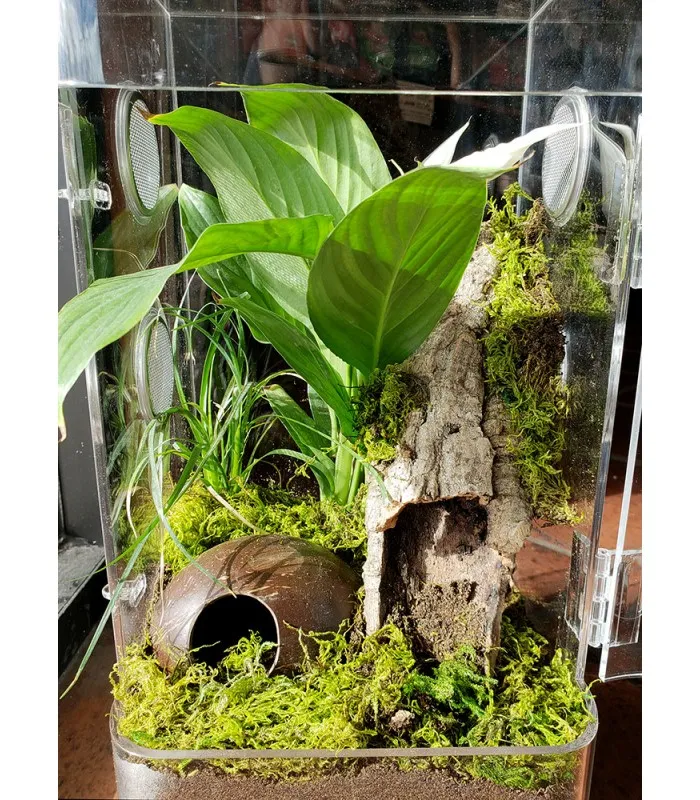
Creating the perfect outdoor rabbit enclosure for your tarantula is crucial for its health, happiness, and safety. Many factors come into play, from the size and material of the enclosure to the specific environmental conditions your spider requires. This guide offers seven essential tips to help you design and maintain an optimal outdoor habitat, ensuring your tarantula thrives. Follow these guidelines to build an enclosure that not only protects your pet but also provides an enriching environment that mimics their natural habitat.
Choosing the Right Outdoor Rabbit Enclosure
Selecting the appropriate enclosure is the first and most critical step. The ideal outdoor rabbit setup balances functionality, safety, and aesthetic appeal. The enclosure must be secure enough to prevent escapes, weather-resistant, and provide proper ventilation to maintain the correct humidity and temperature levels. The best enclosures offer clear visibility, allowing you to observe your tarantula without disturbing its habitat, facilitating easy access for feeding and maintenance, and offering a comfortable living space.
Size Matters for Tarantula Enclosures
The size of your enclosure should correspond to the size and species of your tarantula. A juvenile tarantula will need a smaller enclosure than an adult. Overly large enclosures can make it difficult for your tarantula to find food and may increase stress. Generally, the enclosure should be at least twice as wide as your tarantula’s leg span, with sufficient height for burrowing species. This ensures your tarantula has adequate space to move around, hunt, and create a comfortable living area. Ensure the enclosure offers enough space for appropriate substrate depth and the inclusion of hides and decorations.
Consider Your Tarantula’s Species

Different tarantula species have varying needs, influencing enclosure design. Terrestrial species, which live on the ground, require more floor space and deeper substrate for burrowing. Arboreal species, which live in trees, need more height and vertical structures for climbing. Researching your tarantula’s specific species is vital to understanding its natural habitat preferences. This knowledge helps you create an enclosure that closely matches the tarantula’s requirements for temperature, humidity, and substrate type. Understanding your tarantula’s unique characteristics is the key to building an appropriate enclosure.
Material Selection for Outdoor Rabbit Enclosures
The material of your enclosure impacts durability, temperature regulation, and visibility. Wood, acrylic, and glass are common choices, each with pros and cons. The selected material should be non-toxic and easy to clean, with excellent ventilation. Remember that the outdoor enclosure will be exposed to the elements. It is important to select the appropriate material for your rabbit enclosure that is resistant to the weather, with minimal maintenance. Acrylic and glass enclosures provide excellent viewing and are easy to clean, but wood may offer better insulation if properly sealed.
Wood vs. Acrylic vs. Glass
Wood enclosures can be cost-effective and offer excellent insulation, making them suitable for maintaining stable temperatures. However, they require sealing to prevent water damage and mold growth, which can be problematic for your tarantula’s health. Acrylic enclosures are lightweight, durable, and provide excellent visibility. They are also relatively easy to clean, but can scratch easily. Glass enclosures offer superior visibility and are easy to clean, but they are fragile and poor insulators. Consider the pros and cons of each material when choosing the right enclosure for your tarantula.
Ventilation is Crucial

Proper ventilation is paramount for the health of your tarantula. Adequate airflow helps regulate humidity, prevents mold growth, and ensures fresh air circulation. Poor ventilation can lead to respiratory issues and other health problems for your tarantula. A well-ventilated enclosure creates a healthier environment by preventing the buildup of harmful gases and maintaining the ideal humidity levels required for tarantula survival. Without adequate ventilation, the enclosure can become a breeding ground for bacteria and other pathogens that can affect your tarantula.
Why Ventilation is Important
Ventilation is crucial for several reasons. It helps to remove excess moisture from the enclosure, preventing mold and fungal growth. It also allows for the exchange of air, providing your tarantula with fresh oxygen and removing harmful gases. Adequate ventilation also aids in temperature regulation, especially critical in outdoor environments. Poor ventilation can lead to stagnant air, increasing the risk of respiratory infections and other health complications for your tarantula. The correct balance of ventilation and humidity will provide an ideal habitat.
How to Optimize Ventilation
Effective ventilation can be achieved through various means. Strategically placed ventilation holes or mesh screens in the enclosure’s walls and lid are essential. The placement should allow for good airflow while preventing escape. The ventilation should not create drafts, as this can stress your tarantula. Ensure the mesh or holes are small enough to prevent feeder insects from escaping, yet large enough to allow for good air circulation. Proper placement of ventilation is crucial to maintaining the ideal environmental conditions for your tarantula.
Creating a Secure Environment

A secure enclosure is paramount to prevent your tarantula from escaping and protect it from predators or environmental hazards. Escaped tarantulas can pose a risk to both the spider and your surroundings, so a well-designed and secure setup is essential. Proper security involves preventing escapes from the enclosure, implementing measures to prevent access from other animals, and using weather-resistant materials that will not degrade and allow the tarantula to escape.
Preventing Escapes
Tarantulas are surprisingly adept at escaping, so the enclosure must be escape-proof. This requires a secure lid that fits tightly, with no gaps or spaces that the tarantula can squeeze through. Inspect the enclosure regularly for any signs of damage or weakness. Choose the appropriate material for the enclosure as well as ventilation, which cannot provide an escape route. A well-maintained enclosure prevents escape, protecting both your tarantula and those around it.
Securing the Lid
The lid is often the weakest point of an enclosure, so securing it properly is crucial. Ensure the lid fits snugly and has a reliable locking mechanism. Consider using clips, latches, or other fasteners to secure the lid, especially if the enclosure is exposed to wind or other disturbances. Regularly check the lid’s security, and replace any worn or damaged fasteners promptly. An unsecured lid is a significant risk to your tarantula’s safety, so extra attention must be given to this detail.
Adding Security Measures
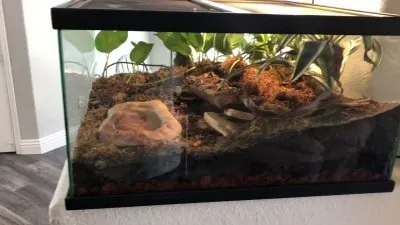
Besides a secure lid, you can add other security measures. Place the enclosure in a location that is not easily accessible to pets or children. Consider placing the enclosure in a location that offers protection from extreme weather conditions. Ensure the enclosure is stable and cannot be easily tipped over. By combining a secure lid with other security measures, you provide the safest environment for your tarantula. Evaluate your setup and implement safeguards against potential risks.
Weatherproofing Your Enclosure
Weatherproofing your enclosure is essential for outdoor use. This helps to protect your tarantula from the elements and maintain a stable environment. Consider the effects of rain, sun, and temperature fluctuations on the enclosure’s materials and the well-being of your tarantula. Weatherproofing measures involve selecting materials that are resistant to weather damage, sealing the enclosure properly, and providing protection from the sun, rain, and wind. A well-weatherproofed enclosure ensures a safe, stable habitat for your tarantula, regardless of the outdoor conditions.
Protecting Against Rain and Sun
Protecting your enclosure from rain and direct sunlight is vital. Position the enclosure in a location that offers shade during the hottest parts of the day to prevent overheating. Consider using a waterproof sealant on the enclosure to prevent water damage. Ensure that any ventilation openings are designed to prevent rainwater from entering. Protect your tarantula by providing a setup where the sun and rain cannot be a threat. Taking these precautions can safeguard your tarantula and extend the life of the enclosure.
Insulating for Temperature Control

Insulation is key to maintaining a stable temperature within the enclosure, especially in outdoor environments with temperature fluctuations. You can insulate the enclosure using various materials. The best methods include using a double-walled enclosure or adding insulation to the enclosure’s walls. This will help to keep the enclosure warm in cold weather and cool in hot weather, minimizing temperature swings. Using insulation is critical for the well-being of your tarantula.
Providing Optimal Substrate and Habitat
The substrate and habitat you provide should mimic the tarantula’s natural environment, giving it a comfortable and enriching space. The right substrate supports burrowing, helps maintain humidity, and provides a safe environment for your tarantula. The habitat should include appropriate hides, climbing structures (for arboreal species), and decorations that simulate the spider’s natural surroundings. A well-designed habitat encourages natural behaviors and reduces stress, contributing to the spider’s overall well-being.
Choosing the Right Substrate
The substrate is the foundation of the tarantula’s habitat, providing a base for burrowing, maintaining humidity, and offering a sense of security. The best substrate choice depends on your tarantula’s species and its environmental needs. Consider the moisture retention capabilities, whether the substrate supports burrowing, and the ease of maintenance. Using the correct substrate is vital for the health and happiness of your tarantula. The substrate should be non-toxic and free of harmful chemicals.
Substrate Options

There are various substrate options to consider. Coconut fiber (coco coir) is an excellent choice, as it holds moisture well, is readily available, and resists mold growth. Sphagnum moss is suitable for increasing humidity, especially in humid environments. Peat moss and vermiculite can also be used, but they may need to be mixed with other substrates to achieve the right balance of moisture and drainage. The best substrate depends on the specific needs of your tarantula. Research and choose the option that best suits its species and habitat preferences.
Maintaining Humidity Levels
Maintaining the proper humidity levels is crucial for the health and well-being of your tarantula. Too little humidity can lead to molting problems and dehydration, while excessive humidity can promote fungal growth. The ideal humidity level varies by species, so research your tarantula’s specific needs. Monitoring the humidity with a hygrometer allows you to make necessary adjustments to the enclosure environment. Proper humidity is vital for the health and longevity of your tarantula.
Monitoring Humidity
Use a hygrometer to monitor the humidity levels inside the enclosure accurately. Position the hygrometer where it can provide an accurate reading of the enclosure’s environment. Check the humidity levels regularly, and adjust as needed to maintain the correct range for your tarantula’s species. You can increase humidity by misting the substrate with water, providing a water dish, and ensuring proper ventilation. Maintaining consistent humidity levels will prevent health issues and ensure your tarantula’s well-being. Regular monitoring and adjustment are key to a healthy environment.
Decorating the Tarantula Enclosure
Decorating your tarantula’s enclosure enhances its environment and provides enrichment, encouraging natural behaviors and reducing stress. Incorporating hides, climbing structures, and other decorations mimics the spider’s natural habitat and makes the enclosure more stimulating. The decorations should be safe, non-toxic, and designed to accommodate your tarantula’s needs. Choosing the appropriate decorations will benefit the well-being of your tarantula.
Adding Hides and Climbing Structures
Hides provide security, allowing your tarantula to retreat and feel safe. You can use various hides, such as cork bark, half logs, or commercially available tarantula hides. Climbing structures are essential for arboreal species, enabling them to climb and explore their environment. You can use branches, driftwood, or even artificial plants to create these structures. Select decorations that are appropriate for the species and size of your tarantula, ensuring it can move around without difficulty. Proper hide and climbing structures are crucial for minimizing stress and promoting natural behaviors.
Live Plants or Artificial Decorations
You can incorporate live plants and artificial decorations to enhance the enclosure’s aesthetics and functionality. Live plants can help to regulate humidity and provide additional hiding places, but require proper care and maintenance. Artificial decorations offer a low-maintenance alternative and are generally safe for your tarantula. Ensure the plants are non-toxic and that they do not pose a hazard to your tarantula. The best option depends on your preferences and the specific needs of your tarantula. Both live plants and artificial decorations can create a more enriching and visually appealing environment.
Feeding and Watering Considerations
Proper feeding and watering are essential for your tarantula’s health. Provide a balanced diet of appropriate prey items, such as crickets, mealworms, or roaches, and ensure access to fresh water at all times. The feeding frequency and prey size should be based on the tarantula’s age, species, and growth stage. By managing your tarantula’s food and water appropriately, you ensure the overall well-being of the tarantula.
Placement of Food and Water Dishes
Place the food and water dishes in accessible locations for your tarantula. Choose dishes that are stable and easy to clean. The water dish should be shallow to prevent drowning, and the food dish should be sized appropriately for the prey items. Avoid placing the water dish directly under the heat source to prevent rapid evaporation. The right placement and type of dishes can encourage proper feeding and ensure your tarantula’s access to water. Regular monitoring and cleaning are also essential to prevent the buildup of bacteria.
Frequency of Feeding and Watering
The feeding frequency will vary depending on the tarantula’s age and species. Younger tarantulas should be fed more frequently than adults. Ensure the water dish is always filled with fresh, clean water. Replace the water regularly to prevent bacteria growth and other contaminants. Remove any uneaten food items promptly to prevent mold growth. Monitoring and adjusting the feeding and watering schedule based on your tarantula’s needs is essential for maintaining its health. A proper feeding and watering schedule supports the well-being of the tarantula.
Maintaining and Cleaning the Enclosure
Regular maintenance and cleaning of your tarantula enclosure are essential for maintaining a healthy environment and preventing disease. This involves a routine cleaning schedule, spot cleaning, and full enclosure cleans. The frequency of cleaning will depend on the enclosure size, the type of substrate used, and the eating habits of your tarantula. Regular maintenance and cleaning of the enclosure ensure that your tarantula lives in a safe, clean, and healthy environment. Cleaning is essential to the health of your tarantula.
Regular Cleaning Schedule
Establish a regular cleaning schedule to keep the enclosure clean and hygienic. This should include daily, weekly, and monthly tasks. Daily tasks should include removing uneaten food and checking the water dish. Weekly tasks should involve spot cleaning the substrate and wiping down the enclosure walls. Monthly tasks may involve a full substrate change and a thorough cleaning of the enclosure. The schedule may vary, but it is essential to keep your tarantula’s living space clean. A proper cleaning schedule prevents mold growth and ensures the health of the tarantula.
Spot Cleaning vs. Full Clean
Spot cleaning is essential for removing waste and uneaten food regularly. Use a pair of tweezers or a small scoop to remove any debris from the enclosure. A full clean involves changing the substrate and thoroughly cleaning the enclosure. Remove all decorations and the tarantula (safely) before cleaning the enclosure with a mild, non-toxic cleaner. Always rinse the enclosure thoroughly and let it dry completely before reassembling the habitat. Regular spot cleaning and full cleans will minimize the risk of diseases and provide a healthier environment for your tarantula. Choose a non-toxic cleaning agent and clean the enclosure completely.
Benefits of Outdoor Rabbit Tarantula Enclosures
Outdoor enclosures for tarantulas provide numerous benefits. They allow for natural sunlight, ventilation, and temperature regulation, which promotes a healthier and more stimulating environment for your tarantula. Outdoor setups also offer the opportunity to create a more naturalistic habitat, enriching your tarantula’s life and encouraging natural behaviors. By providing a setup with the right conditions, you provide your tarantula with an environment that mimics its natural habitat, thereby improving its overall well-being and making it a more enjoyable pet. Using an outdoor setup can benefit your tarantula and yourself.
By following these seven tips, you can create a safe, enriching, and aesthetically pleasing outdoor enclosure for your tarantula. Remember to research your tarantula’s specific needs, maintain the enclosure properly, and always prioritize its health and well-being. With the proper setup, your tarantula can thrive in its outdoor habitat, providing you with years of enjoyment.