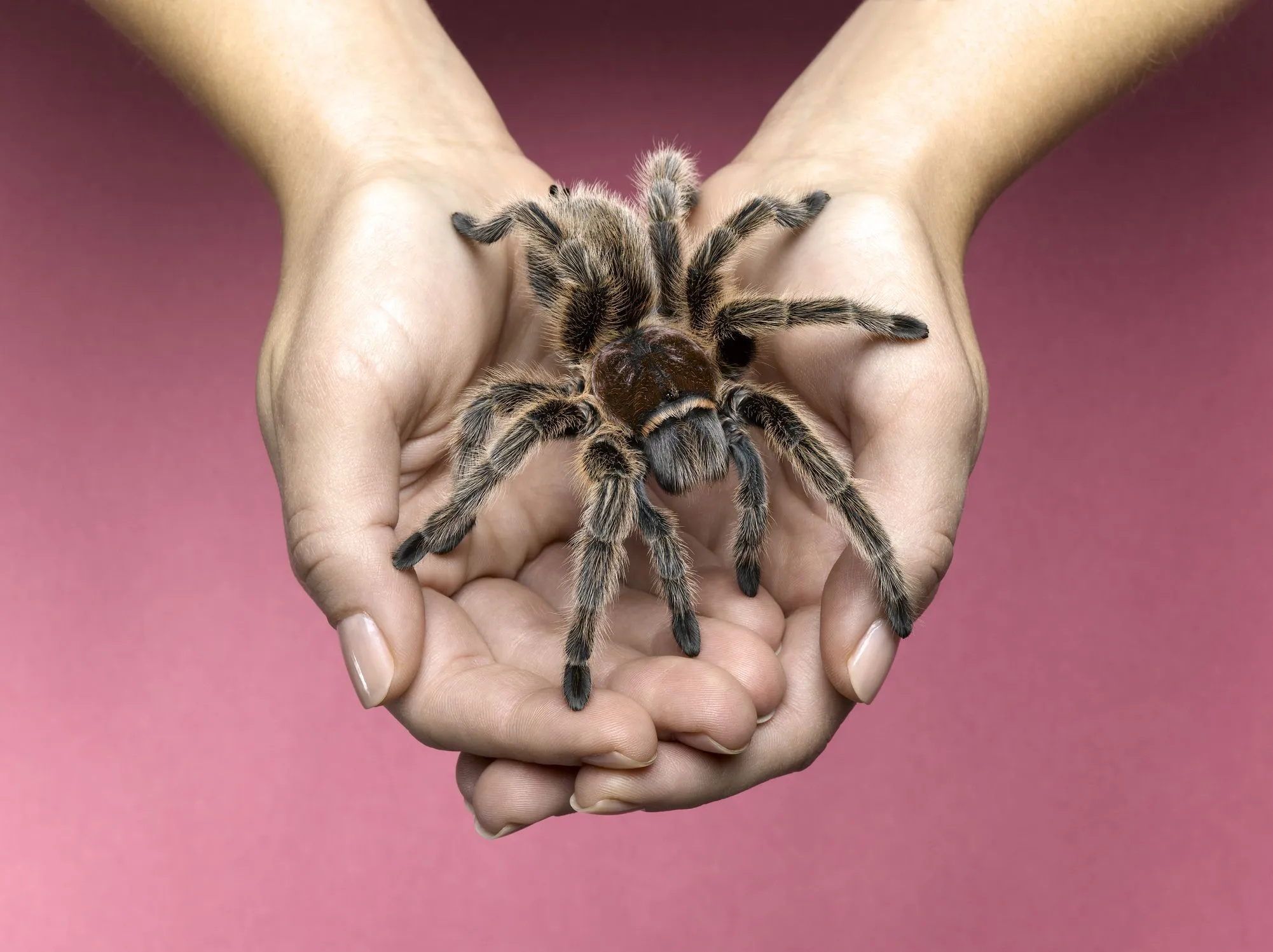
Choosing Your Pet Tarantula
Welcoming a pet tarantula into your home can be an incredibly rewarding experience, offering a fascinating glimpse into the world of arachnids. These captivating creatures are relatively low-maintenance compared to other pets, making them an appealing choice for many. However, before you bring one home, it’s crucial to understand the responsibilities and requirements involved in providing proper care. This guide will walk you through the essential steps, ensuring a happy and healthy life for your new eight-legged friend. Understanding the nuances of tarantula care is key to a successful pet ownership experience. The goal is to provide the best possible environment, diet, and handling practices that will facilitate a long, fulfilling life for your tarantula.
Considerations Before Getting a Pet Tarantula
Before acquiring a pet tarantula, careful consideration is necessary. Tarantulas have specific needs that must be met to ensure their well-being. Assess your lifestyle to determine if you can provide the consistent care these creatures require. Space is a critical factor; tarantulas need appropriately sized enclosures that offer ample room for movement and the establishment of a comfortable microclimate. Additionally, consider the financial commitment, as tarantula care involves the purchase of an enclosure, substrate, feeding supplies, and potential veterinary care. Do you have allergies to spiders, and are you prepared to handle the potential of a venomous bite, although tarantula venom is generally mild and not life-threatening to humans? Researching local regulations is also crucial to ensure that owning a tarantula is legal in your area. Understanding these aspects will help make an informed decision and create a positive experience for both you and your tarantula.
Tarantula Species to Consider
Choosing the right tarantula species is vital, especially for beginners. Some species are known for their docile temperament and ease of care, making them ideal choices. The Chilean Rose Hair tarantula (Grammostola rosea) is often recommended due to its gentle nature and hardiness. Similarly, the Mexican Red Knee tarantula (Brachypelma hamorii) is a popular choice known for its striking colors and relatively calm disposition. Researching the specific needs of each species, including their size, temperament, and environmental requirements, is essential. Consider factors like venom potency, the species’ activity level, and its specific dietary requirements. Understanding the species’ growth rate is also important, as this will influence the type and size of enclosure needed. Thorough research will ensure that you select a species that aligns with your experience level and lifestyle, leading to a more fulfilling pet ownership experience. (Image tarantula-species.webp)
Habitat Setup for Your Pet Tarantula
Creating the right habitat is critical for your pet tarantula’s health and happiness. The enclosure should mimic the tarantula’s natural environment, providing comfort and security. This includes choosing an appropriate size and type of enclosure, selecting the right substrate, and maintaining the correct temperature and humidity levels. A well-designed habitat provides enrichment and reduces stress, contributing to the tarantula’s overall well-being. The setup should be both functional and aesthetically pleasing, creating a safe and stimulating environment for your pet. A proper habitat minimizes the risk of escape, provides a space where your tarantula can thrive, and enhances the overall enjoyment of owning this unique pet.
Enclosure Size and Type
The size and type of enclosure depend on the tarantula’s size and species. For terrestrial species, a wider enclosure is preferable to allow for ample floor space, while arboreal species require more vertical space for climbing. The enclosure should be escape-proof, with a secure lid and proper ventilation. Glass or clear plastic enclosures are common choices, allowing for easy viewing of your pet. Ensure that the enclosure size increases as your tarantula grows. The general rule is to provide an enclosure that is at least three times the tarantula’s leg span in width and length. Adequate space is crucial for their mobility and overall comfort. Avoid enclosures that are too large, as this can make it difficult for the tarantula to find food and feel secure. Consider the species’ burrowing behavior; some tarantulas need deep substrate for digging.
Substrate Selection

Substrate is the material that lines the bottom of your tarantula’s enclosure, and it serves several important functions. It provides a comfortable surface for the tarantula to walk on, helps regulate humidity, and allows for burrowing in some species. Common substrate options include coconut fiber, peat moss, and vermiculite. Coconut fiber is an excellent choice due to its ability to retain moisture and resist mold. Peat moss is another option, but it can be more acidic. The substrate should be deep enough to allow for burrowing behavior in burrowing species. The depth of the substrate should be at least twice the tarantula’s leg span. Avoid substrates with sharp edges or chemicals that could harm your pet. Regularly monitor the substrate for mold and replace it as needed to maintain a healthy environment for your pet. (Image tarantula-substrate.webp)
Temperature and Humidity Control
Maintaining the correct temperature and humidity levels is essential for your tarantula’s health. Most tarantulas thrive in temperatures between 75°F and 85°F (24°C and 29°C). Use a thermometer to monitor the temperature and a heating source, like a heat mat or a ceramic heat emitter, to maintain the desired range. Avoid direct sunlight, as this can overheat the enclosure. Humidity levels vary depending on the species. For most species, a humidity level of 60% to 80% is ideal. Monitor the humidity using a hygrometer, and adjust as needed by misting the enclosure with water. Proper ventilation is also essential to prevent mold growth and maintain air quality. Avoid extremes in temperature and humidity, as these can stress your tarantula and lead to health problems.
Feeding Your Pet Tarantula
Providing proper nutrition is a key aspect of pet tarantula care, directly impacting their health, growth, and overall well-being. Understanding the dietary needs of your tarantula, including the types of food they require, the appropriate feeding frequency, and the importance of providing fresh water, is crucial. A balanced diet is essential for supporting your tarantula’s growth and promoting a long, healthy life. Proper feeding practices also help to maintain a clean and hygienic environment within the enclosure. Careful attention to feeding habits ensures that your pet tarantula receives the necessary nutrients, which will contribute to its overall health, vitality, and longevity. (Image tarantula-feeding.webp)
What to Feed Your Tarantula

Tarantulas are primarily insectivores, meaning their diet consists mainly of insects. Suitable food items include crickets, mealworms, dubia roaches, and other commercially available insects. The size of the food should be appropriate for the tarantula’s size; a good rule of thumb is to feed insects no larger than the tarantula’s body. Variety in the diet is essential for providing a range of nutrients. Avoid feeding wild-caught insects, as they may carry parasites or pesticides. Always remove uneaten prey items within 24 hours to prevent stress and mold growth. Consider supplementing the diet with calcium and vitamin D3, especially for growing tarantulas. Fresh, clean water should always be available. By providing a varied and appropriate diet, you can ensure that your tarantula receives the necessary nutrients to thrive.
Feeding Frequency and Portion Sizes
The feeding frequency and portion sizes depend on the tarantula’s age, species, and growth stage. Spiderlings and juveniles typically require more frequent feeding, often every other day. Adult tarantulas, on the other hand, may only need to be fed once or twice a week. Observe your tarantula’s behavior to gauge its appetite; a tarantula that is not hungry will often refuse food. Overfeeding can lead to obesity, which can shorten a tarantula’s lifespan. Provide a reasonable number of insects at each feeding, typically 1-3 insects per meal for adults. Ensure that the tarantula has consumed the prey before adding more. Monitor the tarantula’s abdomen; a well-fed tarantula will have a slightly rounded abdomen, while an underfed tarantula will have a more shrunken appearance. Adjust feeding frequency as needed based on the tarantula’s needs and behavior.
Watering and Hydration
Providing access to fresh, clean water is essential for your tarantula’s hydration. Most tarantulas will drink from a shallow water dish. The water dish should be small enough to prevent the tarantula from drowning but large enough to provide adequate hydration. Use a water dish that is easy to clean and maintain. Change the water regularly, ideally every day or two, to prevent bacteria growth. For smaller tarantulas or spiderlings, you can provide water by misting the enclosure. Regularly misting the enclosure can also help to maintain humidity levels. Ensure the substrate is slightly damp, but not soggy. Dehydration can be a serious health risk for tarantulas, so always make sure that fresh water is available. Monitor the tarantula’s behavior for signs of dehydration, such as lethargy or a shrunken abdomen, and adjust your watering practices accordingly. (Image tarantula-watering.webp)
Handling and Interaction with Your Tarantula

While tarantulas are not typically pets that enjoy being handled, knowing how to interact with your pet tarantula safely is essential. Minimizing unnecessary handling is advisable, as it can stress the tarantula. Understanding the best practices for handling, how to recognize signs of stress, and how to respect the tarantula’s natural behaviors will contribute to a positive experience for both you and your pet. Safe handling practices are paramount to avoid injury to both the tarantula and yourself. Knowing the limits of interaction, combined with awareness of your pet’s needs, will make for a healthier pet-owner relationship. (Image tarantula-handling.webp)
Safe Handling Techniques
Handling a tarantula should be done with extreme caution and only when necessary, such as during enclosure maintenance or health checks. Always approach your tarantula slowly and gently. Never try to grab or startle the tarantula. If handling is required, use a soft brush or cup to gently encourage the tarantula to move. Avoid handling tarantulas in risky situations, like just after molting, or when they are showing signs of stress. Be prepared for the possibility of a bite; although the venom of most tarantulas is not dangerous, it can be painful. Always wash your hands thoroughly after handling your tarantula or touching its enclosure. Handle your tarantula on a soft surface, like a bed, to minimize the risk of injury if it falls. Supervise children closely when interacting with tarantulas and educate them on responsible handling practices.
Understanding Tarantula Behavior
Understanding your tarantula’s behavior is essential for providing appropriate care and recognizing signs of stress or illness. Tarantulas can exhibit a variety of behaviors, including defensive postures, feeding responses, and molting behaviors. Observe your tarantula regularly to become familiar with its normal behavior. Be aware of signs of stress, such as excessive kicking of hairs, fleeing, or refusing food. Recognizing these behaviors allows you to respond to potential issues. Tarantulas have specific behaviors depending on whether they are terrestrial or arboreal. Terrestrial tarantulas often burrow, while arboreal species may climb. Understanding the natural behaviors of your tarantula will help create a suitable environment and identify potential health issues. Research the specific behavior of your tarantula species to better understand its needs.
Health and Common Issues

Keeping your pet tarantula healthy requires diligence in observing signs of illness and implementing preventative care. Like any pet, tarantulas can be susceptible to various health problems, which range from minor injuries to more serious conditions. Knowledge about common illnesses, injury recognition, and preventative care practices will contribute greatly to the well-being of your pet tarantula. Recognizing health issues promptly is critical to providing timely treatment and maintaining the overall quality of your tarantula’s life. Regular observation, a proper setup, and a sound maintenance strategy will help your tarantula live a long and healthy life. (Image tarantula-health.webp)
Recognizing Signs of Illness
Early detection of illness is key to providing effective treatment for your tarantula. Common signs of illness include loss of appetite, lethargy, and changes in behavior. Look for any unusual activity. Other signs include unusual tremors, a change in the appearance of the abdomen, or difficulty moving. A tarantula may also display a reluctance to eat. In addition, keep an eye out for injuries, such as damaged legs or missing hairs. If you suspect that your tarantula is ill, consult with a veterinarian experienced in exotic animals. Do not attempt to treat any conditions without professional guidance. Quarantine a sick tarantula from healthy ones to prevent the spread of disease. Seeking professional veterinary help early increases the chance of recovery.
Preventative Care and Maintenance
Preventative care is essential for maintaining your tarantula’s health. Maintain a clean and appropriate enclosure. Clean the enclosure regularly, removing any uneaten food, fecal matter, and old molts. Maintain proper temperature and humidity levels, and provide a balanced diet. Avoid overhandling your tarantula, and handle it with care when necessary. Ensure that the enclosure is escape-proof to prevent injury or loss. Regularly inspect your tarantula for any signs of illness or injury. Quarantine newly acquired tarantulas. Research the specific needs of your tarantula species to ensure proper care. A proactive approach to pet tarantula care, combined with regular observation and an understanding of their needs, will contribute to a healthy and fulfilling life for your pet.
Conclusion

Caring for a pet tarantula can be a truly unique and rewarding experience. While they are not cuddly companions, the opportunity to observe the natural behaviors of these fascinating creatures is amazing. By following the guidelines outlined in this guide, you can provide a safe, healthy, and enriching environment for your tarantula. Choosing the correct species, setting up a proper habitat, providing the right diet, and understanding their behavior all contribute to your tarantula’s well-being. By following these tips, you can enjoy the amazing world of pet tarantulas for years to come.