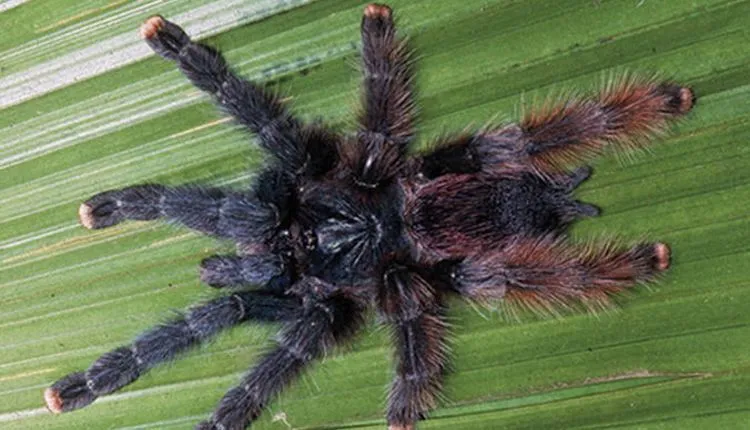
What is a Pink Toe Tarantula (PTT)
The Pink Toe Tarantula, scientifically known as Avicularia avicularia, is a popular choice for tarantula enthusiasts, celebrated for its striking appearance and relatively docile temperament. Native to the rainforests of South America and the Caribbean, these arboreal spiders are known for their distinctive pink or reddish hairs on their feet, which give them their common name. They are a captivating species, offering a unique opportunity to observe the fascinating behaviors of arachnids in a controlled environment. Their manageable size and ease of care, compared to some other tarantula species, make them a good choice for both beginners and experienced keepers. Understanding their needs and providing a suitable environment are crucial for the health and well-being of these beautiful creatures, ensuring they thrive in captivity and offering years of enjoyment.
Characteristics of the Pink Toe Tarantula
Appearance

Pink Toe Tarantulas are visually stunning spiders. They typically have a dark body, ranging from black to a deep charcoal gray, which provides a beautiful contrast to their namesake pink or reddish tips on their feet. These vibrant pink feet are not just for show; they are essential for gripping and climbing in their arboreal habitat. Their carapace, the shell covering their cephalothorax, often displays iridescent hues that shimmer under light. These tarantulas usually reach a leg span of up to 5-6 inches, with females generally growing larger than males. Their appearance, combined with their relatively docile nature, makes them a visually appealing and manageable pet for tarantula keepers.
Behavior and Temperament
Pink Toe Tarantulas are generally known for their calm and gentle nature. Unlike some more defensive tarantula species, they are less likely to bite, preferring instead to flee or flick urticating hairs as a defense mechanism. However, it is still important to handle them with care and respect. They are arboreal, meaning they spend most of their time in trees or elevated areas, constructing silken retreats and webs. They are nocturnal hunters, becoming most active during the night. Observing their behavior, such as their web-building, feeding habits, and interactions with their environment, can be a fascinating aspect of owning a Pink Toe Tarantula and understanding their needs will help to provide them with a stress free life.
Choosing Your Pink Toe Tarantula
Where to Buy

When acquiring a Pink Toe Tarantula, it’s important to choose a reputable source. Local pet stores specializing in exotic pets or reptile and arachnid breeders are generally good options. These sources often have experienced staff who can provide valuable advice on tarantula care and can often guarantee the health of the spider. Online breeders and specialized arachnid suppliers are also available, but it is important to check their reviews and reputation. Avoid purchasing from unreliable sources or pet stores that do not prioritize the health and well-being of their animals. Checking a tarantula’s overall health before purchase is crucial, because healthy tarantulas are more likely to thrive in captivity.
Selecting a Healthy Tarantula
Before bringing a Pink Toe Tarantula home, carefully assess its health. Look for a tarantula that is alert and responsive, not sluggish or lethargic. The spider should have a plump abdomen, indicating it is well-fed and hydrated, and the pedipalps (small appendages near the mouth) should be intact. Check for any signs of injury or missing legs. The tarantula’s fangs should be clean and sharp. Avoid any tarantulas that appear dehydrated or have sunken abdomens. Observe the spider’s movement; it should be able to move easily and climb or navigate its enclosure without difficulty. A healthy tarantula will also have a clean and well-maintained enclosure and is less likely to require veterinary care.
Setting Up the Perfect Habitat
Enclosure Size and Type

A proper enclosure is critical for the health and well-being of a Pink Toe Tarantula. Given their arboreal nature, the enclosure should be taller than it is wide. A good starting size for a juvenile tarantula is approximately 8x8x12 inches. As the tarantula grows, the enclosure should be upgraded accordingly, with adults needing a space roughly 12x12x18 inches or larger. The enclosure should be made of glass or clear plastic to allow for easy viewing and ventilation. Ensure the enclosure has secure ventilation, such as a screen top, to allow for air circulation while preventing the tarantula from escaping. Avoid using enclosures that are too large for juveniles, as this can make it difficult for them to find food and feel secure.
Substrate
The substrate, or bedding, in the enclosure plays a crucial role in maintaining humidity and providing a natural environment for your Pink Toe Tarantula. A substrate that retains moisture without becoming waterlogged is ideal. A mixture of coconut fiber, peat moss, and sphagnum moss is a great option, as it provides good moisture retention and allows the tarantula to burrow if it chooses. The substrate should be several inches deep to allow for burrowing and to help maintain humidity levels. Regularly check the substrate for mold or excessive moisture, and replace it as needed. Avoid substrates with sharp edges or chemicals that could harm the tarantula.
Temperature and Humidity
Maintaining the correct temperature and humidity levels is vital for the health of your Pink Toe Tarantula. The ideal temperature range is between 75-85°F (24-29°C). Use a heat lamp or an undertank heater to maintain the correct temperature, but be sure to monitor it closely to avoid overheating the enclosure. Humidity should be kept at around 70-80%. To achieve this, mist the enclosure with dechlorinated water a few times a week, especially during molting. Monitor the humidity with a hygrometer. Ensure good ventilation to prevent the growth of mold and bacteria. Regular monitoring and adjustment are key to creating the optimal environment.
Decorations and Hiding Places

Providing a stimulating and enriching environment is important for your Pink Toe Tarantula’s well-being. Include plenty of climbing opportunities and hiding places. Cork bark, branches, and artificial plants are excellent additions. Arrange these decorations to create multiple levels and hiding spots where your tarantula can retreat. Make sure the decorations are securely placed and won’t fall on the spider. Artificial plants not only add visual appeal but also help to maintain humidity levels. Avoid using any materials that could be toxic or have sharp edges. The enclosure should mimic the natural habitat of the Pink Toe Tarantula as closely as possible, encouraging natural behaviors and reducing stress.
Feeding Your Pink Toe Tarantula
What to Feed
Pink Toe Tarantulas are carnivorous and primarily feed on insects. Crickets, mealworms, and roaches are common and readily available food sources. Ensure the insects are gut-loaded with nutritious food before feeding them to your tarantula, as this will improve the nutritional value of the meal. Avoid feeding wild-caught insects, as they may contain parasites or pesticides. The size of the prey should be appropriate for the tarantula’s size; typically, the insects should be no larger than the tarantula’s body. Variety in the diet is beneficial, so consider offering a mix of different insect types to ensure a balanced diet.
Feeding Frequency

The feeding frequency for a Pink Toe Tarantula depends on its age and growth stage. Spiderlings should be fed two to three times a week. As they grow, the feeding frequency can be reduced. Juvenile tarantulas can be fed once or twice a week, while adults can be fed once every one to two weeks. Always observe your tarantula’s behavior and appetite. If the tarantula is refusing food, it may be preparing to molt. Remove any uneaten food within 24 hours to prevent the growth of mold and bacteria. Make sure that fresh, clean water is always available for drinking.
Watering and Hydration
Providing fresh water is essential for your Pink Toe Tarantula’s health. Use a shallow water dish or a bottle cap filled with clean, dechlorinated water. The water dish should be small enough that the tarantula can easily access it without the risk of drowning. Change the water regularly, usually every few days, to prevent the growth of bacteria. In addition to providing a water dish, misting the enclosure a few times a week helps to maintain humidity levels. Pay close attention to the tarantula’s behavior; if it appears dehydrated, it may retreat to its burrow to conserve moisture, and it is important to adjust humidity and watering accordingly. Regular hydration supports a healthy molt and overall well-being.
Handling and Safety
Safe Handling Practices

Handling a Pink Toe Tarantula is possible, but it should be done with caution and respect. Always approach the tarantula calmly and avoid sudden movements that could startle it. Gently encourage the tarantula to climb onto your hand. Be sure to handle the tarantula over a soft surface, like a bed or a carpet, in case it falls. Never grab the tarantula, as this could cause injury or stress. Wash your hands thoroughly before and after handling to avoid transferring any contaminants. If the tarantula seems agitated, place it back in its enclosure and try again later. Observe the tarantula’s behavior closely and learn its cues for stress or discomfort.
Recognizing Stress Signals
Recognizing stress signals in your Pink Toe Tarantula is crucial for its well-being. Signs of stress include: rapid movement, defensive postures (rearing up), flicking urticating hairs, or attempting to escape. If you observe any of these behaviors, it is important to leave the tarantula alone and allow it to calm down. Excessive handling, loud noises, or an unsuitable environment can all contribute to stress. Providing a secure and enriching environment with plenty of hiding places is essential to minimize stress. Regularly monitor your tarantula’s behavior and habitat to identify and address any potential stressors promptly. Understanding the tarantula’s body language will help you provide the best possible care.
Common Health Issues and How to Address Them
Molting Process

Molting is a natural process where tarantulas shed their exoskeletons to grow. Before molting, a Pink Toe Tarantula may become less active, refuse food, and may spin a web mat in their enclosure. The tarantula will usually flip onto its back during the molting process. Avoid disturbing the tarantula during this vulnerable time. Provide a high-humidity environment to aid the molting process. After molting, the tarantula’s fangs and body will be soft and vulnerable. Do not feed it for at least a week, allowing its fangs to harden. If the tarantula has difficulty molting, the humidity levels may be too low, or the enclosure may not be providing sufficient climbing opportunities.
Parasites and Diseases
Pink Toe Tarantulas are generally hardy, but they can be susceptible to certain parasites and diseases. Mites are a common problem, especially if the enclosure is not kept clean. These tiny parasites can infest the tarantula and cause irritation. If mites are present, isolate the tarantula and clean the enclosure thoroughly. Consult a veterinarian experienced in exotic pets for appropriate treatment. Fungal infections can also occur if the enclosure is too humid or the substrate is not properly maintained. Maintaining a clean, well-ventilated enclosure is crucial for preventing these issues. If you suspect any health issues, seek advice from a veterinarian or experienced tarantula keeper immediately.
Preventative Measures
Preventative measures are key to maintaining the health of your Pink Toe Tarantula. Regular cleaning of the enclosure is essential. Remove any uneaten food and waste promptly. Maintain the proper temperature and humidity levels. Provide a varied diet of gut-loaded insects. Avoid handling the tarantula excessively, especially if it appears stressed. Quarantine new tarantulas before introducing them to your collection. Regular observation of your tarantula’s behavior, feeding habits, and overall appearance will help you identify any potential health issues early. By taking these steps, you can help ensure that your Pink Toe Tarantula remains healthy and thrives.
Breeding Pink Toe Tarantulas
Identifying Sex
Sexing Pink Toe Tarantulas can be done by examining the underside of the abdomen. Males typically have a small hook-like structure on their front legs called tibial hooks, used to hold the female’s fangs during mating. These hooks are generally not visible in juveniles. Also, mature males will have a pair of modified pedipalps, which they use to store sperm. Females will have a spermatheca (sperm storage organ), visible after molting. The easiest way to determine the sex is to examine the shed exoskeleton after a molt, especially in adults. However, sexing spiderlings can be challenging and may require specialized equipment or the expertise of an experienced breeder.
Mating and Egg Sacs
Breeding Pink Toe Tarantulas can be a rewarding but challenging experience. Successful mating requires a carefully controlled environment and careful monitoring of the spiders’ behavior. The male Pink Toe Tarantula will use his pedipalps to transfer sperm to the female. After mating, it is important to separate the male from the female to prevent him from being cannibalized. The female will then lay her eggs and encase them in an egg sac, which she will fiercely protect. The incubation period typically lasts a few weeks, depending on the environmental conditions. Providing appropriate temperature, humidity, and undisturbed conditions is crucial for successful egg development.
Caring for Spiderlings
Once the spiderlings hatch, they require specialized care. The spiderlings are very small and need a small, humid environment. They should be housed separately to prevent cannibalism. Feed the spiderlings small, flightless fruit flies or pre-killed pinhead crickets. The enclosure needs to be cleaned regularly, and the humidity should be maintained. The spiderlings grow quickly, and their care requires a significant time investment. Monitor their growth and ensure they are getting adequate food and humidity. With proper care, these spiderlings can develop into healthy and beautiful Pink Toe Tarantulas.
Conclusion
Caring for a Pink Toe Tarantula can be a rewarding experience, providing a fascinating glimpse into the world of arachnids. By providing the right environment, proper feeding, and careful handling, you can ensure that your Pink Toe Tarantula thrives and brings you years of enjoyment. Remember to continuously learn and adapt your care based on the tarantula’s specific needs and behavior. If you encounter any difficulties, consult with experienced keepers or a veterinarian specializing in exotic pets. With patience, dedication, and proper care, you can create a thriving environment for your Pink Toe Tarantula and appreciate the unique beauty of this remarkable species. Enjoy the journey of Pink Toe Tarantula ownership, and always prioritize the well-being of your pet.