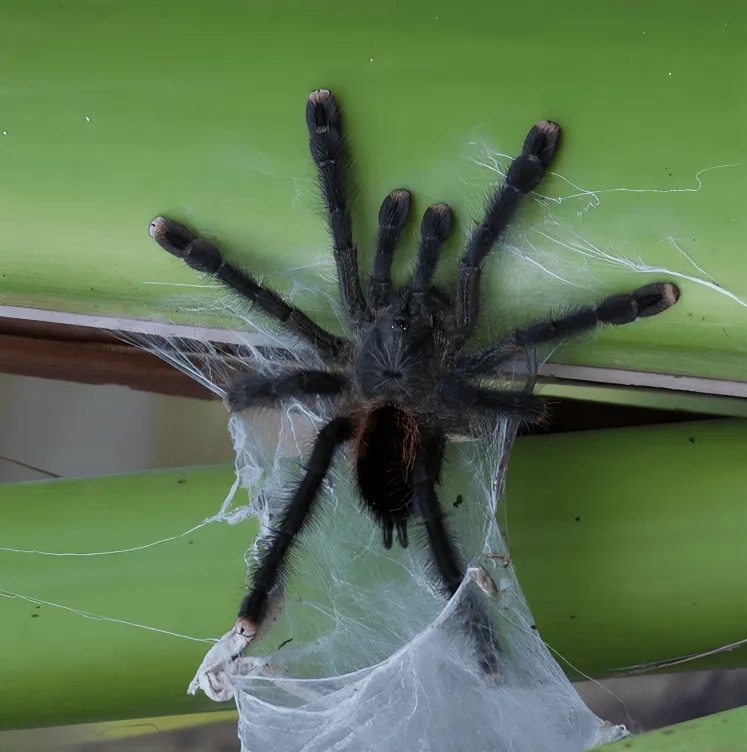
Understanding Pink Toe Tarantula Feeding
Caring for a pink toe tarantula involves understanding its specific needs, and one of the most crucial aspects of this is providing proper nutrition. These beautiful arboreal tarantulas, known for their vibrant pink toe pads, thrive on a diet of insects. The frequency and type of food, however, depends on several factors, including the tarantula’s age, size, and overall health. This guide will provide you with everything you need to know to ensure your pink toe tarantula is well-fed and thriving in its enclosure. This includes detailed information on feeding frequency, appropriate prey, and how to troubleshoot common feeding issues.
Feeding Frequency for Pink Toe Tarantulas
The feeding frequency for pink toe tarantulas is not a one-size-fits-all answer, it depends on the tarantula’s life stage. Overfeeding can lead to serious health problems. It is best to observe your tarantula and its eating habits. Regular observation is key, to adjust the feeding schedule to suit the individual needs of your pet. Also, be sure that your tarantula has fresh water at all times.
Feeding Young Pink Toe Tarantulas
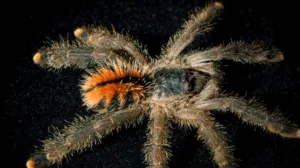
Young pink toe tarantulas, or slings, require more frequent feeding due to their rapid growth rate. They should be fed every 2-3 days. The prey items should be appropriately sized, meaning no bigger than the tarantula’s abdomen. Good choices include small crickets, fruit flies, and pinhead crickets. Always remove any uneaten food within 24 hours to prevent mold growth in the enclosure. Make sure the enclosure has plenty of ventilation and humidity.
Feeding Adult Pink Toe Tarantulas
Adult pink toe tarantulas, on the other hand, have slower metabolisms and do not need to eat as frequently. An adult tarantula can be fed every 5-7 days, or even less often if they are not showing signs of hunger. Good prey items include adult crickets, roaches, and mealworms. Remember to adjust the feeding schedule depending on the individual tarantula and its eating habits. Always provide fresh water.
Factors Affecting Feeding Frequency
Several environmental factors can also affect how often you should feed your pink toe tarantula. These include the humidity and temperature inside the enclosure. It is important to provide your tarantula with the best environment to support their health, including how often you feed them.
Humidity Levels

Humidity plays a crucial role in the health and well-being of pink toe tarantulas. High humidity levels are essential for these arboreal species. If the enclosure is too dry, the tarantula may refuse to eat or experience difficulties molting. Monitoring the humidity levels using a hygrometer and adjusting your misting schedule accordingly is important to keep the tarantula healthy.
Temperature
Temperature also affects the tarantula’s metabolism and appetite. A warmer enclosure will increase their metabolism, leading to a greater appetite. If the enclosure is too cold, the tarantula might eat less or even refuse to eat at all. Maintain a stable temperature range of 75-80°F (24-27°C) to keep your tarantula healthy and content. Always monitor your tarantula to adjust based on their needs.
Size of the Tarantula
The size of your tarantula is another key factor to consider. A larger tarantula generally requires more food, but not necessarily more frequently. You will need to adjust the size of the prey items accordingly. As the tarantula grows, you can gradually increase the size of the insects you feed it. Always avoid feeding prey items that are larger than the tarantula’s abdomen, as they can pose a danger.
Prey Selection What to Feed Your Pink Toe

Choosing the right prey is as important as the feeding frequency. Providing a varied and nutritious diet ensures that your pink toe tarantula receives all the essential nutrients it needs to thrive. The diet should consist mainly of live insects that are readily available. Never feed your tarantula insects caught outdoors, as these could be contaminated with pesticides or parasites. Always consider the size and stage of your tarantula when selecting prey.
Appropriate Prey Items
The best prey items for pink toe tarantulas include crickets, roaches (such as dubia roaches), mealworms, and other commercially available insects. Crickets and roaches should be gut-loaded, meaning they are fed a nutritious diet before being offered to the tarantula. Gut-loading increases the nutritional value of the prey, providing your tarantula with a more balanced diet. Mealworms are also a good choice, but should be offered in moderation due to their higher fat content. A varied diet of insects is more beneficial to the tarantula.
Avoid Overfeeding
Overfeeding is a common mistake that can lead to serious health issues, such as obesity and a shortened lifespan. A well-fed tarantula will have a plump abdomen, but it should not be excessively round. If the tarantula’s abdomen appears too large, reduce the frequency of feeding. Always monitor your tarantula for signs of overfeeding, and adjust the feeding schedule accordingly. Always remove any uneaten prey within 24 hours to prevent stress.
Feeding Techniques and Tips

Knowing the right techniques and tips can make feeding time easier and safer for both you and your tarantula. There are also practices that can help you keep your tarantula healthy. Here’s how to feed your pink toe tarantula with ease.
Removing Uneaten Food
Uneaten food should be removed within 24 hours of feeding to prevent stress and mold growth. Use long tongs to gently remove the prey. If the tarantula is close to molting, it may refuse to eat for a few weeks. Do not worry, and remove the food after 24 hours. After the molt, you can resume feeding. This also prevents the prey from harassing the tarantula, or possibly harming it.
Providing Water
Fresh water is essential for pink toe tarantulas. Provide a shallow water dish with fresh water at all times. Use a water dish that is shallow enough to prevent drowning, and make sure it is easily accessible to the tarantula. Regularly clean the water dish to prevent bacteria growth. In addition to a water dish, misting the enclosure can also help maintain the necessary humidity levels. Water is vital to the health of a pink toe tarantula.
Monitoring Your Tarantula’s Health

Regularly monitoring your pink toe tarantula’s health is essential for ensuring its well-being. By observing its behavior, appearance, and feeding habits, you can identify potential problems early and take appropriate action. The following is key to the proper care of a pink toe tarantula.
Signs of Overfeeding or Underfeeding
Signs of overfeeding include an excessively large abdomen, while underfeeding can lead to a shrunken abdomen. A healthy tarantula will have a plump abdomen, but not one that is too large. Look for signs of lethargy, loss of appetite, or changes in behavior. If the tarantula stops eating, check the temperature and humidity, and adjust if necessary. If you suspect a problem, consult with an experienced tarantula keeper or a veterinarian specializing in exotic animals.
Shedding and Molting
Pink toe tarantulas shed their exoskeletons as they grow, a process known as molting. During the molting process, the tarantula may stop eating and appear lethargic. Provide extra humidity and avoid disturbing the tarantula during this time. After molting, the tarantula will be vulnerable and may need a few days to regain its strength. You can resume feeding once the exoskeleton has fully hardened. The tarantula will also appear in better colors. Always remember to give the tarantula time to molt. Do not disturb them during this time.
Troubleshooting Feeding Issues

Even with the best care, you may encounter feeding issues. If your tarantula stops eating, there could be several reasons. First, check the environmental conditions, such as temperature and humidity. Next, ensure the prey is the right size and type. Also, the tarantula may be close to molting or stressed. If the issue persists, consult an experienced tarantula keeper or a veterinarian specializing in exotic animals. Always take the time to give the tarantula time to adjust.
In conclusion, understanding the feeding needs of your pink toe tarantula is vital for its health and well-being. By following these guidelines on feeding frequency, prey selection, and environmental conditions, you can ensure your tarantula thrives. Regular observation and a proactive approach to care will help you provide the best possible life for your fascinating pet. Always ensure that you provide the best life possible.