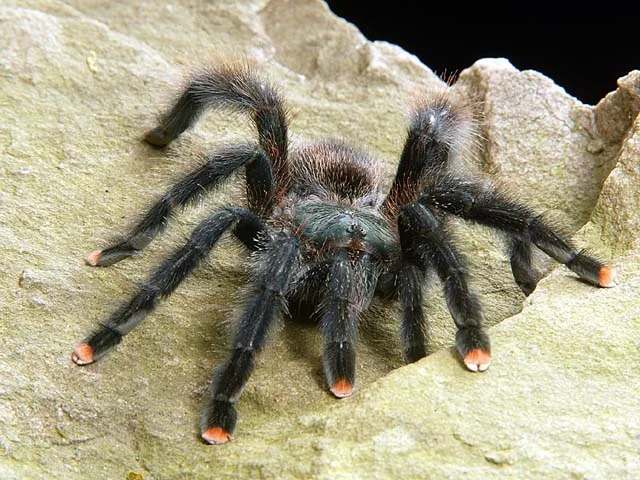
What is a Pink Toe Tarantula?
The Pink Toe Tarantula, scientifically known as Avicularia avicularia, is a captivating arboreal species, making it a popular choice among tarantula enthusiasts. Distinguished by its distinctive pinkish-red toe pads and docile temperament, this species offers a unique experience for both novice and experienced keepers. Originating from the rainforests of South America and the Caribbean, these tarantulas are adapted to life in trees, possessing specialized features that allow them to thrive in their arboreal habitat. Their striking appearance and relatively easy care requirements contribute to their widespread appeal in the exotic pet market. Owning a Pink Toe Tarantula can be a rewarding experience, providing a fascinating glimpse into the world of arachnids and the opportunity to appreciate these remarkable creatures.
Origin and Habitat of the Pink Toe Tarantula
Understanding the Pink Toe Tarantula’s natural habitat is crucial for providing optimal care. These tarantulas are native to the tropical rainforests of northern South America, including countries like Brazil, Guyana, and Suriname, as well as some Caribbean islands. In the wild, they make their homes in trees, building silken retreats within the branches, often utilizing existing cavities or creating their own. The humid environment of the rainforest is essential for their survival, providing the necessary moisture and temperature for their well-being. Pink Toe Tarantulas are opportunistic hunters, preying on insects, small invertebrates, and sometimes even small lizards. Replicating their natural environment in captivity involves providing a suitable enclosure, appropriate substrate, and maintaining the right humidity and temperature levels to mimic their wild habitat.
Why Pink Toe Tarantulas are Popular

The Pink Toe Tarantula’s popularity stems from several key factors that make it an appealing choice for tarantula keepers. First and foremost, their striking appearance is a significant draw, with their namesake pink toe pads contrasting beautifully against their dark bodies. Furthermore, their generally docile temperament makes them relatively easy to handle and observe, compared to more skittish or defensive species. They are also considered to be a relatively easy species to care for, with manageable requirements for their habitat and diet, making them suitable for beginners. Their moderate size, compared to some larger tarantula species, adds to their appeal, as they don’t require excessively large enclosures. The Pink Toe Tarantula’s combination of beauty, ease of care, and manageable size has solidified its place as a favorite among both new and experienced tarantula enthusiasts.
Buying a Pink Toe Tarantula
Before you buy a Pink Toe Tarantula, there are several important considerations. Research reputable breeders or pet stores specializing in exotic animals. This helps to ensure you are acquiring a healthy specimen and have access to reliable care information. Evaluate the seller’s reputation and ensure they prioritize the well-being of their animals. Examine the tarantula closely for any signs of illness or injury, such as missing limbs, lethargy, or unusual behavior. Determine the tarantula’s sex, if possible, as females tend to live longer than males. Consider the size of the tarantula, as younger specimens are often more affordable but require a more controlled environment. Prepare the necessary habitat before bringing your tarantula home, including an appropriate enclosure, substrate, and decor, to minimize stress during the transition.
Where to Buy Pink Toe Tarantulas
When you’re ready to buy a Pink Toe Tarantula, it is essential to locate a reliable source. Local reptile or exotic pet stores are a common starting point, providing the opportunity to see the tarantula in person and ask questions. However, the selection may be limited, and the expertise of staff can vary. Online breeders and specialty retailers offer a wider variety and often provide detailed information about the tarantulas they sell, including their lineage and health records. Research the seller’s reputation by reading reviews and testimonials. Consider attending reptile expos or tarantula shows, where you can meet breeders, examine different specimens, and gain valuable insights from experienced keepers. Always prioritize the well-being of the tarantula by choosing a reputable source committed to ethical practices.
Selecting a Healthy Pink Toe Tarantula

Selecting a healthy Pink Toe Tarantula is crucial for its longevity and your enjoyment. Before making a purchase, carefully inspect the tarantula for any signs of illness or injury. Look for a plump abdomen, indicating proper hydration and feeding. Avoid specimens with a shriveled abdomen, which could indicate dehydration or starvation. Examine the tarantula’s legs for any missing limbs or signs of damage, which can affect its mobility and feeding ability. Observe its behavior; a healthy tarantula should be alert and responsive to its surroundings. Look for any signs of parasites, such as mites. Inquire about the tarantula’s feeding habits and molting history. Choosing a healthy tarantula reduces the likelihood of future problems and ensures a more rewarding experience. Don’t hesitate to ask the seller questions about the tarantula’s history and care.
Caring for Your Pink Toe Tarantula
Proper care is essential for the health and well-being of your Pink Toe Tarantula. This involves providing a suitable habitat, regular feeding, and appropriate handling. Understanding the specific needs of this species will help you create an environment where it can thrive. The Pink Toe Tarantula, being an arboreal species, needs a tall enclosure with vertical climbing surfaces. Maintaining the right humidity and temperature levels is critical. Providing a varied diet and ensuring adequate hydration are also key components of its care. Regular observation of your tarantula’s behavior and appearance can help you identify any potential health issues early on. By following these guidelines, you can ensure a long and fulfilling life for your Pink Toe Tarantula.
Creating the Ideal Habitat
Creating an ideal habitat for your Pink Toe Tarantula is paramount for its health and happiness. The enclosure should be a tall, well-ventilated terrarium, as this species is arboreal and prefers to climb. A glass or acrylic enclosure is recommended, with secure lid to prevent escape. Provide vertical climbing surfaces, such as cork bark, branches, or artificial plants, to replicate its natural arboreal habitat. Maintain a substrate of around 2-3 inches, composed of a mix of coco fiber, peat moss, and sphagnum moss to retain moisture. Add a shallow water dish for hydration, ensuring it’s easily accessible, and mist the enclosure regularly to maintain the appropriate humidity levels. The enclosure should be placed in a location away from direct sunlight and drafts, maintaining a temperature between 75-85°F (24-29°C). The goal is to create a secure and stimulating environment that mimics the tarantula’s natural habitat.
Choosing the Right Enclosure

Selecting the right enclosure is a crucial first step in setting up your Pink Toe Tarantula’s habitat. For a juvenile tarantula, a smaller enclosure, like a deli cup or a small terrarium, is suitable. This helps the tarantula feel more secure and makes it easier to manage the humidity and temperature. As the tarantula grows, you will need to upgrade to a larger enclosure. For an adult Pink Toe Tarantula, a terrarium that is at least 12x12x18 inches (30x30x45 cm) or larger is recommended. Ensure the enclosure is well-ventilated to prevent the buildup of stagnant air, which can lead to health problems. The enclosure should have a secure lid to prevent escapes. Glass or acrylic enclosures are ideal, as they offer good visibility and are easy to clean. Consider the placement of the enclosure, ensuring it is away from direct sunlight, drafts, and high-traffic areas to minimize stress on the tarantula. Always consider the adult size of the tarantula when selecting an enclosure.
Substrate and Decor
The substrate and decor you provide in your Pink Toe Tarantula’s enclosure play a vital role in creating a comfortable and enriching environment. The substrate should be capable of retaining moisture and providing a suitable base for burrowing. A mix of coco fiber, peat moss, and sphagnum moss is an excellent choice. These materials help maintain the necessary humidity levels. Add a layer of substrate about 2-3 inches deep. Provide a water dish filled with fresh water. Include vertical climbing surfaces, such as cork bark, branches, and artificial plants, to mimic the tarantula’s natural arboreal habitat and provide places to build its web. Live or artificial plants add enrichment and can help maintain humidity. Avoid using gravel or sharp objects that could injure your tarantula. The goal is to create an environment that is both functional and aesthetically pleasing, promoting the tarantula’s well-being.
Feeding Your Pink Toe Tarantula
Feeding your Pink Toe Tarantula is a fundamental aspect of its care. They are primarily insectivores, meaning their diet consists mainly of insects. A varied diet of appropriately sized insects is essential to provide all the necessary nutrients. Common food items include crickets, roaches, mealworms, and even occasional waxworms as a treat. The size of the prey should be appropriate for the tarantula; it should be no larger than the tarantula’s body length. Offer food every few days for juveniles and less frequently for adults. Remove any uneaten food within 24 hours to prevent the growth of mold or mites. Ensure the insects are gut-loaded before feeding them to your tarantula. This involves feeding the insects nutritious food for 24 hours before offering them to the tarantula, ensuring that the tarantula gets the essential nutrients.
What to Feed Your Tarantula

The diet of your Pink Toe Tarantula should be varied to ensure it receives a balanced intake of nutrients. Crickets are a readily available and nutritious staple food, but it is important to gut-load them with nutritious foods before feeding them to your tarantula. Roaches, such as dubia roaches, are also an excellent option, as they are high in protein and relatively easy to breed. Mealworms and superworms can be offered occasionally as treats but should not be the primary food source due to their high-fat content. Waxworms can be offered sparingly. Avoid feeding your tarantula wild-caught insects, as they may carry parasites or pesticides. Dust the insects with a calcium and vitamin supplement a few times a month, especially for juveniles, to promote healthy growth and molting. Always provide fresh water in a shallow dish for your tarantula to drink.
Feeding Frequency and Amount
The feeding frequency and amount for your Pink Toe Tarantula will depend on its age and size. Juvenile tarantulas need to be fed more frequently than adults, typically every 2-3 days. Offer them appropriately sized insects, such as small crickets or pinhead roaches. As the tarantula grows, the frequency of feeding can be reduced. Adult Pink Toe Tarantulas can be fed every 1-2 weeks, providing a larger meal each time. The amount of food to offer depends on the tarantula’s appetite; it will usually consume what it needs and then stop eating. Remove any uneaten food within 24 hours to prevent the growth of mold or the attraction of mites. Observe your tarantula’s abdomen; it should be plump but not overly distended. Adjust the feeding schedule based on the tarantula’s appetite and overall condition to ensure optimal health.
Handling and Interaction
Handling your Pink Toe Tarantula should be approached with caution and respect for the animal. While they are generally docile, they are still capable of biting, and their bite can be painful. Avoid handling your tarantula unnecessarily, as this can cause stress. If handling is required, do so only when necessary, such as for enclosure maintenance. Always handle the tarantula over a soft surface, such as a bed or carpet, in case it falls. Never grab or squeeze the tarantula; instead, gently encourage it to walk onto your hand or a soft surface. Observe your tarantula’s behavior, as it can give you clues about its mood. If it seems stressed or defensive, it is best to leave it alone. Handle with care and patience, always prioritizing the safety of both yourself and the tarantula.
How to Handle Your Tarantula

If you need to handle your Pink Toe Tarantula, do so with care and consideration. Before handling, ensure your hands are clean and free of any lotions or perfumes. Approach the tarantula slowly and calmly, avoiding any sudden movements that might startle it. Gently encourage the tarantula to walk onto your hand or a soft surface, such as a piece of paper or a small container. Never try to grab or pick up the tarantula, as this can cause it to feel threatened. Hold your hand flat and allow the tarantula to walk onto it at its own pace. Always handle your tarantula over a soft surface to prevent injuries if it falls. Avoid handling the tarantula for extended periods, as this can cause stress. If the tarantula appears agitated or defensive, gently return it to its enclosure.
Understanding Tarantula Behavior
Understanding tarantula behavior is crucial for responsible care and safe handling. Tarantulas are generally solitary creatures and prefer to be left alone. They are sensitive to vibrations and disturbances. Pink Toe Tarantulas are known for their docile nature, but they can still be defensive if they feel threatened. Be aware of the tarantula’s posture and any warning signs, such as raising its front legs or flicking hairs. If your tarantula is stressed, it may move rapidly or try to escape. Learn to recognize these signs and avoid handling the tarantula when it is agitated. Observe your tarantula’s feeding behavior, as it can provide insights into its health. A healthy tarantula should have a good appetite. Learn to interpret the tarantula’s behavior to provide the best possible care and interaction.
Common Health Issues
Pink Toe Tarantulas, like any pet, can be susceptible to certain health issues. Being able to recognize the signs of illness is essential. Dehydration is a common problem, often indicated by a shriveled abdomen. Ensure your tarantula has access to fresh water. Parasites, such as mites, can infest the tarantula and its enclosure. Examine your tarantula and the substrate regularly for any signs of mites, which appear as tiny, moving dots. Respiratory infections can occur if the humidity is too low or the enclosure is poorly ventilated. Molting problems can arise if the humidity is incorrect or the tarantula is stressed. Bacterial infections can occur due to unsanitary conditions. Promptly addressing any health issues is crucial. Consulting with an experienced tarantula keeper or a veterinarian familiar with exotic animals is highly recommended.
Recognizing Signs of Illness

Recognizing the signs of illness in your Pink Toe Tarantula is key to providing timely care. Lethargy or a lack of activity can be a sign of illness. A healthy tarantula should be alert and responsive to its environment. Loss of appetite or a refusal to eat can indicate a health problem. A tarantula that is not eating may be ill or stressed. Unusual posture or movement can be a sign of discomfort or illness. Watch for any changes in the tarantula’s gait or how it positions itself. A shriveled abdomen may indicate dehydration or starvation. Examine the abdomen for its fullness. Difficulty molting or a failed molt can also be a sign of illness. Look for any signs that the tarantula is having trouble shedding its exoskeleton. Presence of mites, parasites, or other insects are potential issues. Any unusual discoloration or lesions on the tarantula’s body are also signs to look for. If you notice any of these signs, consult a veterinarian specializing in exotic animals.
Preventative Care
Preventative care is vital for keeping your Pink Toe Tarantula healthy. Maintaining the correct humidity and temperature levels is crucial for preventing respiratory infections and ensuring proper molting. Regularly clean and maintain the enclosure, removing any uneaten food and waste to prevent the build-up of bacteria and the attraction of mites. Provide a varied and nutritious diet of appropriately sized insects to maintain its overall health. Avoid over-handling the tarantula, as stress can weaken its immune system. Observe your tarantula daily for any signs of illness or injury. Quarantine any new tarantulas before introducing them to your established collection. Providing proper preventative care will greatly reduce the likelihood of health problems and enhance your tarantula’s longevity and well-being.
Frequently Asked Questions
Are Pink Toe Tarantulas Venomous?
Yes, Pink Toe Tarantulas are venomous, like all tarantulas. However, their venom is not considered dangerous to humans. Their bite can cause a mild, localized reaction, such as redness, itching, and some pain, similar to a bee sting. The venom is not medically significant, and serious complications are very rare. Because of their docile nature, Pink Toe Tarantulas rarely bite unless they feel threatened. Avoid any unnecessary handling and do not provoke the tarantula to reduce the risk of being bitten. If you are bitten, clean the area with soap and water and monitor for any signs of an allergic reaction. If you experience more severe symptoms, seek medical attention.
How Long Do They Live?
The lifespan of a Pink Toe Tarantula can vary depending on several factors. Female Pink Toe Tarantulas generally live longer than males. Females typically live for 10-15 years, sometimes even longer if provided with excellent care. Males have a shorter lifespan, usually only 2-4 years after reaching maturity. The tarantula’s diet, habitat, and overall health play a significant role in determining its lifespan. Proper care, including providing a suitable enclosure, maintaining appropriate environmental conditions, and feeding a varied diet, can help to maximize the lifespan of your Pink Toe Tarantula. Regular monitoring for any signs of illness or stress can also help extend their life expectancy. While the longevity of your Pink Toe Tarantula can vary, providing optimal care will significantly increase the chances of a long and healthy life.
Conclusion
Owning a Pink Toe Tarantula can be a rewarding experience for any arachnid enthusiast. By following this guide, you’ve learned the essential steps for buying, caring for, and understanding these fascinating creatures. From selecting a healthy specimen to creating the perfect habitat, feeding, and handling your tarantula with care, you are now well-equipped to provide for the well-being of your new pet. Remember to continue learning and researching to enhance your knowledge and ensure the best possible life for your Pink Toe Tarantula. Enjoy the unique beauty and character that these amazing creatures bring to your home, and relish the opportunity to appreciate the wonders of the natural world.