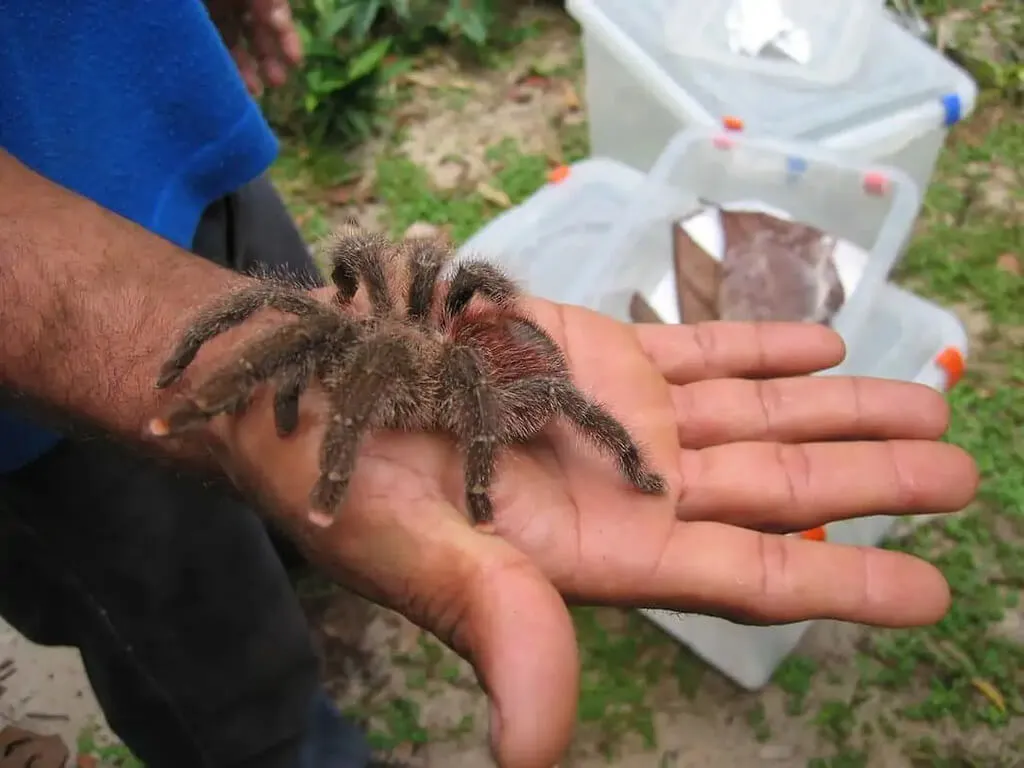
The Pink Toe Tarantula, Avicularia avicularia, is a beautiful and popular pet due to its docile nature and striking appearance. However, providing the right habitat is crucial to ensure your tarantula thrives and displays its vibrant colors and active behavior. Understanding the specific needs of this arboreal species is the key to creating a comfortable and enriching environment. This article outlines the top 5 essential facts about creating the perfect Pink Toe Tarantula habitat, ensuring your eight-legged friend lives a long, healthy, and happy life. From enclosure setup to humidity control, we’ll cover all the critical aspects of Pink Toe Tarantula care. Creating the ideal habitat is not just about aesthetics; it is about replicating their natural environment to promote their well-being.
Pink Toe Tarantula Habitat Top 5 Facts
1. Arboreal Lifestyle
Pink Toe Tarantulas are arboreal, which means they are adapted to live in trees. Therefore, their enclosure should reflect this natural habitat. A tall enclosure is far more important than a wide one. The tarantula needs vertical space to climb, web, and feel secure. This vertical space provides the tarantula with plenty of opportunities to explore and exhibit its natural behaviors, such as climbing and perching. Failure to provide adequate vertical space can lead to stress and a less active tarantula. Furthermore, the enclosure’s height is crucial for establishing a temperature gradient, which allows the tarantula to regulate its body temperature effectively. Ensuring that your enclosure mimics the tarantula’s natural environment is crucial to its health.
Choosing the Right Enclosure

When choosing an enclosure, consider a clear, well-ventilated terrarium made of glass or acrylic. The size of the enclosure should be proportionate to the tarantula’s size; a general guideline is to provide an enclosure that is at least three times the tarantula’s leg span in height. The enclosure should have a secure lid to prevent escapes and ensure the safety of your tarantula. Make sure the lid fits snugly and doesn’t have any gaps that your tarantula can exploit. The material of the enclosure should also be considered for optimal visibility. Glass offers excellent transparency, while acrylic is lightweight and durable. Either option can provide a secure environment. Proper enclosure selection is the first step in ensuring a safe and suitable home for your Pink Toe Tarantula. Remember that ventilation will be important for the health of the T, and the enclosure choice will heavily impact this.
2. Ventilation is Key
Adequate ventilation is crucial for the health of your Pink Toe Tarantula. Stagnant air can lead to mold growth, respiratory issues, and other health problems. Good ventilation helps regulate humidity and prevents the build-up of harmful gases. The ventilation system is the mechanism for air exchange, which allows the free movement of fresh air, which directly affects the tarantula’s well-being. A well-ventilated enclosure ensures a healthy environment, where the tarantula can thrive, reducing the risks of disease and promoting natural behaviors. The right ventilation system will support the humidity, temperature, and overall health of your tarantula.
Importance of Airflow
Airflow is vital for maintaining a healthy environment within the enclosure. It helps to prevent the build-up of excessive humidity and the formation of mold or mildew, which can be detrimental to the tarantula’s health. Good airflow also helps to regulate temperature and provide a fresh supply of oxygen. This can be achieved through strategically placed vents or a mesh lid. In addition to airflow, it is important to select the right location for the enclosure to provide a stable environment. Airflow, combined with environmental controls, contributes to a healthy and comfortable habitat for your tarantula. Without proper ventilation, your tarantula could experience difficulty breathing, which could lead to serious health problems.
Avoiding Stagnant Air

Stagnant air can be a breeding ground for mold, bacteria, and mites, which can harm your tarantula. Stagnant air often leads to humidity imbalances and can compromise the structural integrity of the enclosure. Therefore, ensuring proper airflow is a must. Prevent stagnant air by using a well-ventilated enclosure with cross-ventilation, avoiding overcrowding the enclosure, and cleaning the enclosure regularly. Additionally, ensuring proper airflow involves maintaining a clean environment and avoiding the use of materials that can trap moisture. Stagnant air in the enclosure will negatively affect the tarantula. A humid environment combined with stagnant air is a dangerous environment for the pink toe tarantula, so it is best to avoid this. Regular maintenance and the right setup are key to preventing these issues.
3. Substrate Selection
The substrate is the bottom layer of the enclosure and plays a crucial role in maintaining humidity, providing a comfortable surface for the tarantula, and allowing it to burrow if it chooses. The ideal substrate for a Pink Toe Tarantula should retain moisture without becoming waterlogged. Avoid using substrates that mold easily. Some popular choices include a mixture of coconut fiber, peat moss, and a small amount of vermiculite or sphagnum moss. The substrate also provides a surface for your tarantula to grip and navigate. Using the right substrate will facilitate essential tarantula behaviors and enhance their comfort.
Ideal Substrate Types
Coconut fiber is an excellent substrate choice because it holds moisture well, is naturally resistant to mold, and provides good drainage. Peat moss is also a good option, but it tends to be more acidic, so mixing it with other substrates is often recommended. Sphagnum moss can be added to maintain humidity and create a more natural environment. Avoid substrates like sand or gravel, as they do not retain moisture well and can be difficult for the tarantula to navigate. When selecting a substrate, make sure it is free of any chemicals or additives that could be harmful to your tarantula. The right combination of substrate types provides the best environment for your Pink Toe Tarantula.
Substrate Depth

The depth of the substrate is another important factor to consider. For Pink Toe Tarantulas, a substrate depth of 2-3 inches is generally sufficient. This depth allows the tarantula to burrow slightly if it chooses, though they typically prefer to web in the upper parts of the enclosure. Proper substrate depth contributes to the overall humidity level and provides a cushion for the tarantula. Adjust the depth based on your enclosure’s size and the tarantula’s specific needs. Ensuring the right substrate depth will improve your tarantula’s comfort and promote its well-being. The Pink Toe Tarantula will use the substrate to help maintain moisture levels in the habitat.
4. Decorating the Habitat
Decorating the enclosure is essential for providing enrichment and mimicking the tarantula’s natural habitat. Provide items such as cork bark, branches, and artificial plants. These decorations offer hiding places and climbing opportunities, which are essential for reducing stress and encouraging natural behaviors. The decorations should be securely placed and free of any sharp edges that could injure the tarantula. Arrange the decorations in a way that provides both open space for movement and plenty of sheltered areas. Proper decorating not only creates a visually appealing habitat but also enriches the tarantula’s life. Mimicking their natural environment is crucial to keeping your tarantula healthy and happy.
Essential Decor Items
Cork bark is a great addition, as it provides ideal climbing surfaces and hiding spots. Branches of various sizes allow the tarantula to explore its enclosure and create webs. Artificial plants can add a touch of realism and provide additional hiding places. Avoid using items that can break down easily or release chemicals. Regularly clean and replace decorations as needed to maintain a healthy environment. When selecting decorations, consider the tarantula’s size and needs, and arrange the items in a way that encourages natural behaviors. These decor items contribute to a balanced habitat, promoting the well-being of the tarantula.
Providing Hiding Places

Pink Toe Tarantulas, like most tarantulas, are shy and prefer to have a safe place to retreat. Providing hiding places is essential for reducing stress and allowing the tarantula to feel secure. Cork bark, hollow logs, or even a half-buried terracotta pot make excellent hiding spots. The hiding place should be large enough for the tarantula to comfortably fit inside but not so large that it feels exposed. Providing a secure hiding place can greatly improve the tarantula’s comfort level and reduce stress. A secure hiding place provides a sense of security and enhances its overall well-being. A happy tarantula is usually a healthy tarantula.
5. Maintaining Humidity
Maintaining the correct humidity level is crucial for the health of your Pink Toe Tarantula. These tarantulas thrive in a moderately humid environment. Humidity helps the tarantula with molting and prevents dehydration. Low humidity can lead to problems with molting and overall health issues. High humidity, however, can cause mold and bacterial growth. The ideal humidity range is generally between 60-70%. Regularly monitor the humidity levels using a hygrometer and make adjustments as needed. Consistent monitoring and adjustments are critical to maintaining a suitable habitat. Ensure the humidity levels support the well-being of your tarantula.
Monitoring Humidity Levels
A hygrometer is essential for monitoring humidity levels in the enclosure. Place the hygrometer inside the enclosure, away from direct water sources. Regularly check the readings to ensure the humidity is within the ideal range. It is critical to know if your tarantula habitat has adequate humidity. You can use a digital or analog hygrometer. Depending on the environment where you live, you may need to monitor and adjust the humidity levels. Monitor the humidity on a regular basis to ensure the tarantula’s health and well-being. Always make adjustments to maintain the optimal humidity levels.
Methods for Humidity Control

There are several methods you can use to control humidity levels. Misting the enclosure with dechlorinated water once or twice a week is a common method. Ensure the enclosure has good ventilation to prevent the buildup of excessive moisture. Adding a water dish can also help to maintain humidity. The size of the water dish should be appropriate for the size of the tarantula. Consider using a substrate that retains moisture well, such as coconut fiber or peat moss. Combine these methods to create an optimal environment for your Pink Toe Tarantula. The combination of these methods will create an ideal humidity level. Maintain the environment to support the well-being of your tarantula.
In conclusion, creating the perfect habitat for a Pink Toe Tarantula involves careful consideration of their arboreal nature, ventilation, substrate selection, decor, and humidity levels. By following these top 5 facts, you can provide your tarantula with a comfortable, enriching, and healthy environment where it can thrive. Remember that regular monitoring and adjustments are key to maintaining an ideal habitat. With the right setup, your Pink Toe Tarantula will flourish, allowing you to enjoy the beauty and fascinating behavior of this unique pet for years to come. Ensuring the habitat is ideal is important for maintaining a healthy and happy tarantula.